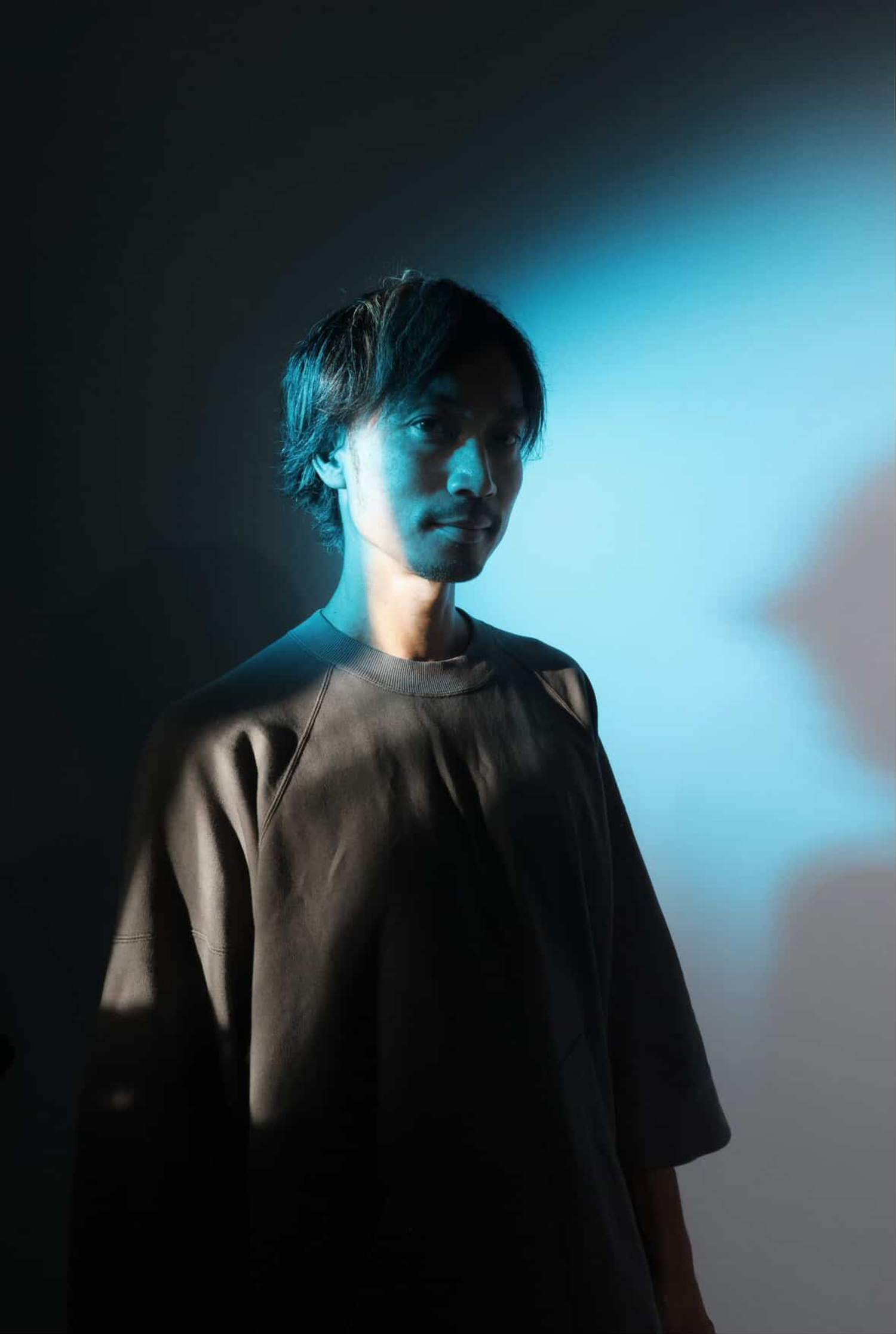
Few artists embody the spirit of long-form storytelling quite like DJ SO. Rooted in Japan’s underground and shaped by decades of dedication, his sound moves fluidly between deep house, techno, and the hypnotic edges of progressive trance. As a longtime resident and key figure behind The Labyrinth, SO has helped define one of the world’s most revered festivals — where sound quality, nature, and collective experience converge.
In this conversation, we reconnect in Berlin to explore his philosophy on music, intuition, and the subtle art of guiding a dancefloor through time.
Hey, how are you? It was great to spend some time together in Berlin and create visuals again after such a long time. Tell us — how’s life in general? What’s taking up most of your time these days?
I’m doing well as usual. Working hard, digging music, DJing, brewing coffee, and taking care of plants. I’m also trying to spend as much time in nature as I can.
You’ve been a resident at The Labyrinth for over 20 years — what makes this festival so unique in your eyes?
We place a strong emphasis on “sound quality”, dedicating attention to every detail of the equipment from input to output, even to the cables. We also focus carefully on the timetable, shaping it to create a dynamic three-day journey.
Another important point is keeping the capacity to around 2000 people — a size where everyone can feel united. If we grow larger, we risk losing that intimacy. And we have just one main stage, so that everyone shares the same experience together.
All of these elements are what make “The Labyrinth” special, I believe.
How do you prepare for a long-form set, especially at a festival like The Labyrinth, where the environment plays such a key role?
I really care about my role within the overall timetable — who plays before me, who comes after, and what kind of slot it is, whether it’s morning, afternoon, sunset, or midnight. I try to approach it with flexibility and humility, aiming to be the kind of DJ who can adapt and contribute to the journey as a whole.
Especially at festivals, I also prepare different options depending on the weather.
For me, a good set always comes down to selection — having a well-prepared list to draw from is the foundation.
How has your role within Mindgames evolved beyond just being a DJ?
My role is mainly on the production side — things like graphic design, sharing information with people, and communication with the local community, the venue, and the town office. Russ, as the main organizer, takes care of everything related to the sound system, the lineup, and the music.
My role hasn’t really changed over the years, but I like that because it’s very clear and allows us to focus on our respective responsibilities. We also have talented staff leaders who are growing steadily, which is great, because it gives me more time to focus on my DJing as well.
What’s the secret behind The Labyrinth’s consistently immersive atmosphere and curation?
As I mentioned, Russ takes care of the curation, but we also put a lot of thought into the space design. It’s really difficult to find a venue in nature that can hold around 2,000 people and also avoid any noise complaints from the local community.
Once we find the right place, we design the main floor carefully — considering the direction of the speakers, the view from the main floor, and so on.
You started DJing in Sendai at 18. How would you describe the evolution of your sound over the past two decades? What changes have you noticed in the Japanese music scene? How would you compare it to the scene abroad?
It’s been 28 years since I started DJing. Over that time, the genres themselves have shifted — from house, progressive trance, progressive house, deep house, to techno. These days, I really feel a revival of progressive trance, which I loved when I was younger.
The music scene in Japan is basically quite similar to Europe, since we’ve always been influenced by what’s happening there.
What was your “aha moment” in your early career that made you realize you had found your musical direction?
It’s not directly about the music, but when I went to my first open-air festival at 19, I absolutely loved it, and I felt that this was the direction I should take.
Your sets are often described as “storytelling” — what does storytelling through music mean to you?
If people describe it as “storytelling,” I’m happy to hear that, because I always try to create one big journey in my DJ sets.
Most of the music I play is instrumental, without vocals. That makes it more abstract and less direct, so everyone experiences it in their own way.
At the same time, each track carries its own mood and emotion, and I use those elements to shape a narrative. So when people feel something similar to what I intended, it makes me really happy.
How do you approach track selection — are you digging for emotion, narrative, rhythm?
When I buy music, it’s purely based on my own intuition. After that, I organize the tracks into genres, sub-genres, moods, and so on. Then, when I DJ, I select the music according to where I want to take the floor. For me, it’s always about creating a story.
You’ve played some iconic festivals and clubs globally — from Boom to Berghain. What’s been the most surprising or memorable crowd experience?
I had three memorable moments — at Nachtdigital, Waking Life, and Parallel Festival. The scene of endless applause and cheers from the crowd after my DJ set is something I’ll never forget for the rest of my life. It really made me realize that I DJ for moments like this.
Are there any emerging artists, labels, or scenes that have caught your attention recently?
Deeper side like, John Plaza, Kaspiann, Kasil,VC-118A, Priori,
And Trancy side like, L-3P, Voiski, Mikkel Rev, Alpha Tracks, Tadan, many more.
Also want to discover South America scene.
What’s next for you — musically or creatively — in the coming year?
I don’t have many big statements to make, but I just want to keep focusing on improving the quality, and I believe the results will follow.
What does a perfect day look like for you when you’re not touring or organizing?
I love going out into nature with my van — diving into clear, beautiful rivers, making a bonfire, watching the stars at night, and brewing coffee in the morning. It’s very simple, but nature always heals me.
Thank you,
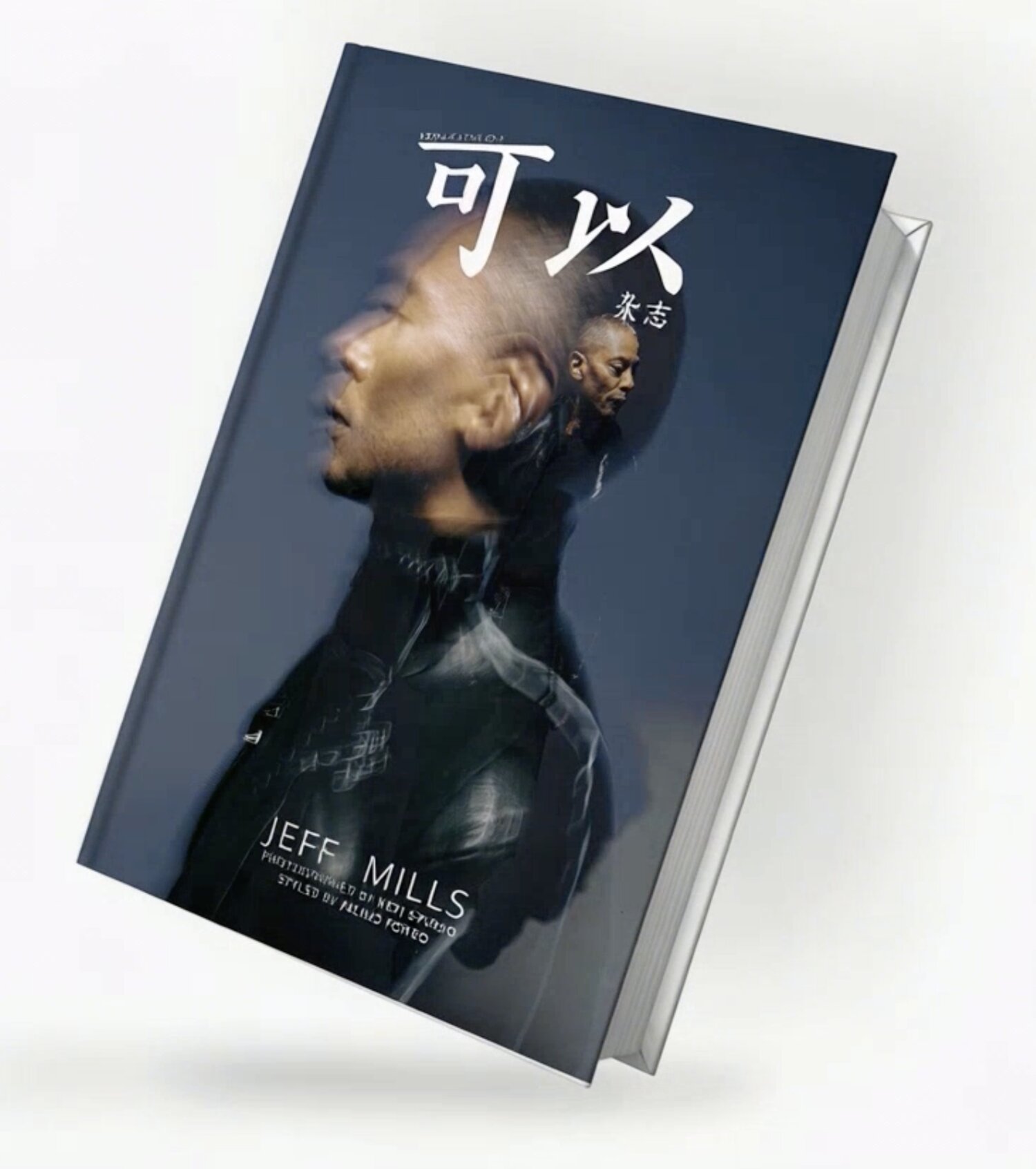
34th issue of KEYI MAGAZINE with JEFF MILLS on the cover