紅縛りが提示する、緊張と信頼のあいだのアート —— 東京・ナンズカテイクンにて、KEYI STUDIOによるエディトリアル撮影
There is a moment – just before the rope tightens – where everything becomes still. Breath slows, attention sharpens, and a silent agreement forms between two people. For Beni Shibari, this moment is where the work begins. ロープが締まる直前、すべてが静止する瞬間がある。呼吸はゆっくりと整い、意識は研ぎ澄まされ、二人のあいだに言葉のない合意が生まれる。紅縛りにとって、この瞬間こそが作品の始まりである。
“I tied up my friend earlier today,” Beni says casually, having just come from a meeting for an upcoming event in Tokyo. The rhythm of their life moves fluidly between performance, creation, and community – each part feeding into the other. There is a moment – just before the rope tightens – where everything becomes still. Breath slows, attention sharpens, and a silent agreement forms between two people. For Beni Shibari, this moment is where the work begins.
ロープが締まる直前、すべてが静止する瞬間がある。呼吸はゆっくりと整い、意識は研ぎ澄まされ、二人のあいだに言葉のない合意が生まれる。紅縛りにとって、この瞬間こそが作品の始まりである。
Shibari, often misunderstood, is far more than restraint. For Beni, it resists singular definition. しばしば誤解されがちな縛りは、単なる拘束ではない。紅にとって、それは一つの定義に収まるものではない。
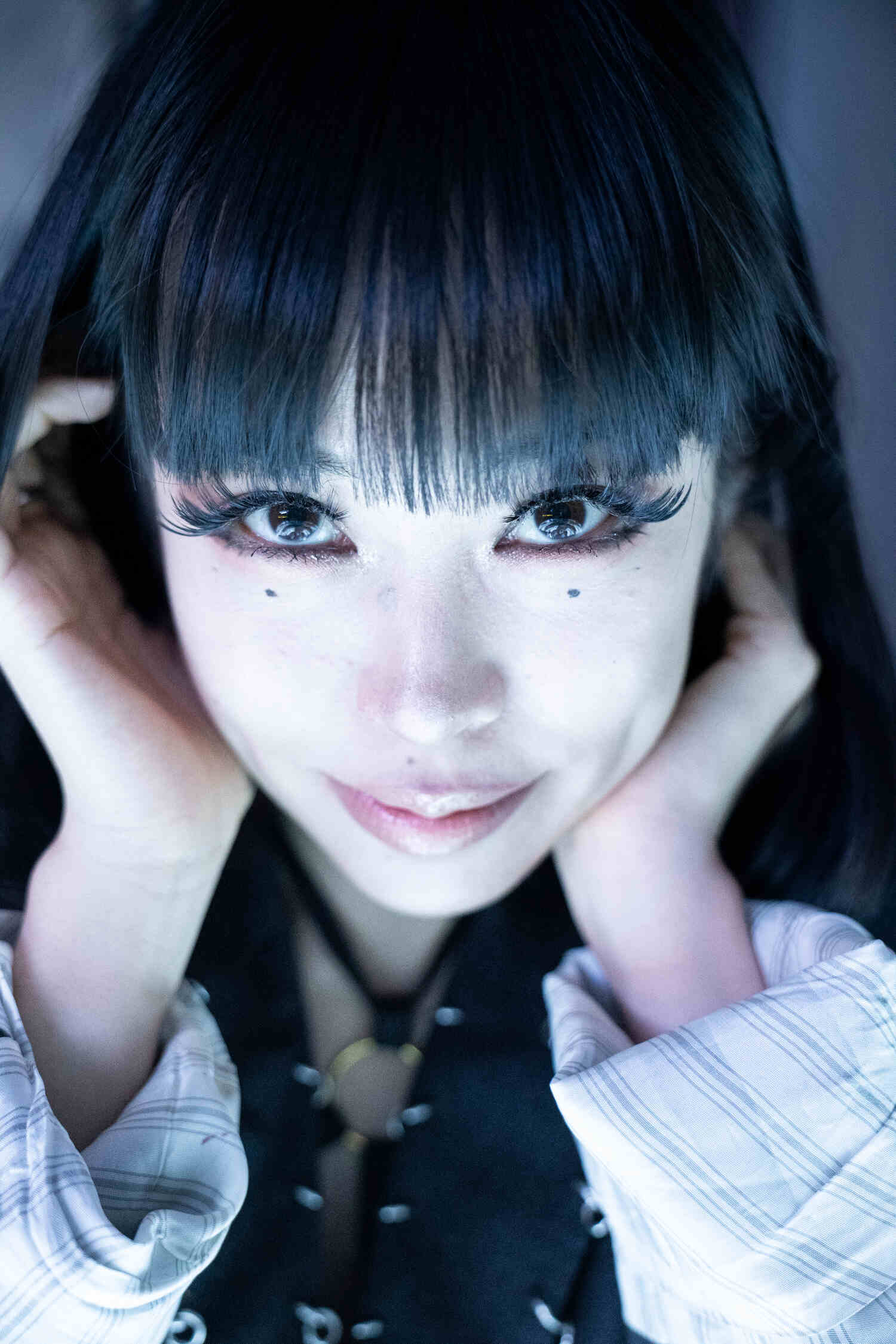
“A knot doesn’t have just one meaning,” Beni explains “It can be celebration, aesthetic, emotion. There are many layers.”
「結び目には一つの意味だけではありません。祝福でもあり、美しさでもあり、感情でもある。そこには多くの層があります」と彼らは語る。
This multiplicity sits at the core of their practice. Like music, Shibari carries different styles, interpretations, and emotional tones. While some may associate it with control, Beni’s work leans toward something more intimate. この多層性こそが、彼らの表現の核にある。音楽のように、縛りにはさまざまなスタイルや解釈、感情のトーンが存在する。コントロールと結びつけられることもあるが、紅の作品はより親密な領域へと向かっている。
“My Shibari is about connection, Trust is my theme. Of course, control exists—but it’s not the purpose.”
「私の縛りは“つながり”です。テーマは信頼です。もちろんコントロールも存在しますが、それが目的ではありません」と語る。
Trust, however, is not given – it is built. And in Beni’s process, it begins beyond language. しかし、信頼は与えられるものではなく、築かれるものである。そして紅のプロセスにおいて、それは言葉を超えたところから始まる。
“I try to feel the model first, Through touch, through rhythm—like sensing their breathing. From there, I guide the emotional flow.”
「まずモデルを感じ取ることから始めます。触れること、リズム、呼吸を感じること。その中で感情の流れを導いていきます」と説明する。
This sensitivity to presence reflects a journey that began six and a half years ago, when Beni first encountered Shibari as a model under the guidance of Hajime Kinoko, a renowned rope master. Suspension work came first, followed by a gradual transition into tying and, eventually, into a broader role as a creative director. この“存在を感じる感覚”は、約6年半前に始まった彼らの歩みを反映している。紅は著名な縄師であるHajime Kinokoのもとでモデルとして縛りに出会った。最初は吊りの表現から始まり、その後、徐々に縛る側へと移行し、現在ではクリエイティブディレクターとしても活動している。
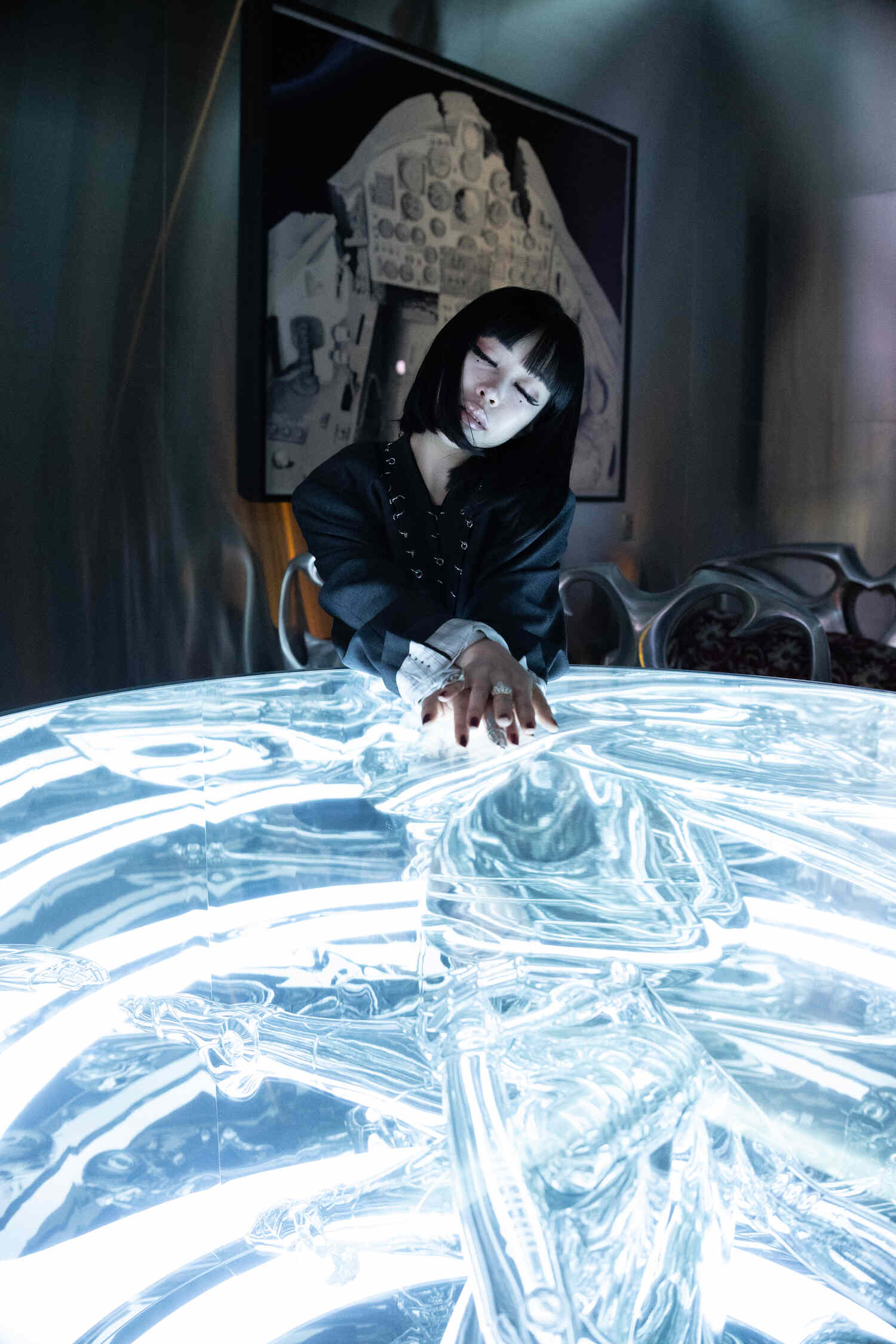
Now, Beni’s work extends beyond the rope itself—into performance, sound, and spatial design. 現在、紅の表現はロープだけにとどまらず、パフォーマンス、音楽、空間演出へと広がっている。
“I want people to open their minds.. In Japan, people often hide parts of themselves. Shibari is something beautiful, but people try to separate it, to categorize it. For me, it’s more like a gradation—something fluid.”
「人々に心を開いてほしいと思っています。日本では自分の一部を隠す傾向があります。縛りは美しいものなのに、人はそれを分類しようとする。でも私にとっては、もっとグラデーションのように流動的なものです」と語る。
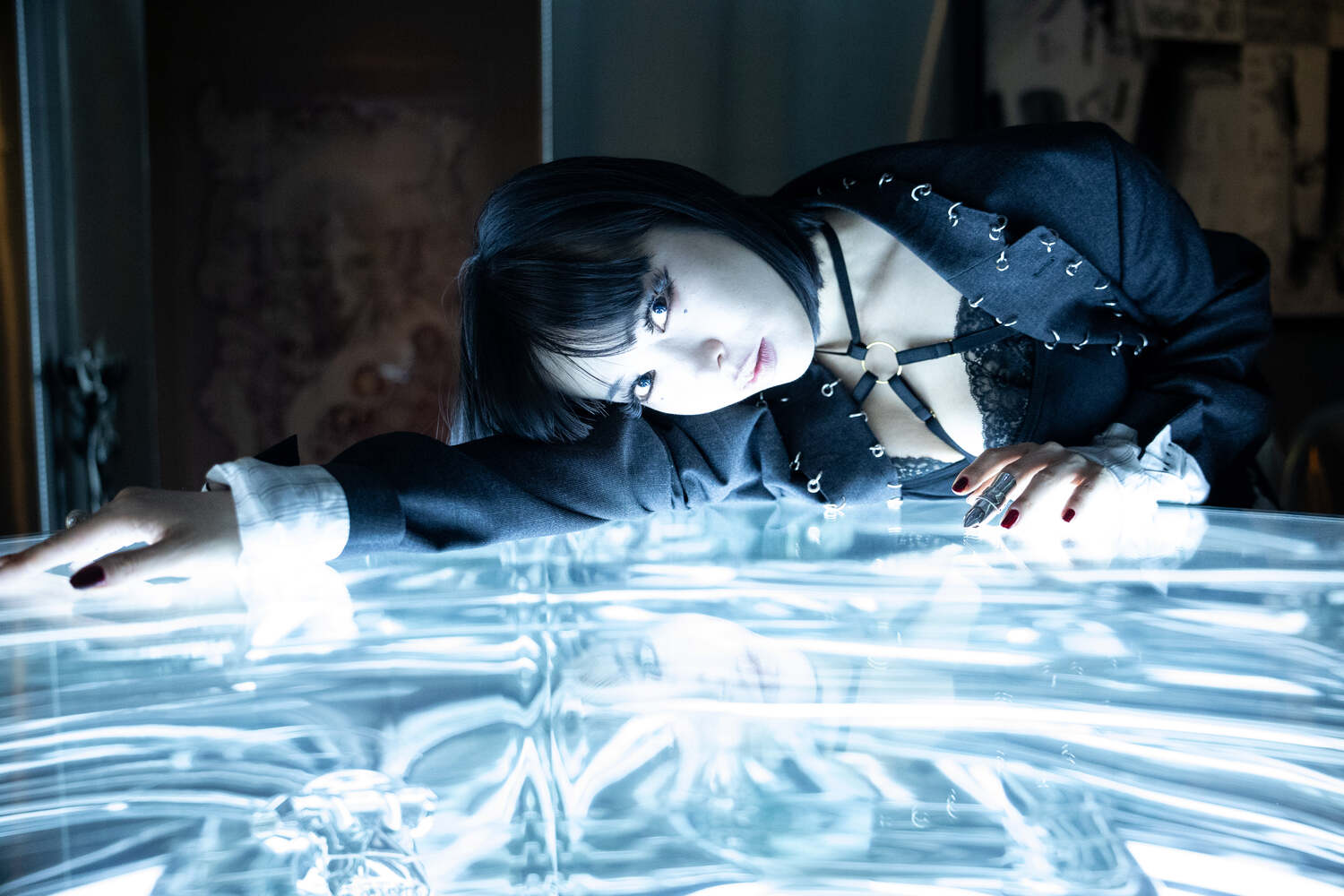
That fluidity is not only conceptual—it is emotional. During performances, the boundary between artist, model, and audience begins to dissolve. その流動性は概念だけでなく、感情にも及ぶ。パフォーマンスの中で、アーティスト、モデル、観客の境界は次第に溶けていく。
“Sometimes, when I untie the rope, my model starts to cry. And when I look at the audience, they feel it too. There’s a connection.”
「ロープを解くとき、モデルが涙を流すことがあります。そして観客を見ると、同じように感じているんです。そこにはつながりがあります」と振り返る。
It is perhaps in this act of untying that Beni finds the deepest meaning. Not in the tension – but in the release. 紅が最も深い意味を見出すのは、おそらくこの“解く”という行為の中にある。緊張ではなく、解放の瞬間に。
“When the rope comes off, it leaves marks on the skin,” they say. “And then those marks slowly disappear. That moment is very beautiful to me.”
「ロープを外すと、肌に跡が残ります。そしてその跡はゆっくりと消えていく。その瞬間がとても美しいのです」と語る。
The impermanence of those marks—visible, then gone—echoes the transient nature of the experience itself. What remains is not the rope, but the feeling. 現れては消えていくその跡の儚さは、この体験そのものの一瞬性を映し出している。残るのはロープではなく、感覚である。
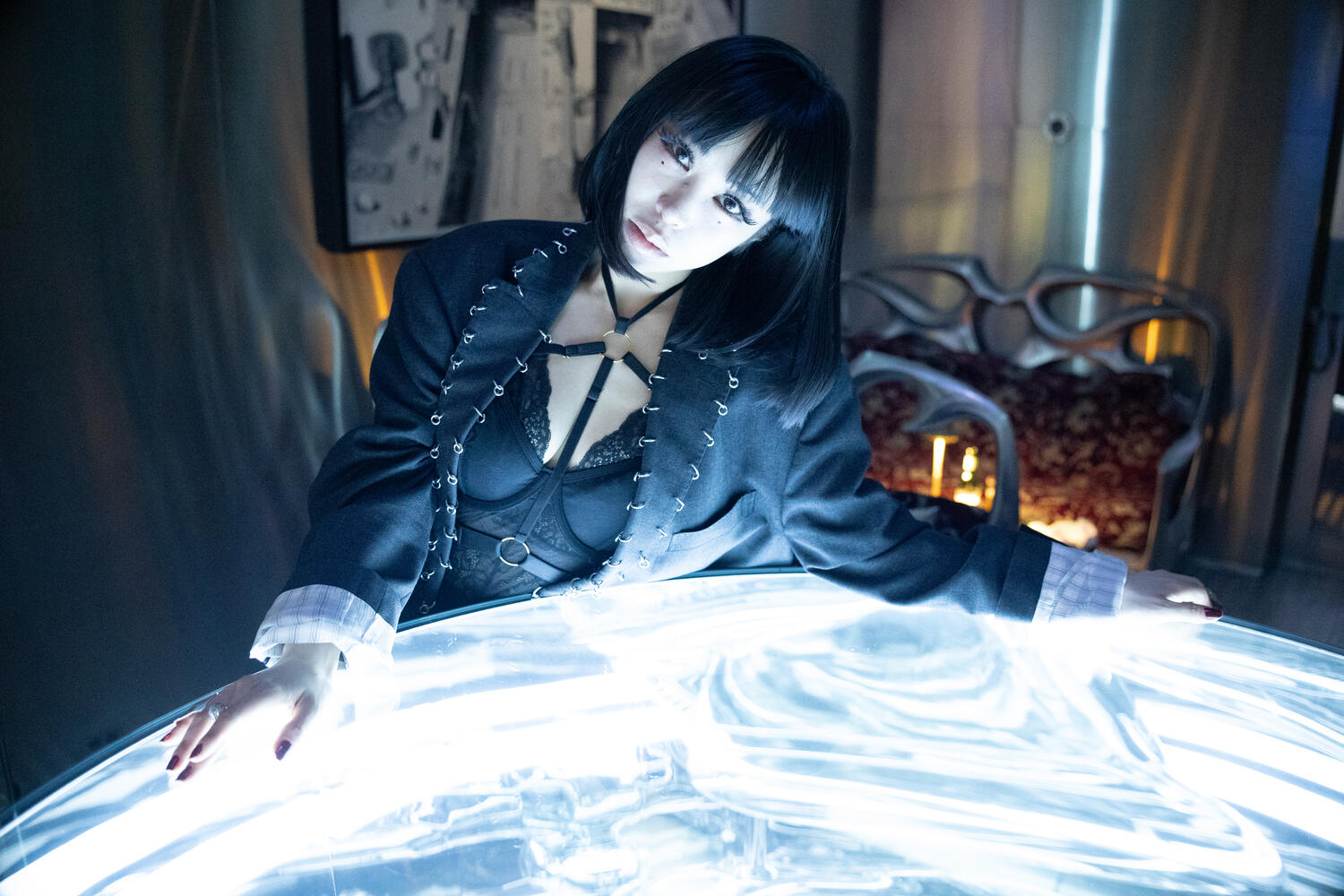
Looking ahead, Beni continues to expand the boundaries of their practice. Based in Tokyo, they are currently developing multidisciplinary events that merge Shibari with music and contemporary culture. これから先も、紅はその表現の境界を広げ続ける。東京を拠点に、音楽や現代カルチャーと縛りを融合させた複合的なイベントを展開している。
“I want to mix different worlds,” Beni explains “I’m creating my own soundtrack, working with DJs and rappers, and designing stage spaces with my team.”
「異なる世界をミックスしたいんです。自分のサウンドトラックを制作し、DJやラッパーと共に活動し、チームでステージ空間をデザインしています」と語る。
This approach reflects a careful balance between tradition and evolution. このアプローチは、伝統と進化の繊細なバランスを体現している。
“My foundation is traditional,” Beni says. “But visually, I mix it with new ideas.”「基礎は伝統ですが、ビジュアルでは新しい要素を取り入れています」と語る。
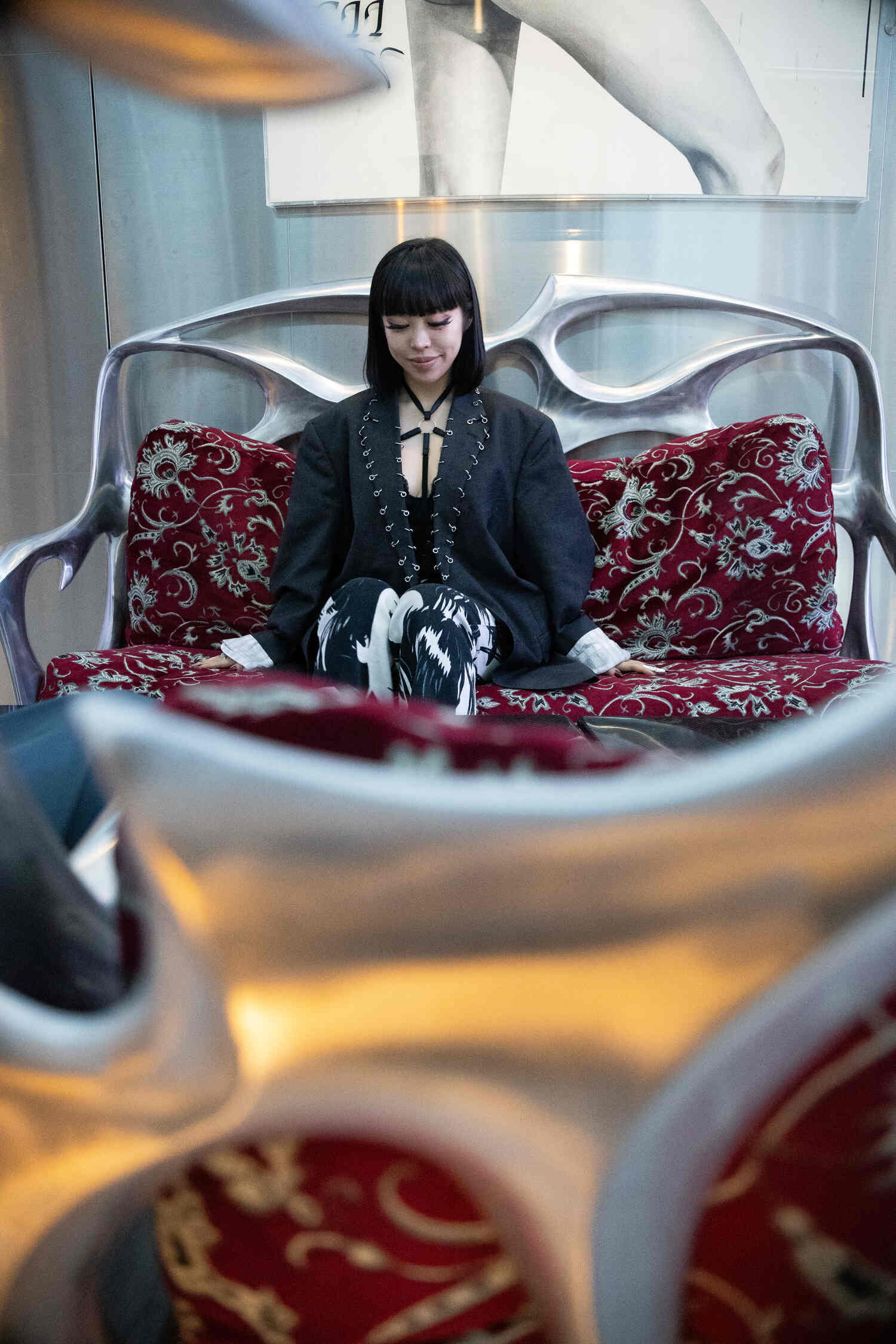
Beni’s work moves between performance and private sessions – two formats that, while distinct, remain equally important. 彼らの活動は、パフォーマンスとプライベートセッションという二つの形式を行き来している。それぞれ異なるが、同じくらい重要なものだ。
“Performance is about visual, music, styling, but sessions are more personal – focused on the individual. I like both.”
「パフォーマンスはビジュアルや音楽、スタイリングが重要ですが、セッションはより個人に焦点を当てたものです。どちらも好きです」と語る。
As Beni prepares for an upcoming European tour, with stops in Amsterdam, Switzerland, and Berlin, their vision continues to travel – crossing not only borders, but perceptions. アムステルダム、スイス、ベルリンを巡るヨーロッパツアーを控え、紅のビジョンは国境だけでなく、人々の認識も越えて広がっていく。
Because in the end, Shibari, as Beni practices it, is not about being bound. It is about being seen. 結局のところ、紅の実践する縛りは「縛られること」ではない。それは「見られること」、そして「見つめられること」なのだ。
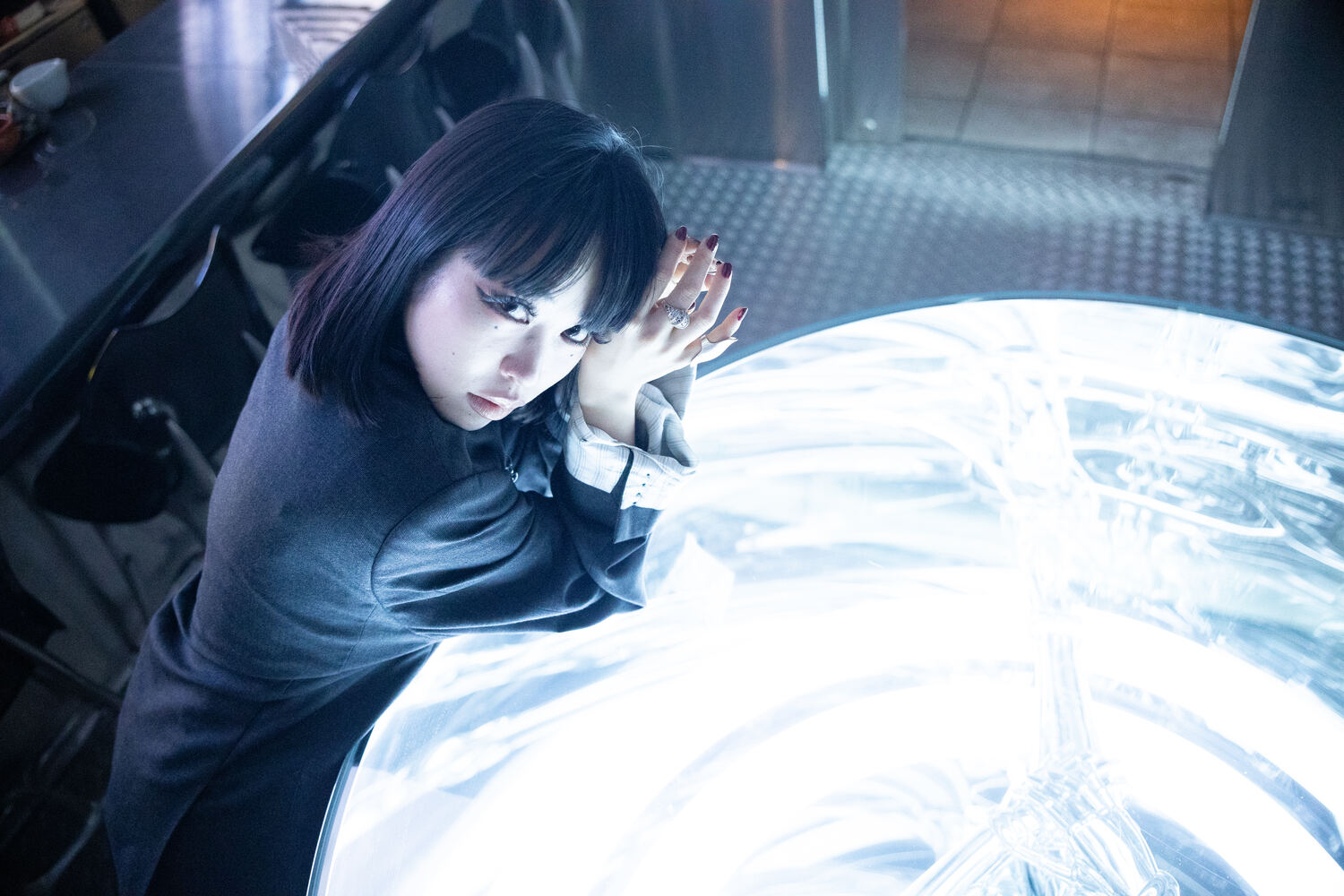
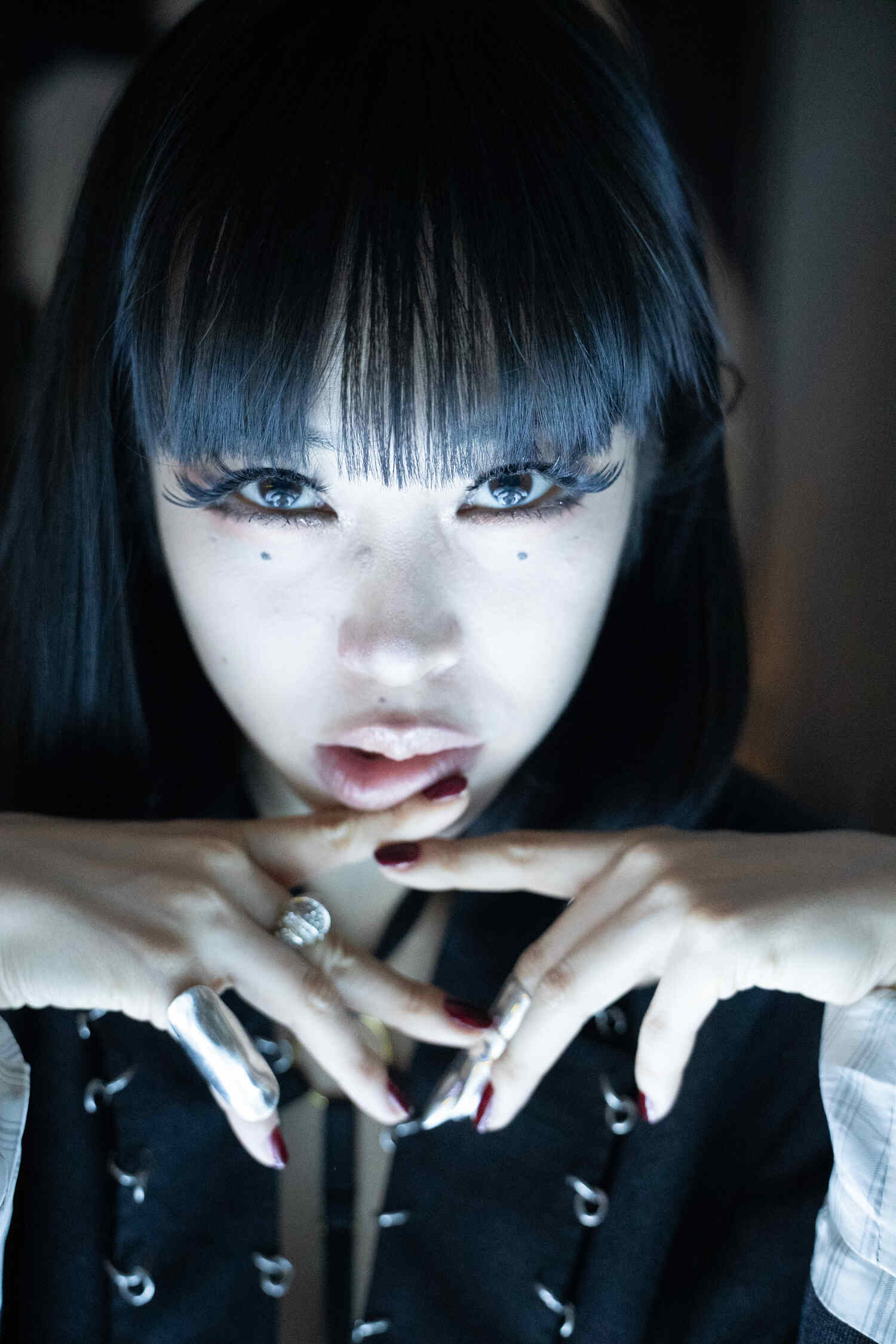
Photos by KEYI STUDIO ( Izabella Chrobok & Grzegorz Bacinski )
Location : “Nanzuka Taken” is a stylish, immersive art bar located in Shibuya, Tokyo, established by the renowned Nanzuka contemporary art gallery including art by hajiime sorayama and designed by Tetsuya Nakamura.
「Nanzuka Taken」は、東京・渋谷にあるスタイリッシュで没入感のあるアートバーで、著名な現代アートギャラリー「Nanzuk」が設立し、空山基の作品も展示され、中村哲也がデザインを手がけています。
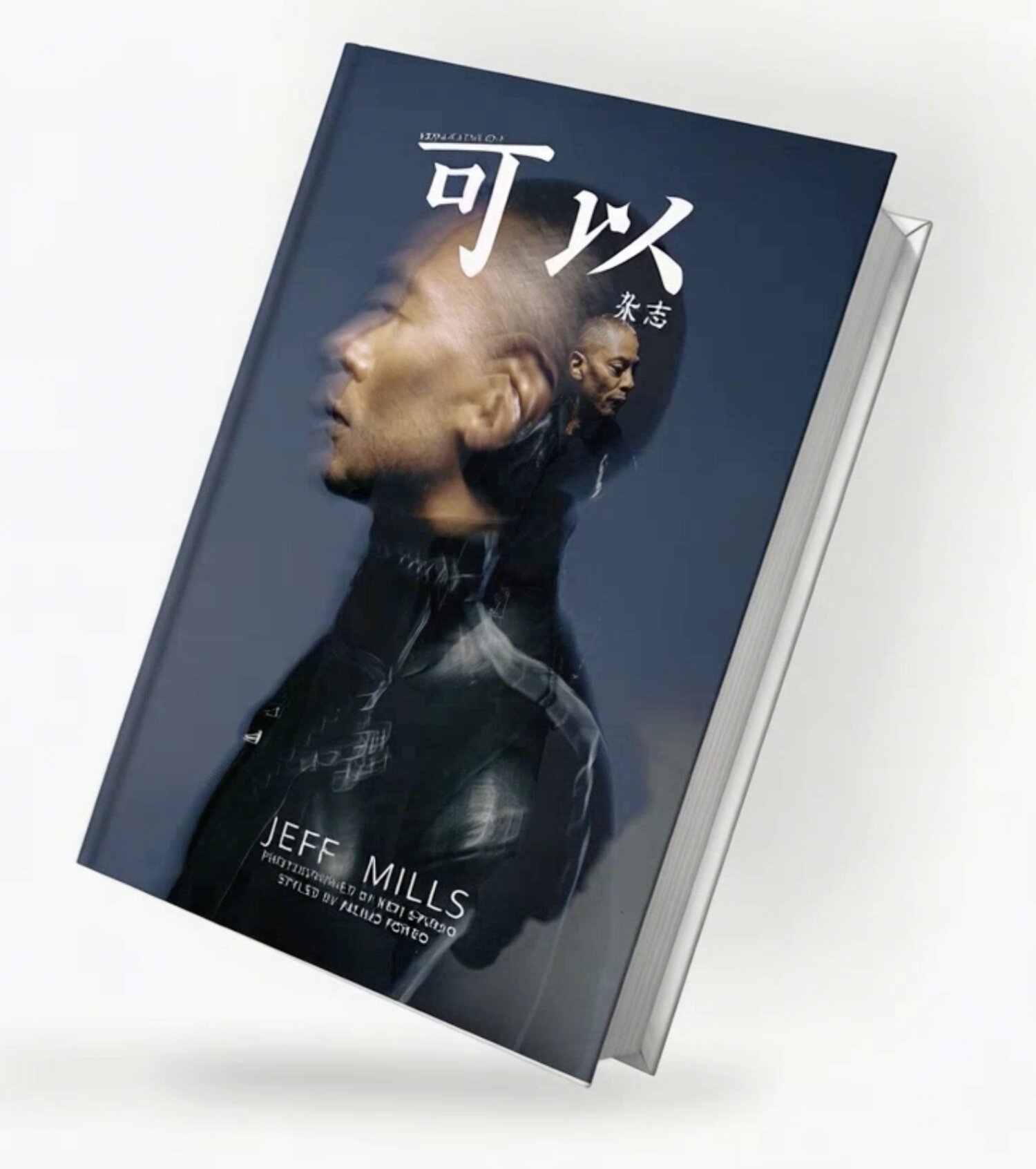
34th issue of KEYI MAGAZINE with JEFF MILLS on the cover