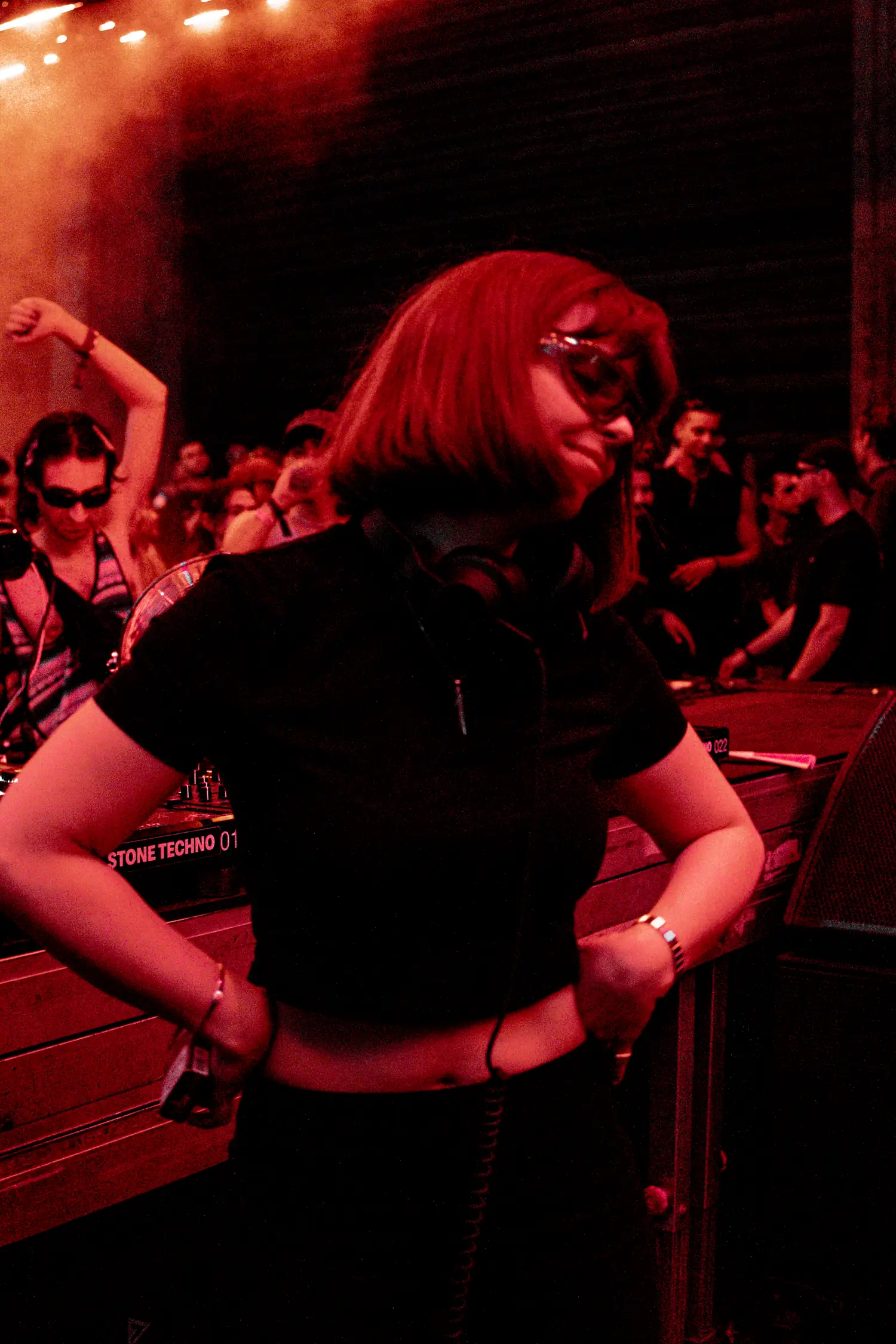
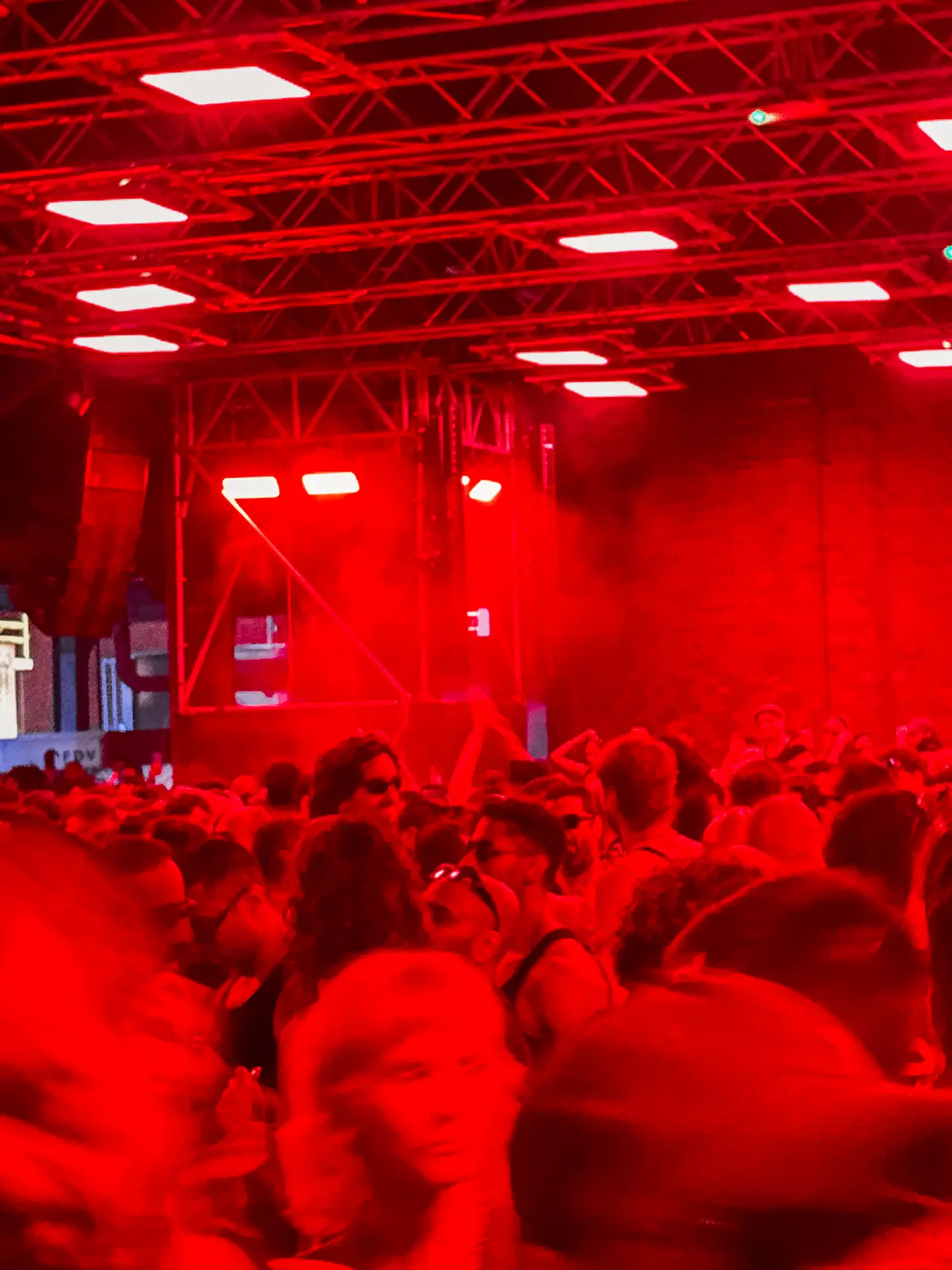
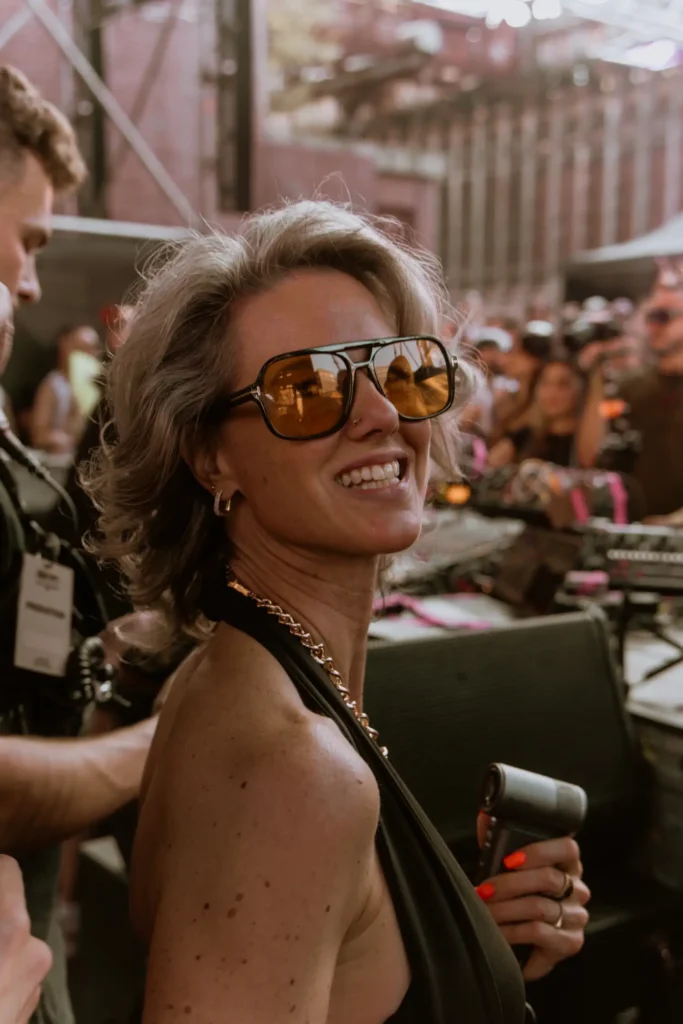
Friday was difficult, the criticism was slightly overrated, but lessons need to be learned. But Stone Techno’s intimate dance floors, exceptional DJs and extraordinary industrial setting still gave us hell of the way of celebrating.
Free drinking water was available at dedicated water bars, an important decision during a hot and physically demanding weekend, even if access to those facilities was strained at busy moments. The festival acknowledged that Friday had not delivered the experience it wanted, and conditions improved as the weekend continued.
There are festival locations, and then there is Zollverein.
Mistakes happen when ambitious cultural projects grow. What matters now is how clearly the organisers understand those mistakes and what they change before the next edition. Accountability is not about pretending everything was perfect; it is about listening, responding and doing better.
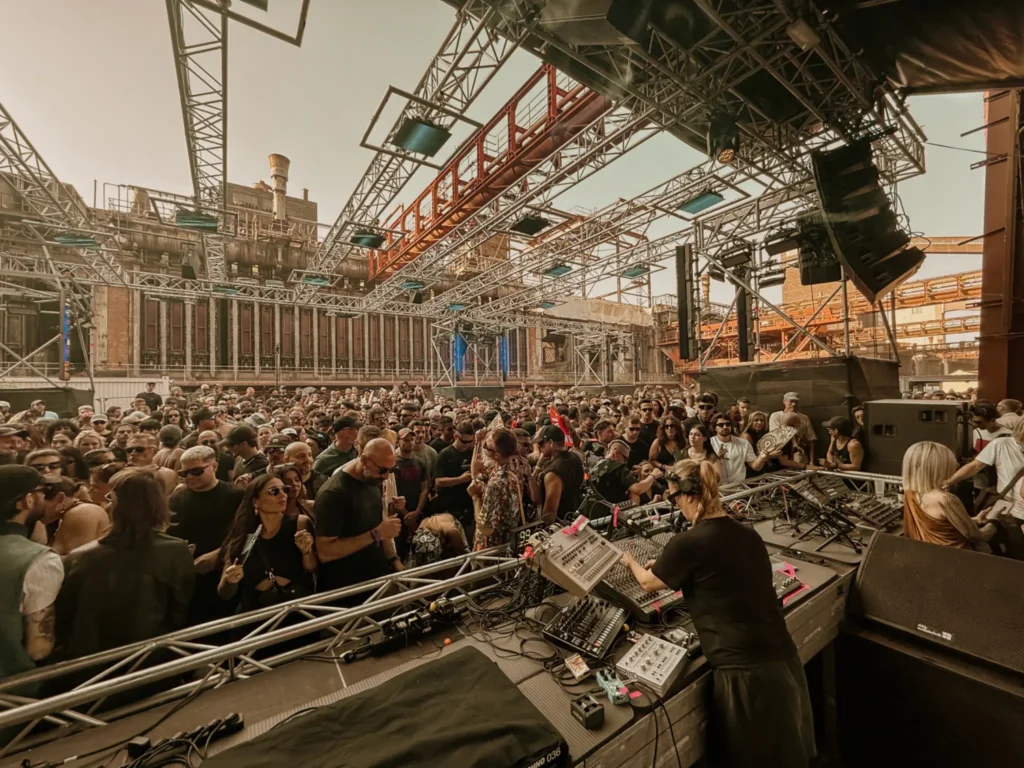
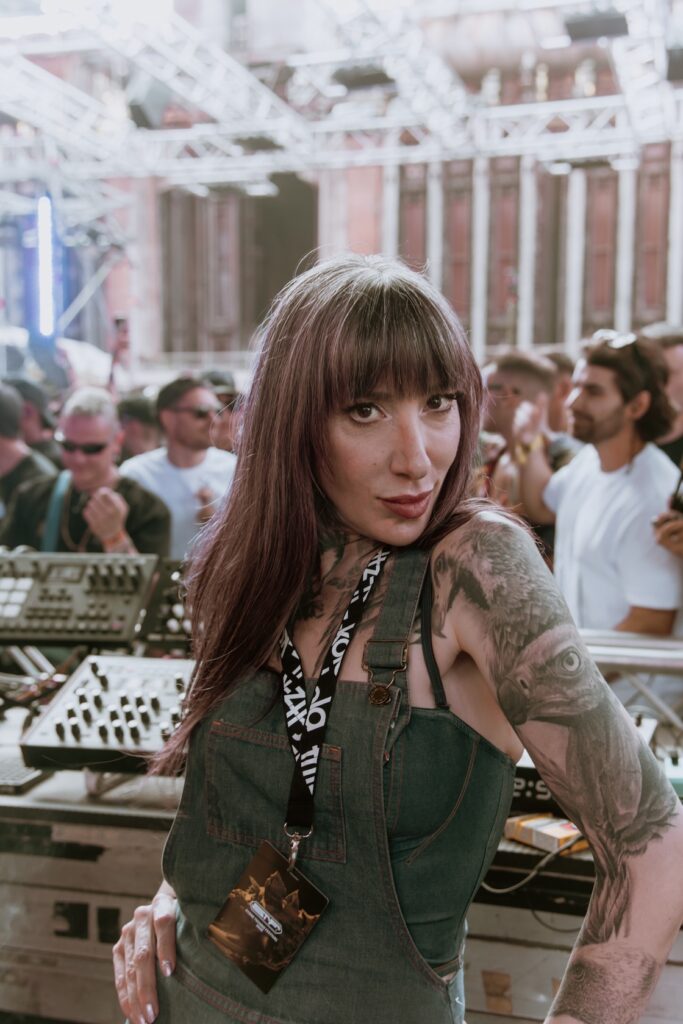
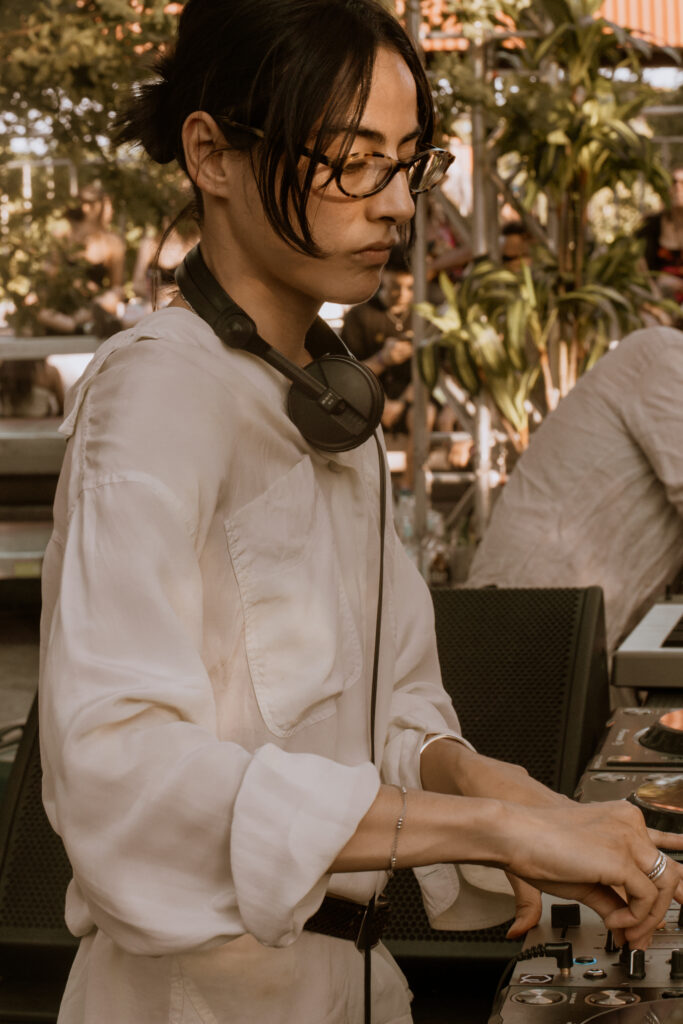
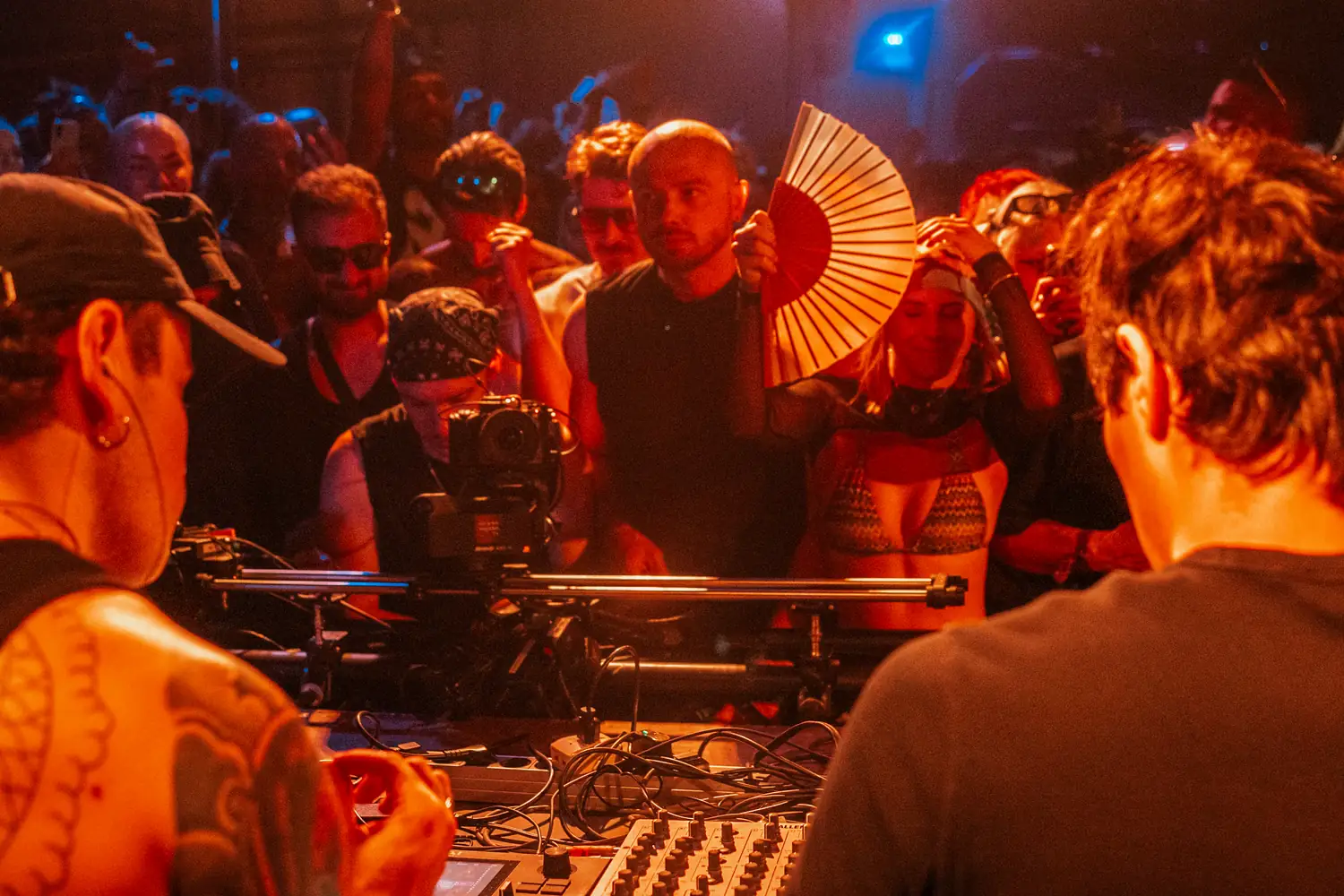
Dasha Rush and her exceptional performing
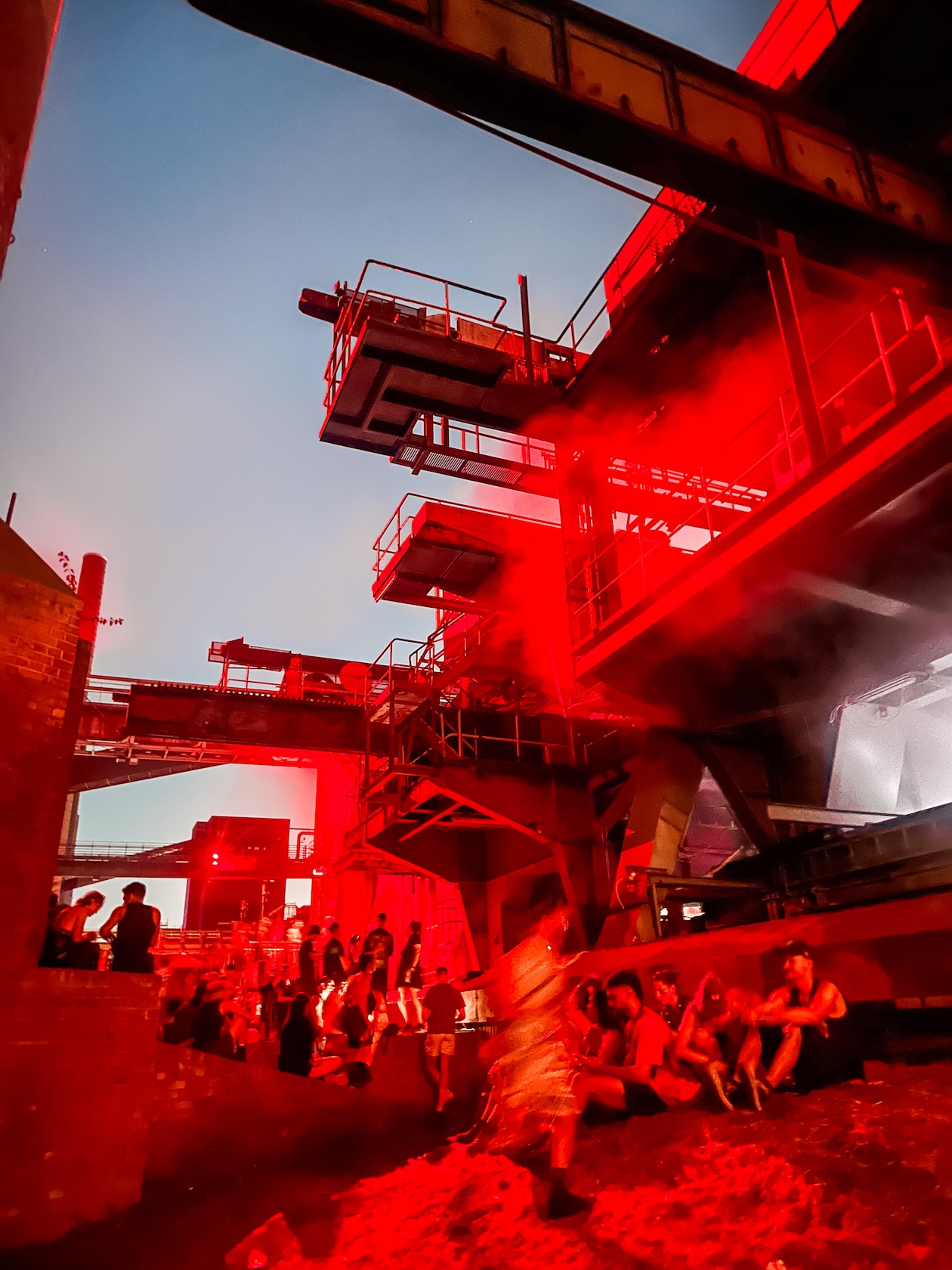
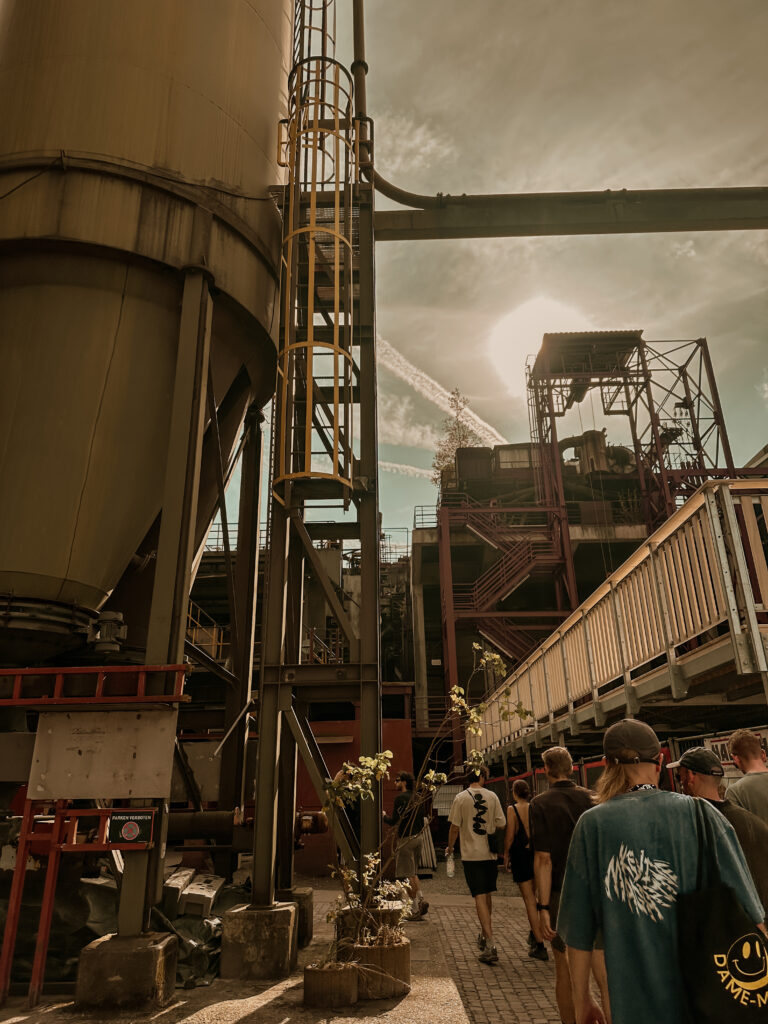
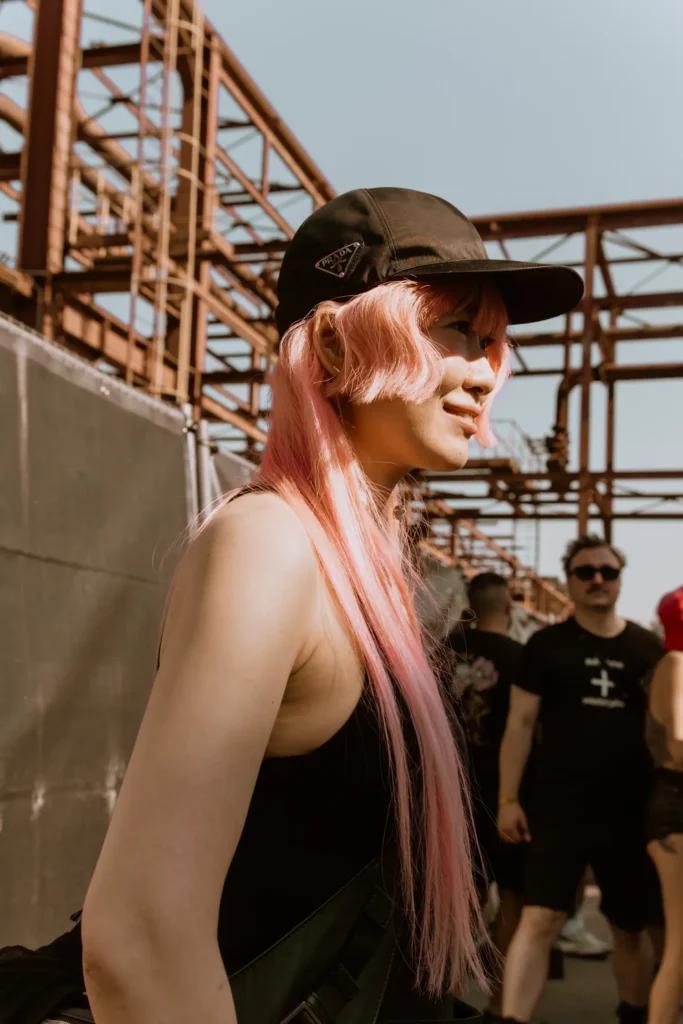
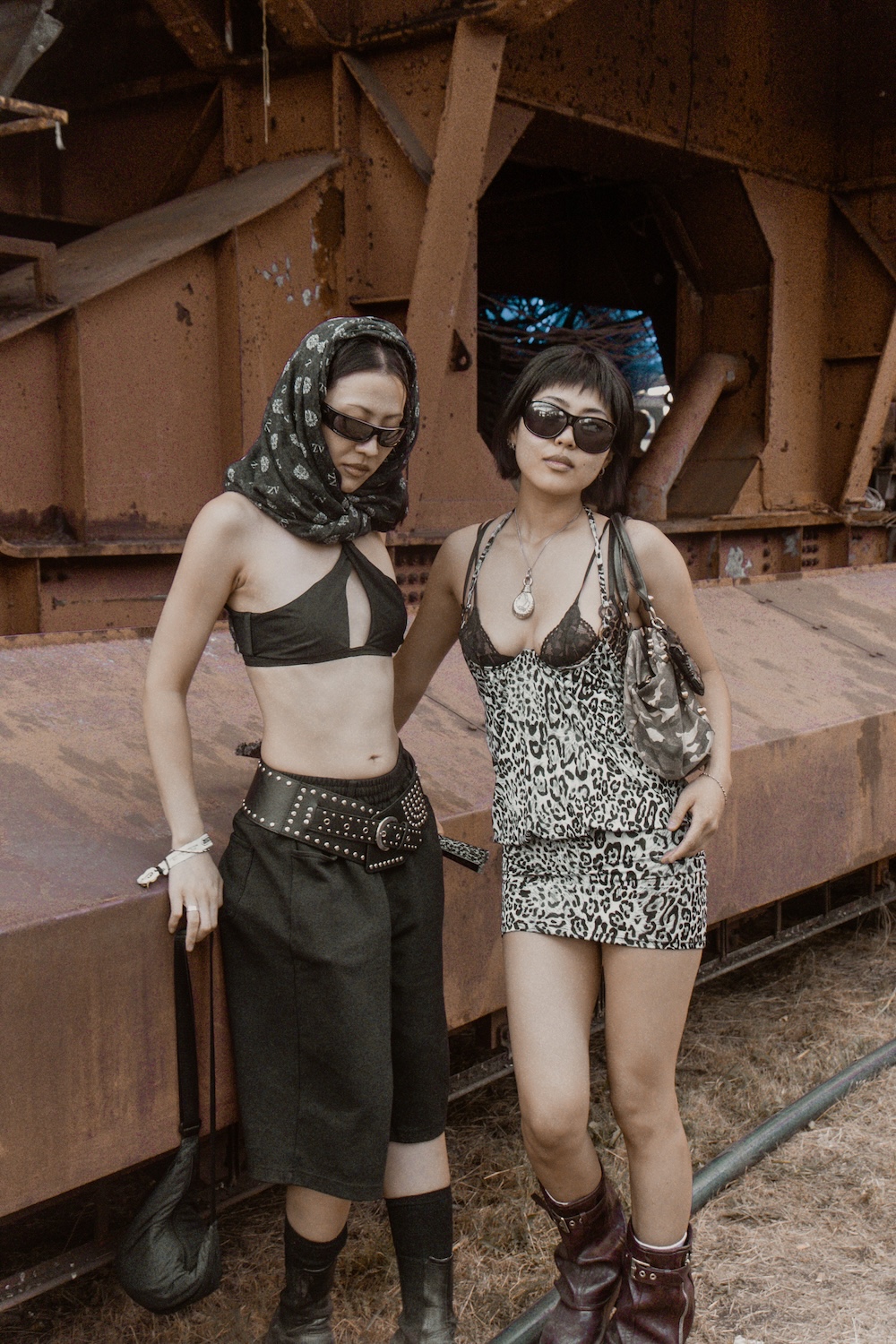
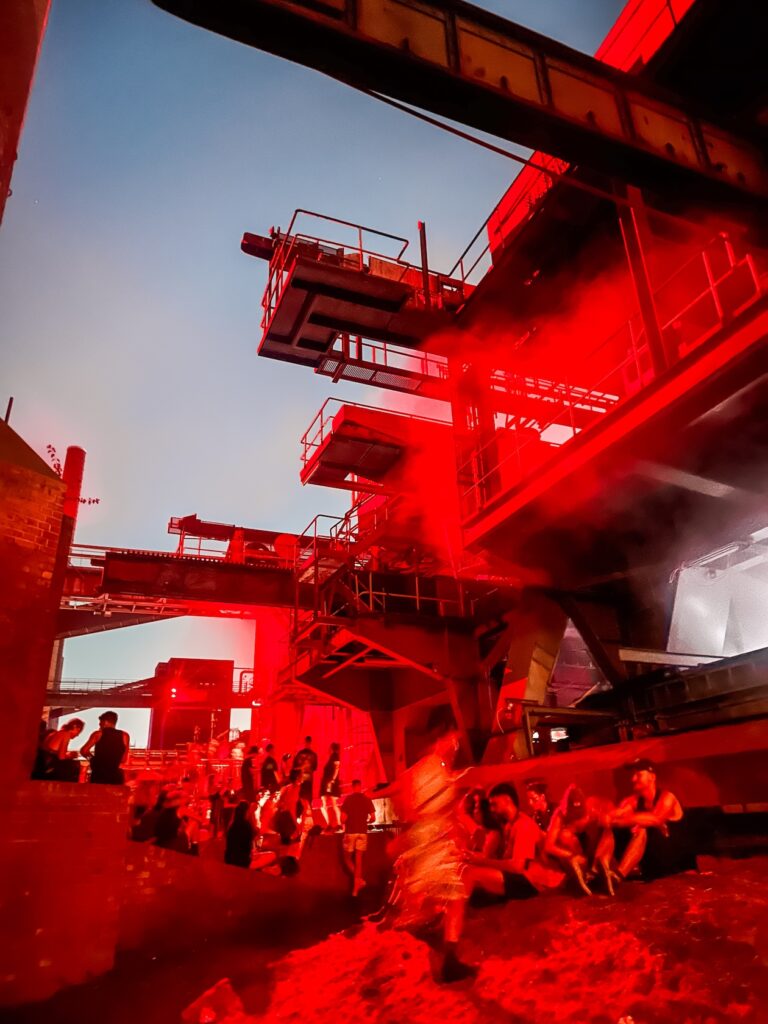
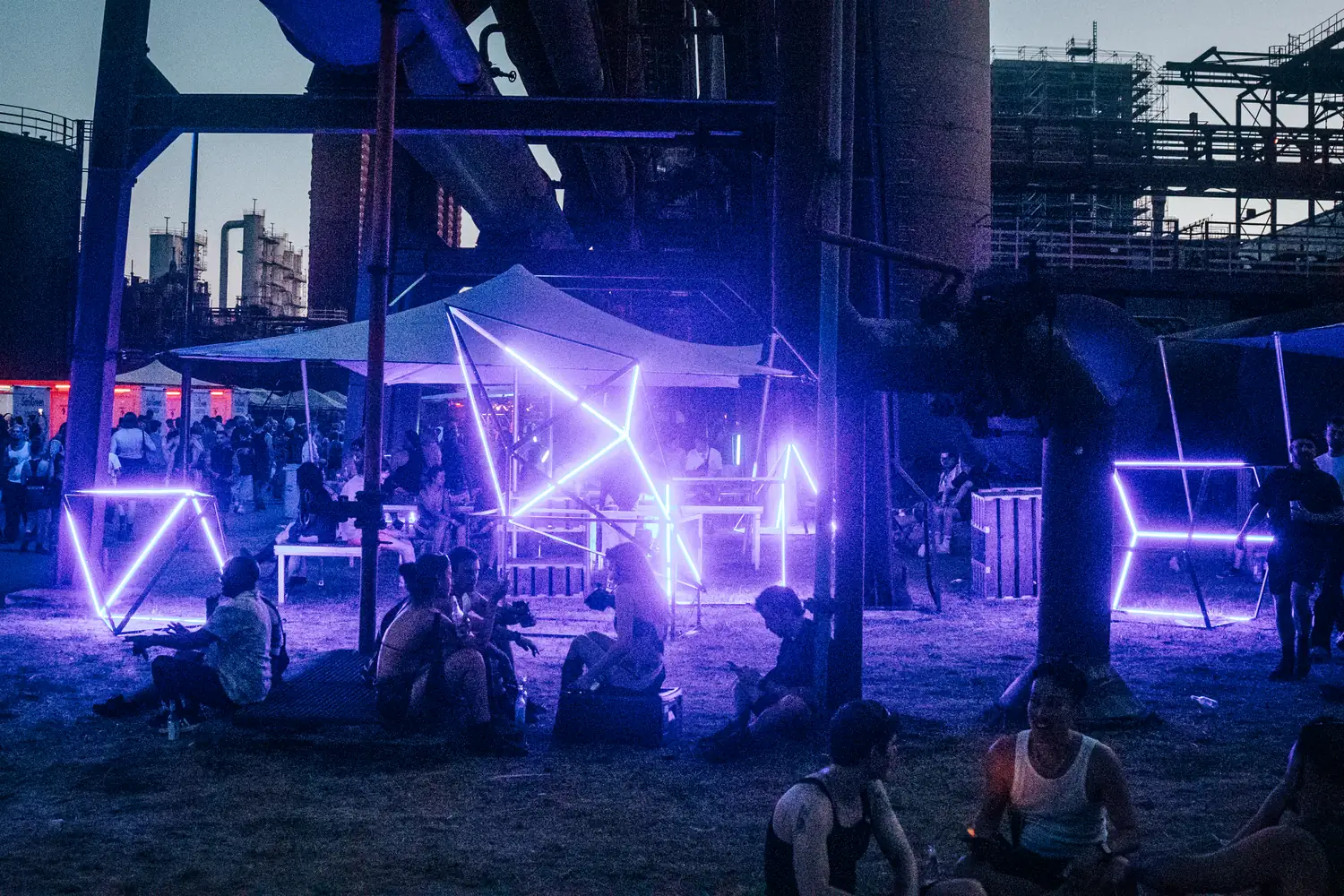
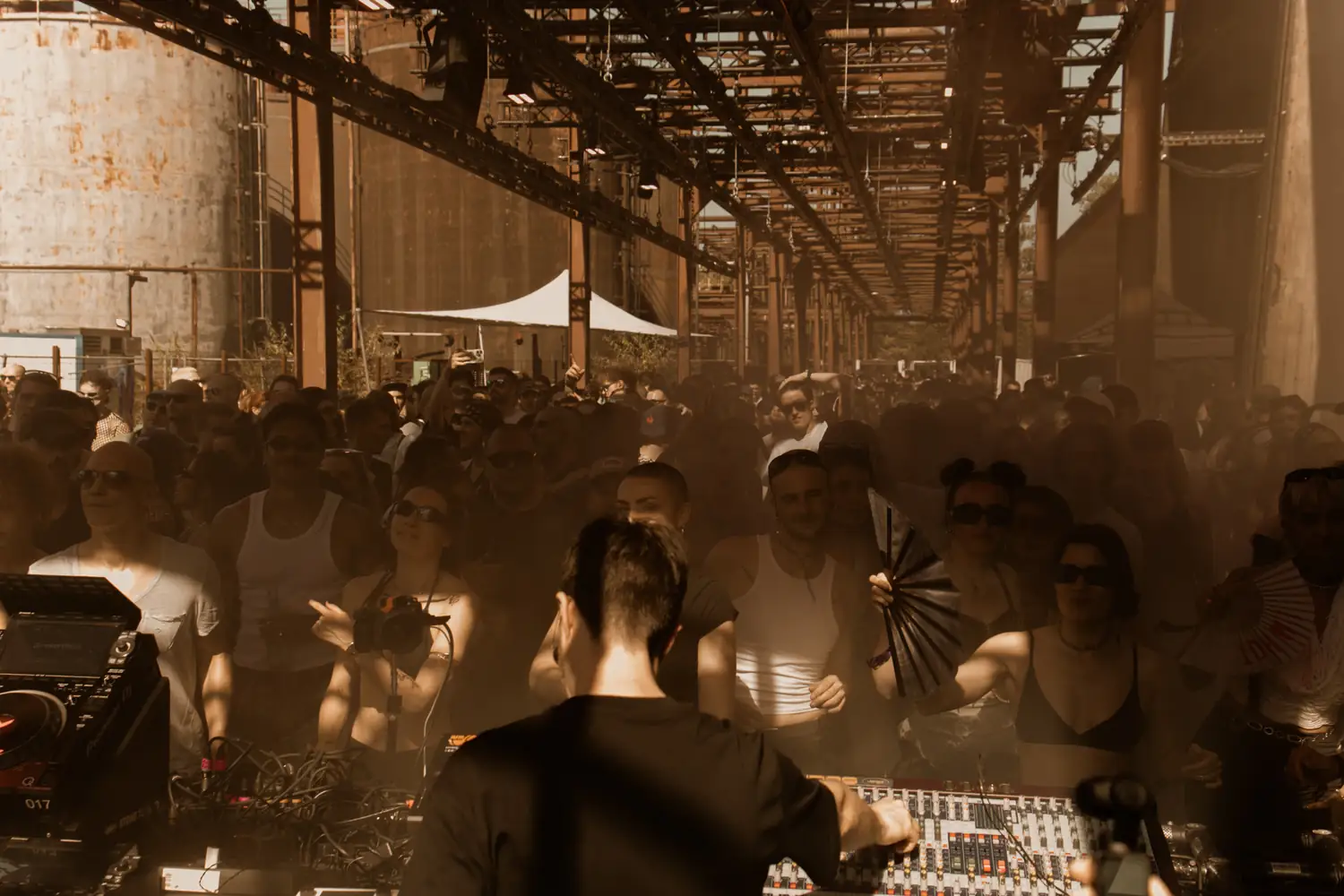
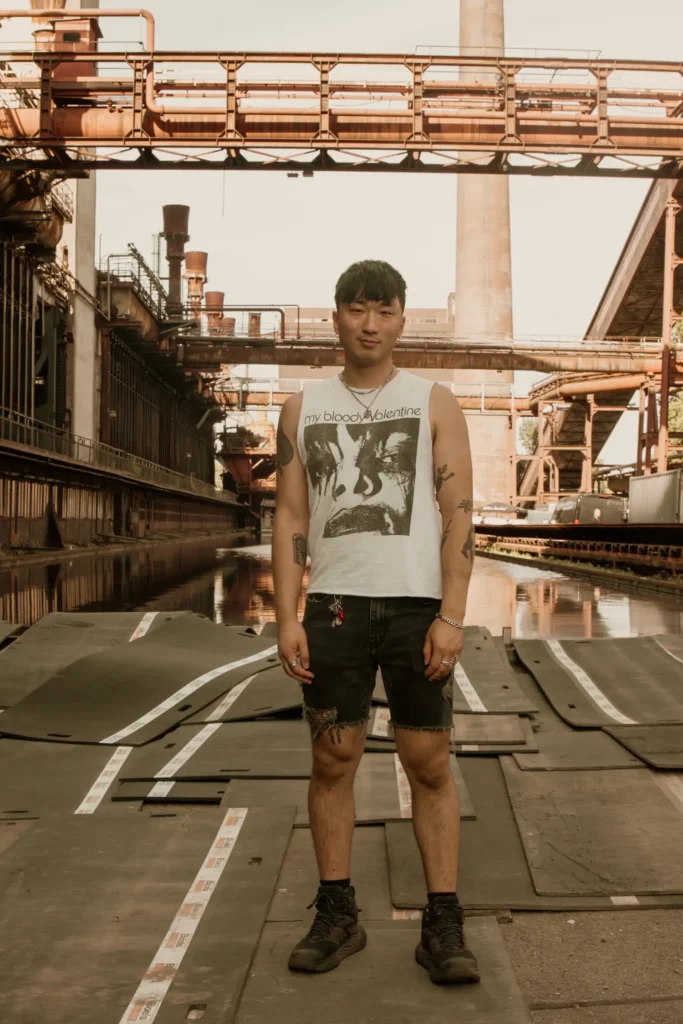
The former coal-mining complex in Essen does not simply provide a backdrop for Stone Techno – it gives the festival its entire language. Towering steel structures cut across the sky, pipes twist between red-brick buildings, and concrete passages lead towards pockets of sound hidden throughout the UNESCO World Heritage Site. The Ruhr region’s industrial past is everywhere, but Stone Techno transforms it into something alive, collective and forward-looking. But its not only a location its also underground which is the Stone which is exactly there, and the legend itself Dr. Achim G. Reisdorf one of the cofounders is developing that part.
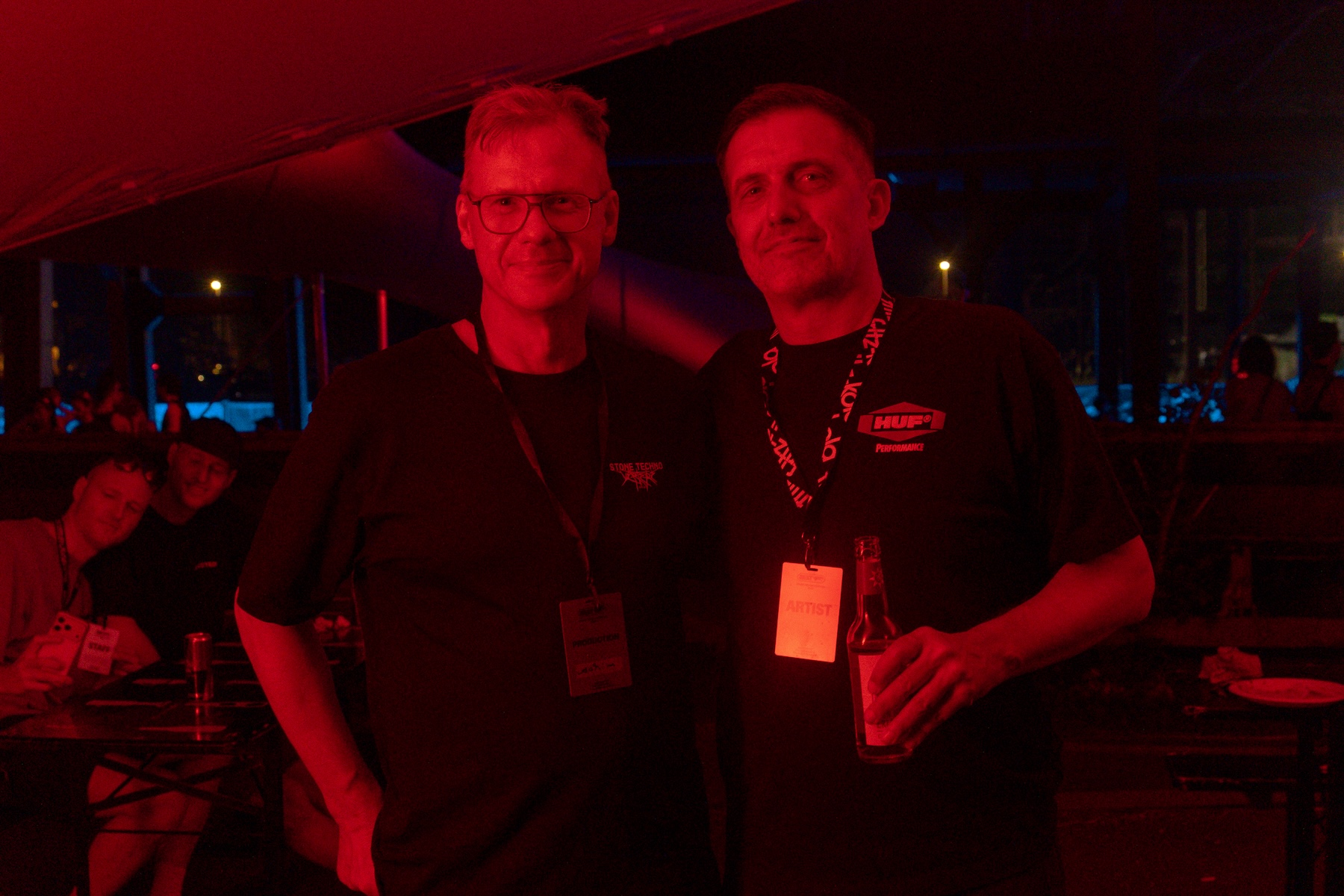
Dr. Achim (geologist Dr. Achim G. Reisdorf) and techno DJ/producer Freddy K are key collaborators behind the Stone Techno Festival and music series at the Zeche Zollverein in Essen, Germany, where industrial electronic music merges with natural stone and mineral soundscapes. This year, Freddy K curated one of the festival floors while also contributing to the Curation Series with an exclusive vinyl release showcasing his distinctive vision both behind the decks and beyond.
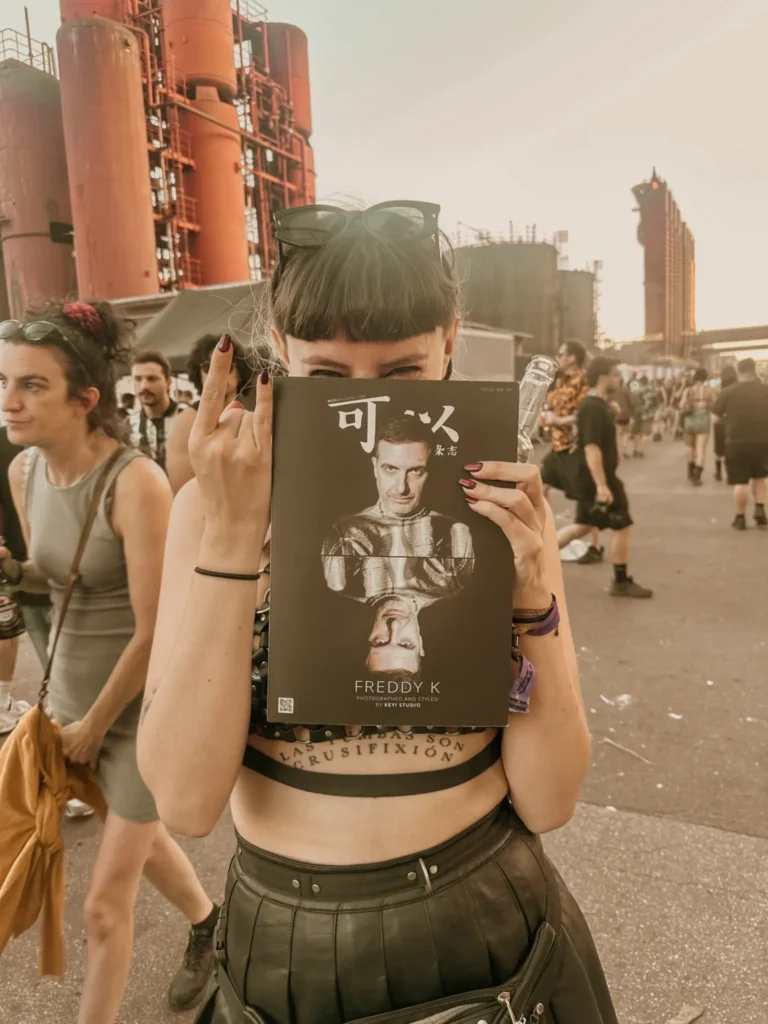
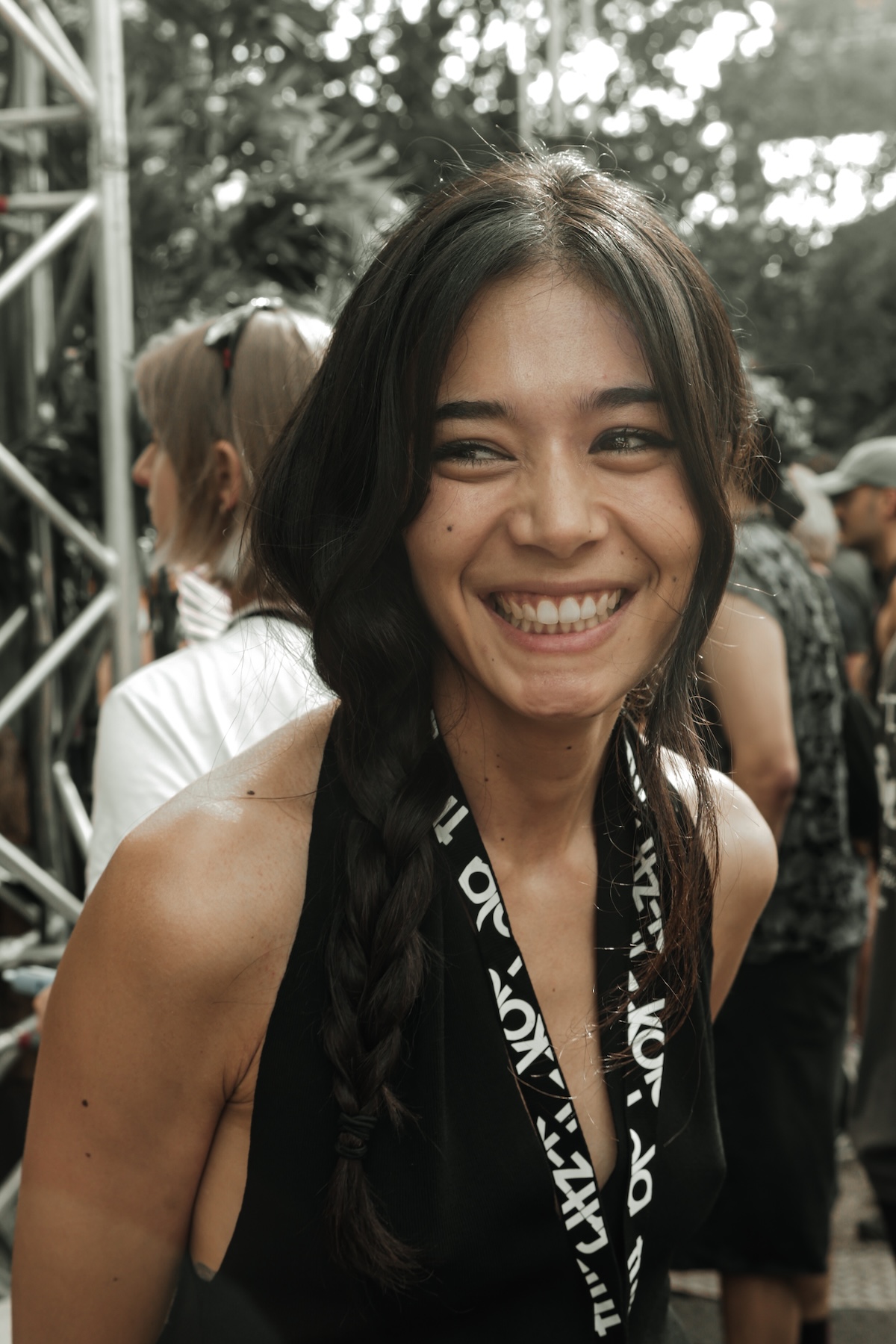
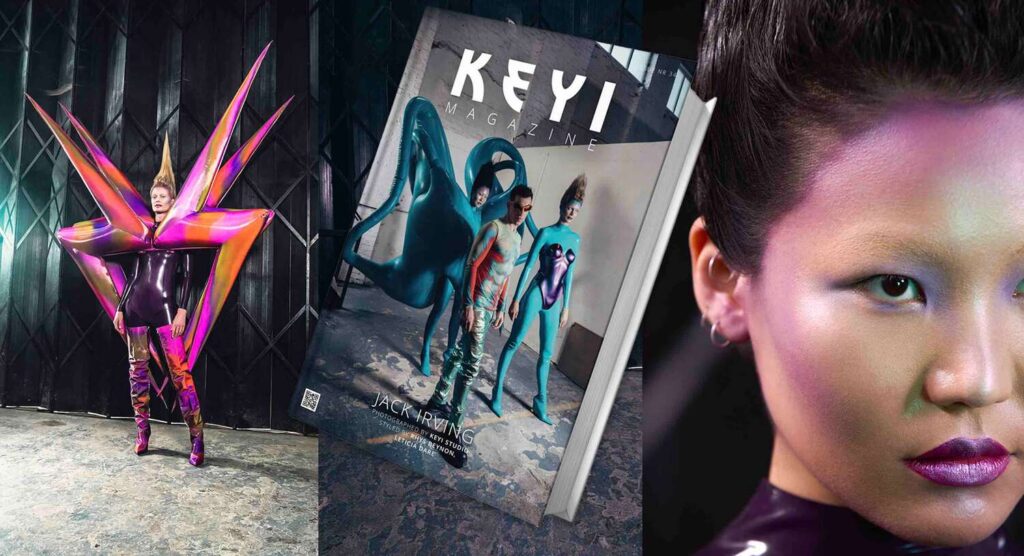
Between performances, some festivalgoers were even ready to slow down, take a break from the dance floor and dive into the latest print edition of KEYI Magazine. Here is our Colombian friend holding the issue featuring techno legend Freddy K as its cover story a perfect meeting of music, community and independent publishing.
While much of the post-festival conversation focused on organisation, the artistic programme itself was exceptional.
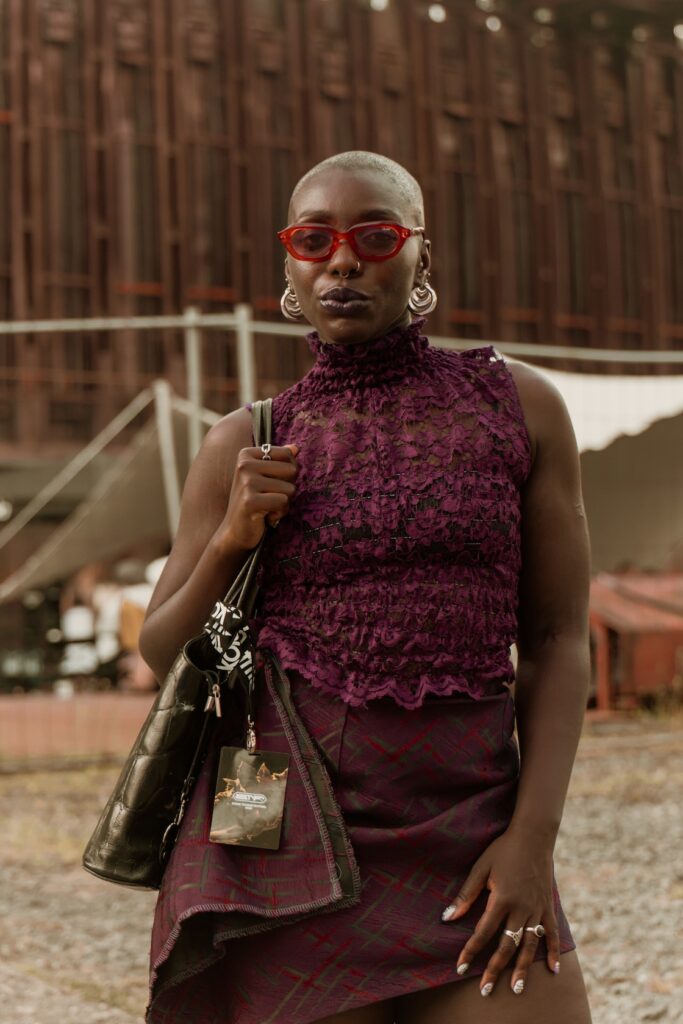
AkuaLady StarlightLady Machine
More than 100 artists moved across the festival’s different environments, with a lineup that treated techno as a wide and constantly evolving language. DVS1, Freddy K, Oscar Mulero, Philippa Pacho, Luigi Tozzi, Barker, Tauceti,Neel b2b Marcal, Kangding Ray, Amotik b2b Lea Occhi,, Colin Benders and Dasha Rush were among the artists contributing to a weekend that moved between hypnotic depth, rolling groove, heavy pressure, experimentation and live performance.
Dvs1
The strength was not simply in collecting major names. It was in how the program allowed contrasting sounds to coexist.
A forceful peak-time set could be followed by something slower, stranger or more atmospheric. One floor might be locked into muscular percussion while another explored texture and abstraction. The new Listening Floor offered another route through the festival less about constant impact and more about concentration, curiosity and giving sound room to breathe.
That freedom made wandering part of the experience. You could arrive at a stage intending to stay for ten minutes and remain for an entire set. Some of the weekend’s best moments came without planning: turning a corner, hearing a baseline echo between industrial walls and following it into a crowd already completely absorbed. It was definetely a meeting point ! We love it !
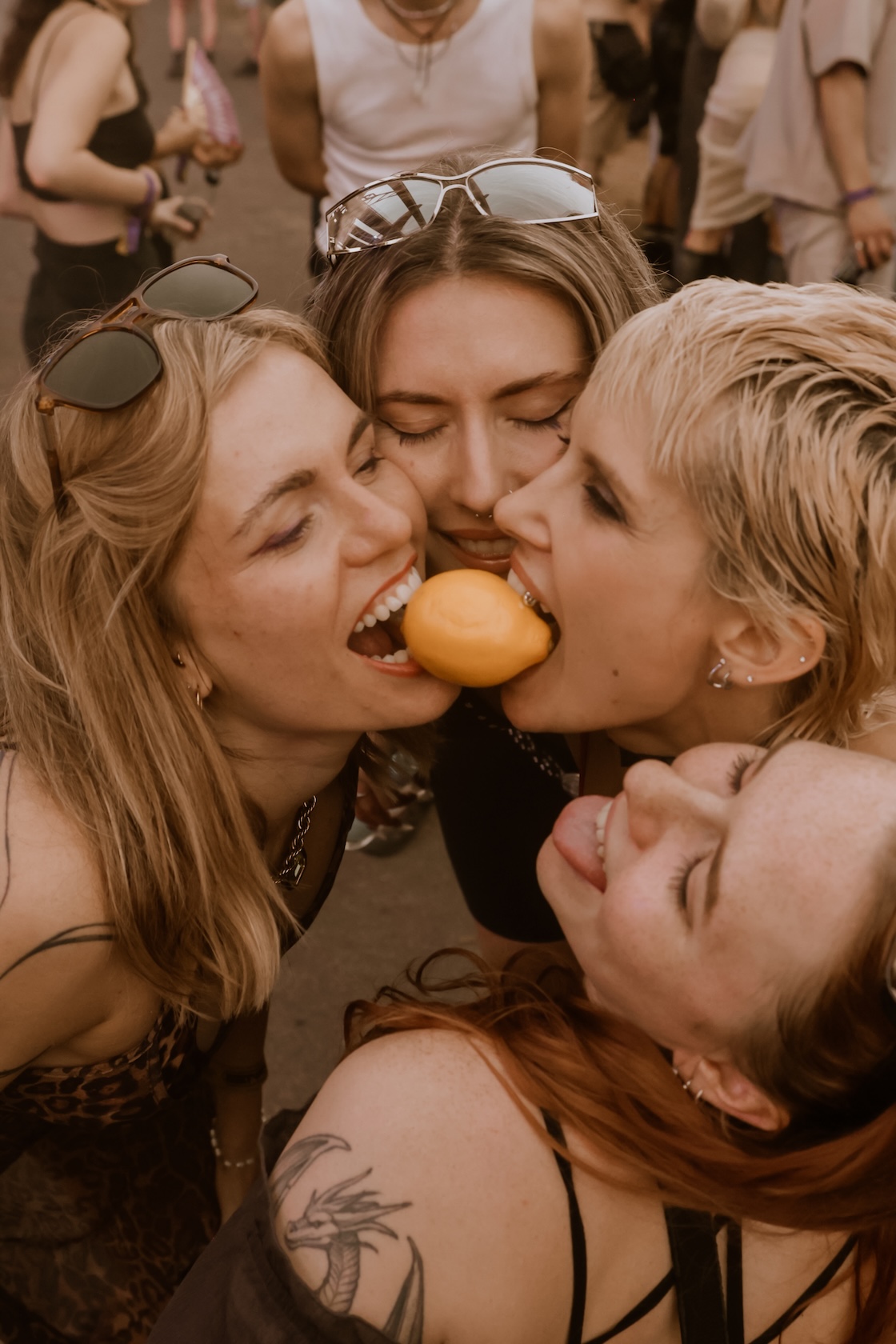
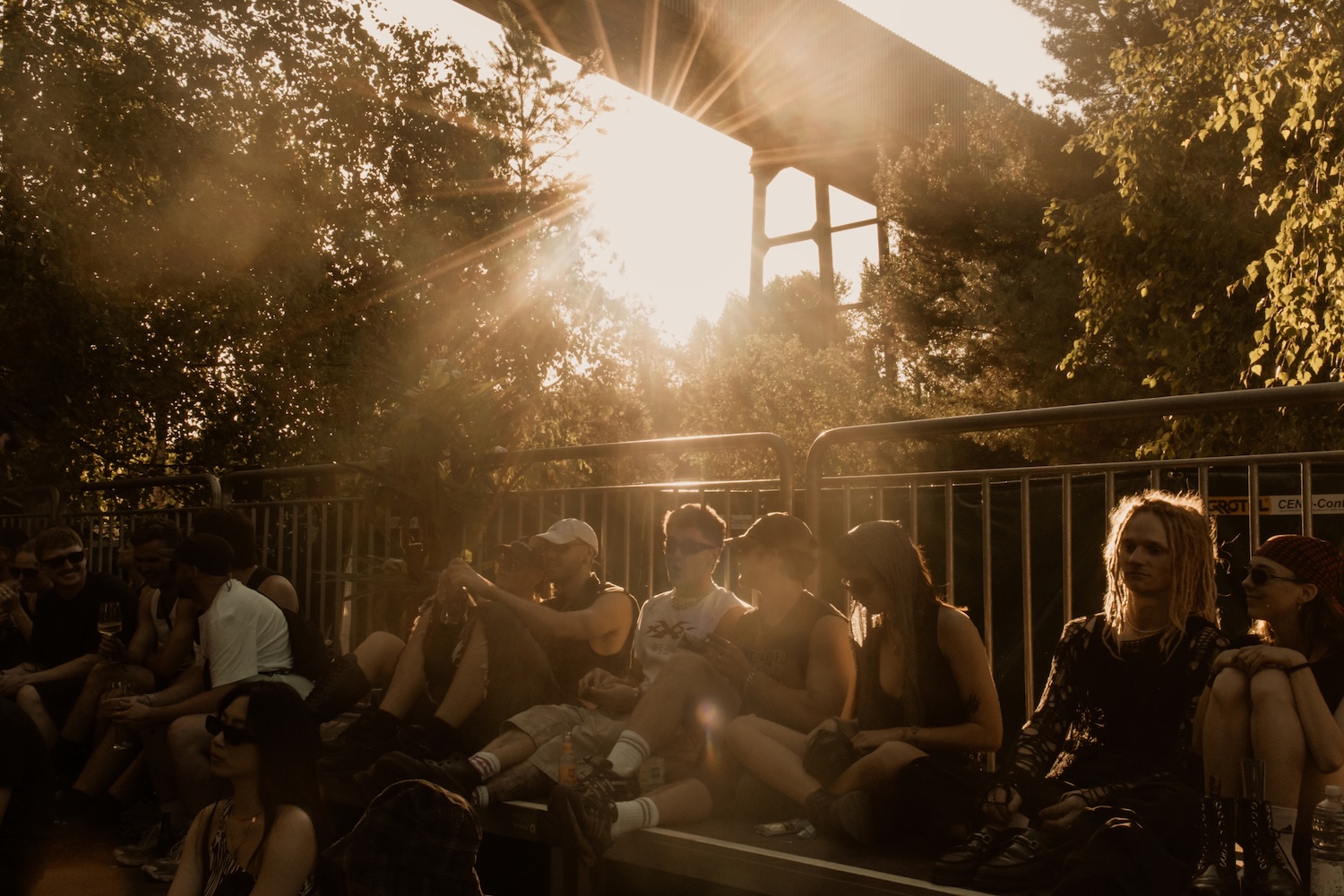
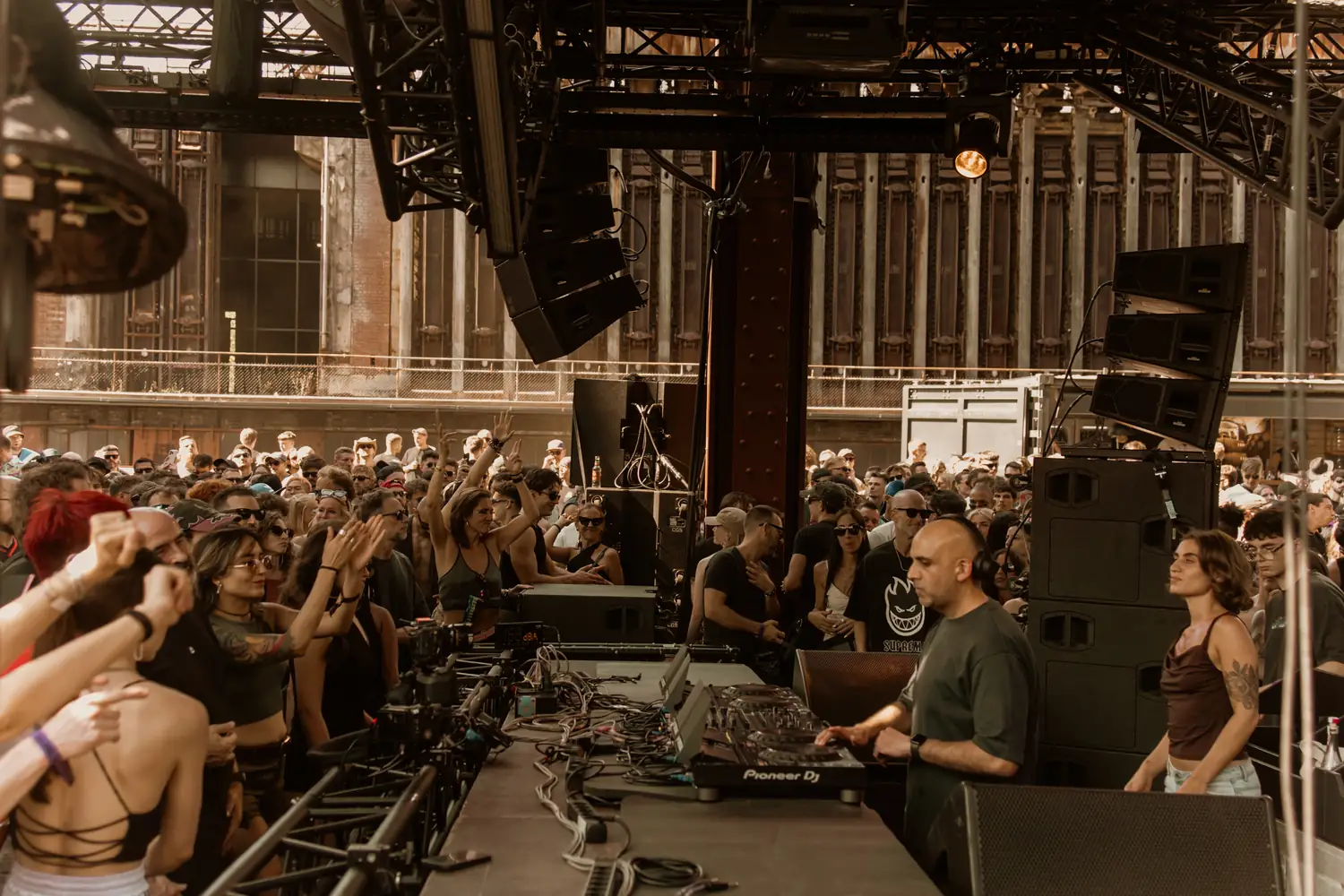
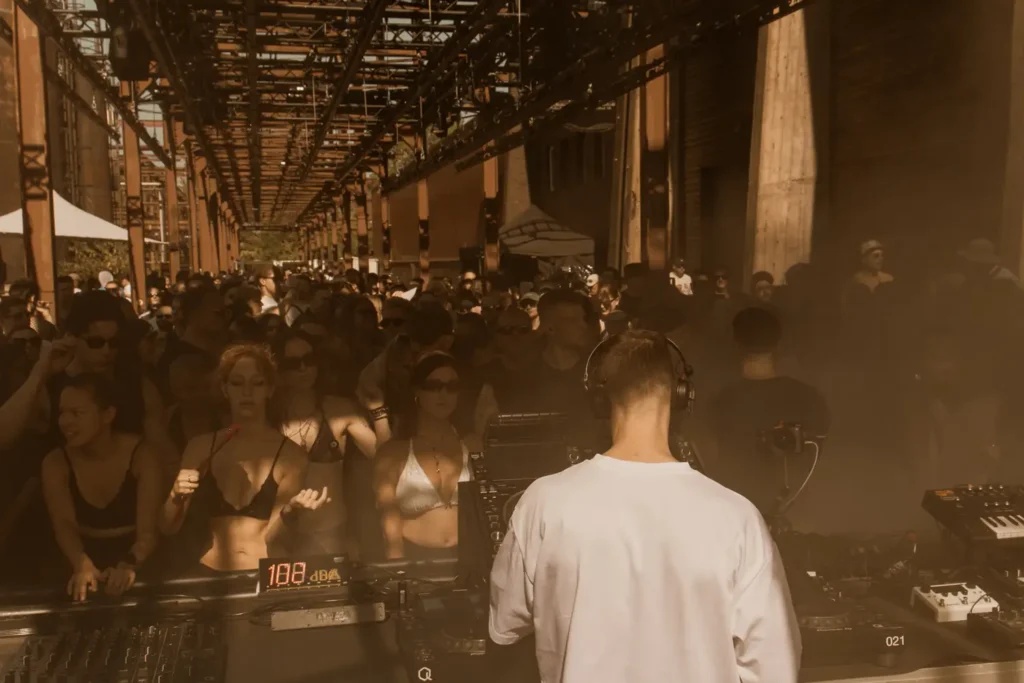
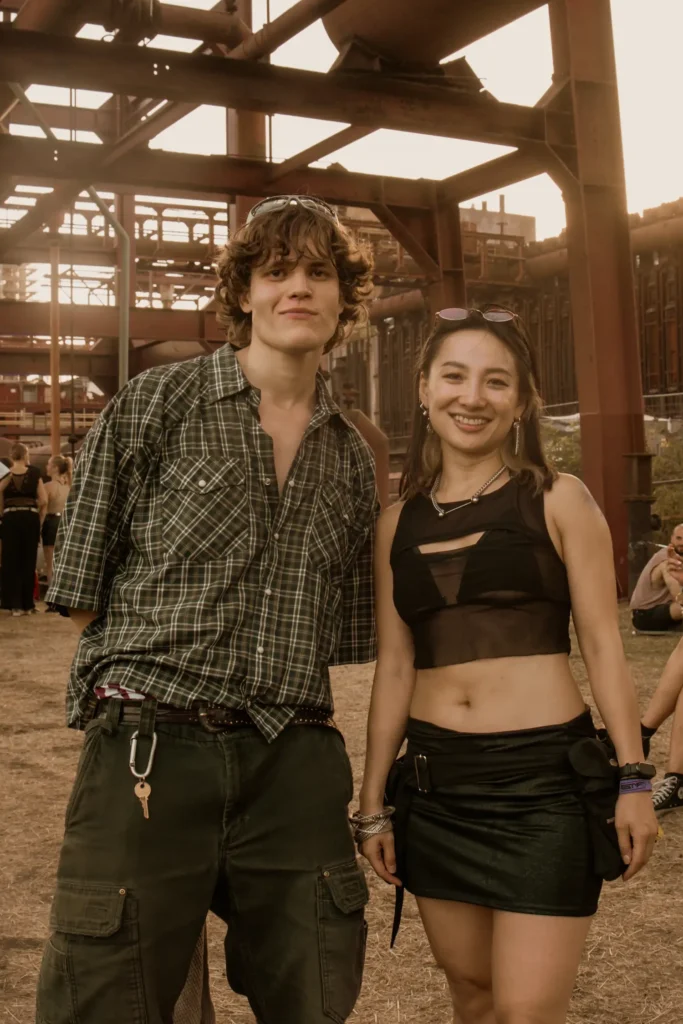
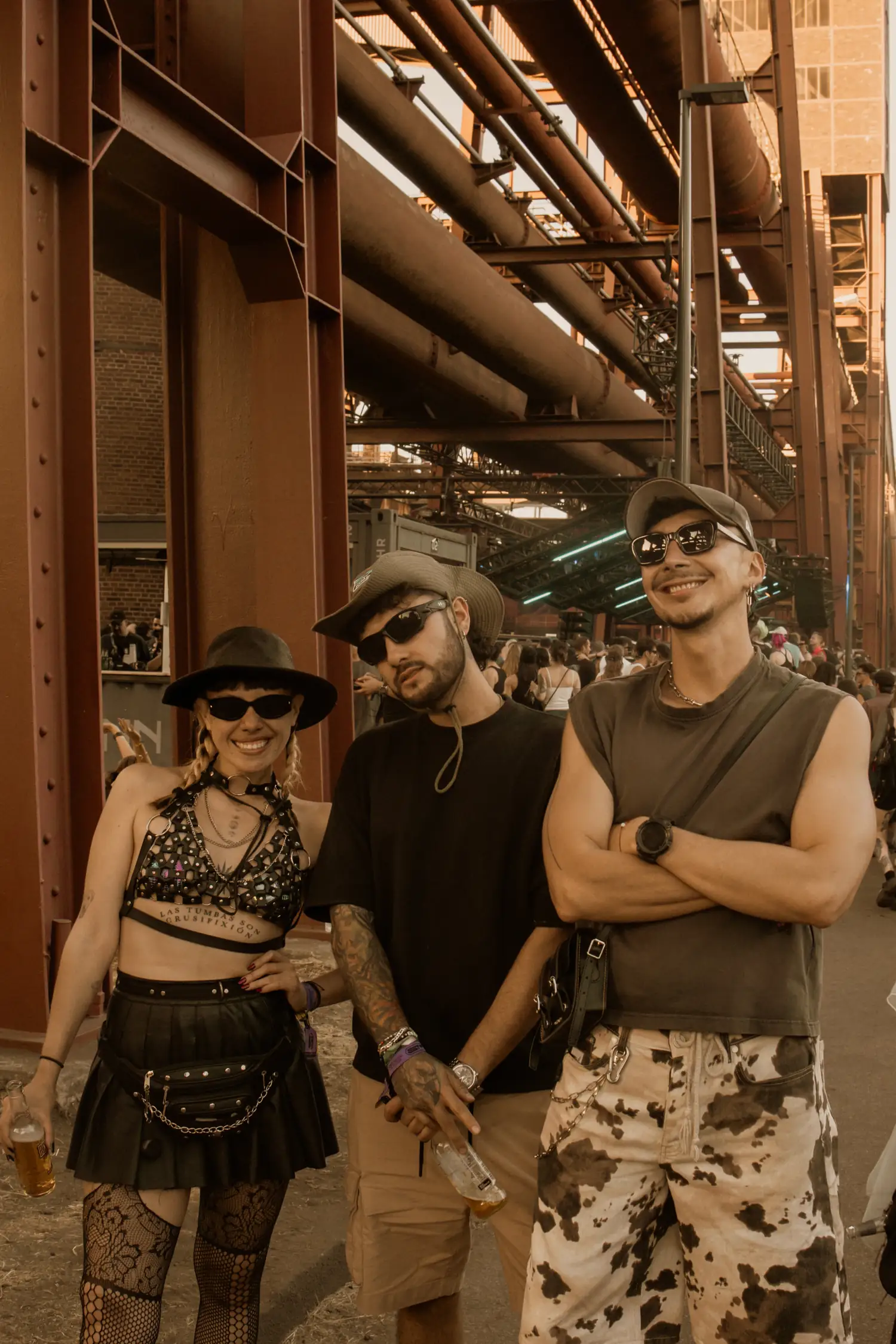
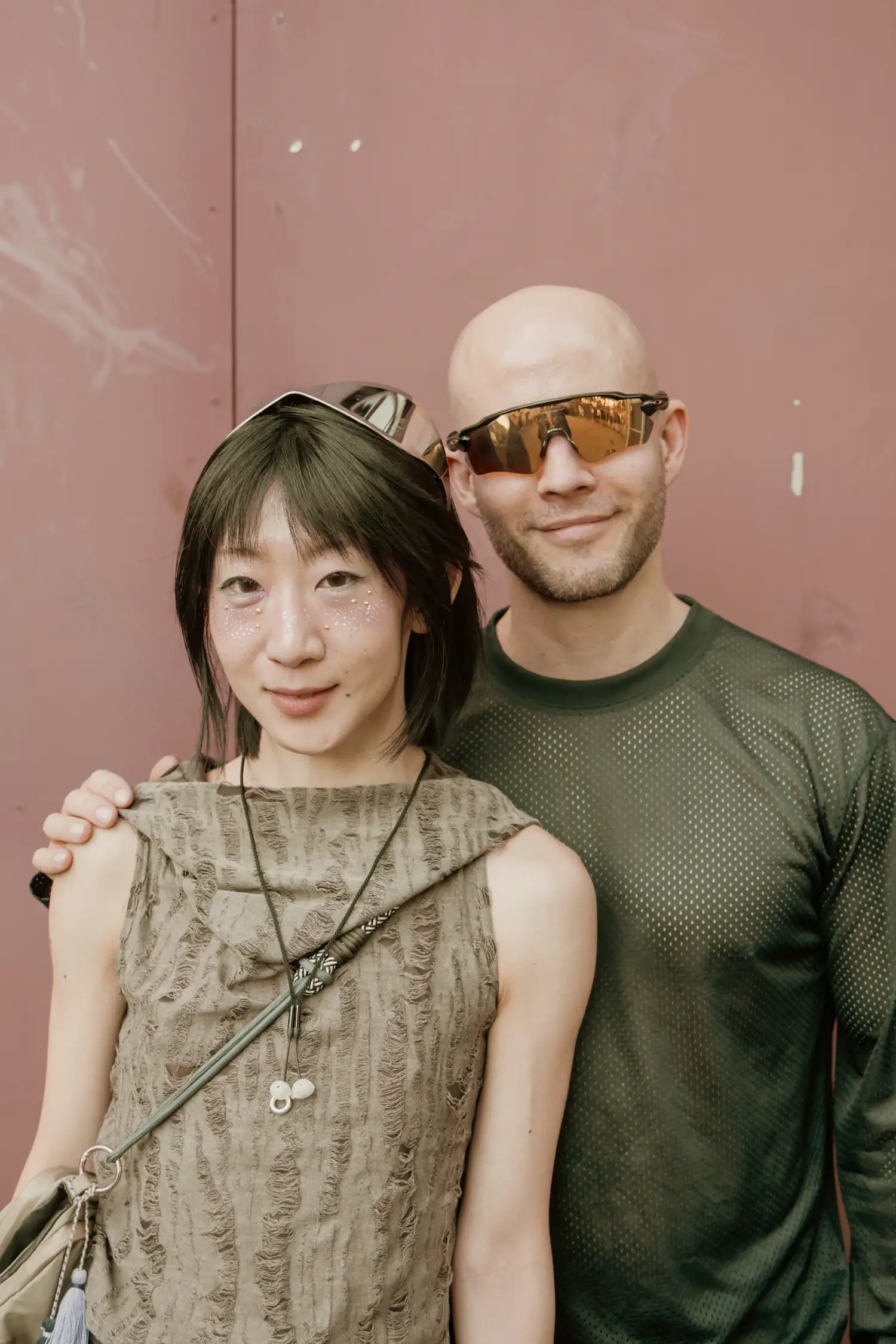
This is where Stone Techno’s size becomes an advantage. Despite its international reputation, the festival can still produce moments that feel personal. There is enough happening to encourage movement, but the floors remain close enough for encounters to repeat. You recognise people from earlier in the day. Artists appear among the audience. Conversations begin in queues and continue hours later beside another stage.
Electronic music grew from intimate spaces: clubs, basements, warehouses and temporary rooms where the boundary between performer and audience was never especially important.
Stone Techno carries some of that spirit into an outdoor festival.
There is no single stage presented as more important than the others. The architecture creates natural rooms, each with its own atmosphere, and the dancers complete them.
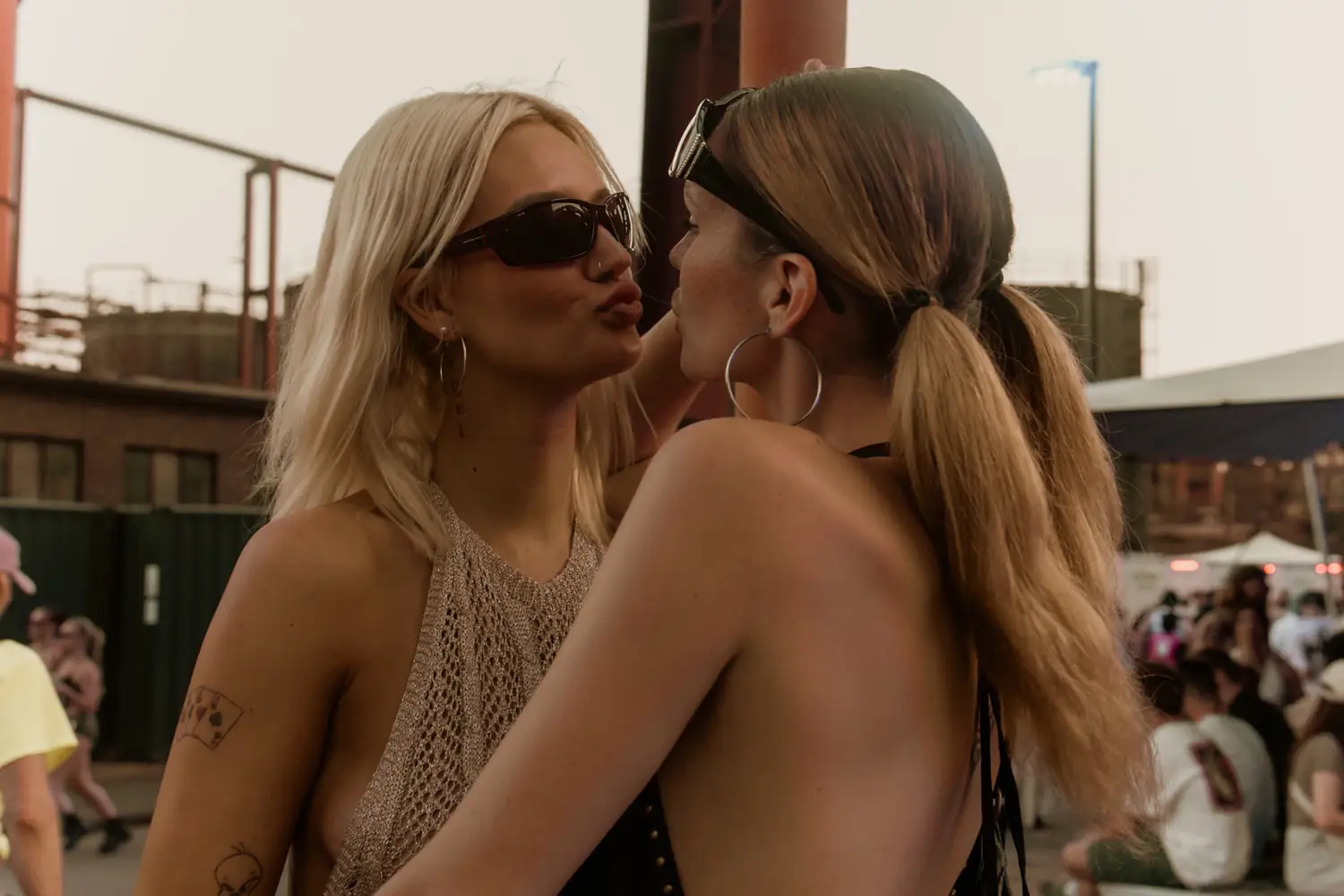
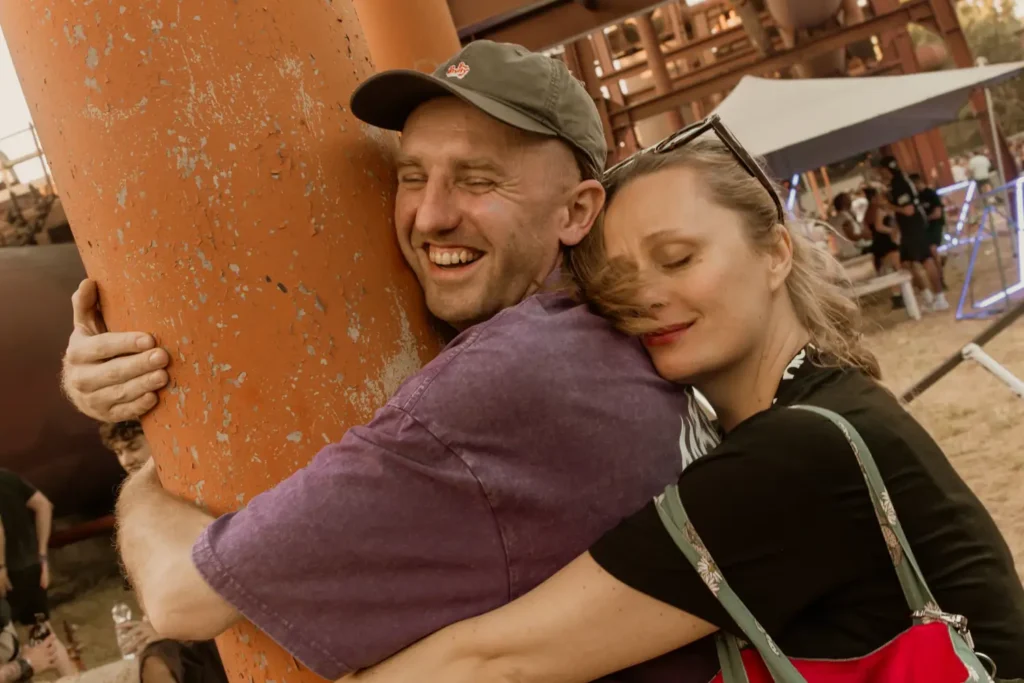
It feels like a family reunion…
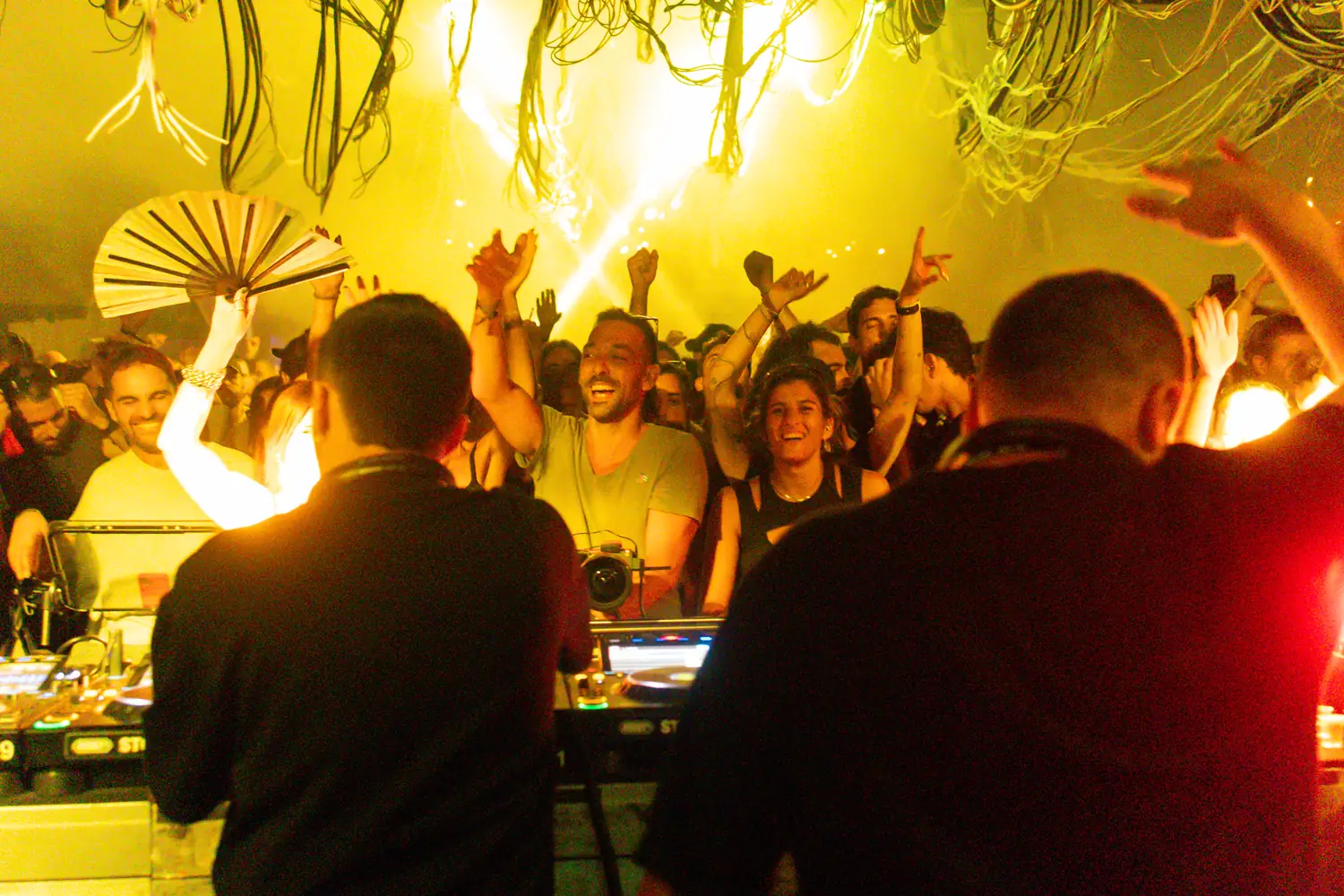
That closeness produces a particular kind of energy. People are more aware of one another. A DJ can read the floor in real time. Small changes in rhythm travel immediately through the crowd.
It is the opposite of watching a tiny performer on a stage hundreds of metres away.
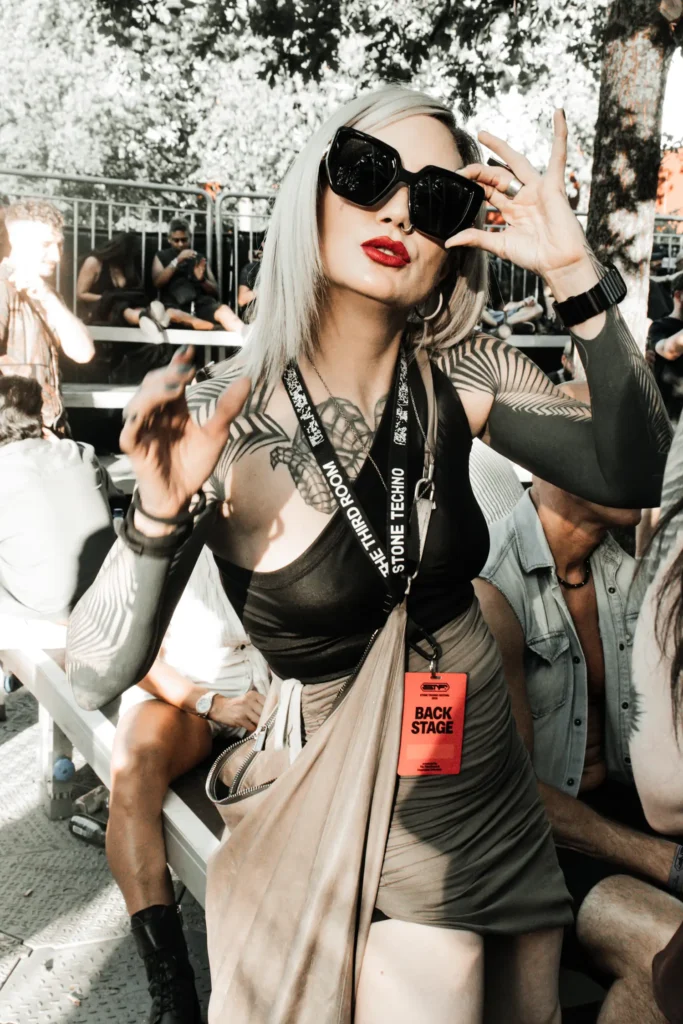
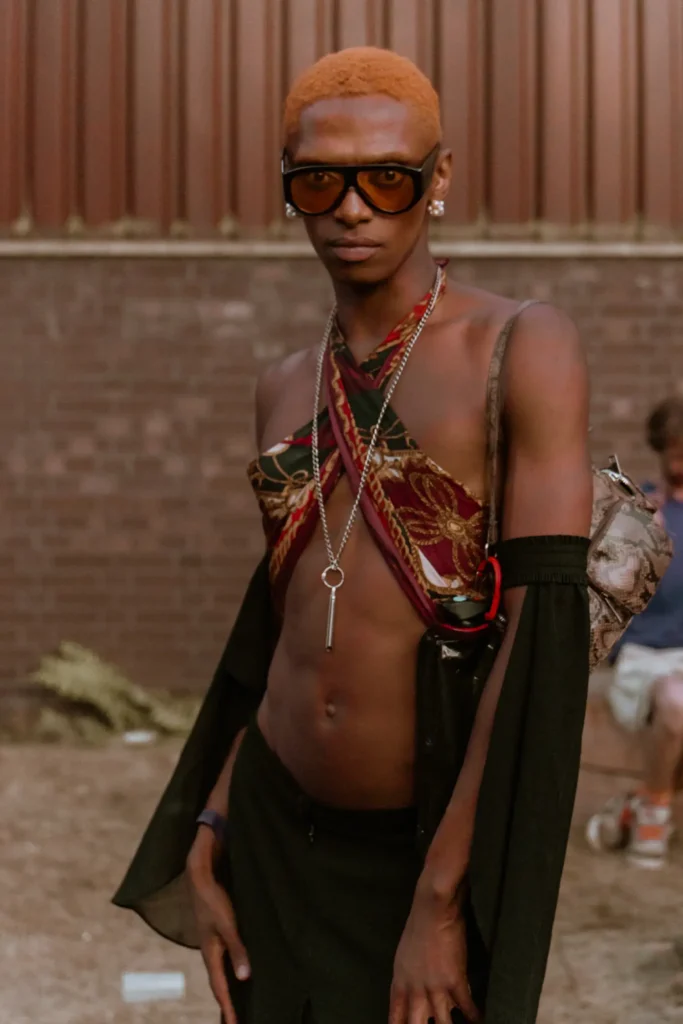
The no-phones-on-the-dance-floor policy also reinforces this sense of presence. It invites people to experience a set without turning every transition into content. Naturally, a festival can never entirely escape social media, specially with such a location hehe but the intention is valuable: the dance floor should be lived first and documented second.
Plenty of electronic festivals borrow industrial imagery. Stone Techno takes place inside the real history that inspired it.
Zollverein was once part of the economic engine of the Ruhr. Today, its structures have been preserved and repurposed for culture, education and public life. Holding a techno festival here creates a conversation between different eras of labour, machinery and collective identity.
The connection goes deeper than visual branding. Stone Techno developed from a multidisciplinary project combining music, geology, science and the region’s mining heritage. Earlier parts of the project involved recording underground acoustic environments and inviting artists to create music from mineral and rock samples.
We all make mistakes. The question is what we build from them.
It is possible to say that Friday failed in important ways and still believe in Stone Techno.
In fact, those positions belong together. Serious criticism often comes from people who feel connected to a project and want it to protect what made it special.
Festival culture does not improve when every review becomes advertising. Nor does it improve when one bad experience is used to declare an entire project finished.
When we think back on Stone Techno 2026, we will remember the details that cannot be reduced to a complaint thread: a perfectly timed transition through a former coal mine; dancers finding their energy again late in the afternoon; artists moving freely among the audience; water around the facility; new friends appearing at another floor; and the surreal sight of thousands of people dancing in the industrial space which was create for all of us.
We will remember a festival and our family working hard to make it happen, but also with character and willing to learn!
Perfection is not what creates a memorable cultural space. Identity does. Community does. The willingness to learn does. Stone Techno now has an opportunity to turn a difficult opening day into a meaningful correction not by becoming more corporate or more distant, but by protecting the intimacy, care and musical seriousness that made people believe in it.
We all make mistakes. The question is what we build from them.