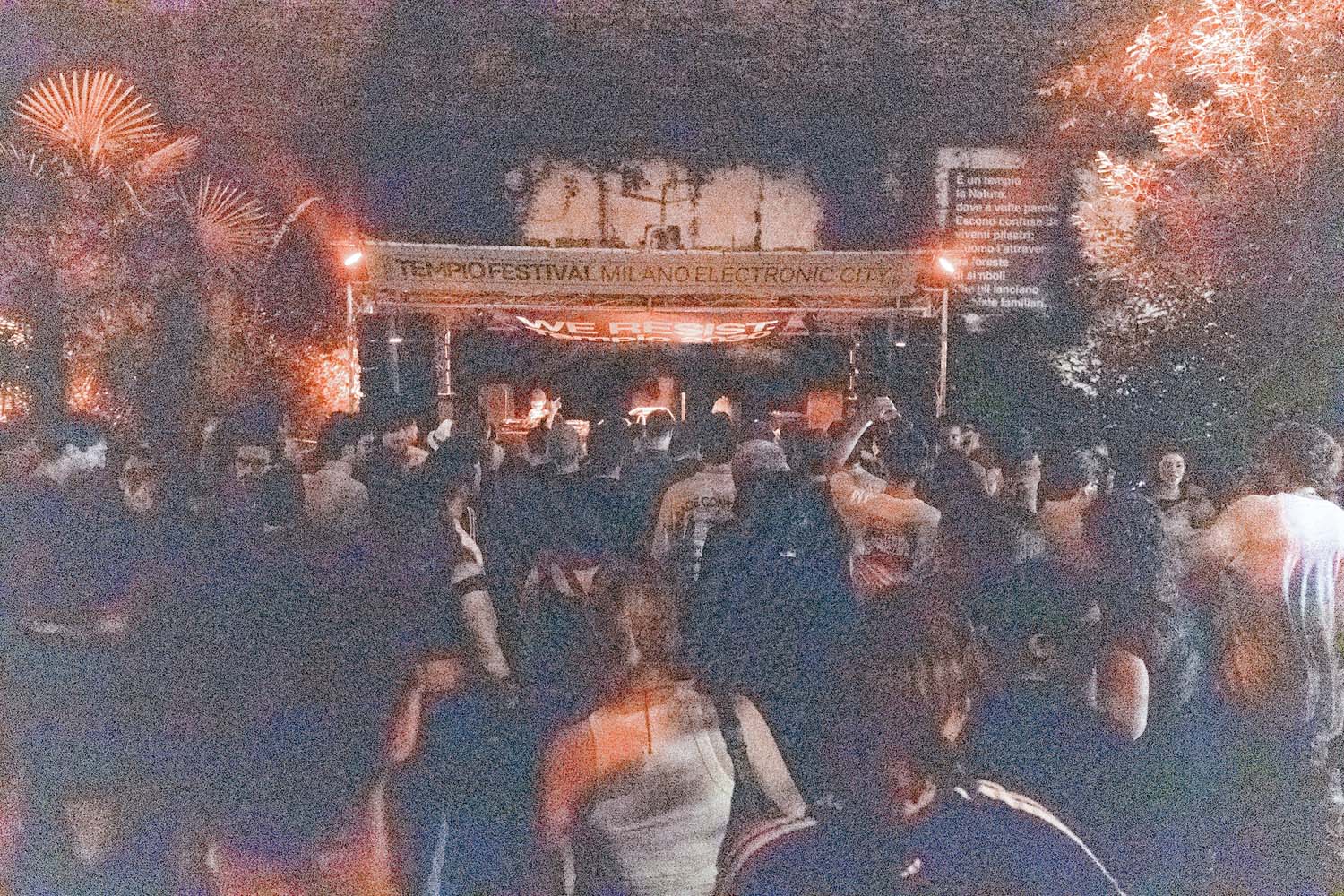
Following last year’s debut in Berlin, our trip to Milan for the second edition of Tempio Festival confirmed that the project has quickly grown into one of Europe’s most compelling alternative electronic music gatherings.
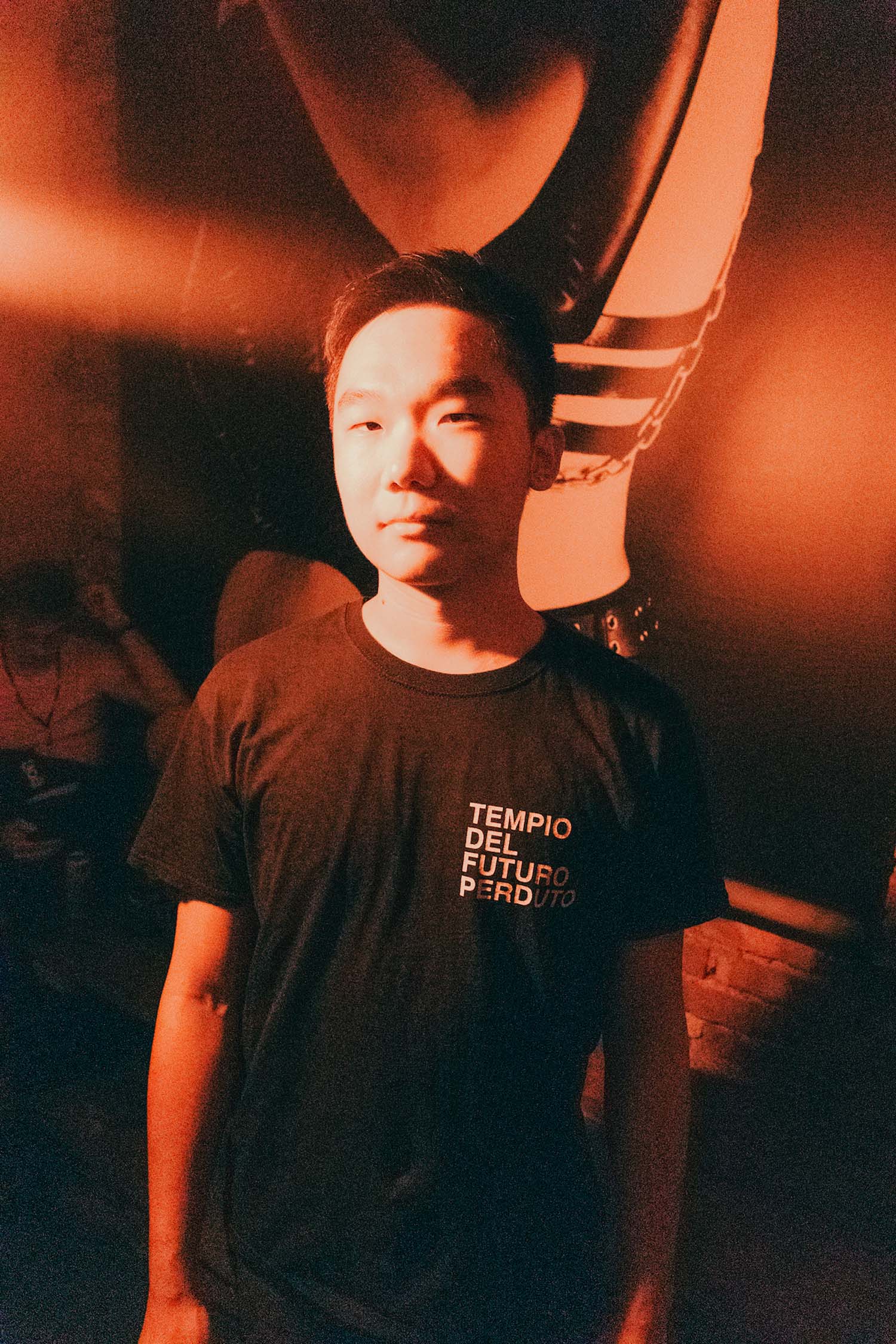
From September 18–21, Tempio del Futuro Perduto and Fabbrica del Vapore transformed into a four-day convergence of sound, performance, and community — blending techno culture, art, and activism in a way few festivals currently attempt.
Spread across industrial halls, hidden gardens, and former air-raid shelters, the festival’s spatial experience felt as important as the music itself. Moving between open-air dance floors and intimate underground corners created a constant sense of discovery, with audiences shifting between intense club energy and moments of reflection.
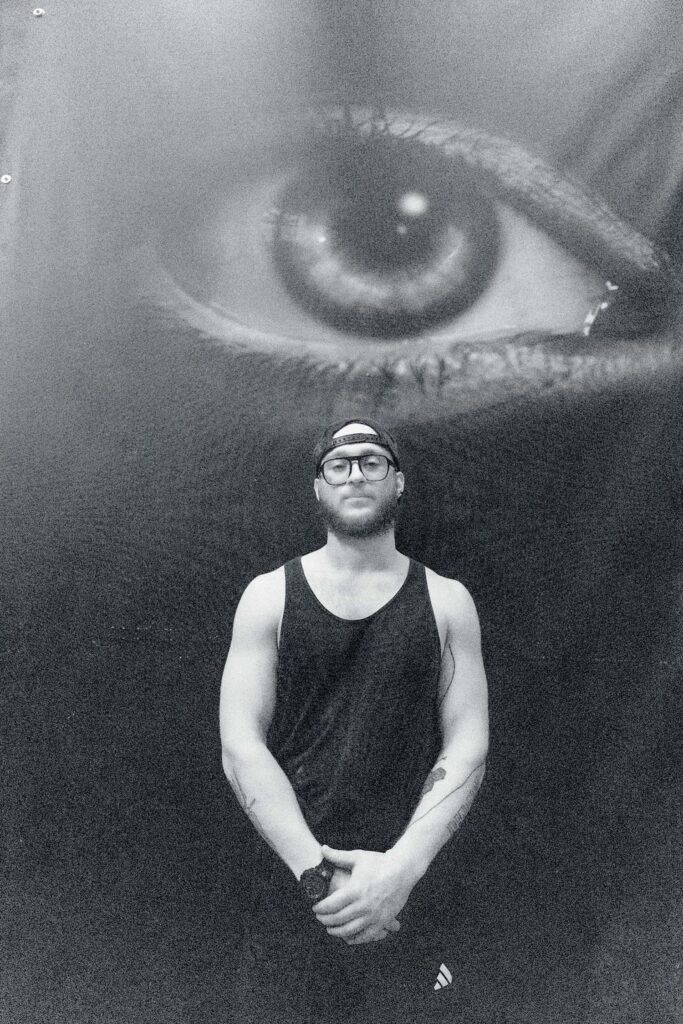
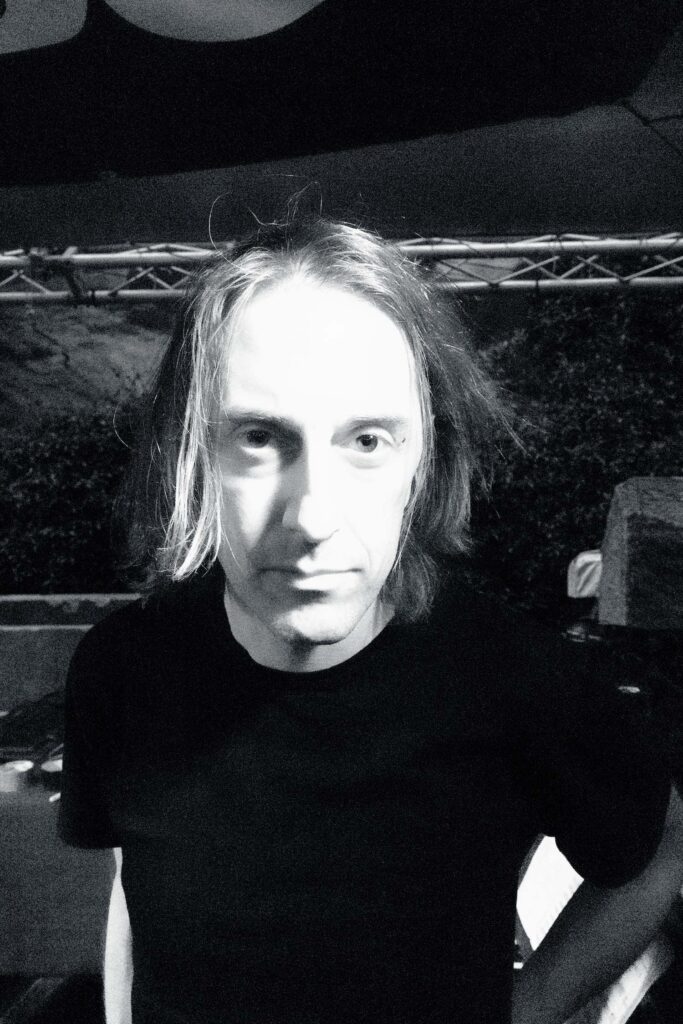
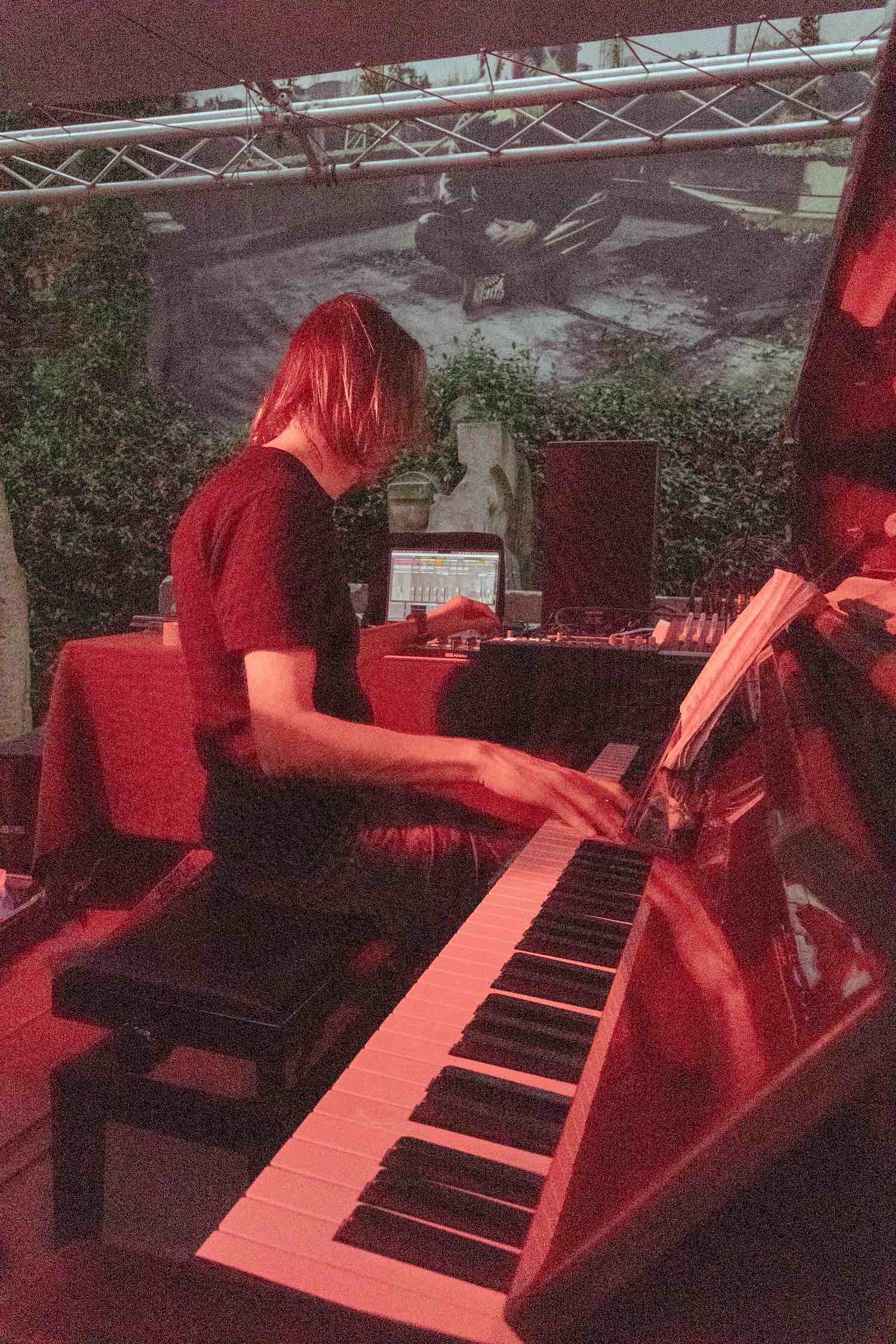
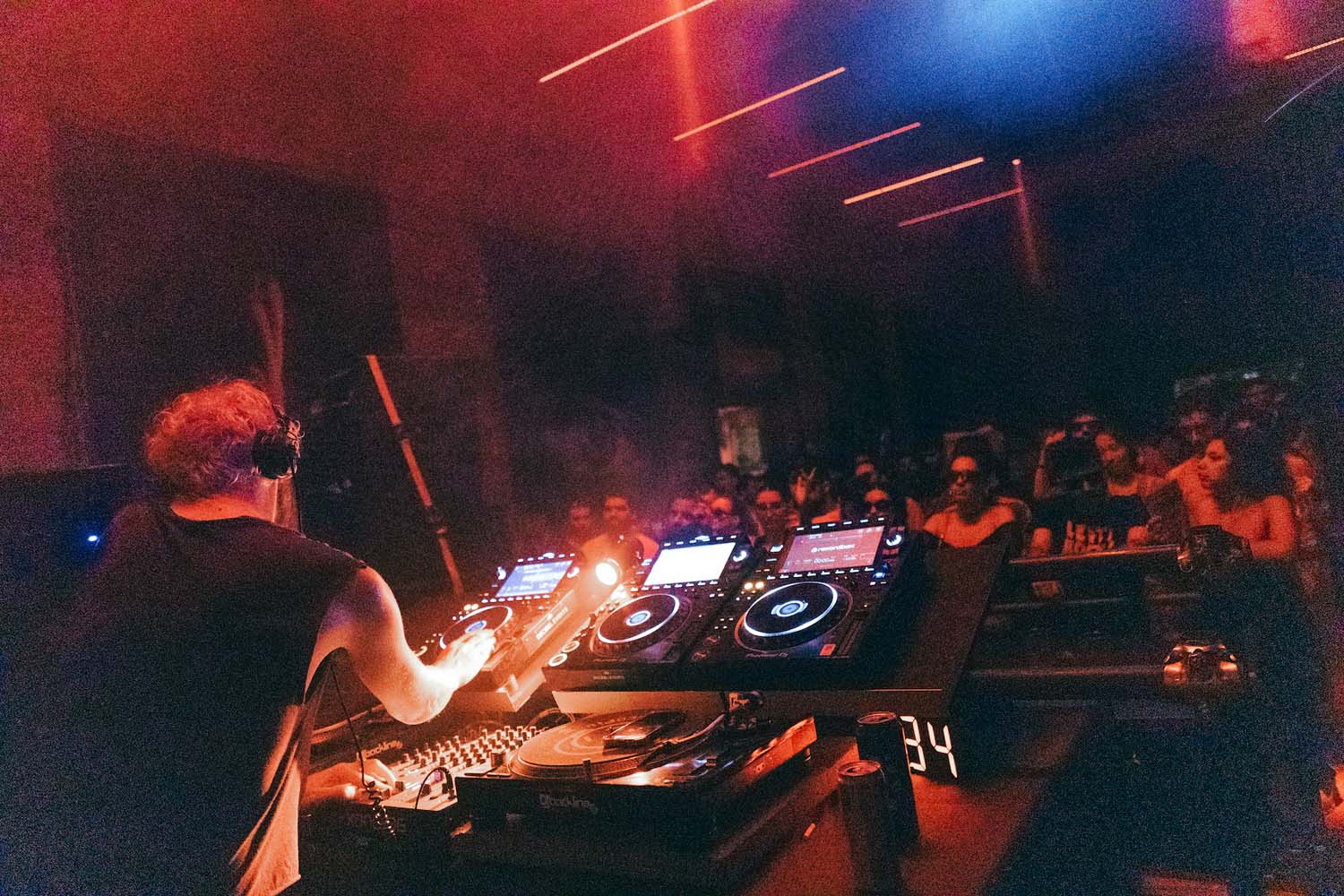
Musically, the festival delivered on its promise. Highlights included a powerful live performance from Detroit legends Octave One, whose set bridged generations of techno with emotional precision. Rrose provided one of the weekend’s most immersive moments, pushing hypnotic minimalism into near-ritualistic territory, while Ben Sims reminded everyone why he remains one of the most reliable forces in contemporary techno. Rising Berlin name Mell G, electro architect The Exaltics, and Fabrizio Rat’s hybrid piano-and-machine performance added depth and stylistic diversity across the program. DJ Europarking, Elisa Bee delivering on top level. Besides that, we really enjoyed dancing to the powerful set from Zen and the bubbling energy of Oriental Techno Club, which kept the floor alive and connected throughout the night. Moments like these remind us why spaces like Tempio are so important for underground culture today.
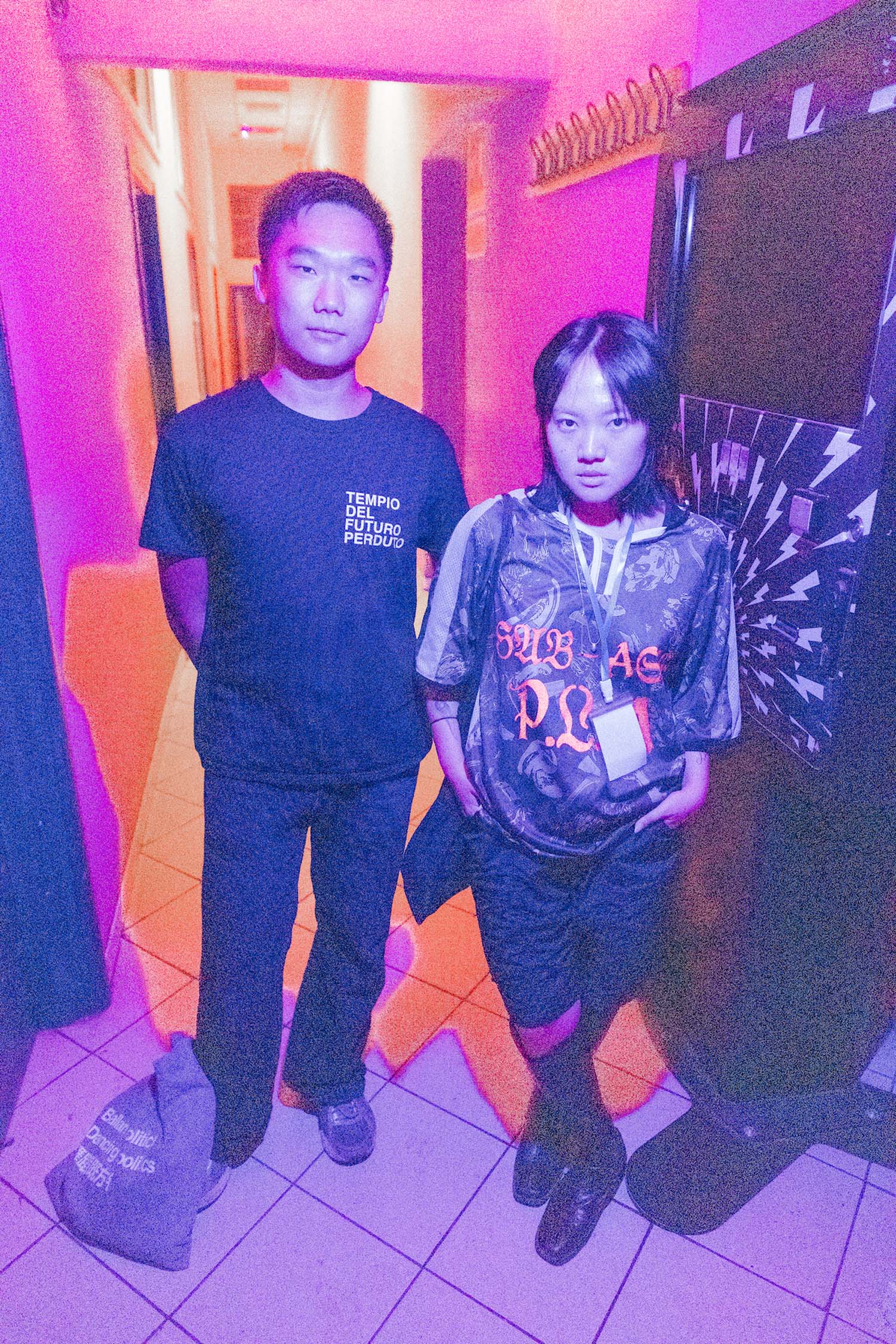
Yet Tempio Festival continues to distinguish itself by going beyond music. Wellness spaces offering yoga and Ayurvedic massages gave attendees room to reset, while areas dedicated to sustainable fashion and local craftsmanship created a marketplace of ideas as much as goods. Contemporary dance and experimental theatre performances curated by Sala Nera and other collectives blurred boundaries between club culture and performing arts, turning the entire venue into a living, evolving stage.
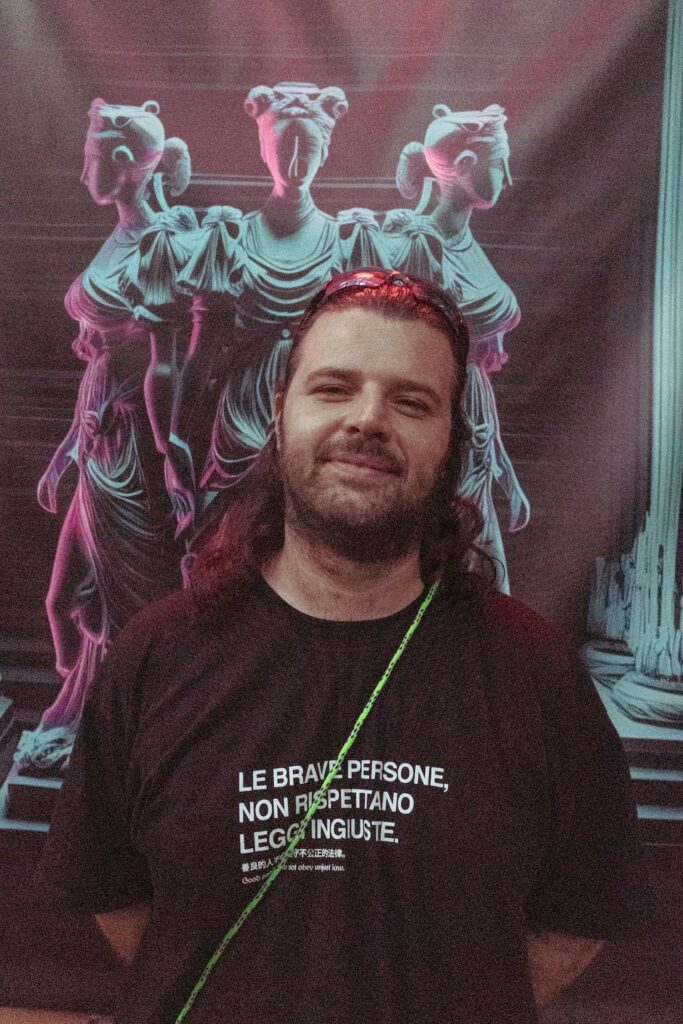
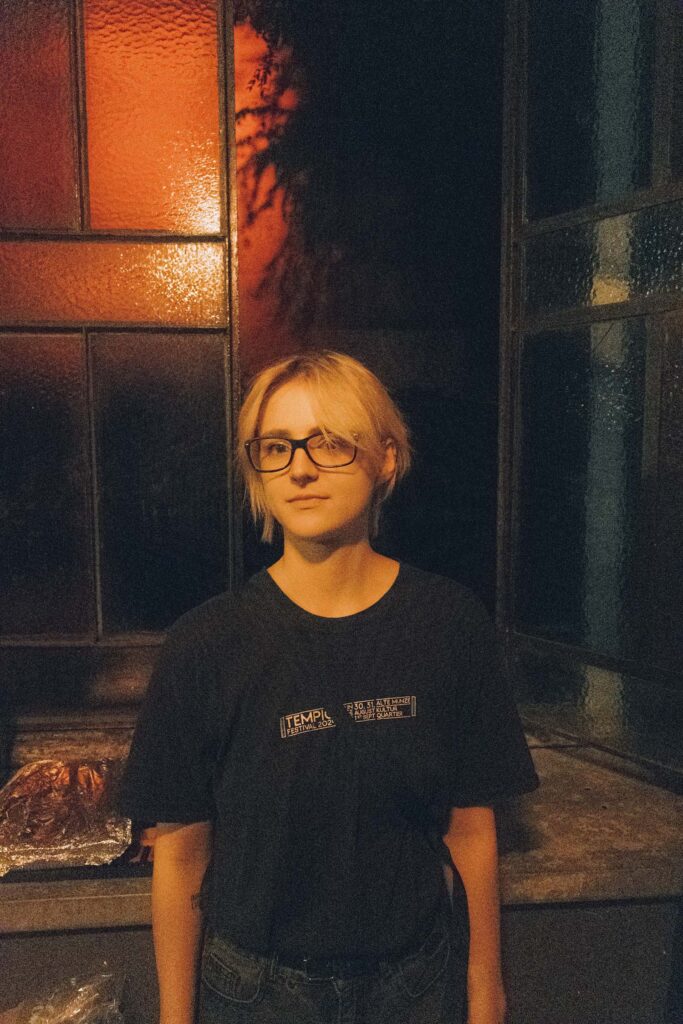

What stood out most was the atmosphere — inclusive, curious, and refreshingly non-commercial. Rather than chasing spectacle, Tempio nurtures community, encouraging dialogue between artists, audiences, and disciplines. The result is a festival experience that feels both intimate and internationally connected.
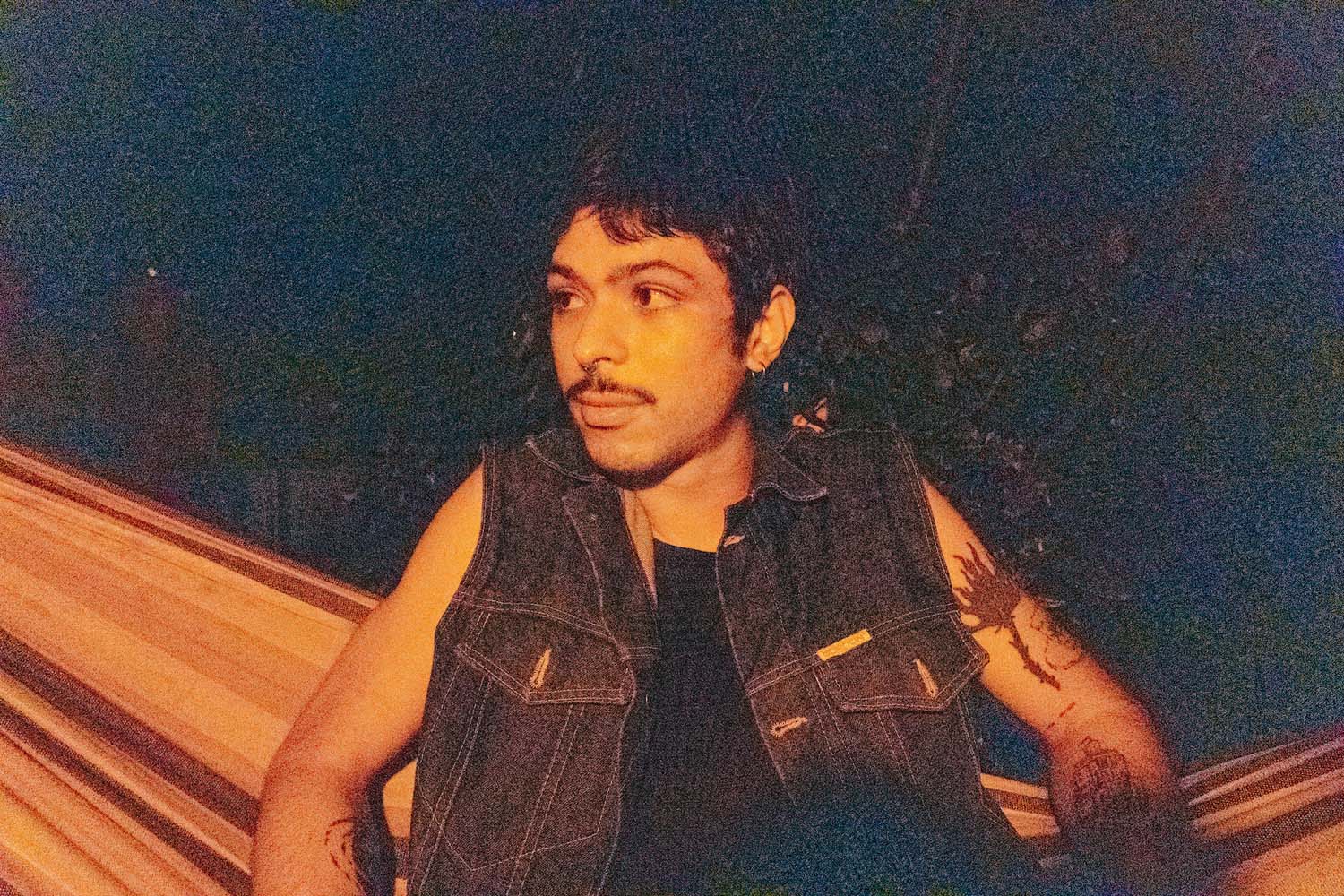
After witnessing its beginnings in Berlin and now its expansion in Milan, it’s clear Tempio Festival is shaping into something more than an event series. It is becoming a platform where electronic music intersects with culture, activism, and collective experience — and one that continues to grow with intention rather than hype.
Discover more music content here.
34th issue of KEYI MAGAZINE with JEFF MILLS on the cover