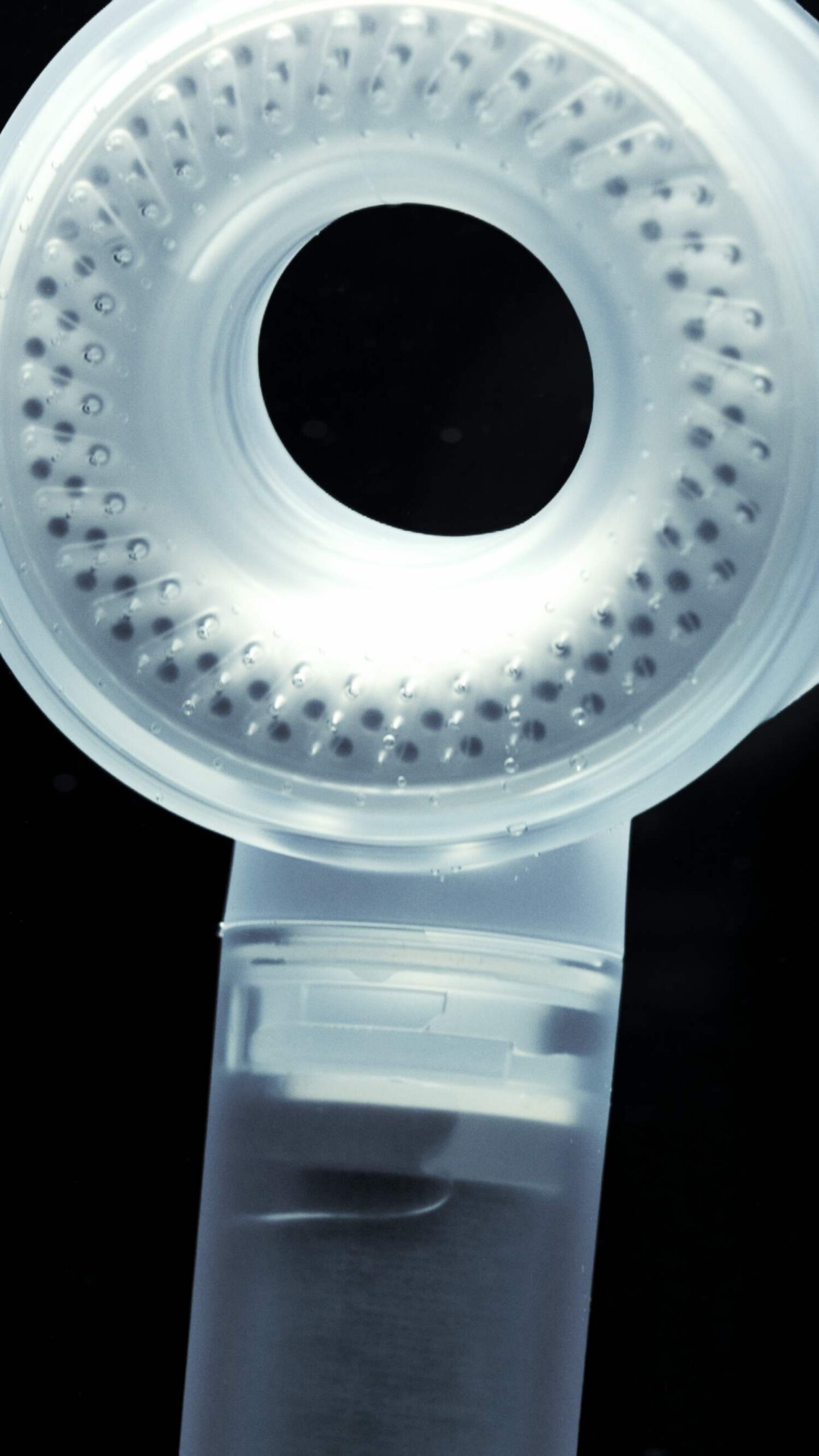
HELLO KLEAN is a Berlin-born beauty brand challenging the way we think about our daily routines by placing water at the centre of the conversation. Bridging filtration technology with beauty and wellness, the brand explores how the quality of the water we use every day can shape the health of our skin, scalp, and hair.
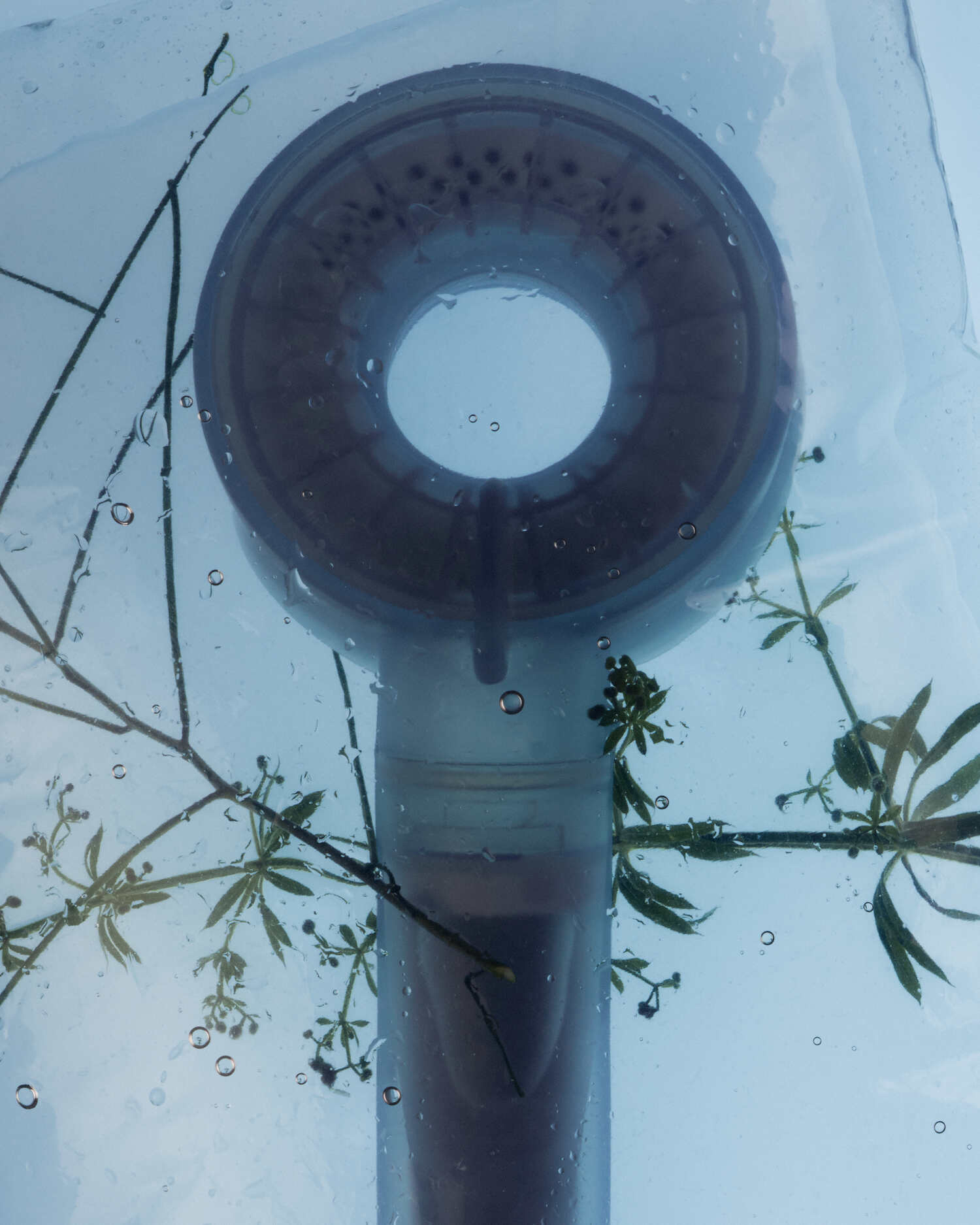
Built on the idea that beauty extends beyond products and ingredients, HELLO KLEAN combines thoughtful design, scientific innovation, and sensory storytelling to create a more holistic approach to self-care. From its iconic shower filters to its growing ecosystem of body and haircare, the brand reimagines the bathroom as a space where functionality, sustainability, and beauty coexist.
Guided by a philosophy of making better choices feel effortless, HELLO KLEAN continues to challenge industry conventions while encouraging consumers to look beyond what they put on their skin and consider the environment surrounding it.

What inspired you to create Hello Klean, and when did you realize hard water was such an overlooked beauty issue?
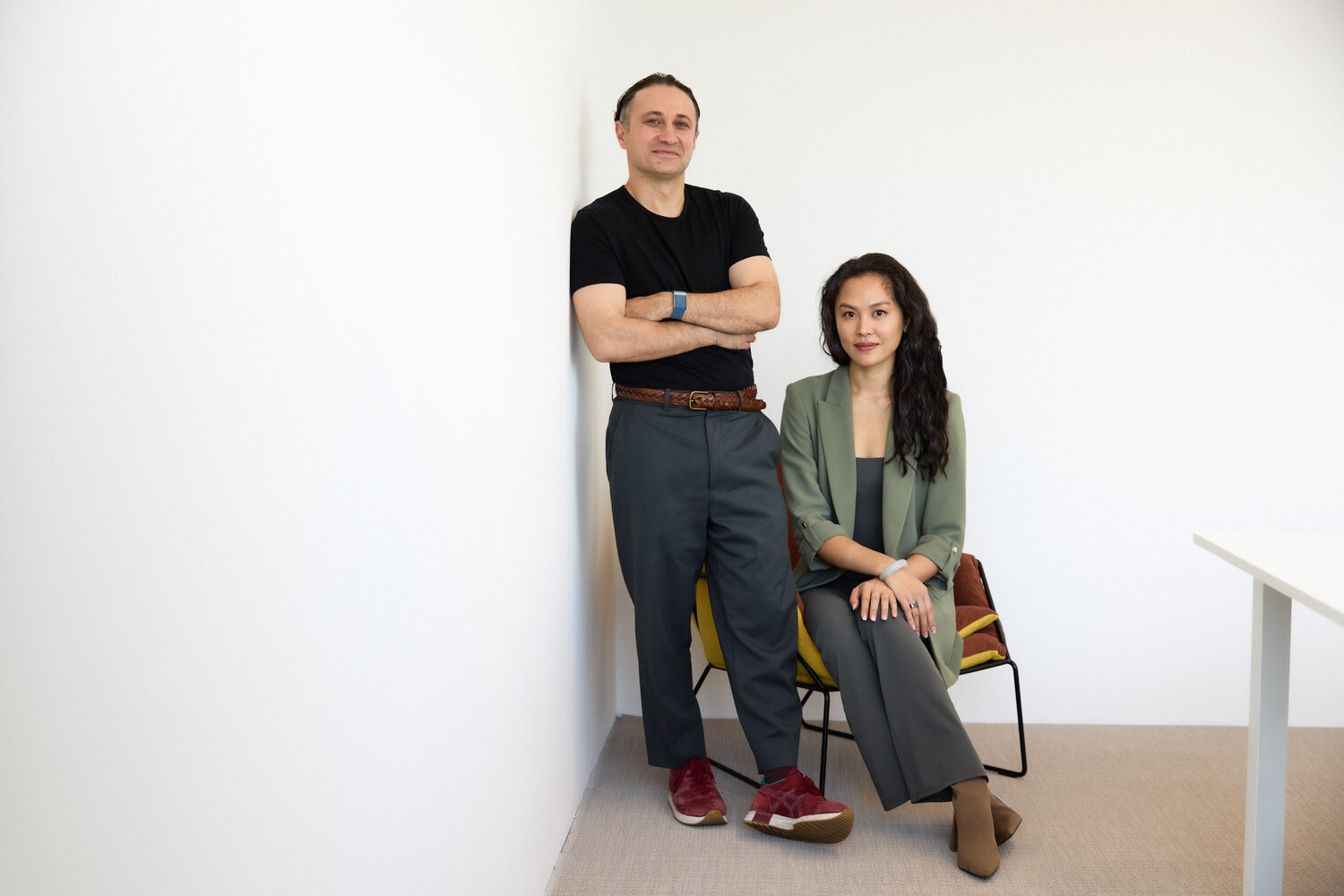
When I moved to Berlin, everyone seemed completely unfazed by ‘Kalk’. It was just accepted as part of everyday life.
Meanwhile my skin felt drier, my scalp became more sensitive, and my hair never quite felt clean. Like most people, I assumed I’d simply bought the wrong shampoo, so I kept changing products instead.
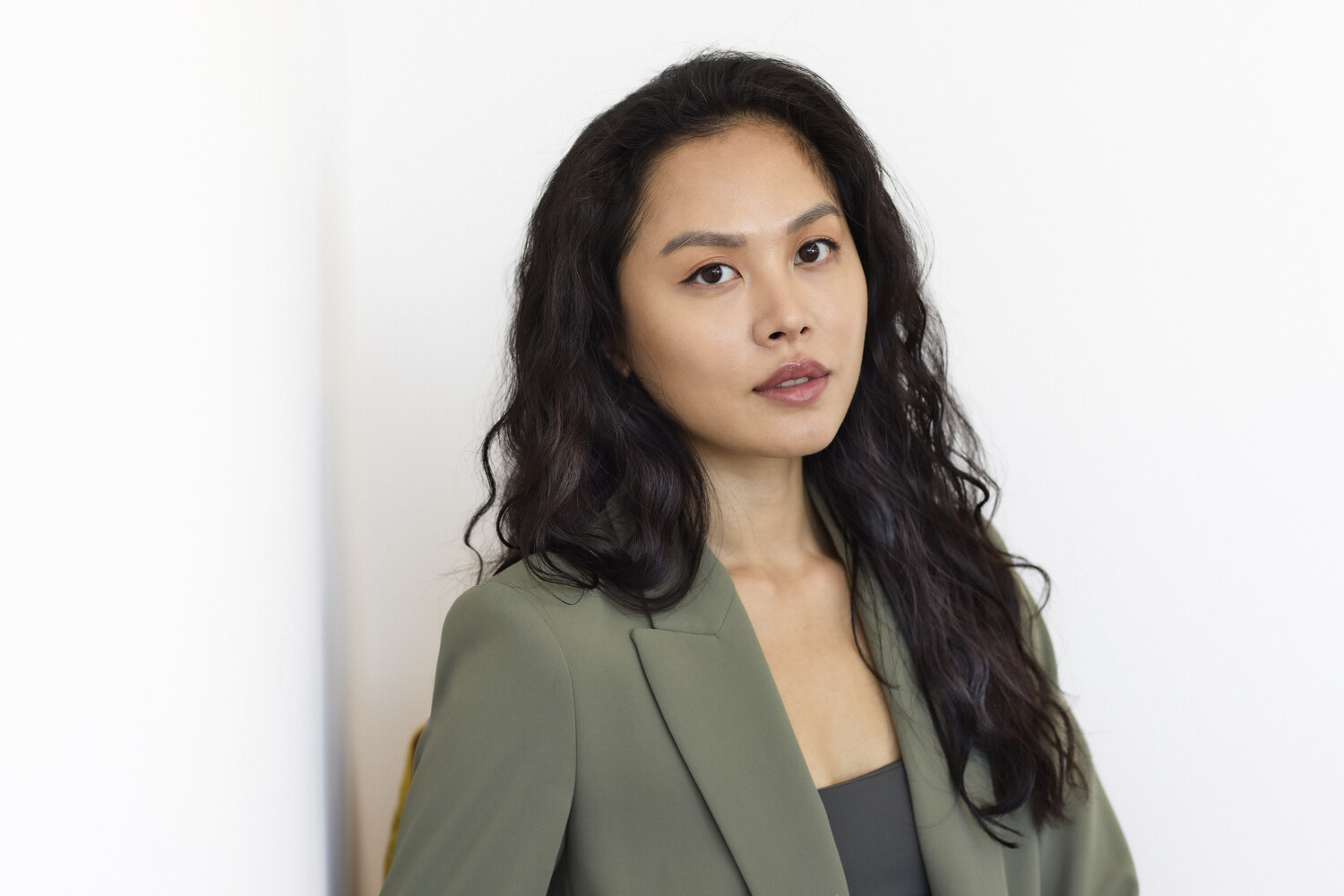
Eventually, I realised I was trying to solve a water problem with beauty products.
When I started looking for filtration, everything felt incredibly industrial. It was all plumbing terminology, fittings and technical specifications.
It felt like there was an entire category that nobody had translated for consumers. Water clearly affected beauty, but nobody was talking about it that way. That’s the gap that became Hello Klean.
Many people focus on skincare and haircare products, but not the water itself. Why should that change?
Beauty has become incredibly sophisticated when it comes to ingredients. We know what niacinamide does, we know what peptides do. But we’ve paid far less attention to the environment those products are actually being used in.
Water is a perfect example of that. It’s the first ingredient in almost every beauty routine, and it’s something our skin and hair interact with every single day, yet it’s largely invisible in the conversation.
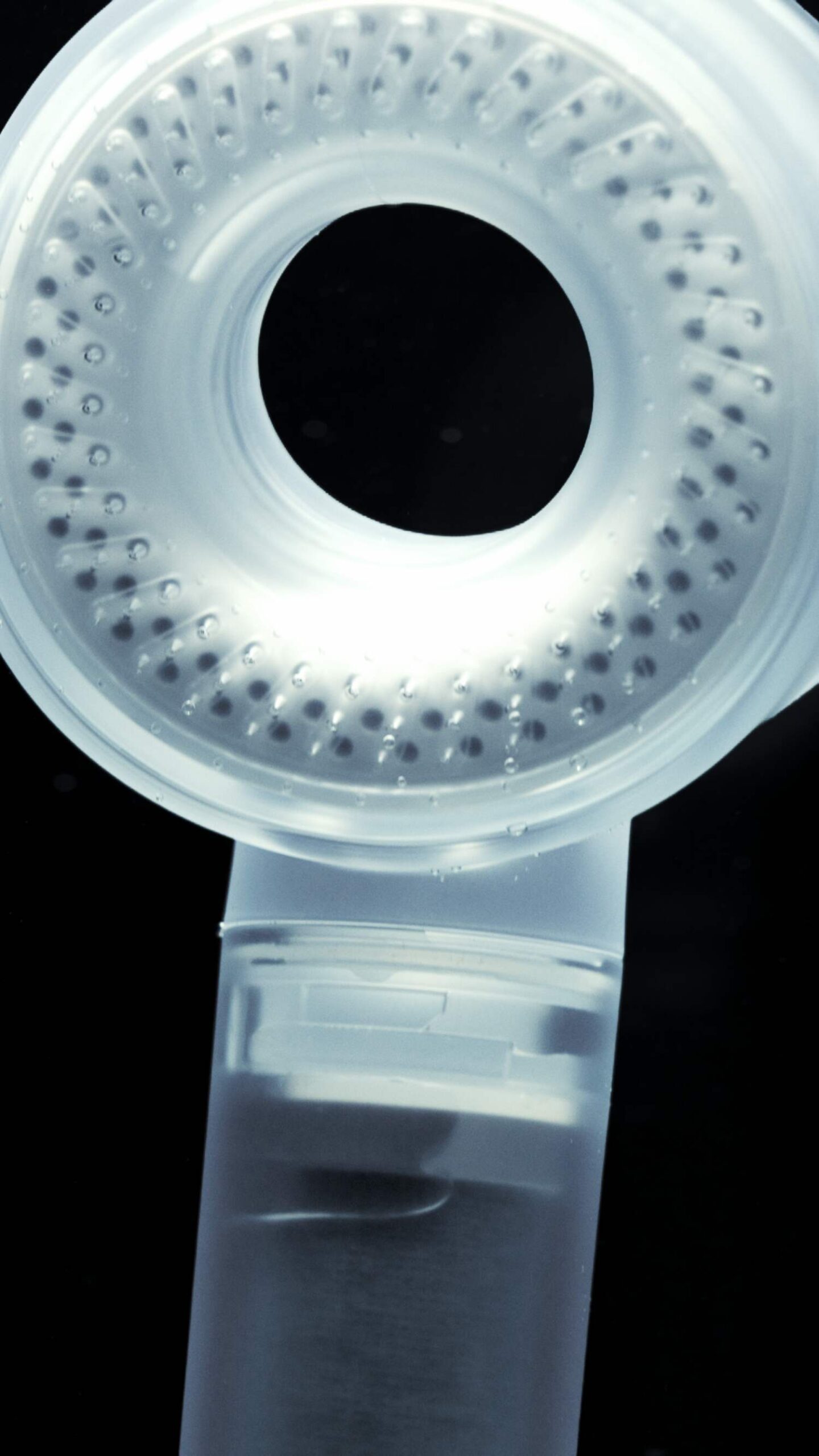
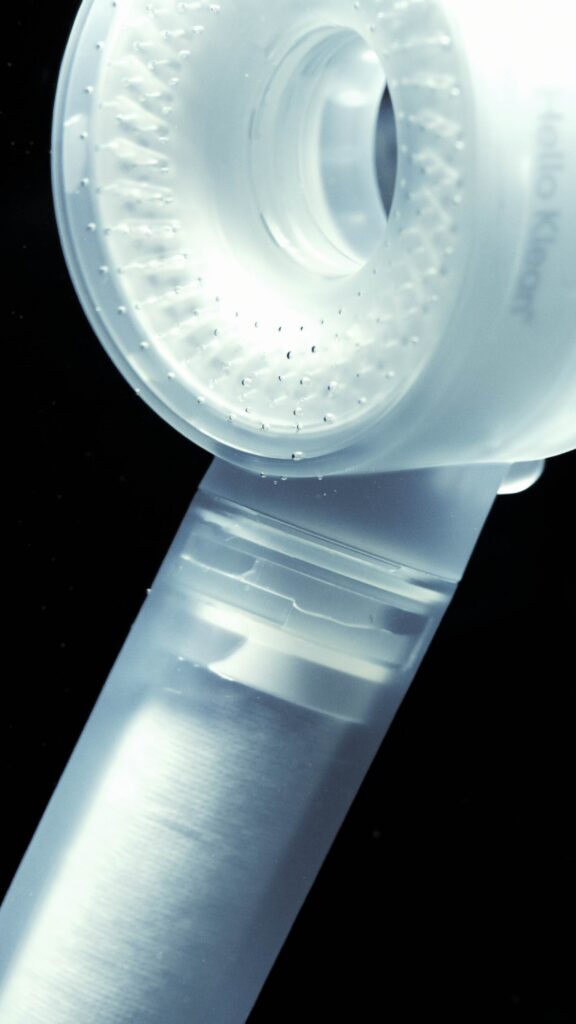
Water doesn’t replace good skincare or great formulations, but it provides the conditions those products have to work within. I think beauty is gradually moving away from chasing miracle products and towards understanding the bigger picture. Water is simply one part of that system.
How does hard water affect our skin and hair on a daily basis, and what are the biggest misconceptions surrounding it?
One of the biggest misconceptions is that because water is safe to drink, it’s automatically good for your skin and hair. Those are two very different questions.
The effects also aren’t immediate. One afternoon dancing in the Berlin sun without SPF isn’t what changes your skin. It’s the twentieth one. Water works in much the same way. It’s the repeated exposure over time that makes the difference.
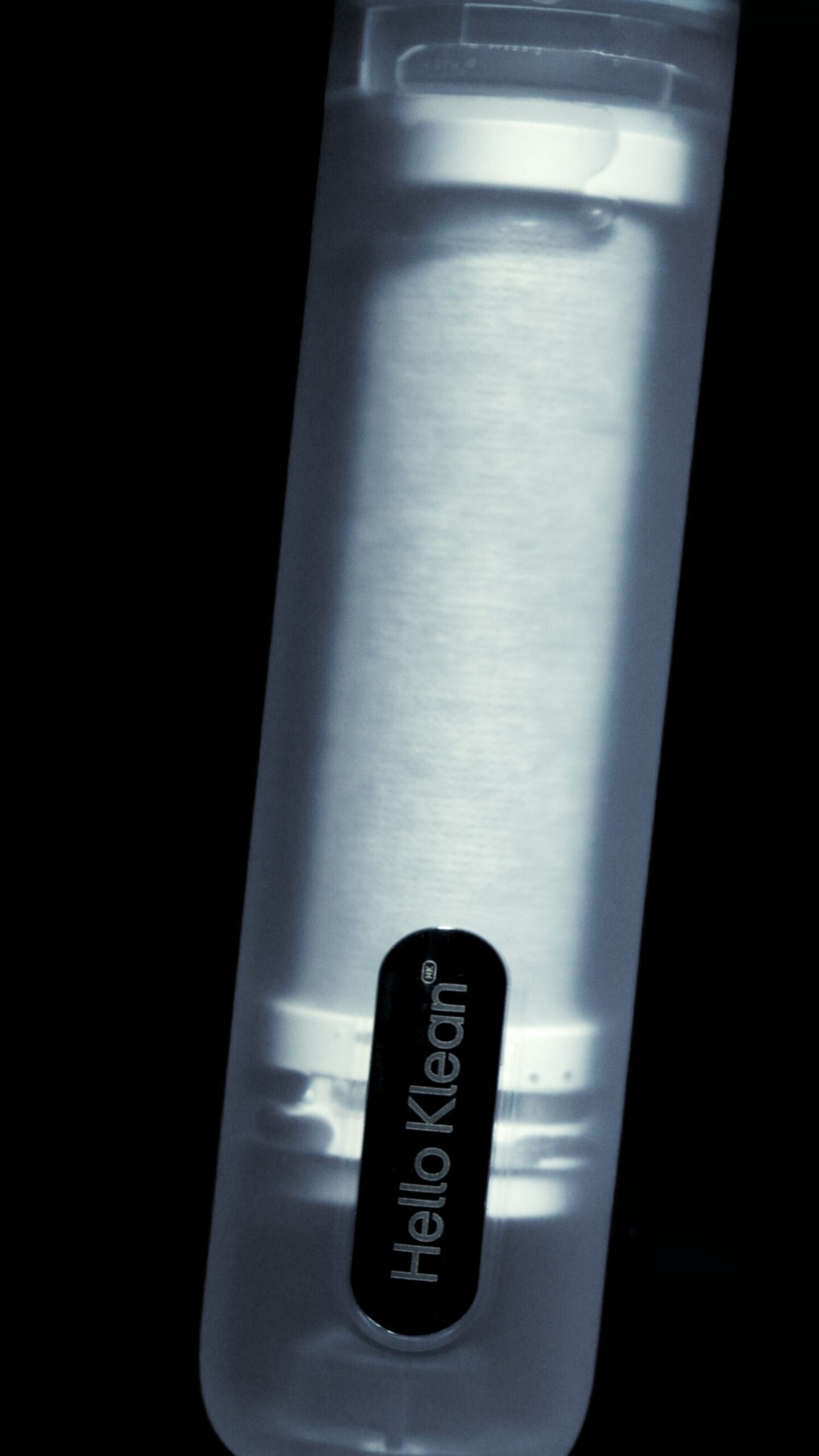
Hello Klean combines filtration with body and haircare. How do these products work together as one ecosystem?
Consumers don’t think in categories, industries do.
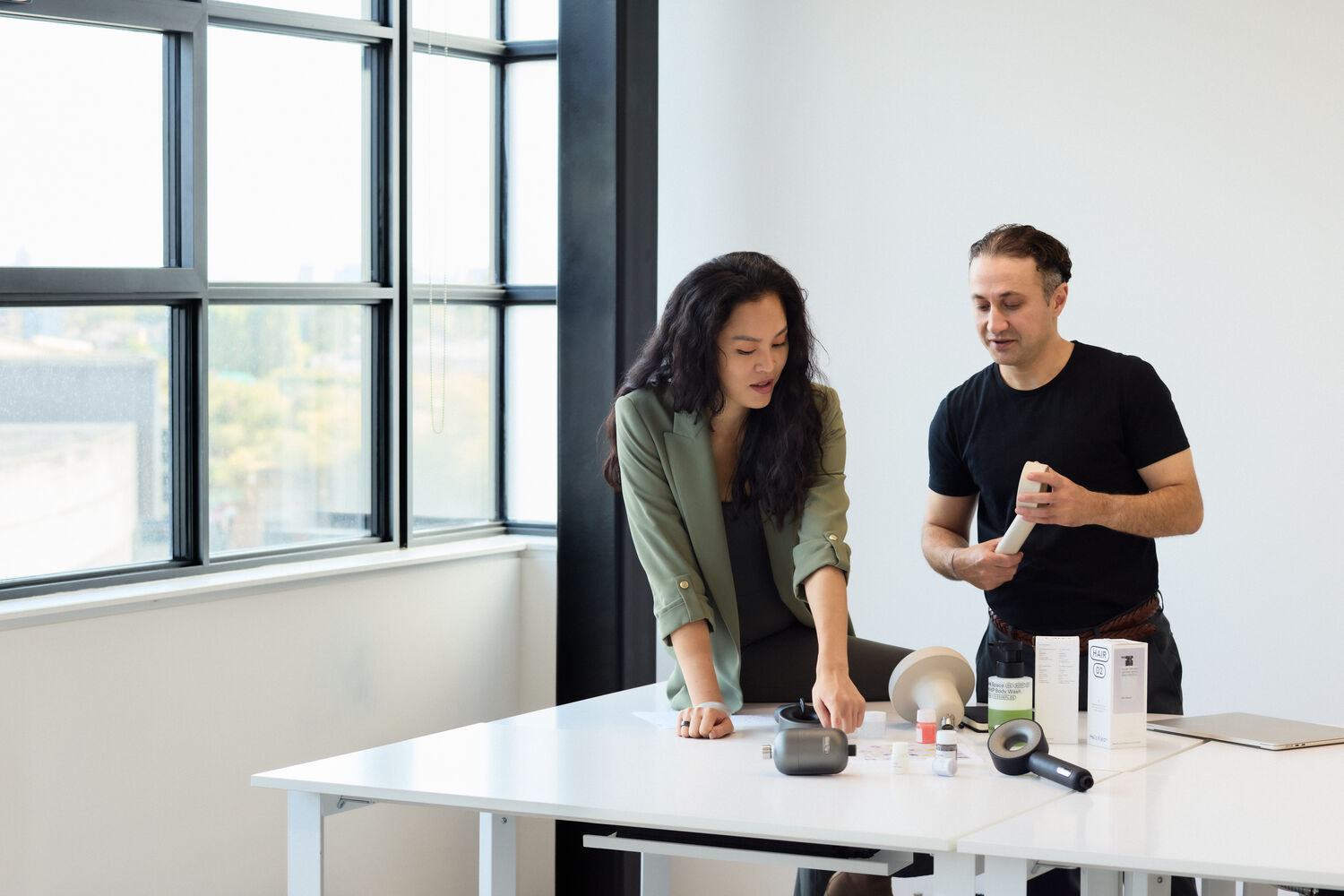
Categories help businesses organise themselves, but they can also become boundaries that stop people thinking more creatively about the problems they’re trying to solve.
Your water doesn’t suddenly stop mattering because you’ve picked up a shampoo instead of a shower head.
Everything in the bathroom is connected, so we’ve always designed Hello Klean that way. Rather than asking one product to do everything, each product solves a different part of the same problem.
Sustainability is becoming increasingly important in beauty. How does Hello Klean balance innovation with environmental responsibility?
I don’t love how sustainability sometimes gets framed as a trade-off. Better for the planet, but sometimes worse for the experience. That’s not a very inspiring way to build things.
We’d rather solve two problems with one decision. Our shower heads cut water use without cutting pressure. We moved to larger bottles so there’s simply less packaging over the product’s lifetime. And with BRITA, we’re working on where the filters themselves go once they’re used, not just what they do beforehand.
The goal isn’t asking people to want less. It’s making the better option also the one that performs better.
As pioneers in water-focused beauty, what has been your biggest challenge in educating consumers?
Water isn’t naturally a dinner-table conversation, so we’ve never believed education should start with a graph or a scientific paper. Our job is to make people curious first. Once they’re looking at their water differently, they’re much more open to the science behind it.
That’s why we often approach education through design and storytelling. When we launched one of our shower heads, we didn’t begin by talking about filtration. We sent people a cassette tape.
The soundtrack was built from recordings of water, gradually moving from harsher, more abrasive sounds into something softer and calmer. It was a very subtle detail, but it quietly reinforced the journey from tension to relief. Most people would never consciously notice it, but they’d leave with a feeling they couldn’t quite explain.
I think those experiences stay with people far longer than another technical explanation. By the time someone reaches the science, they’re already engaged because they’ve felt something first.
Which Hello Klean product would you recommend to someone trying the brand for the very first time, and why?
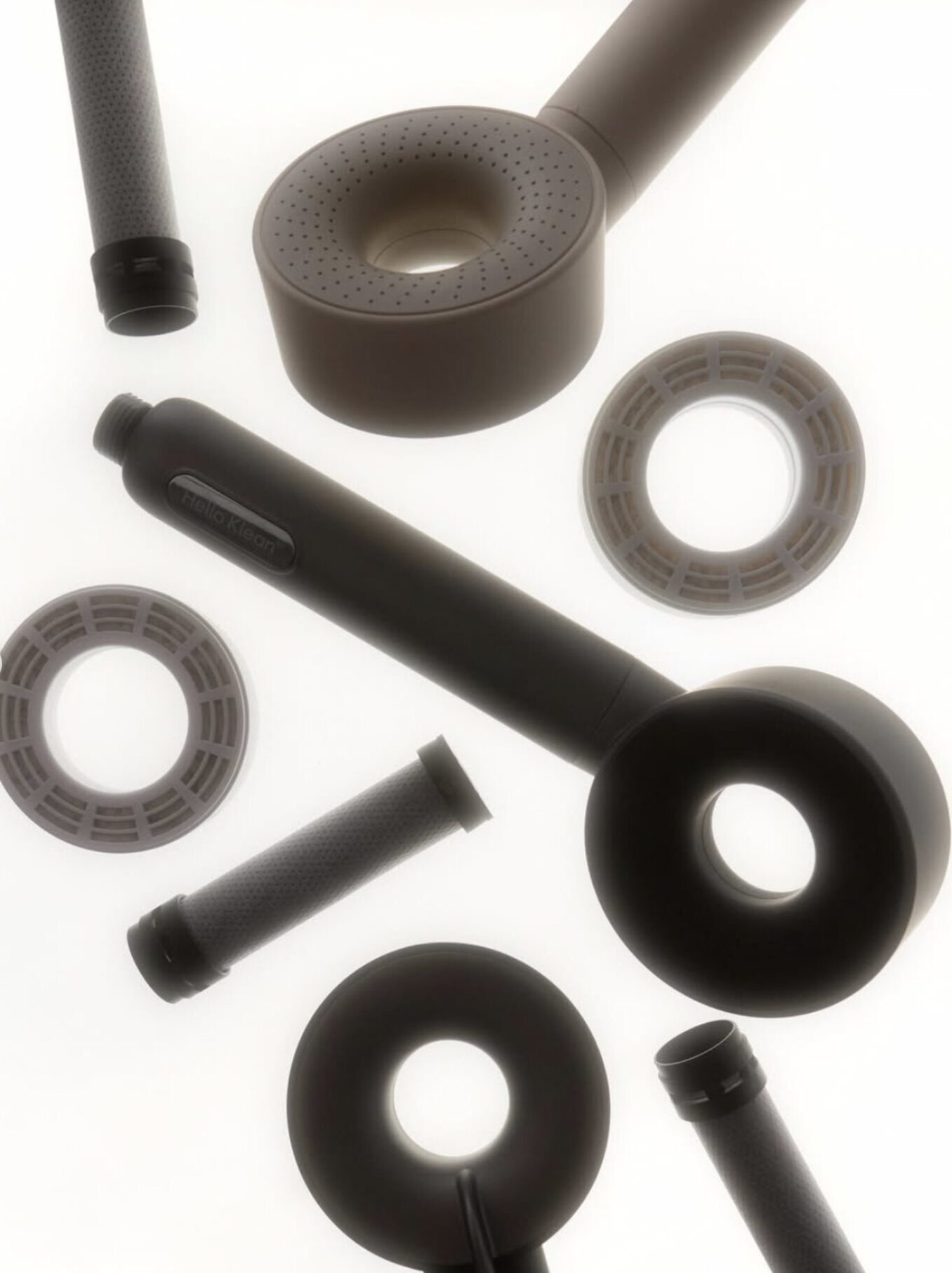
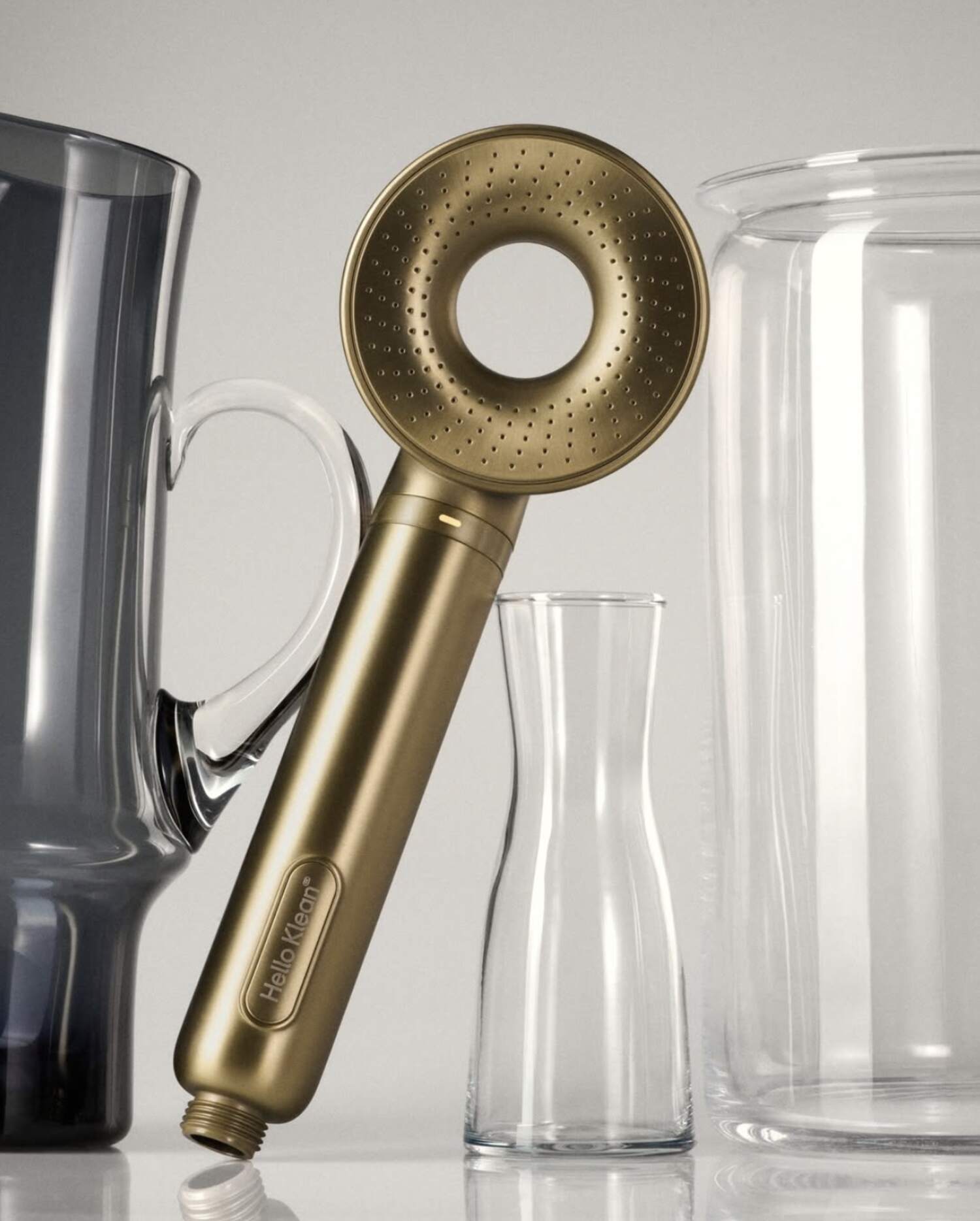
The Shower Head.
It’s the product that changes the context for everything else. Before thinking about shampoos, treatments or skincare, it addresses one of the things your skin and hair interact with every single day.
Once people understand that relationship, the rest of the ecosystem tends to make much more sense.
How do you see the future of beauty evolving over the next five years? Will water quality become as important as skincare ingredients?
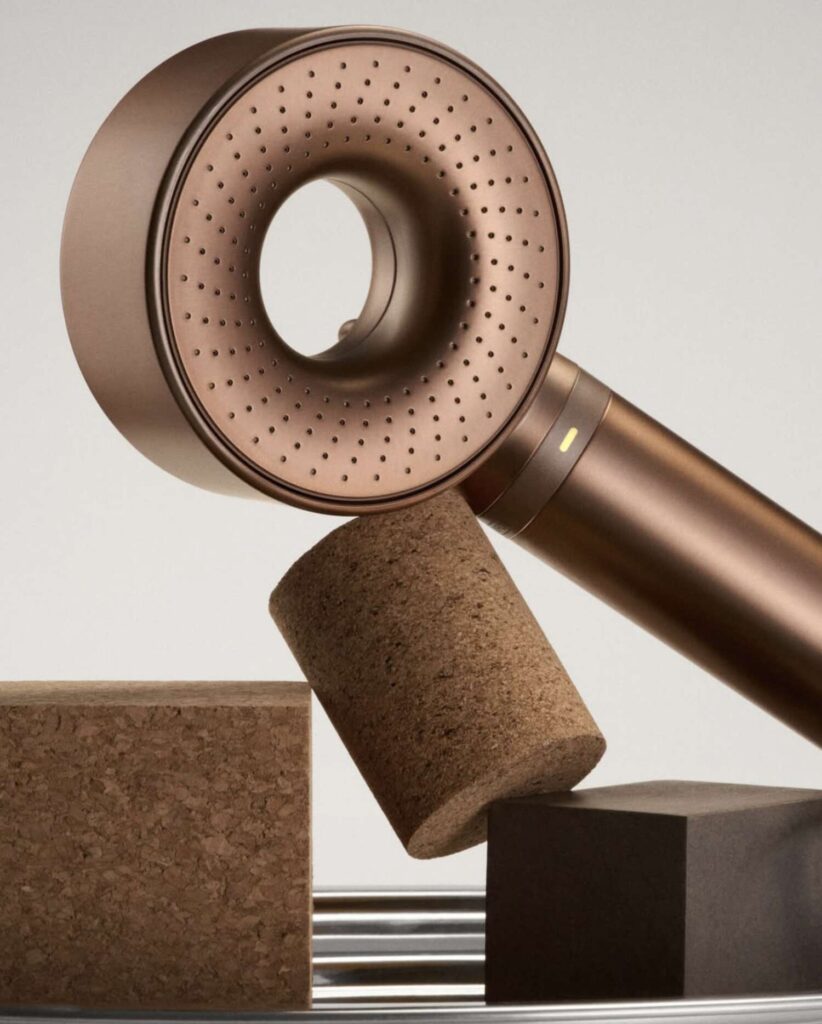
For a long time, beauty was driven by language. Every few months there was a new ingredient, a new claim or a new aesthetic to chase. Those conversations moved so quickly that every brand felt pressure to become part of them or risk being left behind.
I think we’re beginning to move away from that. In a world where everyone can generate beautiful images and polished campaigns, people remember much less of what brands say and much more of how they made them feel.
That’s probably why nostalgia feels so relevant at the moment. I don’t think people miss translucent plastic or cassette tapes themselves. They miss what those objects represented: optimism, curiosity and a slower, more tangible relationship with the world. It’s not really about looking backwards, it’s about recovering a feeling.
I think beauty will increasingly be built the same way. Through scent, sound, physical spaces, thoughtful objects and all the small details that make a brand feel coherent. Those experiences don’t just communicate a message, they create a memory.
Berlin has played a role in Hello Klean’s journey. How has the city’s creative and entrepreneurial spirit influenced the brand?
One thing I always liked about Berlin is that people aren’t particularly impressed by novelty for the sake of it. Things have to have a reason to exist.
I think that influenced us quite a lot. We like ideas that have substance behind them. The creative work can be playful, but it’s usually rooted in something quite functional. Whether that’s launching a shower head on cassette tape or creating technical product experiments, there’s normally a reason behind the idea beyond it simply looking interesting.
That way of thinking also shaped our design language. Beauty is often associated with decoration, but we’ve always been drawn to something more restrained. Our packaging borrows from engineering as much as it does cosmetics, with technical references, functional information and a very direct way of communicating. We try not to add things for the sake of it. If something helps people understand the product better, it stays. If it doesn’t, it probably doesn’t belong.
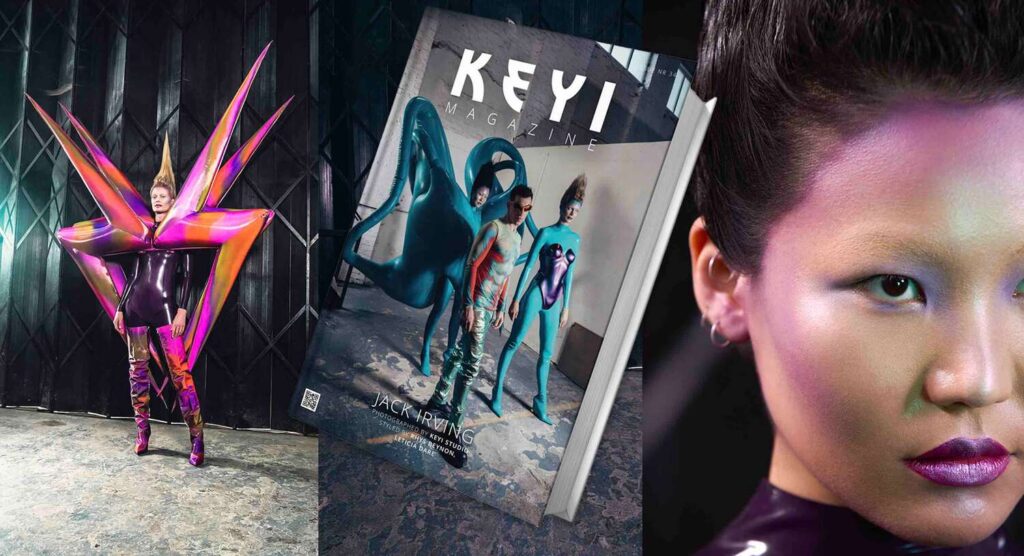
Through our partnership with KEYI MAGAZINE during Berlin Fashion Week, we’re exploring the intersection of beauty, fashion, and culture. What does this collaboration mean to you, and how do you see clean beauty becoming part of the fashion conversation?
Water, filtration and shower heads aren’t the obvious guests at Fashion Week. That’s precisely why I liked the idea.
Fashion has always had a way of changing how we value ordinary things. Objects don’t really change, our perspective does. I’ve always wondered why water should be any different.
It’s one of the few things every single one of us interacts with every day, yet we rarely stop to think about it. If bringing it into a cultural setting encourages people to see it differently, even for a moment, then I think that’s a conversation worth having.
Follow Hello Klean on IG & Website
Check more fashion related articles here.