
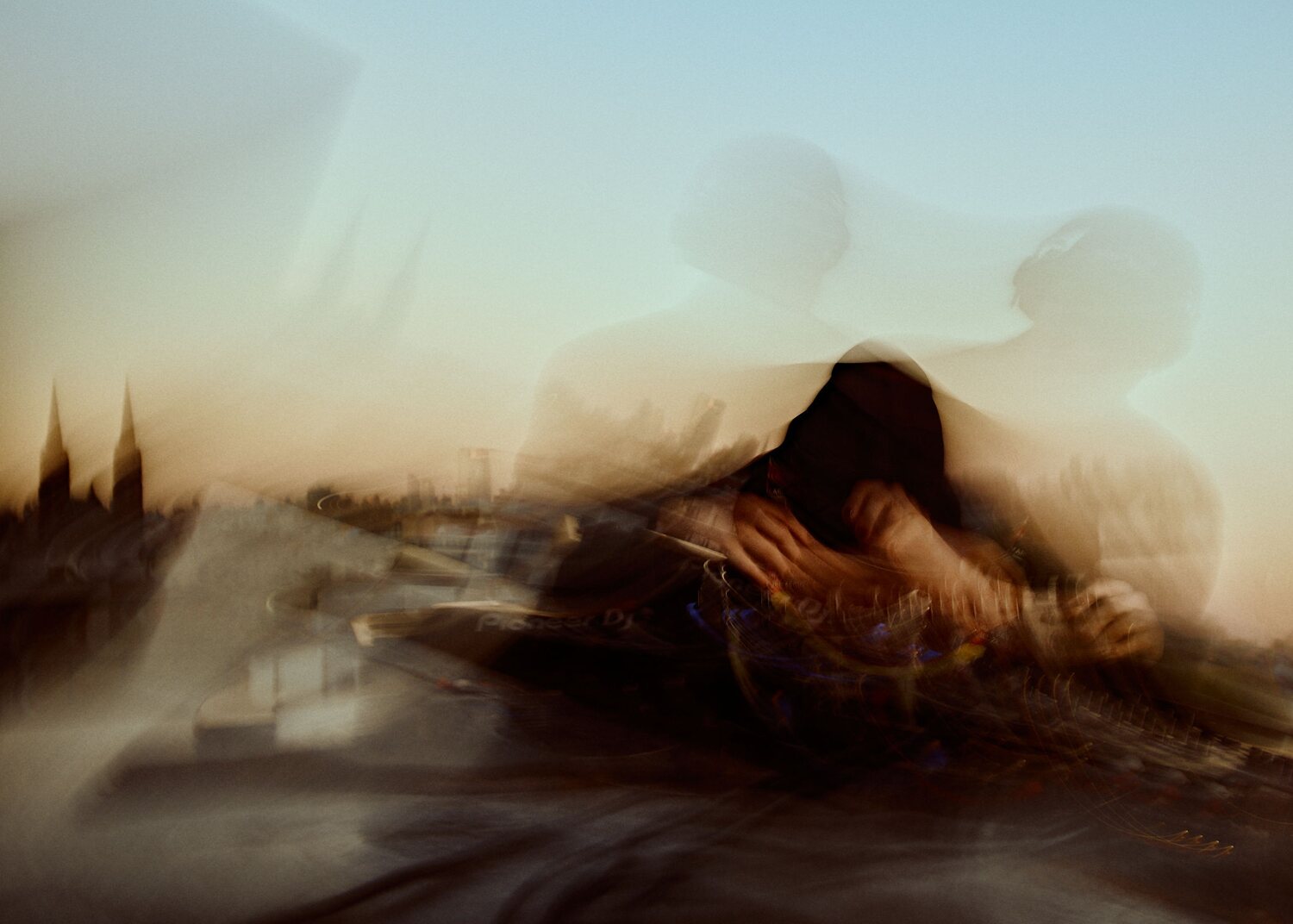
Born in Brooklyn in 2023, _nevs tv grew from bedroom DIY recordings into a global exchange connecting underground electronic artists. What started online now lives physically on the Sky Stage—an East Williamsburg rooftop where artists perform raw, intimate sets against the skyline. Blending community, experimentation, and collective release, _nevs creates a space where sound moves from quiet invention to open-air expression.
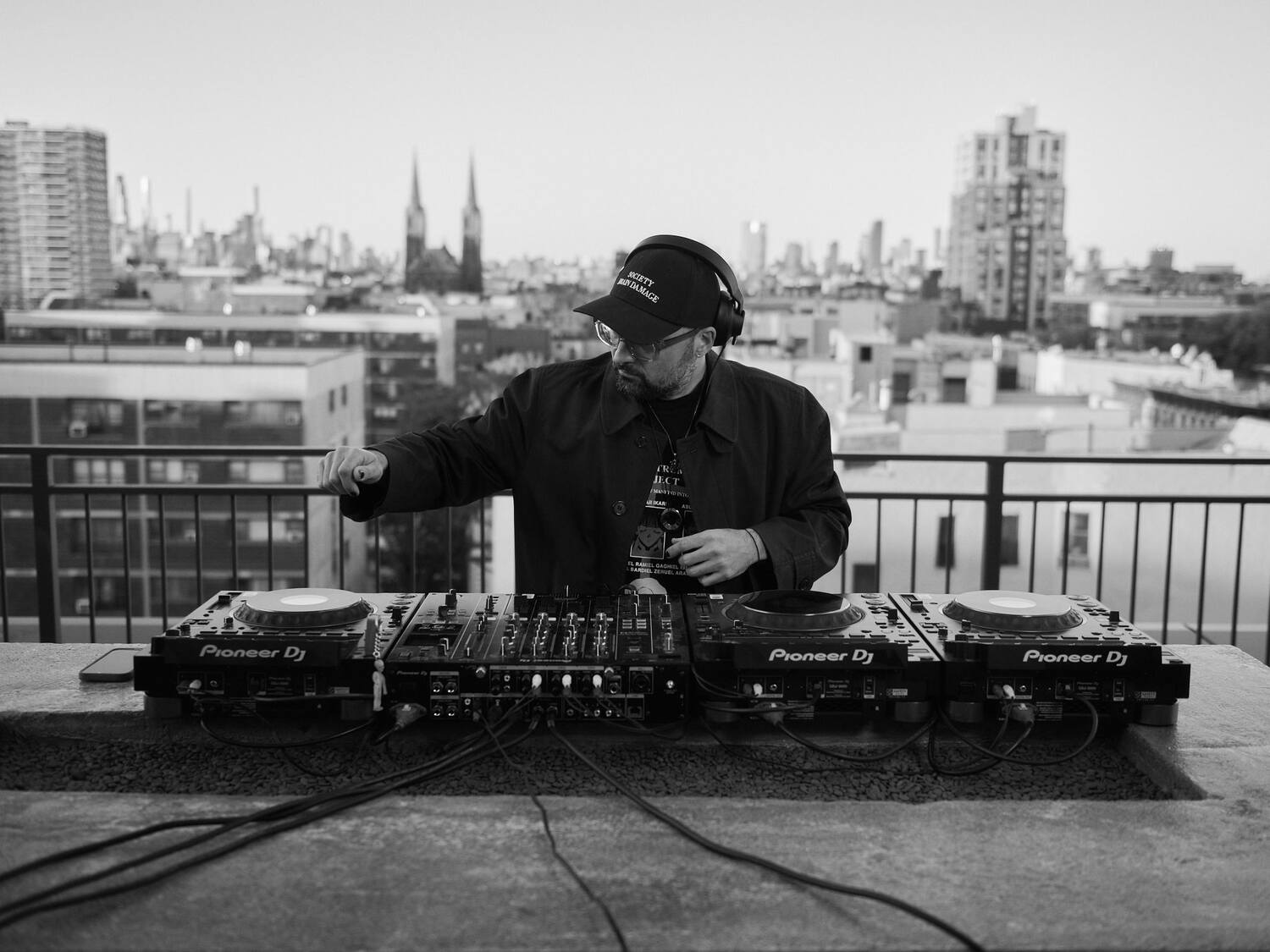
_nevs tv began as “_nevs global connect,” a remote video series linking artists around the world. What inspired that origin, and how did it evolve into what _nevs is today? How did you come up with the idea?
I first came across electronic music on the early Internet and on TV. Cathode ray televisions, headphones and computer screens all formed my own personal “world” of discovering electronic music. For me, _nevs global connect felt like a natural extension of that nostalgic feeling of discovery late at night and reconnected me with the world in which I first discovered electronic music. The DIY global exchange of filming artists in the same spaces where they create and discover music: bedrooms, basements, small studios, brings viewers into their world. It recreates that intimate, solitary feeling of discovery, but makes it shared.
The Sky Stage rooftop has become central to _nevs’ identity. What does performing against the Brooklyn skyline add to the experience—for both artist and audience?
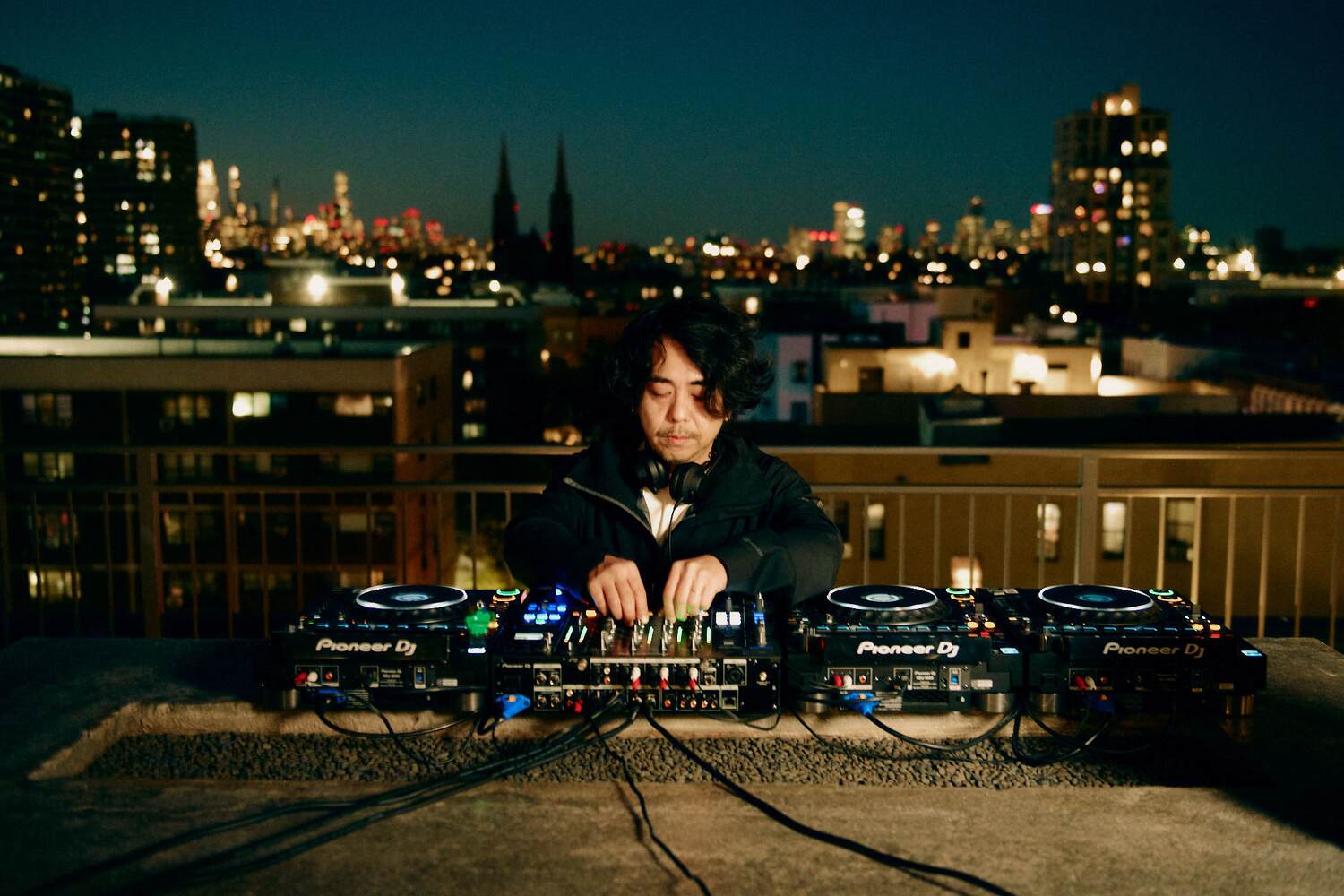
The East Williamsburg cityscape framed in a single, still shot is more atmosphere and mood than scene. There are no grand skyscrapers, just an old cathedral, housing projects and some industrial buildings. Only in the distance can the audience see the mega-scycrapers of Midtown Manhattan. The mood and colours of the sky are constantly changing with each set. Sometimes bright and cloudless, other times moody and dystopian.
We hope that performing in the isolation of the cityscape and atmosphere, without crowd feedback and spectacle, gives the artist carte blanche to experiment and take aesthetic risks. The Artist can follow the logic of the music rather than the room.
As for the Audience, that same feeling shifts attention away from social energy and back toward sound. It’s just the artist and the atmosphere, with DJs acting as vessels of sound in the open air. The focus stays entirely on the music.
You describe _nevs as existing between solitude and community. How do you hold space for both the private act of creation and its public release?
Electronic music is often created in private spaces where experimentation happens, but once released publicly it enters the community. The Sky Stage is intentionally quiet and introspective. There is no crowd (other than our small team recording and some friends), no spectacle, no pressure to perform for a group. At the same time the set is recorded and eventually shared publicly, so the solitude becomes communal only after the fact. The audience is just witnessing instead of feeling a sense of “being there” or “missing out”. This creates a world in which both performer and audience share a sense of solitude.
The project’s ethos rejects spectacle in favor of “pure sound.” What does that look like in practice?
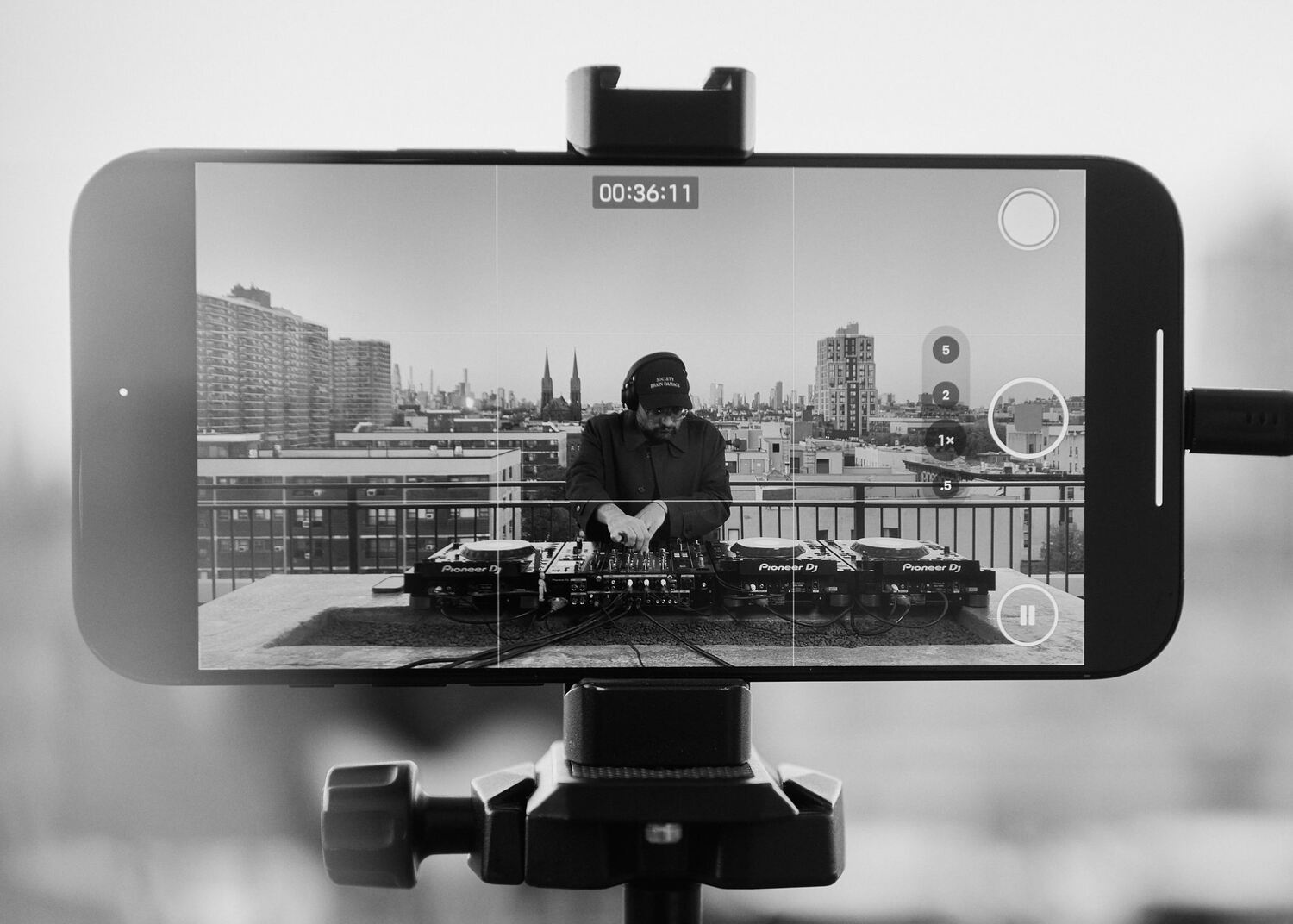
We are more focused on atmosphere, mood and sky than visuals. We’re not as focused on spectacle in the sense that there are no cues that tell people how to feel, such as crowd shots, lights, audience reactions and social feedback. The frame is still and the artist is simply at work in front of the cityscape.
The name “_nevs” comes from your original home studio—a small, personal space. How does that DIY spirit continue to guide the project?
The core of Underground music is inherently DIY, especially here in Brooklyn, but also going back to its early origins. Therefore it felt natural for us to work with whatever space, time and equipment we could find. We record when and wherever we can. There is no grand production crew, staging or set design. DIY for us means working within very real constraints, adjusting to weather, noise, timing or whatever the city allows us to do. Coincidentally that is in a sense part of the spirit of underground electronic music.
_nevs draws artists from across the world, yet feels deeply local. How do you approach curation to balance those two energies?
I started _nevs as a bit of an introverted net dweller, digging for music wherever I could find it online and later starting “global connect” _nevs had an international element from the very beginning. Since New York City is an international City with international artists constantly passing through, curation ends up more relational than anything. Artists invite each other, share music, connect us with friends and discover the project online. The local and global sort of flow into each other in New York City and we keep the door open for artists whose sound interests us.
What does independence mean to you—creatively, financially, or philosophically—in a scene that’s often driven by branding and commerce as New York was long ago swallowed by capitalism?
Independence for me is authenticity – the freedom to pursue a vision without compromising for branding or commercial expectations. _nevs has always been created under constraints and I think that’s the nature of creating art in New York City: everyone here is moving fast and often juggling multiple jobs to stay afloat. The character of _nevs comes from that capitalist reality. The pressure of creating in those in-between spaces and being supported by a community of people facing the same obstacles.
How has the Brooklyn club and electronic scene influenced _nevs, and how do you see yourselves within or apart from it?
As I mentioned earlier, I was exposed to electronic music through digital spaces, so when I first started _nevs, I didn’t approach it as someone embedded in a local scene, I was someone discovering music online. Once the project started to gain a little more traction, we naturally started to intersect more with the local Brooklyn community. Brooklyn and its community have definitely influenced the project. The Artists here have been essential in helping us push aesthetic boundaries and maintain an open space for experimentation and aesthetic risk-taking. Without the Brooklyn community’s curiosity and openness, we wouldn’t exist in our current form.
You’ve created a bridge between digital intimacy and live physical connection. What have you learned about how people experience electronic music today?
Electronic music’s origins are rooted in experimentation and the avant-garde: Edgard Varese, Stockhausen, Otto Leuning; Iannis Xenakis and all of the early magnetic tape music was created in complete isolation and as a sort of theoretical “art-music” experiment. A lot of early electronic music was listened to at home or in studios. It was Detroit that really transformed electronic music into a more communal exercise, while still respecting and balancing its futurist ethos.
Reframing electronic music performances helps attract new audiences beyond club culture and offers fresh visual perspectives for those within it.
Looking ahead, how do you envision the future of _nevs, will it stay rooted in Brooklyn, or expand into new physical or virtual spaces?
I think it’s important for us to keep re-inventing ourselves, experimenting, and moving into new physical and virtual spaces. How the project began is much different from how it is today. We moved from a purely digital space into a physical one.
We understand that the infrastructure of a project like this can be fragile and that we may need to re-invent ourselves and re-adapt out of necessity and not just to innovate and experiment. But _nevs can certainly exist elsewhere—in another country or in another frame. It can continue to adapt, as long as it continues to remain intimate, experimental, and connect to communities, wherever that is happening.
Watch _nevs tv here: https://www.youtube.com/watch?v=gViXmD58s0A&t=3326s
more music content here
34th issue of KEYI MAGAZINE with JEFF MILLS on the cover