
Emerging as one of the most uncompromising voices in contemporary techno, NLI exists far outside the genre’s comfort zone. Her sound is raw, dystopian, and deeply introspective—shaped by a lifetime immersed in music, from classical piano training in Stockholm to the sweat-soaked warehouses of London’s underground. Blending emotional autobiography with political urgency, and drawing inspiration from fractal mathematics, NLI’s work challenges both sonic conventions and industry norms. With her debut album Initiation and the launch of the Deconstruct Reality Project, she isn’t just making music—she’s carving out space for resistance, authenticity, and radical change.
In this interview, we speak with NLI about her creative approach, her working process, and her perspective on the current state of techno.
Hey, how are you today?
Hello, I’m very well thank you – very excited to be back! Thank you for having me.
Could you introduce yourself? Who is NLI?
I am a techno artist, DJ and composer/producer currently based in London. I am also the founder of Adhesive Records, which is my own techno imprint focused on releasing cutting edge music by some of the most subversive creative minds in the game. It has grown into a platform used to promote releases by emerging artists aligned with Adhesive’s worldview to question and challenge contemporary culture, power structures, established norms and social hierarchies. The label is also in many ways an extension of my own work and musical identity, which is driven by my own personal ambition to challenge, subvert and push the boundaries of modern techno.
Your music is often described as gritty, dystopian, and dissident. What does that dystopia represent for you personally, and how much of it is autobiographical versus imagined?
I have always favoured Gregory Claeys’ approach to the concept of dystopia where he has argued that “no self-proclaimed dystopian society has ever existed”. I would suggest that this statement characterises the society we are currently living in – we have constructed it ourselves without being aware of it. A lot of my work explores this line of thought – the commodification of techno and its collectivist social structure where the value of the individual is eroded in favour of the masses. Not only has this had a negative impact on techno artists worldwide, but this dystopian society that we have built has also fundamentally changed the way we think about techno. While a lot of my work is indeed autobiographical and expresses my own vision for techno as a techno artist, it is also testimony to the world that we have built. While these reflections may to some extent be imagined, they are very much rooted in the reality that we live in.
You’ve said each track tells a story about your life – when you’re composing, do you start with an emotion, a memory, or a sonic idea?
It varies quite a lot but in general my starting point is always a concept or an idea. It may be an interaction, an experience or even a conversation that I have had. I think in sound, so to speak, a lot of the time, which means that something I hear in everyday life such as a phrase, timbre etc. translates into a chord progression, lead or even arrangement. When it comes to the technical side of it, I nearly always start at the piano. Most of my tracks have come to life quite naturally in that way – for me it is a more organic way of starting a track, as I am able to familiarise myself with the idea in my head with a traditional instrument that gives me more precise key control.
The concept of fractal techno is central to your sound. How do fractal algorithms and natural patterns translate into your creative decisions in the studio?
My father always told me as a child that mathematics hold the answer to all the secrets in the universe. I learned that mathematics is the most powerful tool we have for understanding reality as it is the primary language used to describe the fundamental laws of the universe. Learning this truth about the world had a huge impact on me and I was in turn also fascinated to discover that mathematics was indeed like a language to mathematicians, in the same way that music is a language to musicians. This discovery continues to inspire me in the studio at present, where I try to find ways to express complicated emotions or tell a story through sound. Fractal techno is conceptual in nature, which offers a lot of room for individual interpretation and gives meaning to specific sounds. In many ways, fractal techno as a sound becomes a language that enables communication between listener and artist.
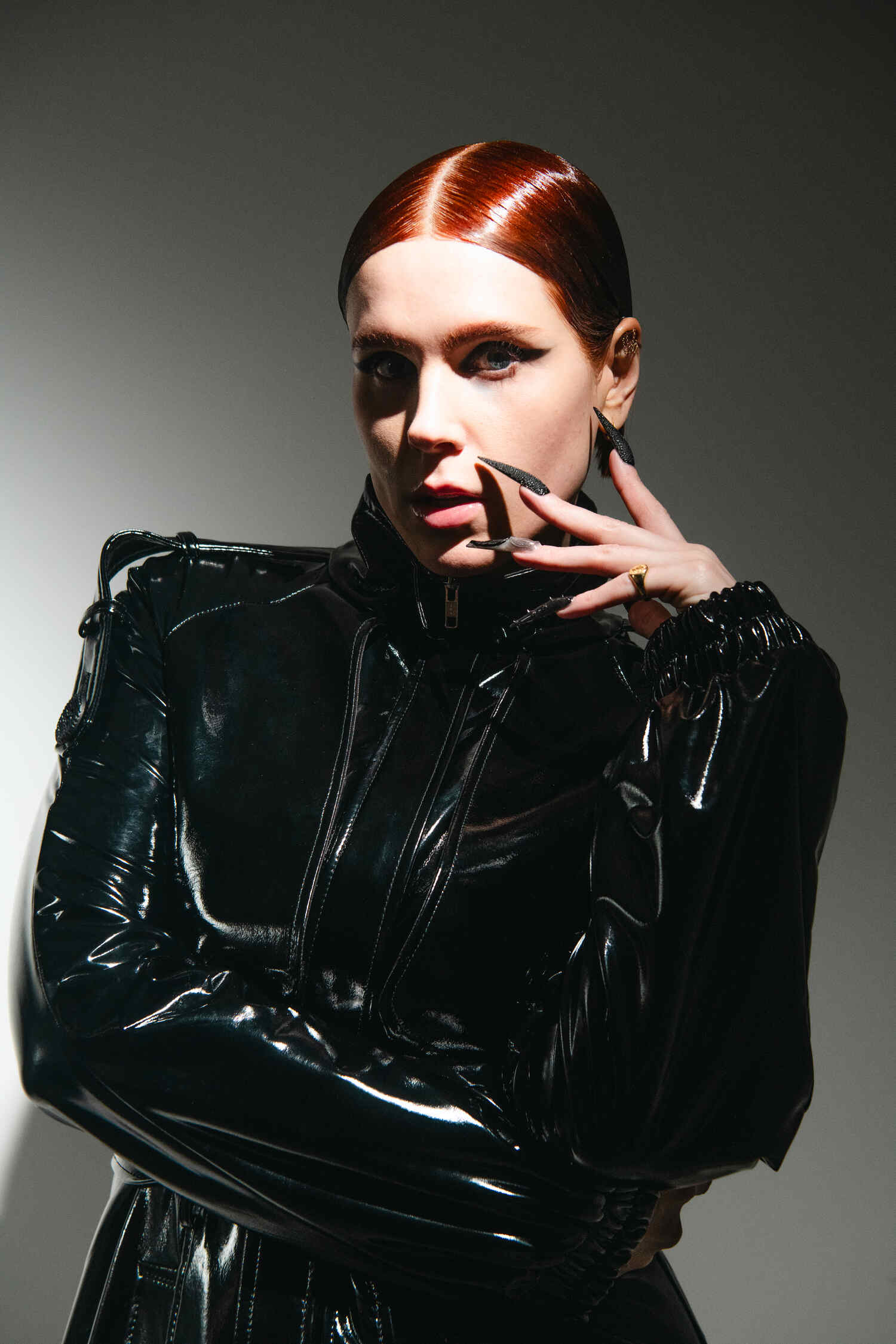
You trained for nearly two decades as a classical pianist before stepping into techno. What did you have to unlearn – or deliberately reject – when you entered the underground electronic scene?
Naturally, many pianists are used to comforts that other musicians do not take for granted and have unfortunately also lived up to this stereotype. When I entered the underground rave scene I found that the underground had a much stronger sense of community and respect for one another than I had previously experienced in classical music, which is why it’s disappointing to see some artists acting entitled or arrogant. This awakened a strong sense of justice in me, which is why I have on many occasions called out fellow artists on the spot for being rude to club staff, technicians and even ravers. I would say that one of the most beautiful aspects about techno culture is its tradition of acceptance, mutual respect and kindness. These values are so important and integral to techno culture, which is why these must be preserved, upheld and passed down to the next generation of techno artists at all costs.
You’ve said you prefer to call yourself a composer rather than a producer. What does that distinction mean to you in a techno landscape that often prioritises output over depth?
In principle, anyone can rightfully call themselves a producer simply because DAWs are widely accessible, sample packs are affordable and no real knowledge of music theory is required to put together a simple track. I personally do not judge anyone who uses sample packs in their work, but it must be said that throwing a bunch of samples together and calling it a day is not making music. It has now reached a point where a significant amount of techno out there is made in exactly this way and I find that this is a symptom of a deeper problem within the scene, which is the norm of making music purely with the intention of becoming famous. I therefore prefer to use the term composer instead of producer when referring to anyone who is passionate about music and takes their work seriously, given that the word producer has now almost entirely lost its original meaning.
Living in a bohemian collective in West London seems like a turning point. How did that environment change the way you thought about music, identity, and freedom?
At the time, I had quite a complex relationship with my music as I had vowed to never return to the music industry due to prolonged periods of burnout and stress. However, something in me clicked when I put myself into an environment where I could make music on my own terms. I started creating what felt natural to me – which at the time was ambient music and industrial noise. Looking back at that period of my life, I would say that living in a kind of “self-exile” enabled me to truly get to know myself as a musician and perfect my craft and artistic vision. I would in all honesty encourage anyone who wishes to pursue music professionally to do so, as I find it is extremely important to know who you are and what you have to offer to your audience before ever getting on a stage.
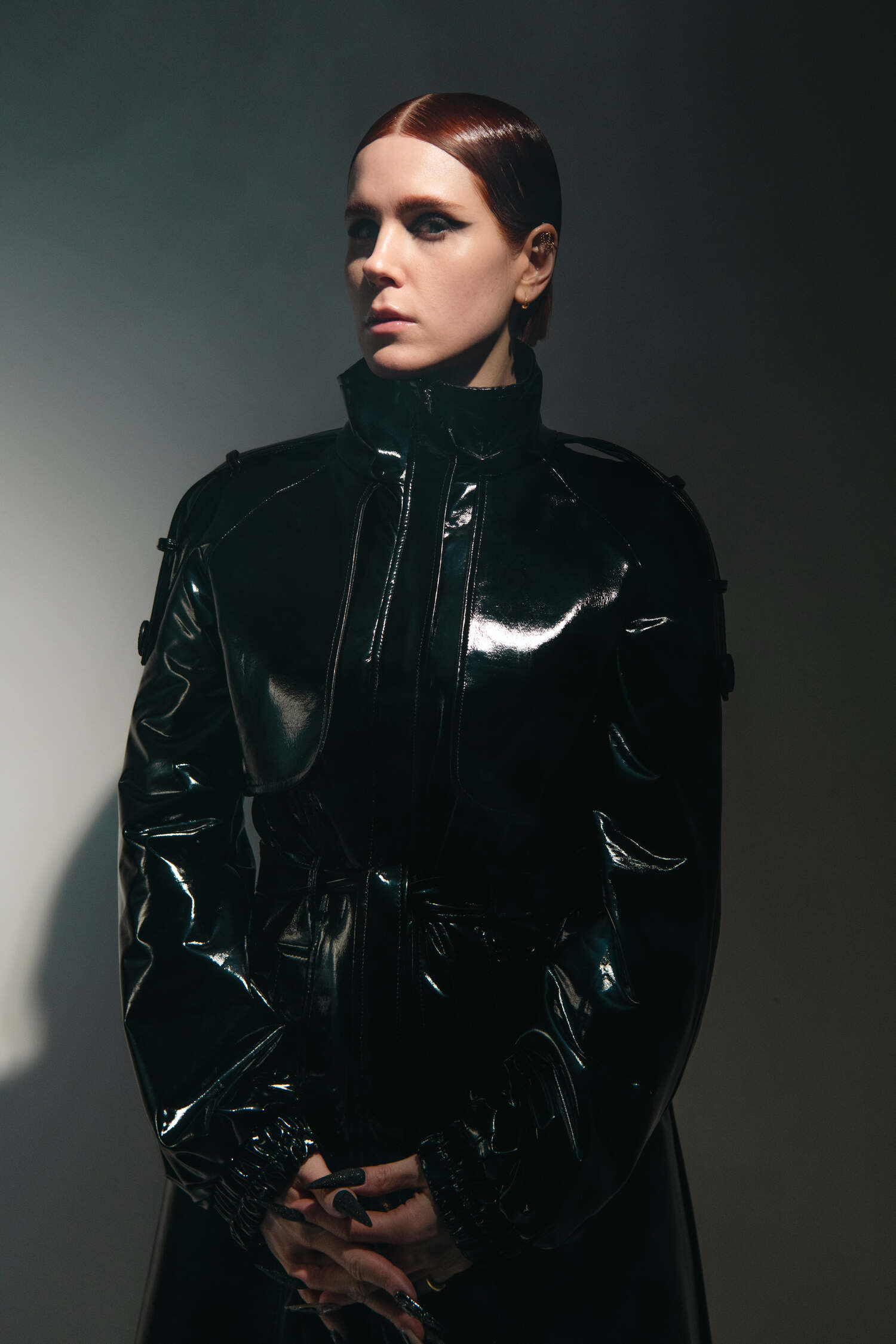
Your debut track ASPD carries a heavy political and emotional message. How do you balance symbolism and impact without diluting the rawness of your sound?
The nature of the music that I make is conceptual in nature and is tied to underlying meaning in an almost symbiotic way that where one would not exist without the other. In the same way that a book has chapters and a painting has paintbrush strokes, the individual elements in my music transcend its musical arrangement by coming together sonically in my fractal techno. All my music is characterised by complex layers achieved through surgical sound design, making each layer intentional and important.
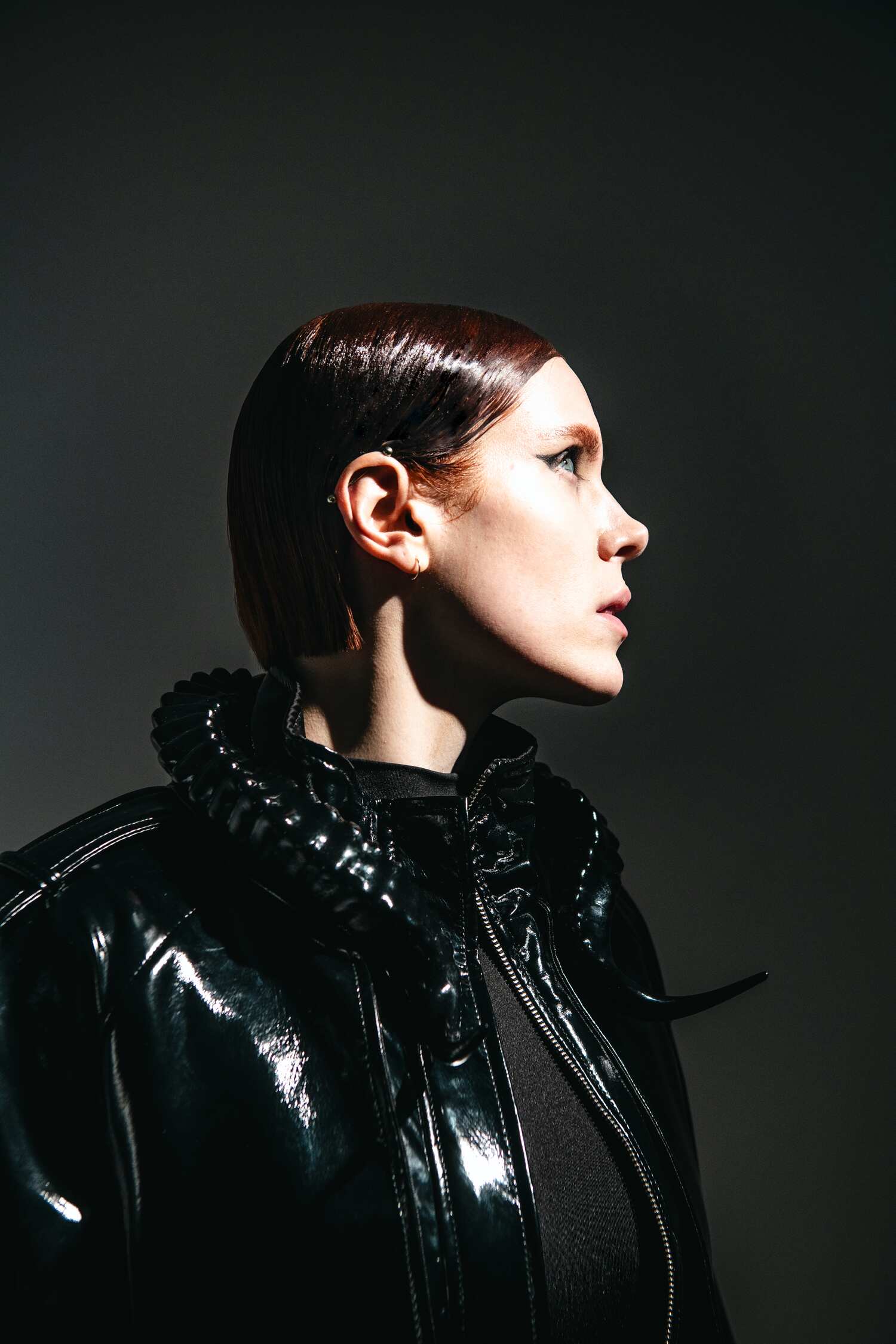
You’ve been very vocal about misogyny, harassment, and marginalisation in the industry. How have those experiences shaped not just your activism, but the aggression and tension in your music?
They have been crucial to my music. In fact, many of them are the result of me being unable to fully express myself using words. One of my good friends in the industry who has also been a form of mentor to me since the very beginning of my career told me at some point that whenever I was feeling frustrated, sad, angry or was going through an emotionally intense period I should get it out by making a track – and this has proved to be true, as some of my best work came out of negative feelings and situations. I would even say it is probably one of the healthiest coping mechanisms when you encounter difficulties in life.
Turning down opportunities to protect your integrity is a bold move in today’s scene. Have there been moments where that decision felt risky – or even isolating?
Absolutely – however, looking back at those situations I would not have done it any differently. I am quite a careful person when it comes to making big decisions and act on impulse very rarely. Acting on rationale rather than emotion has always been important to me, which is why I prefer taking a calculated and analytical approach to any given problem, avoiding any rash decisions. My mother taught me that being polite is the best way to ensure that you always come out on top and that advice has really served me well in many difficult situations since the beginning of my career.
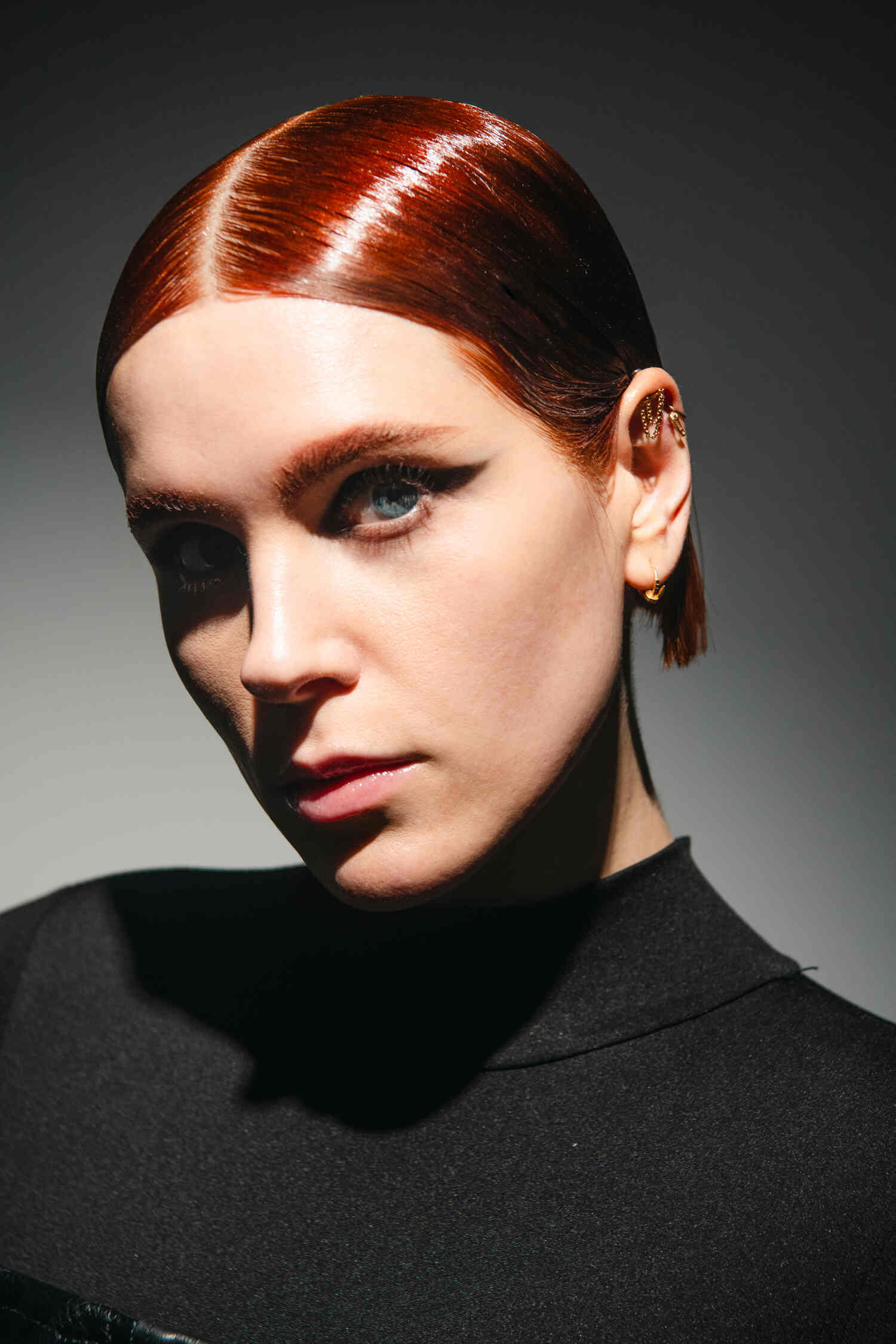
The Deconstruct Reality Project aims to empower young creatives and challenge harmful industry norms. What kind of change do you realistically hope to see within the next few years?
The techno scene has undergone a lot of changes in the past year only and it seems that it will not be slowing down anytime soon! I would very much hope that these changes would work in favour of innovative young minds and encourage artists to take more creative risks by exploring their sound to its full extent. From what I have heard, many have expressed concerns both in private and in public about the state of the scene and if we are about to enter a new age where safety, professionalism and respect will be prioritised both on stages and dancefloors where people who do not respect the values of the scene will not feel welcome. We are yet to see in what direction techno will be going from here, but I am optimistic! There is a great deal of talent out there and a lot of support within many techno circles.
Your debut album Initiation feels deeply personal yet socially critical. Was it difficult to expose such vulnerable parts of yourself while also making a broader statement?
Absolutely, it was quite nerve-wrecking in the months leading up to the release of ‘Initiation’ last year. I was mainly worried that both my music and my vision would not be understood – looking back, I think it was quite normal to think that way as any artist probably would. We are often told to stay true to ourselves and our sound, but obviously we care a lot about what our fans and supporters think. I am sure it is as important to other artists as it is to me that those who follow me and my music find it fulfilling to listen to. I have been extremely fortunate when it comes to being supported in the scene and connecting with my followers through my music. Every release is very special to me, because each new track going out into the world enables me to connect with my community on a deeper and more personal level.
As your career grows, how do you protect that truth from being eroded by expectations and industry pressure?
This is of course, very challenging at times and I feel that this sentiment is shared by all artists in general. I have always chosen slow and authentic growth where I am fully in control of my artistic vision over fast and unstable growth where I will inevitably need to compromise in one way or another to maintain it. Connecting with a community that shares your vision in an organic way takes time and it almost becomes a game of trust. In the same way that I trust my supporters by sharing the imperfect but authentic sides of myself, they also trust me by following me into the depths of the world that I have built for them with my music.
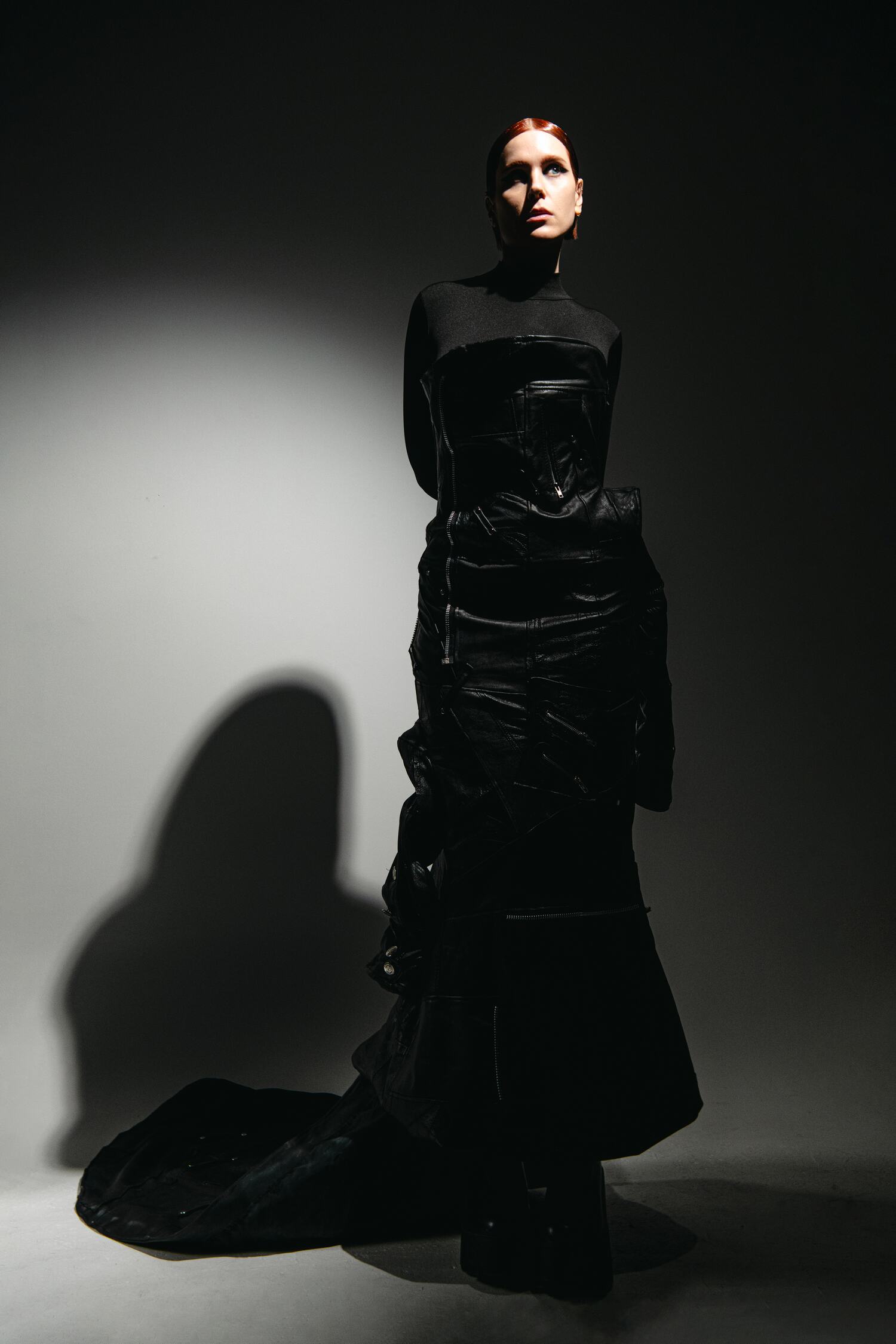
Follow NLI here
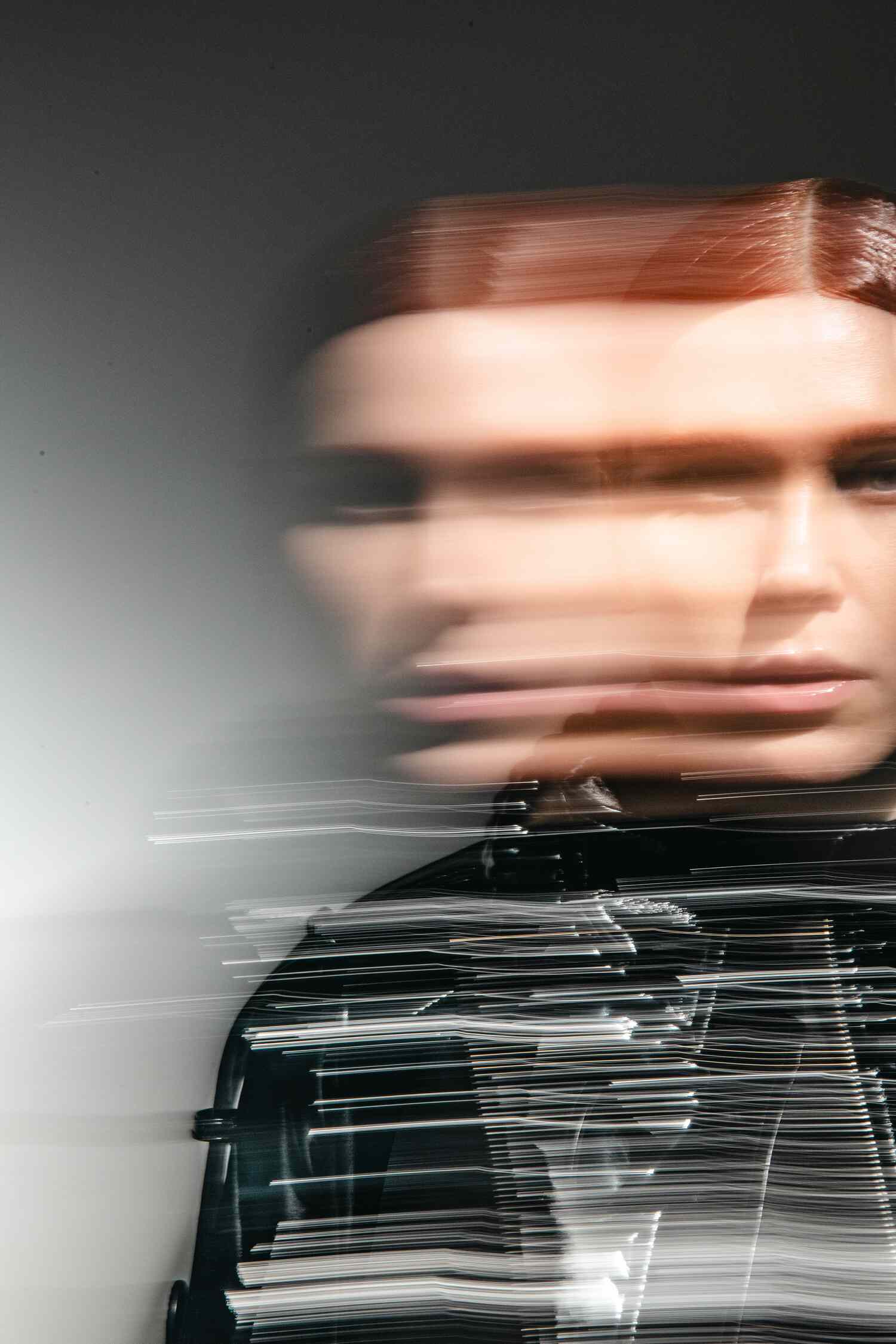
Photos KEYI Studio
Hair Attilla Kenyeres
Styling KEYI Studio
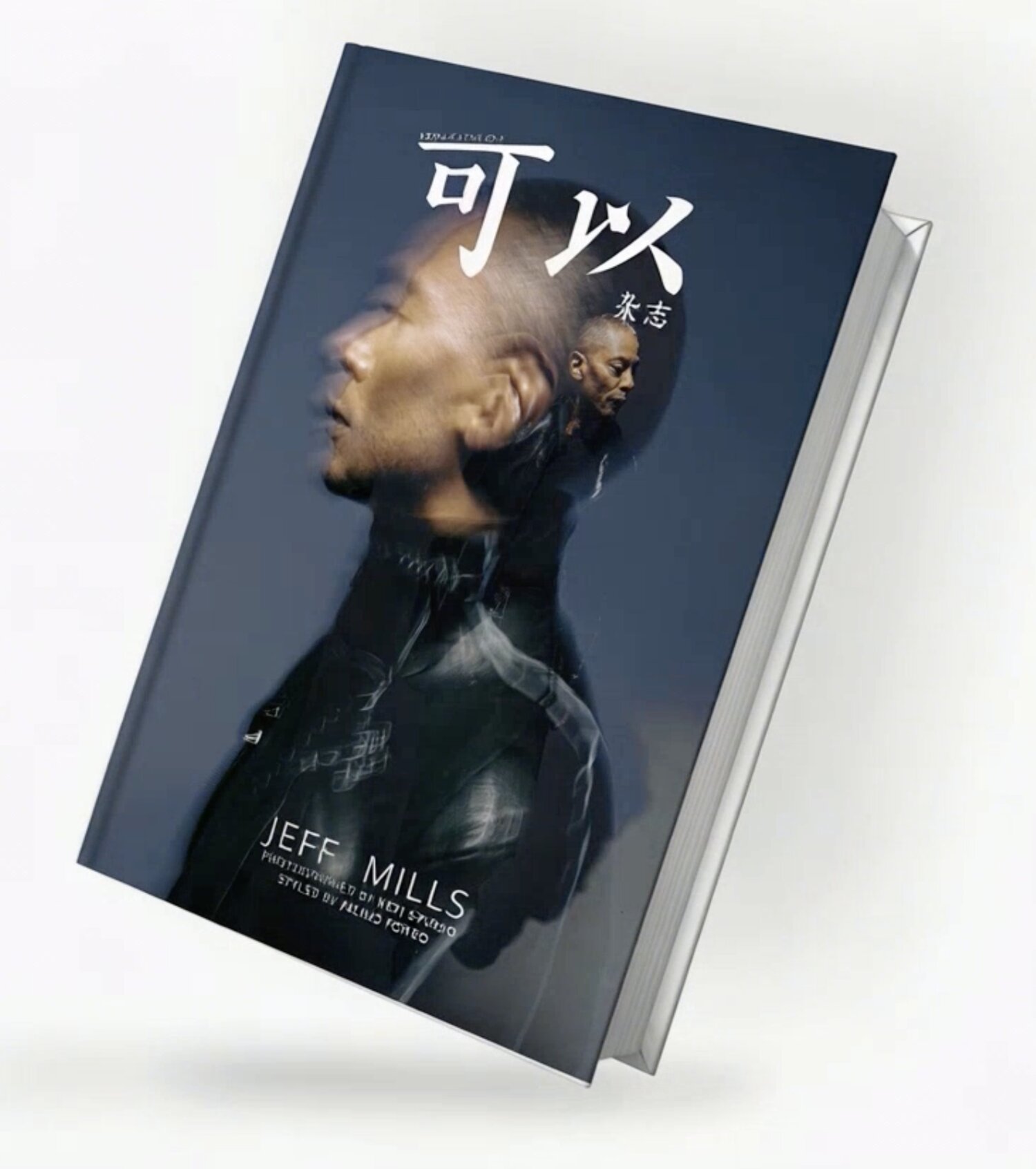
34th issue of KEYI MAGAZINE with JEFF MILLS on the cover