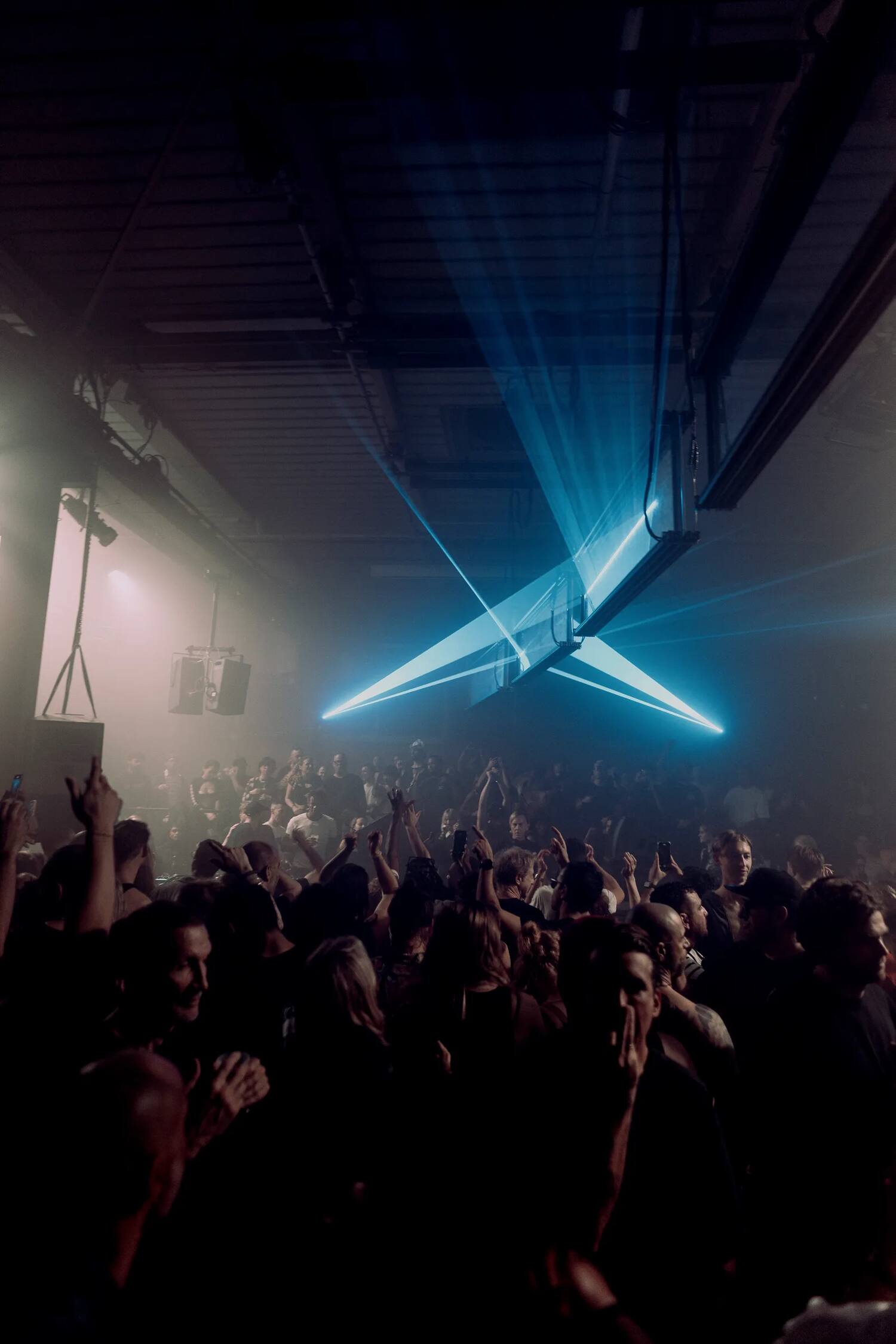
Amsterdam Dance Event returns to Amsterdam from October 21–25 for its 30th edition. Over five days and nights, the city will once again become a meeting point for artists, industry professionals, clubs, cultural institutions and audiences from around the world.
But the 30th anniversary is not only about looking back. Across this year’s ADE Pro, Festival and Arts & Culture programs, a different question emerges: what does electronic music look like as it moves into its next chapter?
30 Years, and a Bigger Picture
ADE started three decades ago as a meeting point for Amsterdam’s growing electronic music scene. Today, that idea has expanded far beyond a single industry gathering. The event brings together different generations, scenes and approaches to electronic music, while increasingly connecting it with technology, visual art and wider cultural activity.
The 30 YEARS ADE program makes that shift particularly visible. Its Icon Series brings together projects that sit outside a conventional club setting, including Boris Acket’s EINDER, Swan Lake Remixed and a special appearance by Jean-Michel Jarre. The anniversary therefore becomes less about recreating ADE’s history and more about examining the culture that has grown around electronic music over the past three decades.
What the Industry Is Talking About
The completed ADE Pro program offers another view of where the scene is heading. Rather than focusing on one dominant subject, this year’s sessions repeatedly return to the changing relationship between music and technology, the ways artists can build more independent careers, and how the industry can respond to growing pressure on artists and communities.
AI is naturally part of that conversation. Sessions with NVIDIA, Spotify, YouTube Music and Suno look at technology from different angles, from creative tools and platforms to the wider impact of AI on music. At the same time, artist-led sessions approach the industry from a more personal perspective.
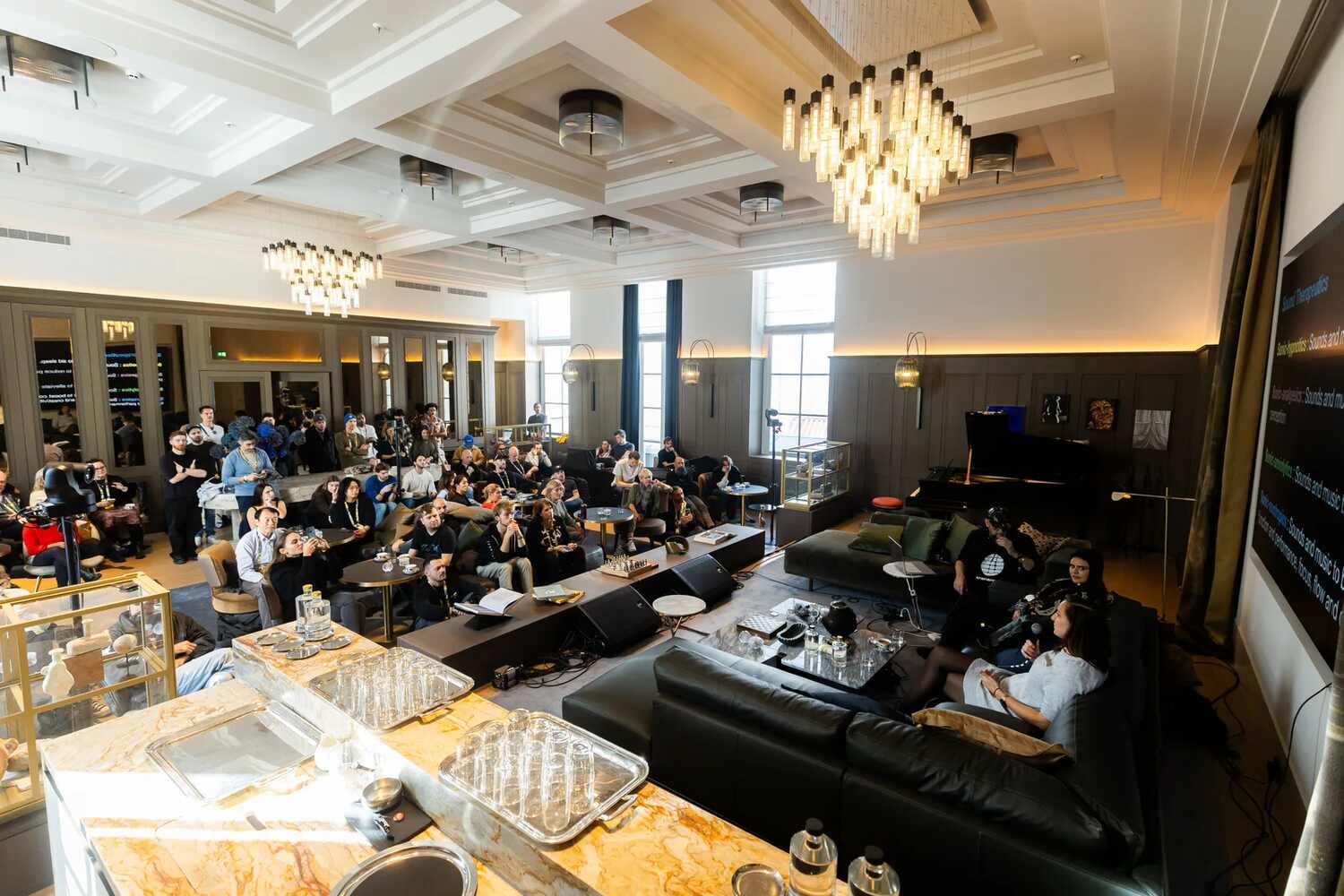
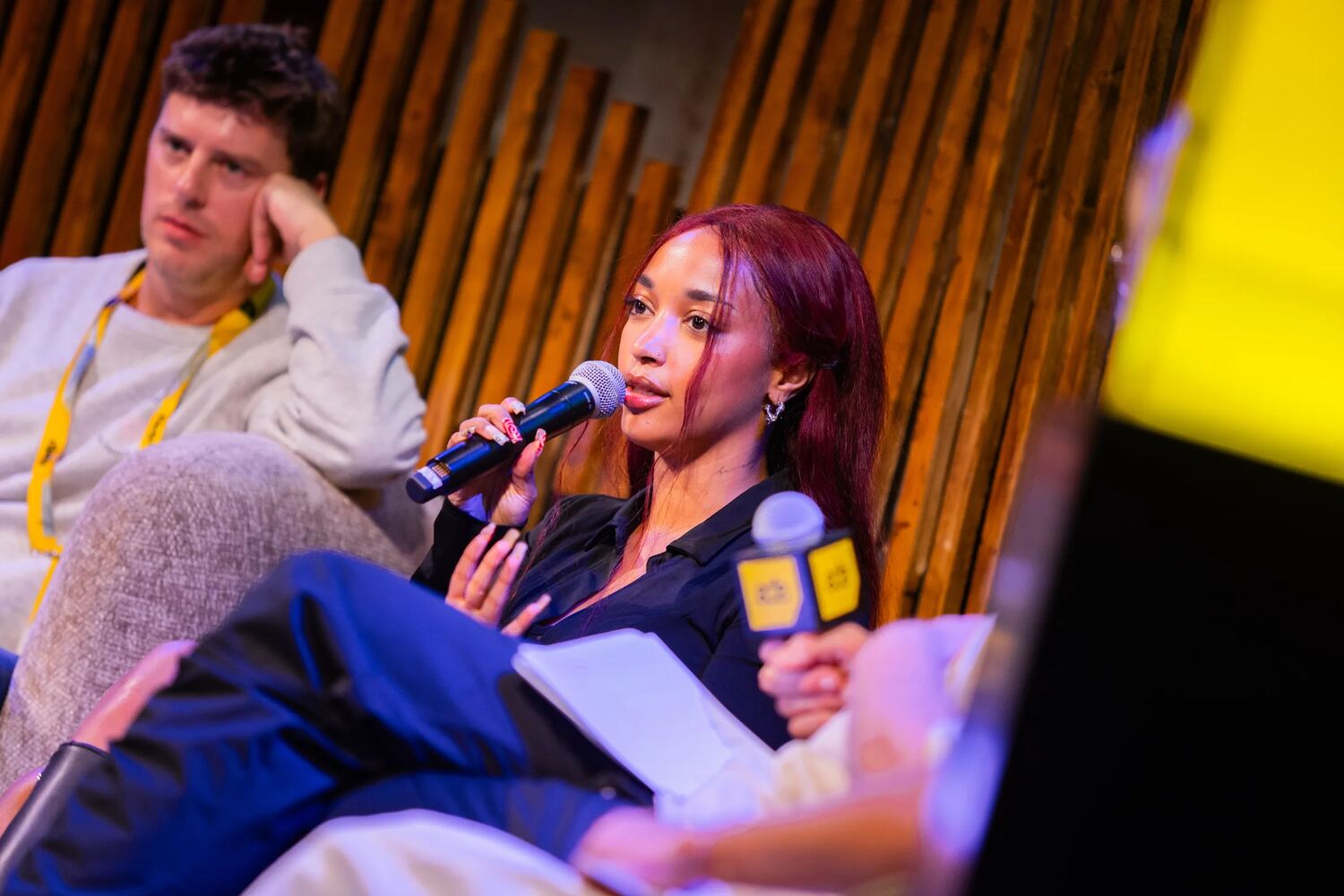
Armin van Buuren joins Jean-Michel Jarre, Lady Starlight and JakoJako to consider how different generations of artists have approached technology. Mau P’s session focuses on building an independent career and label, while HoneyLuv looks at artists creating their own communities and opportunities as traditional gatekeepers continue to change. Elsewhere, Afrojack’s conversation around mental growth and Max Cooper’s exploration of immersive experiences point to concerns that extend beyond music production itself.
Taken together, these sessions suggest an industry dealing with a broader set of questions than simply what comes next sonically.
A Festival Without One Centre
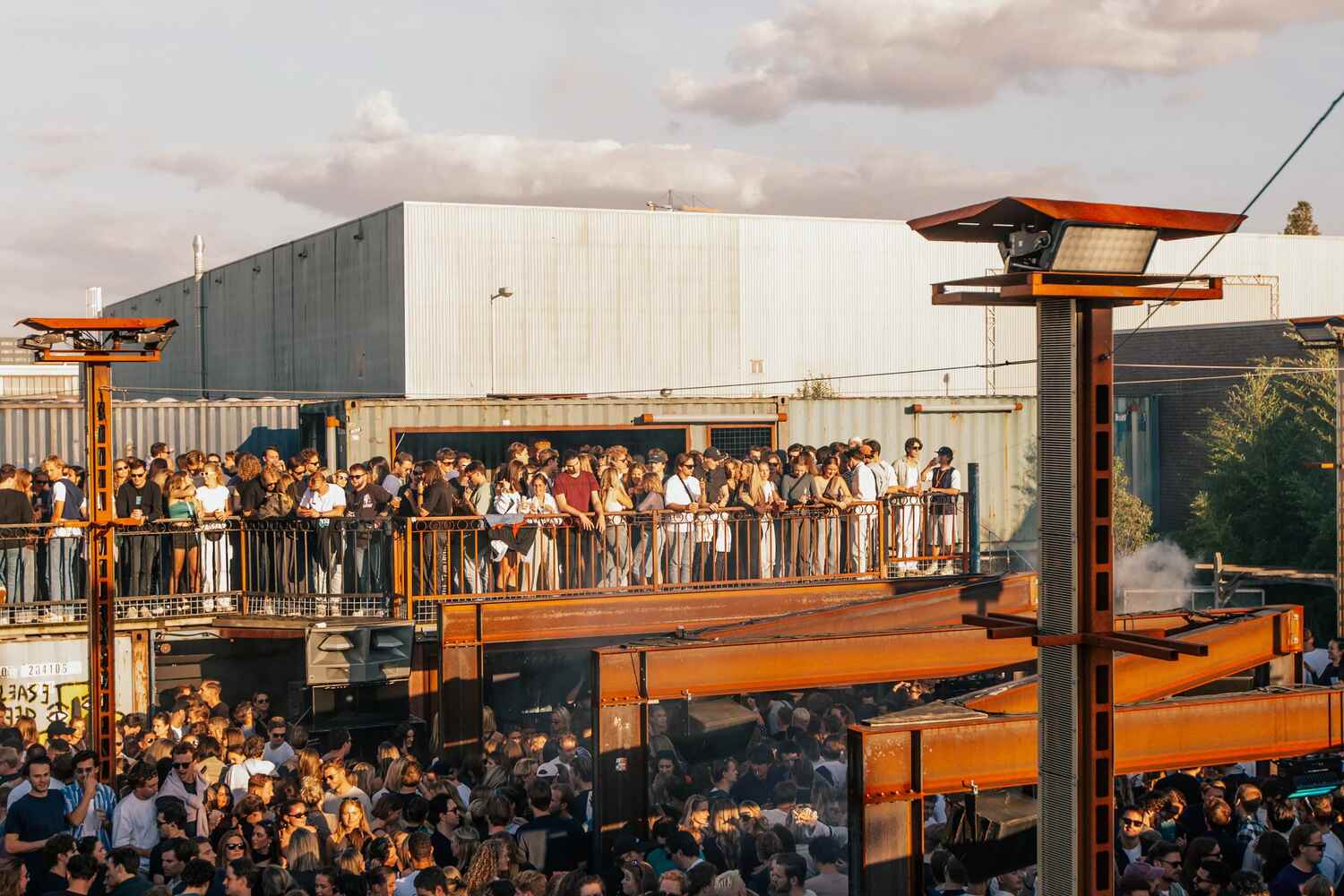
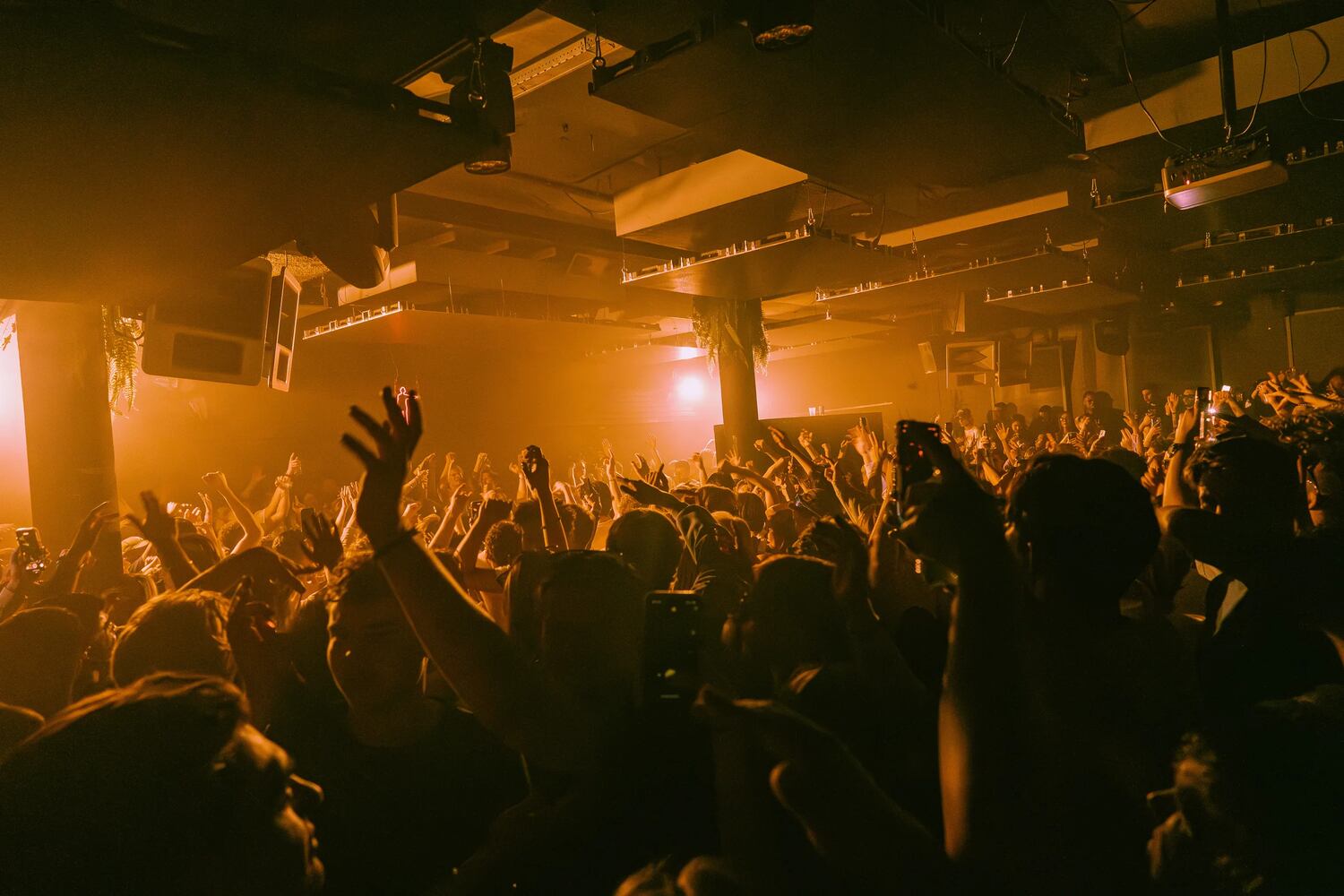
That wider perspective is also built into ADE Festival itself. There is no single ADE Festival site. Instead, events organised by venues and promoters take place throughout Amsterdam, creating a citywide program that brings together different scenes, audiences and generations.
For 2026, the Festival and Arts & Culture program spans more than 1,200 events, 300 venues and 3,300 artists across five days and nights. The 30 YEARS ADE Icon Series adds another layer to that landscape, highlighting projects where electronic music intersects with art, technology and live performance.
The result is a festival that functions less like one fixed event and more like a snapshot of the city’s electronic music ecosystem. Different communities can occupy their own spaces while becoming part of the same week.
When Electronic Music Moves Beyond the Club
ADE’s Arts & Culture program takes this idea further. Its focus is on the connections between electronic music and visual art, film, performance, technology, activism and grassroots communities.
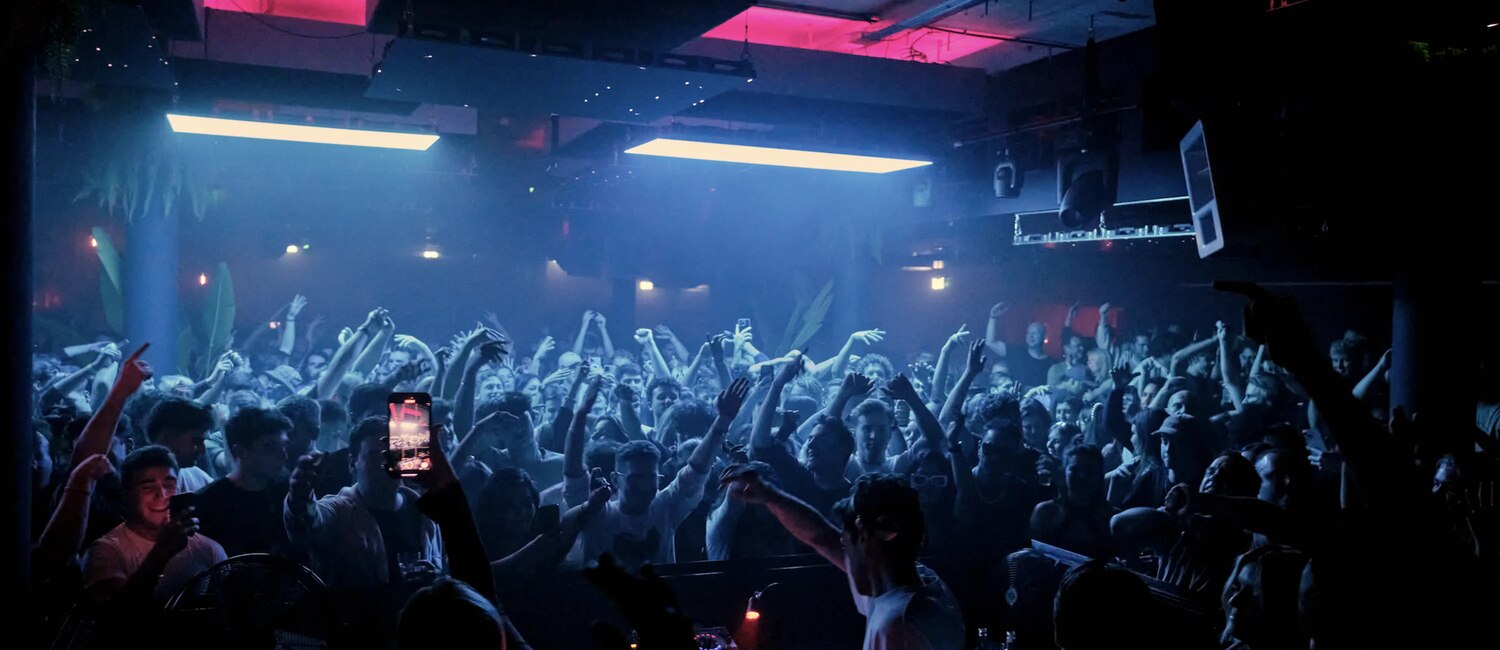
This is an important part of understanding what ADE has become at 30. Electronic music is no longer presented only through DJs, dancefloors and clubs, but as a culture that can also be experienced through installations, audiovisual work, performance and other forms of creative practice.
The anniversary program reflects that broader definition of the scene, placing music alongside other disciplines rather than treating them as separate worlds.
What’s New This Year?
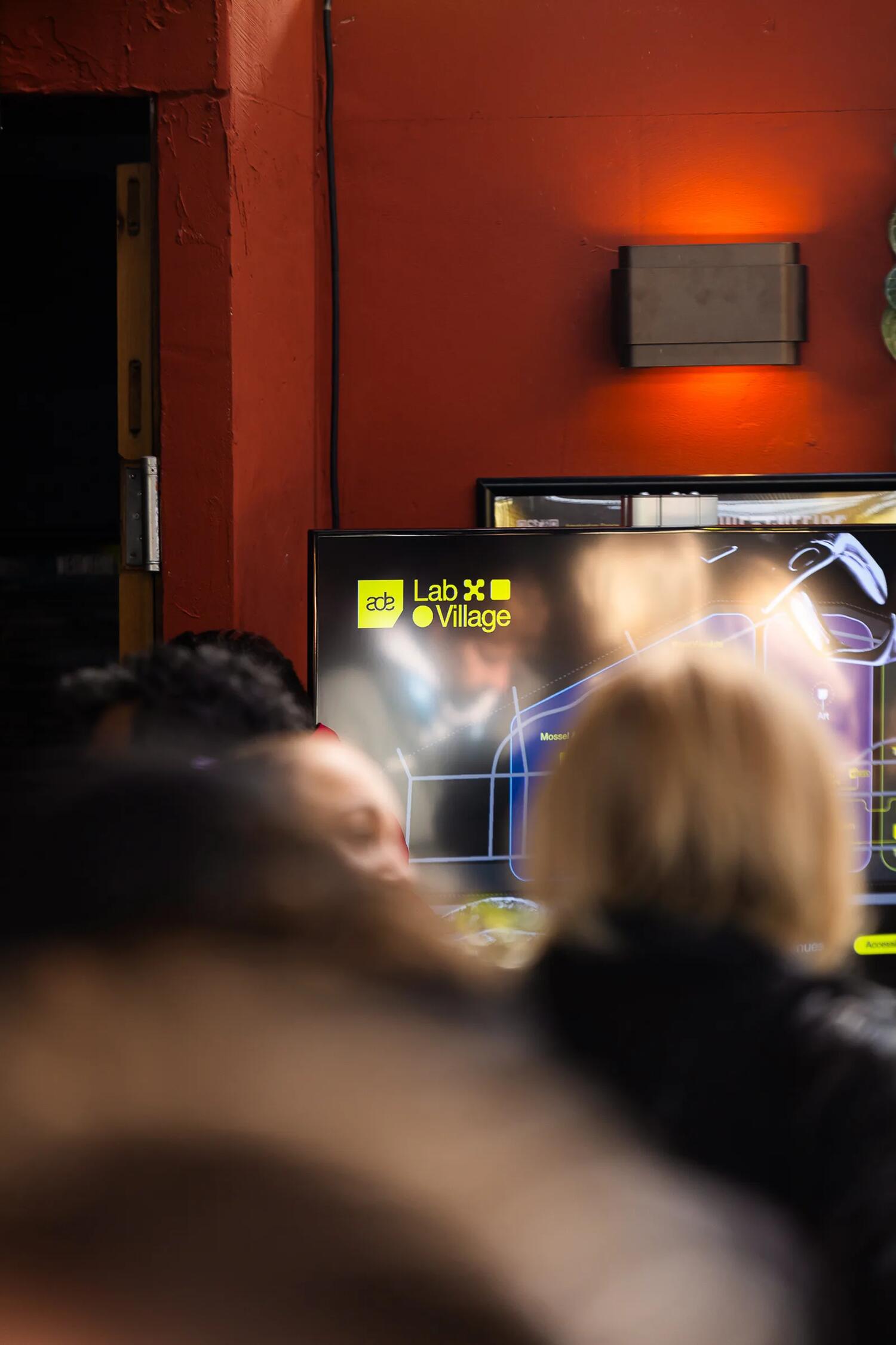
One of the clearest additions for 2026 is ADE Lab Discovery, introduced alongside the more in-depth ADE Lab On Track programs.
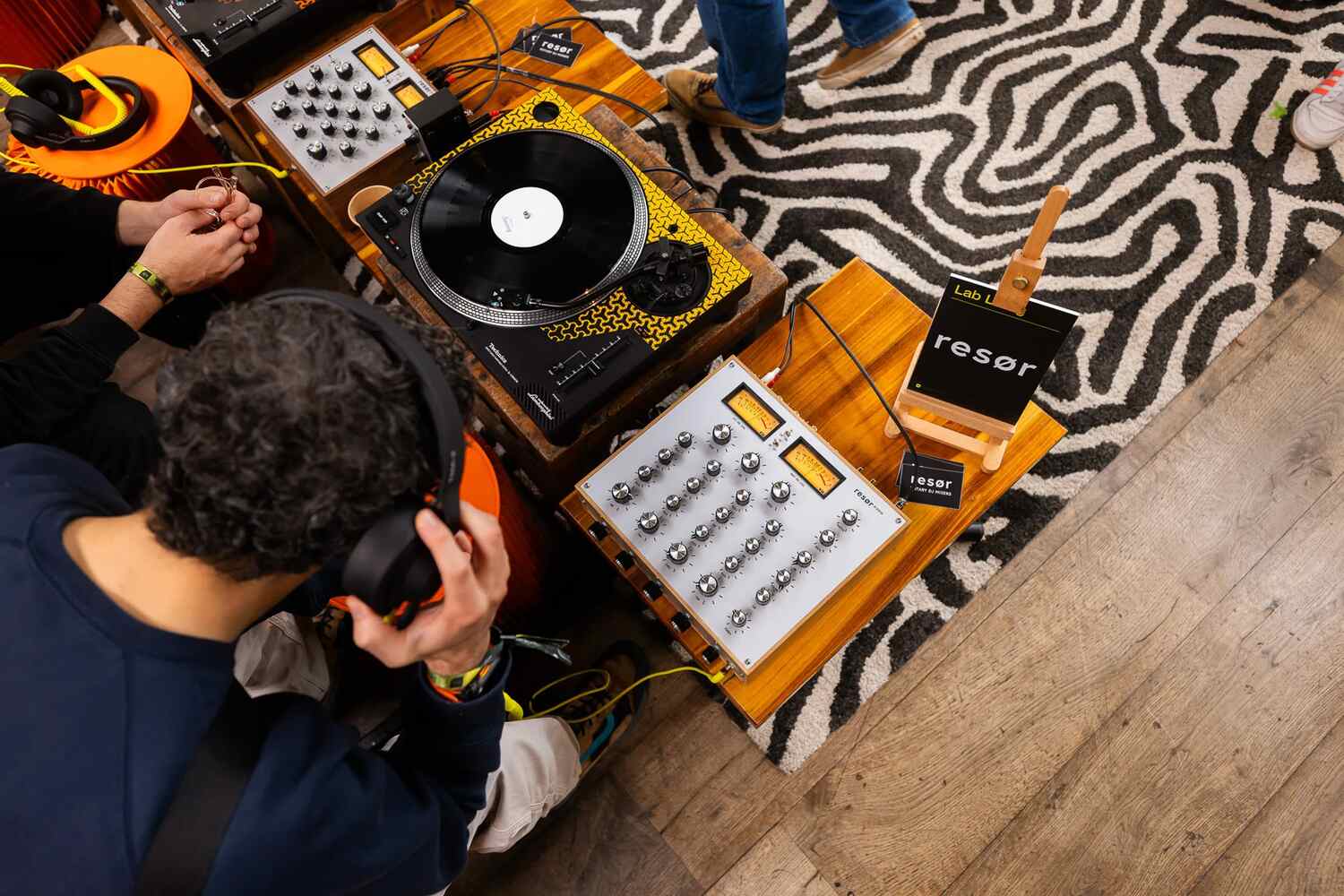
Running Wednesday to Friday at Lab Village in Amsterdam’s Westerpark, Discovery is completely free and open to anyone interested in electronic music culture. Visitors can move between open-to-join sessions, cultural experiences and the Gear Test Lab, where they can try DJ equipment, instruments, production tools and new technology.
The program also includes accessible sessions at Het Ketelhuis, where ADE specifically states that no prior knowledge is needed, as well as listening sessions at Radio Radio focused on the artists, collectives and scenes behind electronic music.
That makes Discovery an interesting addition to this year’s ADE. It is not aimed only at people already working in the industry or producing music themselves. It creates a more accessible way to encounter the culture around electronic music, whether someone is new to ADE or simply curious about another side of it.
Looking Into the Next 30 Years
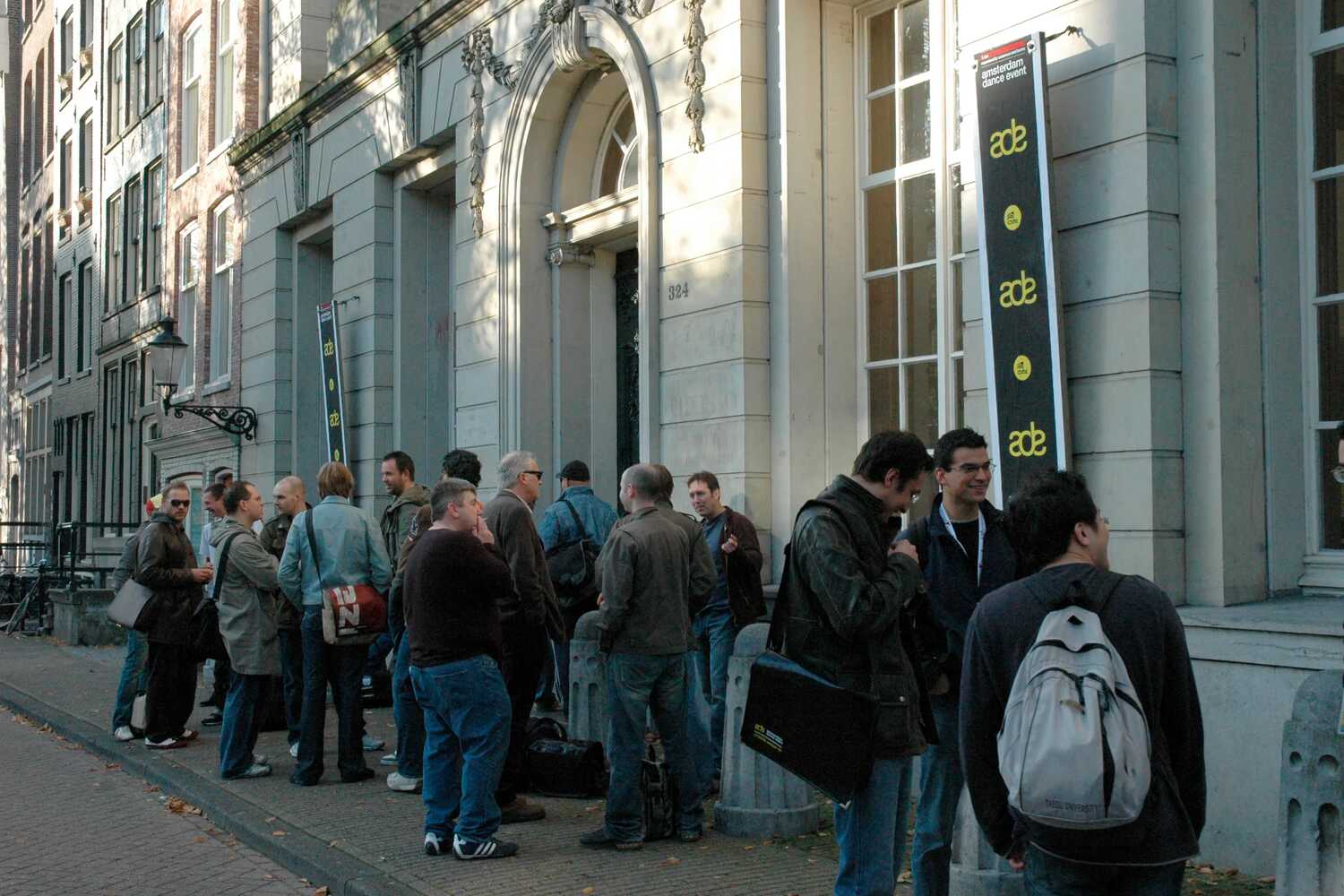
Thirty years after ADE began as a meeting point for Amsterdam’s electronic music community, its 2026 program reflects a scene that has become considerably broader.
The anniversary brings together established names and new voices, but also questions about AI, independent careers, wellbeing, immersive experiences and the relationship between music and other forms of culture. From the professional conversations of ADE Pro to the citywide Festival and the new ADE Lab Discovery, this year’s program suggests that ADE is using its 30th edition not simply to celebrate where electronic music has been, but to consider where it can go next.
Attend 30 YEARS ADE
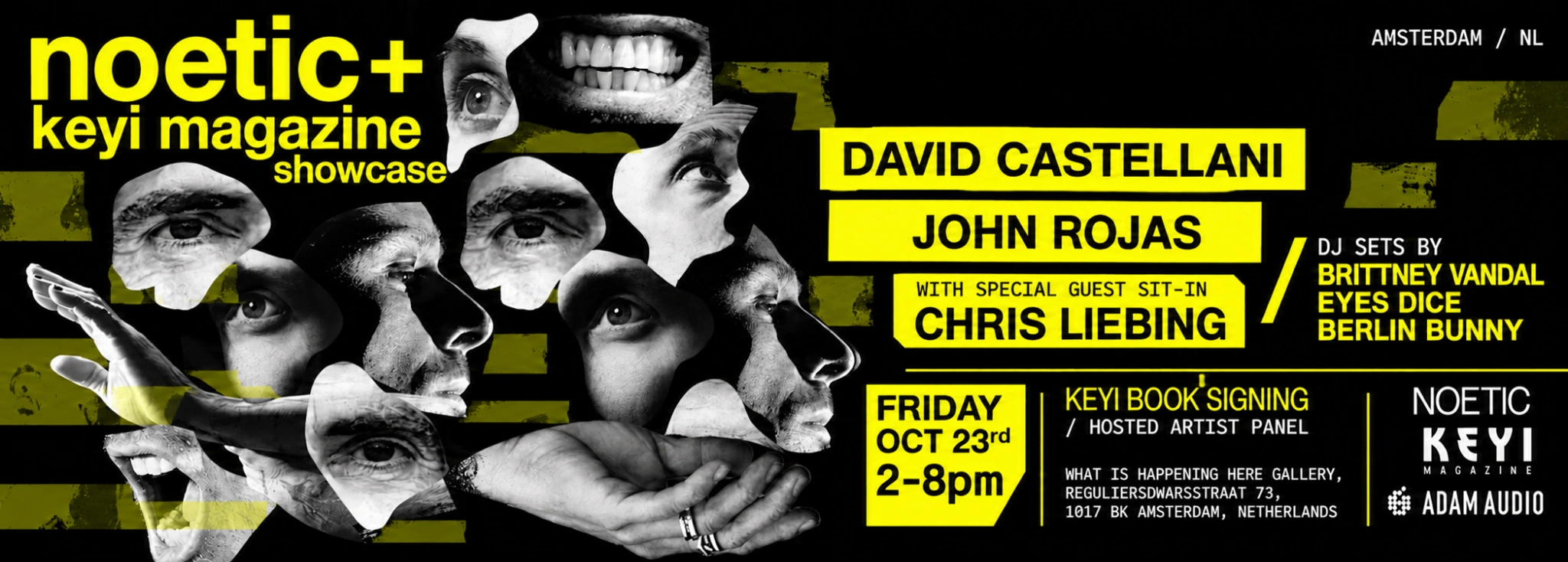
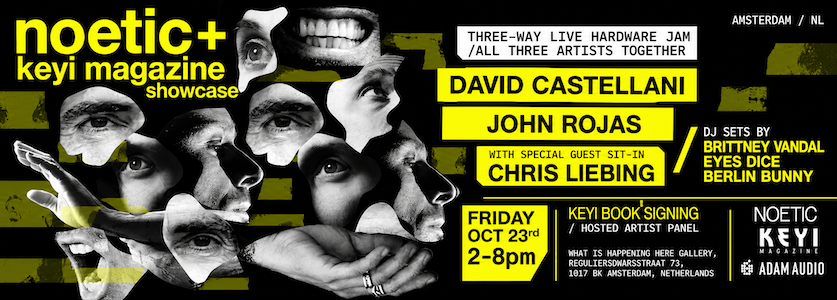
Keyi x ADE, 23th October 2026 RSVP
Check more music related articles here.