
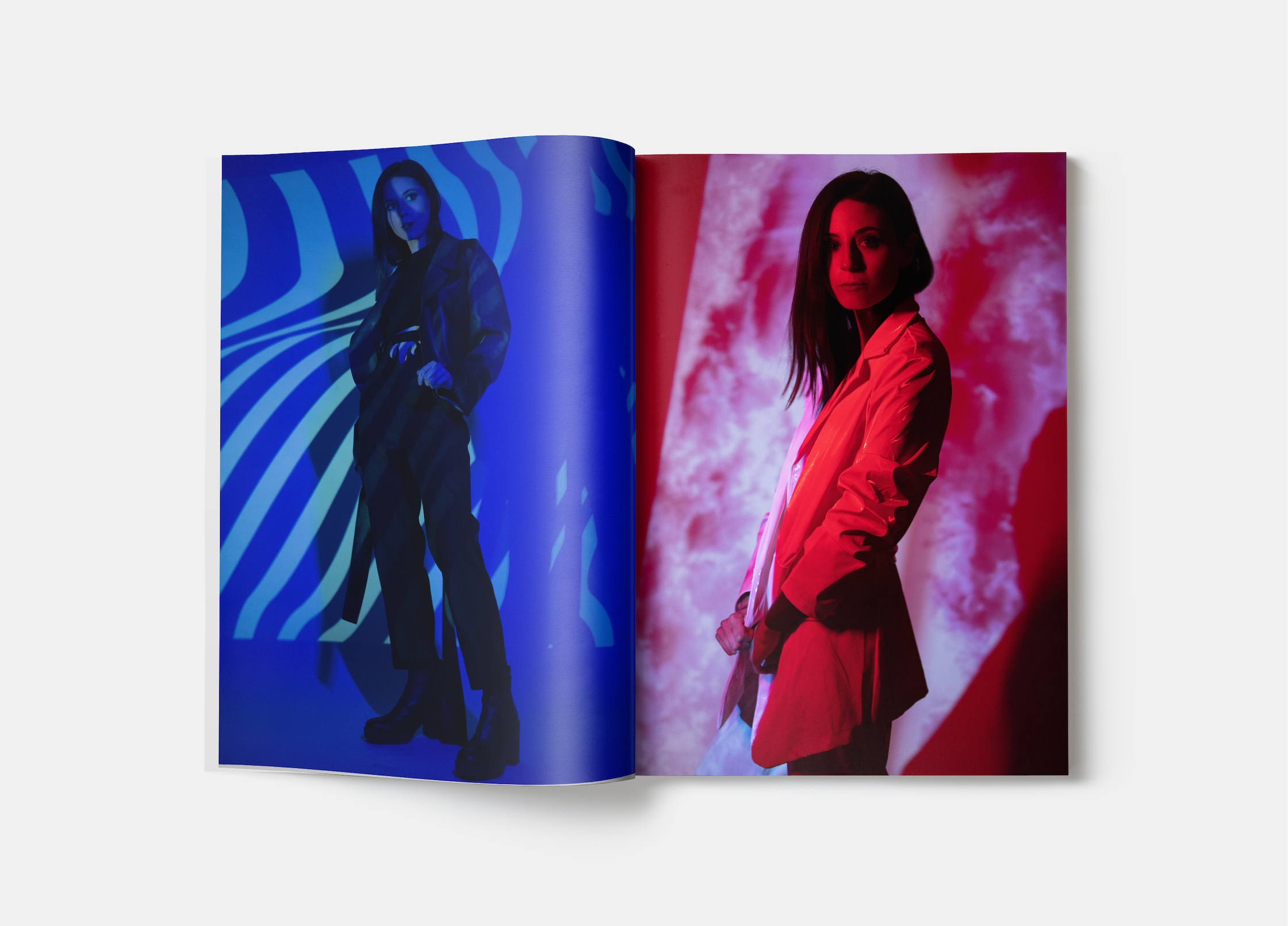
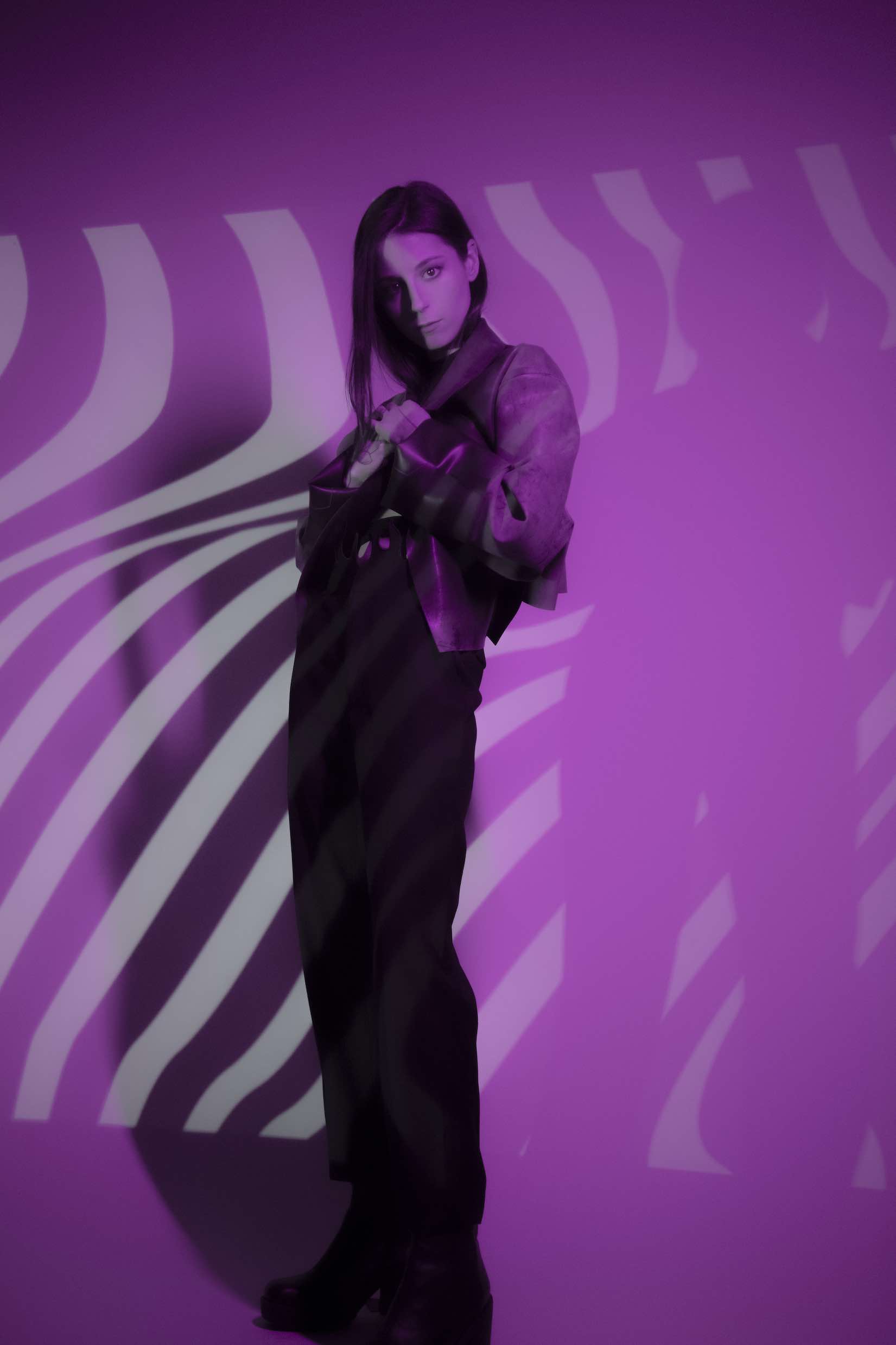
With over a decade spent on the dancefloor, over the turntables and behind the scenes, Tresor resident Chloe Lula took a moment to chat with us on all things electronic music, gender justice, modern journalism and returning to her background as a classically trained artist.
San Francisco-born and now Berlin-based Chloe Lula has become an all-encompassing performer known for atmospheric sets that dig deep into the niche recesses of techno, electrovl, and experimental music. Alongside a profound musical career, she is Resident Advisor’s Senior Producer, the Critical Beats columnist at The Wire, and a selector for her monthly radio show, ‘No Exit,’ on Refuge Worldwide.
LISTEN LATEST ALBUM OF CHLOE LULA:
10年以上にわたって、ダンスフロアやターンテーブルの奥側、そしてシーンの表と裏で過ごしてきたTresorのレジデントDJであるChloe Lulaが、「エレクトロミュージック」や「ジェンダージャスティス」、「現代ジャーナリズム」、そして彼女の背景であるクラシック演奏者としての原点回帰について語る。
サンフランシスコ出身、現在ベルリン拠点の彼女は、エレクトロ、ウェーブ、インダストリアル、テクノ、エクスペリメンタルミュージックをとことん深く掘り下げるセットで知られるパフォーマーである。彼女は音楽キャリアに加えて、「Resident Advisor」のシニアプロデューサーとしての肩書きをはじめ、「The Wire」のCritical Beatsのコラムニスト、「Refuge Worldwide」でのラジオ番組「No Exit」の月間セレクターでもあるなど、活躍の幅は多岐にわたる。
What were some early influences in the music that shaped who you are today?
So, I started out playing the classical cello, that was basically my introduction to music. I was doing that really seriously until the age of 18. I went to music school, and then I went to the Conservatory on the weekends. I reached this point where I had to decide whether I was going to pursue it professionally or not. I had become bored with how regimented and structured classical music was, and around this time I had to make this decision I also discovered dance music. I started going to raves in San Francisco. That was when my focus started shifting from classical music to electronic music, which is interesting now that I’m circling back to classical music again which I was not expecting!
若い頃に影響を受けた音楽で、今のあなたを表現するものはなんですか?
私にとって音楽の道への入口となったのは、クラシックのチェロを弾きはじめたときでした。18歳の頃まで本気で取り組んでいて、音楽学校に通い、週末には院にも通っていました。その後、プロとしてチェロを弾き続けていくのか決めなければいけなかった。その時点で、規律正しく構造化されているクラシック音楽に飽きていましたし、ちょうどダンスミュージックを見つけはじめた時期でした。それからサンフランシスコのレイブパーティに行くようになり、私の興味はクラシックミュージックからエレクトロミュージックに移っていったんです。ですが、実は最近クラシックミュージックへの興味が自分のなかで再燃しています。こうなることは予想していなかったので、面白いです。
How do you feel these two genres interact in your life, do you feel there are any crossovers in terms of when approaching your sets, production and buying music – or do you see classical music and electronic music as separate entities in your life?
That’s a great question. Nowadays I see much more of a crossover that I didn’t see when I was younger. Which is why I kind of ditched the cello and didn’t touch it for basically 10 years, in my mind they were two completely separate worlds. But now, I’m seeing a lot of artists who have a foot in both electronic and classical music and are doing a lot of interesting electroacoustic music. There’s a composer I really like right now called Yair Elazar Glotman, he’s doing a lot of electroacoustic stuff with the bass and he’s also released on Opal Tapes, a lot of his productions use samples of bass strings recorded in really different and new ways. There is also Hildur Guðnadóttir the Icelandic cellist who created the score for Chernobyl and The Joker.

クラシックミュージックとエレクトロミュージック、ふたつのジャンルが交わっている人生についてどのように感じていますか? セット作りや楽曲制作を行ったり、楽曲を購入したりする際に、ジャンル同士の重なりを感じることはありますか? それとも、それぞれをまったく別の存在として扱っているのでしょうか?
いい質問ですね。最近では、若い頃には見えなかったジャンル同士の重なりをより多く見ることができています。それぞれをまったく異なる世界と捉えていたため、チェロから遠ざかる日々が10年間も続いていたのです。しかし、今ではエレクトロミュージックとクラシックミュージックの両方に足を踏み入れているアーティストは多々いますし、興味深いエレクトロミュージックを作り出している人もたくさんいます。ベースを取り入れたエレクトロの楽曲を多く手がけている Yair Elazar Glotman という作曲家が最近すごくお気に入りで、彼は Opal Tapes からのリリースも果たしています。新しく変わった方法でベース弦のサンプルを録音しているのが彼の制作の特徴です。テレビドラマ『Chernobyl』や 映画『Joker』の楽譜を制作したアイスランド出身のチェリストである Hildur Guðnadóttir も好きですね。
Yes, the Bathroom dance scene during the Joker is phenomenal. It is so ominent yet deeply moving at the same time?
Yes! She uses this experimental cello that uses these feedback microphones on each of the strings. So she is using a classical instrument but recontextualizes it into a more experimental context that has a lot of crossover with electronic music. That is what is really inspiring to me at the moment; this recontextualisation.

『Joker』に出てくるバスルームでのダンスシーンは驚愕しました。嫌な雰囲気を醸し出しつつも、同時に深い感動を与えてくれますよね。
ですよね! 彼女は各弦にフィードバックマイクがついた実験的なチェロを使っています。つまり、クラシックの楽器を使用していますが、実験的な文脈に再構築しており、これが電子音楽と多くのクロスオーバーを持つようなものです。音を再構築するというアイデアには、今1番影響を受けています。
Music is forever evolving, and the lines between genres are changing – recontextualization is definitely the term I would use as well. So let’s go back to your early influences and when you dove into club music. How old were you then?
I first ‘’discovered’’ electronic music when I was 16, but I didn’t seriously get into techno until I was 18 or 19. Funnily enough, I still listen to a lot of my influences from then. I am constantly revisiting music I was listening to back then.
My early influences were Sandwell District, Tropic of Cancer, and a lot of the music popular at Berghain in 2013-2014. This atmospheric, dark, ambient slow-tempo music influenced me. I still think that stuff is great and I miss hearing it on dance floors as much as I did then.

音楽は永遠に進化し続け、ジャンルの分かれ目もどんどん変わっています。「再構築」という言葉がピッタリですね。先ほど言っていた若い頃の影響や、クラブミュージックに没頭しはじめた頃について聞いていきましょう。それは何歳の頃の話ですか?
初めてエレクトロミュージックについて知ったのは16歳のときでしたが、本格的にテクノに没頭したのは18歳または19歳のときでした。面白いことに、当時の自分が影響を受けていたものは今でも聴きます。その頃聴いていた音楽を定期的に聴きたくなるんです。はじめはSandwell DistrictやTropic of Cancer、2013、14年にBerghainで人気だった多くの音楽、空気感や暗さのあるスローテンポなアンビエントに影響されていました。今でも好きなので、昔ほどダンスフロアで聴けなくなったことが寂しいです。
So what clubs were you going to at this point? What collectives were you involved in? What kind of places were you listening to the music at?
I mean, the first parties I was going to weren’t like playing Sandwell District. Like, the very first I was going to, it was more like bloghouse, that era. So I was going to some raves, like, sneaking out, going to kind of big room like Big Room, Steve Aoki, Bloody Beetroots stuff. And then when I got more into techno I was in university. So at that point, I was working for the school radio station and started a techno label and we were throwing parties in this abandoned apartment building and that’s how I started Dj-ing and I got really into it. So it was like a collective and a label called Detour, and it’s still running. I decided I was going to study abroad in Berlin when I was 19 0r 20, which was peak Berghain “cool” era. So I’d already been working at the radio station and the label and these kinds of renegade parties for a few of years when I came to Berlin for the first time. I went for six months and I was at Berghain literally every weekend. I ended up getting a job at Boiler Room. I was working the door at the Boiler Room on Wednesdays and then I was also working the door at Downwards. So, I was just getting involved in literally any way that I could. And then I was using the money that I made at the door to go to Berghain right after my door shifts and I’d be there all weekend. It’s kind of a classic story
I don’t even necessarily think it’s a classic story. I think it’s like I’ve concluded that Berlin is an educational process for people who aren’t from there. You’ve come from a world that’s so far apart from that, and then you’ve managed to then as I say, earn your stripes and play Berghain, play Tresor and all this stuff. So that is like the ultimate goal as an artist really, isn’t it? Especially in the channels that you work in.
I guess I’ll add that at that point I was not thinking that I wanted to be a DJ or something like that, it was never part of my plan actually. I really wanted to run record labels and be a curator, and I was thinking that I would transfer my skills having started the Detour label and university to just running labels in Berlin. So I was emailing all these record labels I loved asking if I could start interning for them. I got a few offers for internships and I kind of decided to move to Berlin from there. It kind of just happened that I started DJing, it’s only in the last couple of years that I’ve seriously started thinking of myself as an artist. I think a lot of it was a self confidence thing.


当時はどのクラブに行っていましたか? どんなコレクティブに所属していたのでしょうか? また、どういった場所で音楽を聴くのが好きでしたか?
私が初めて行ったパーティはSandwell Districtを流すようなところではありませんでした。1番最初に行ったのはブログハウス、その時代ですね。こっそり抜け出してレイブに行っていました。 Steve AokiやBloody Beetrootsがプレイするような大きな箱に行っていましたね。それから大学生の時にテクノにより興味をもちました。その頃は学校内のラジオ放送局で勤めたり、テクノレーベルを立ち上げたり、廃墟のアパートメントでパーティを開いたりしていました。その流れでDJをするようになり、どんどん好きになっていったんです。
そのコレクティブとレーベルはDetourという名前で、今でも活動を続けています。ベルグハインがまさにピークだった19か20歳の時にベルリンに留学することを決めました。初めてベルリンに行った時には、すでにラジオ放送局やレーベルの経験、数年間に渡るイリーガルパーティの開催をやっていたのです。住んでいた6ヵ月間は毎週末Berghainに行きました。最終的にはBoiler Roomでの仕事が決まりました。毎週水曜日にBoiler Roomのバウンサー、それとDownwardsのドアでも働いていたのです。あらゆる方法で音楽の世界に入り込もうとしていました。週末は、シフト終了直後にバウンサーで稼いだお金を持ってBerghainに向い、ひたすら遊びます。あるあるですよね。
それは必ずしも一般的な話だとすら思いません。ベルリンという街は、他の地域から来る人々を教育する過程があります。遠く離れた世界からやってきて、自分の地位を築いてBerghainやTresorでプレイすることができた。それはアーティストとして究極の目標ですよね? 特にあなたがそういった分野で活躍したいなら。
でもその時点では、DJになりたいとかそんなことは考えていませんでした。実際にそんな予定なんて一切なかったのです。レーベルの運営やキュレーションがしたかった。Detourや大学で得たスキルを活かし、ベルリンでレーベルをやっていくことだけを考えていました。好きなレーベルにインターンシップについてメールを送っていて、いくつかオファーがあったのでベルリンに行くことを決めたようなものです。気づいたらDJをしていたぐらいの感覚で、自分のことをアーティストとして認めはじめたのはここ2年ほどになります。自信がなかったということなのでしょうけど。
Yeah of course. Self-confidence is a massive element in this field. It’s about really backing yourself in this industry. So, now you’re in Berlin, how do you get from the point of wanting to be an intern at a label to then a residency at Tresor? What’s the story there? Is it just a case of being on the dance floor all the time, getting to know people? Or did you specifically identify with the club Tresor itself?
Tresor has always been hugely influential for me. Obviously it’s had a huge impact on dance music culture, but it was never one of my specific goals to become a resident there. I mean they actually approached me a year ago to become a resident, but I wasn’t even thinking about having a residency anywhere, it just happened and it feels very fortuitous to me because I identify really strongly with the label, the club, I really love what they’re doing right now. In the last couple of years the whole team has shifted and they seem much more community oriented. There is just this burst of new creativity happening there that I’m really excited to be a part of. So it just happened and yeah, I guess that’s how I ended up where I am now. But it wasn’t really a clear goal of mine.
もちろん。この業界において自分を信じる力は重要で、大きな支えとなります。そんなあなたは現在ベルリンにいますが、レーベルでのインターン生からTresorのレジデンスに至るまでの経緯はどのようなものだったのでしょうか? ダンスフロアで人々と知り合っていくうちに起きた出来事なのでしょうか? それとも、特にTresorに縁があったのですか?
Tresorには大きく影響を受けてきました。明らかにダンスミュージックのカルチャーにおいて強い影響力をもたらしますが、そこでのレジデンスの座は一度も視野に入れたことはありませんでした。実際に1年前にオファーを頂きましたが、そもそもどこかのレジデンスになること自体、まったく考えていなかったのです。気づいたらこうなっていました。このレーベルやクラブを名乗れることはとても光栄ですし、彼らが最近やってきていることにも深く共感できます。ここ数年では大きなメンバー変動もあり、よりコミュニティ志向になりました。数字でははかりしれないクリエイティビティであふれていて、そんなチームの一員として今後が楽しみです。そう、今のこの状況は明確な目標にはなかったけど、自然と起こったことなのです。
Talking about the record labels with the music that you’ve released, is there a certain element that you look for within the record labels? Is it all sound-based, is it ethos based? What is it that draws you towards record labels?
I mean, for me, it’s definitely both music and ethos. First, I do think about the music and the curation. But I also want to work with people who know what’s important, for example Tresor, as I mentioned, it seems to me that they’re really invested in the artists they work with. They’re invested in the community and in representing new people, giving a voice to new artists. They’re not exclusive. It’s not this gatekeeping. ‘Old guard’ attitude I guess. And that’s what’s turned me off of working with some labels.
The industrial world can be very masculine, there are a lot of men in the industry, and there’s this kind of aggressive energy there that I actively wanted to kind of separate myself from.

あなたの音楽をリリースしているレーベルについて触れていきましょう。音像や精神性など、レーベルに求める特定の要素はなにかあるのでしょうか? レーベルのどんな部分に惹かれますか?
私にとって音像も精神性のどちらも大事です。まずは、音楽そのものとキュレーションに目を向けます。しかし、大事にするべきものを理解している人々と一緒にものづくりをしたいです。例えば先ほども話した通り、Tresorはアーティストに対して精力を注ぎ込んでいます。新たな人々を紹介したり、若手アーティストに声を与えたりとコミュニティ作りに力を入れているのです。独占的で閉ざされているわけではありません。「古き門番」のような態度をもつレーベルは、一緒に仕事をしていてやる気を失います。こういった業界には男性が多く、男らしい要素を強く感じることも多いです。そのような攻撃的なエネルギーから積極的に離れようとする自分がいました。
In terms of your new position as Senior Producer, is there a particular aspect of dance music culture that you find interesting at the moment and why?
I’ve always been interested in gender justice and anything related to representation. And that was actually the reason why initially I went to get my master’s degree in journalism, I wanted to write more about human rights issues related to gender. That’s always something that’s been a huge draw of mine in my work. Honestly, anything related to feminism, and ways that I can talk about that in writing, whether that’s, putting the focus on artists who haven’t had enough representation or writing about queer dance music culture. So, that has been and still is my primary interest, and something that is really important to me.

新しく就任したシニアプロデューサーとして、現在あなたが興味深く見ているダンスミュージックカルチャーの視点はありますか? 理由も教えてください。
ジェンダージャスティスや、それにまつわる事象については興味があります。そもそもそれこそあジャーナリズムの修士号を取りに行った理由です。ジェンダーに関する人権問題について論文を書きたかった。私の作品はいつもそういった事柄に惹きつけられています。まだ表現する機会が少ないアーティストに焦点を当てることだったり、クィアのダンスミュージックカルチャーについて書くことだったり、フェミニズムに関するものや執筆でそのことについて話す方法であれば、正直なんでもいいのです。なので、このトピックはこれまでも今も興味を持ち続けているものには変わりなく、私にとってすごく重要であります。
So when you mention gender justice, are you talking about this in relation to electronic music specifically? Or do you look into this as a global social movement?
So I wrote my master’s thesis on queer lesbian culture in the US. In these communities that sprung up as meeting points for queer women during that time and how those communities were really underrepresented in history compared to communities that formed around gay men. So that was my focus in grad school. But now,I mean, I’m equally interested in how that plays out in dance music. I did a panel with Jennifer Cardini at IMS a few months ago surrounding this issue. I’m actually in the process of putting together an audio documentary with her about queer nightlife culture in Paris. She was a resident at Le Pulp, which was this lesbian club that hasn’t really been documented very much in techno history. I find Jaguar, who’s also on that panel, really inspiring because she’s doing so much around gender representation and dance music, especially when we’re talking about women, and non-cis men who are getting older or just who aren’t this part of the conversation as much. And that is really interesting to me, and I’ve thought so much about starting different projects dedicated to this outside of journalism.
ジェンダージャスティスについて言及するときは、特にエレクトロミュージックとの関連を指しているのでしょうか? それとも、世界的な社会運動として捉えていますか?
私はアメリカのクィア・レズビアン文化に関する修士論文を書きました。その時期にクィア女性のための出会いの場として生まれたコミュニティに焦点を当て、それらのコミュニティがゲイ男性を中心とするコミュニティに比べ、歴史的に過小評価されているという点について探求したのです。これが大学院私が焦点に当てたことでした。でも現在は、ダンスミュージックにおいてのそういった役割について同じくらい興味があります。数ヶ月前にIMSで Jennifer Cardini とこの問題について会議をしました。彼女とパリのクィア・ナイトライフカルチャーについて音声のドキュメンタリーを制作しているところです。テクノの歴史にそこまで残されていない Le Pulp というレズビアンクラブのレジデンスであった彼女。その他会議に参加していたJaguarは、ジェンダー表現やダンスミュージックについて色々と動いているので尊敬します。特に女性をはじめ、少し古い時代を生きたシス男性でない方や、普段こうした会話に含まれない方に向けた活動など。。すごく興味深いと感じ、ジャーナリズム以外にもこのテーマについて色々なプロジェクトを進められるようにと考えています。
It’s clear journalism work is also incredibly important to you. Would you say this medium of information is still as important in electronic music culture? Because we know there are a lot of conversations at the moment around journalism falling into promotional and branded content. Or does it still hold importance in terms of telling a wider story for electronic music?
Oh, no, it is totally important. Before I went to graduate school, I wrote this piece about this Techno Producer named Michail Todua who was put in prison in Georgia. He was put in prison in Tbilisi, I guess a few years ago, for having a small amount of MDMA found on him as he was on his way to a gig. He was sentenced to 20 years in jail. This was when the White Noise movement was just starting in Georgia, and this push against drug policy reform and this was really interesting to me. So, I travelled to Tbilisi and I went to prison where Michail was. I did this big story about what was happening in Tbilisi at that time in club culture and a lot of the movement that was starting to push for legislative change around drug policy and human rights. It obviously interconnected with the queer culture there. Michail ended up using my story as evidence in his appeal, and they ended up cutting his prison sentence down from 20 years to five years, and then eventually house arrest. And now he’s out and he’s free. And I’ve been back to Tbilisi a few times to play gigs and I have gone to his house and seen him, he’s now back with his wife and his daughter. And for me, that is the reason why I actually decided to go to graduate school. Because, journalism is incredibly powerful and I firmly believe that. Especially within the context of electronic music, it is not just a tool for promotion. It would be really cynical to view it that way. I think it can be used towards positive change, and a useful tool, it becomes more than just a message. It really can be influential.

ジャーナリズムの仕事もあなたにとって大切なことが伝わります。こうした媒体はエレクトロミュージックのカルチャーにおいて、今でも重要だと思いますか? 最近ではジャーナリズムがプロモーションやブランドのコンテンツとして捉えられているといわれていますね。ジャーナリズムには、エレクトロミュージックでは伝えきれないストーリーを伝えるための重要性があるのでしょうか?
間違いなく重要です。大学院に行く前は、ジョージアで刑務所に入れられたテクノプロデューサーの Michail Todua という人物について文章を書きました。彼がギグに向かう途中にほんの少しのMDMAを所持していたところを見つけられ、数年前にトビリシの刑務所に入れられたのです。懲役20年を言い渡されました。この頃は「ホワイトノイズ運動」 がジョージアで見られており、この出来事が薬物取締法の改正を後押ししたことについて興味がありました。
それから私はトビリシに行き、Michail がいた刑務所を見て、当時のクラブカルチャーで起きていたことや、薬物や人権に対する法的な変化を求めるたくさんの運動について大きな特集をしました。もちろん、クィアカルチャーについても明らかに関連していたのです。Michai lは私が書いた話を控訴に使用し、20年の懲役を5年にまで引き落とし、それから自宅軟禁にまで刑を減らすことに成功しました。なお、彼は今釈放されて自由です。トビリシにはギグのために何度か訪れていて、奥さんや娘さんと一緒に住む彼の家にもお邪魔したこともあります。これが実際に大学院に行くことを決めた理由かもしれません。ジャーナリズムはとてつもなくパワーがあることを強く信じています。特にエレクトロミュージックのコンテキストでいうと、ただのプロモーションツールではないからです。その見え方はとてもシニカルだといえます。ジャーナリズムはポジティブな変化のために使われるべきであり、便利なツールです。単なるメッセージ以上に影響を与えることができます。
What can we expect to see from you for the rest of this New Year?
I am actually finishing up an album right now. I won’t say too much about it because I am still finalising when and where some of the music is going to come out. But the music is pretty much done. It fuses my background in classical music with more electroacoustic and electronic stuff. I’ve been working on it since the Spring. In the last year, I have also just fallen in love with the cello again, which I was not expecting. I’ve been picking it up to play a lot. I would really like to be touring that more in the next year or so, so I’ll have more details about that soon. I’m also playing with a cello ensemble and in a philharmonicThat’s kind of like my side project that I’m just doing for fun, but it’s really becoming more of a central part of my creative life right now.
And then, for electronic music or more just like dance floor stuff, I am going to stay at my Residency with Tresor, And I have some cool projects coming up as well. I’m going to collaborate with a couple of artists I really like. I’m doing a few back-to-backs with Umwelt. And I’m working on finishing a techno EP, but that’s still in its early stages, so nothing to really announce yet. It’s more just like the ongoing balance between work and music.
なにか発表を控えているものはありますか?
実をいうと、今アルバムを仕上げている最中です。いつ、どこからリリースするかなどをまだ最終調整している段階なのであまり詳しくはいえませんが、音楽そのものはできあがっています。私のバックグラウンドでもあるクラシック音楽とエレクトロアコースティックやエレクトロニクスが融合したものです。この春から取り組んできました。予想外なことに、昨年からまたチェロに夢中になり、たくさん演奏しています。
来年はもっとツアーをしていきたいと思ってるので、詳細も後日お知らせしていく予定です。また、チェロアンサンブルやフィルハーモニックにも参加して演奏しています。それは私がただ遊びでやっているプロジェクトですが、徐々に自分のクリエイティブの中心的な位置に近づいているのです。
それからエレクトロミュージックやダンスフロアでの活動については、Tresorのレジデンスでい続けることですかね。素敵なプロジェクトも準備しています。私がすごく好きな2人のアーティストとコラボレーションする予定です。テクノのEPも完成に近づいてはいますが、まだまだ初期の段階なので告知はもう少し後になります。どちらかというと、仕事と音楽のバランスをとっているところですね。
Tell us about three new artists we should keep our eyes on. Yeah, new artists, people always talk about those before us, which is important as we wouldn’t be here without their work, but also who’s the future? Who’s going to continue pushing on what you and people before have created and set up the foundations for?
It’s hard for me to choose off the top of my head, but in terms of new names I think Linn Elisabet, Oxygeno and the whole Mala Junta crew are great!

これまでの歴史を築いてきたレジェンドからこれからの未来を担っていく新人まで、あなたがおすすめするアーティストを3人教えてください。あなたや先人たちが培ってきた基盤を引っ張っていけるような人をあげるとしたら誰でしょう?
その場でパッと選ぶのは難しいけど….。気鋭のアーティストを選ぶのであれば、Linn Elisabet、Oxygeno、そしてMala Juntaのクルーはそれぞれとても素晴らしいと思います!
Translation: Hiroyoshi Tomite
Interview: Will Welsh