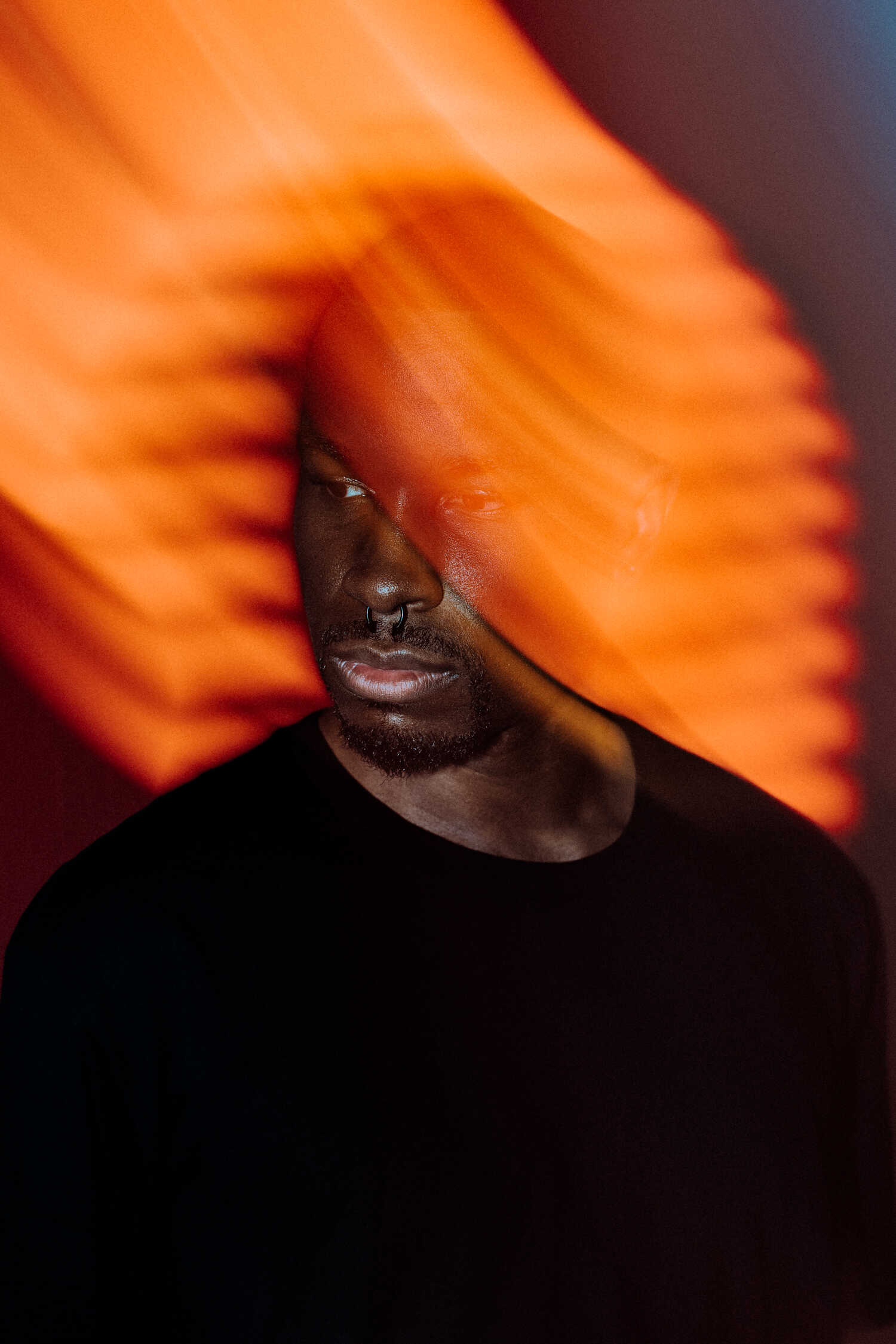
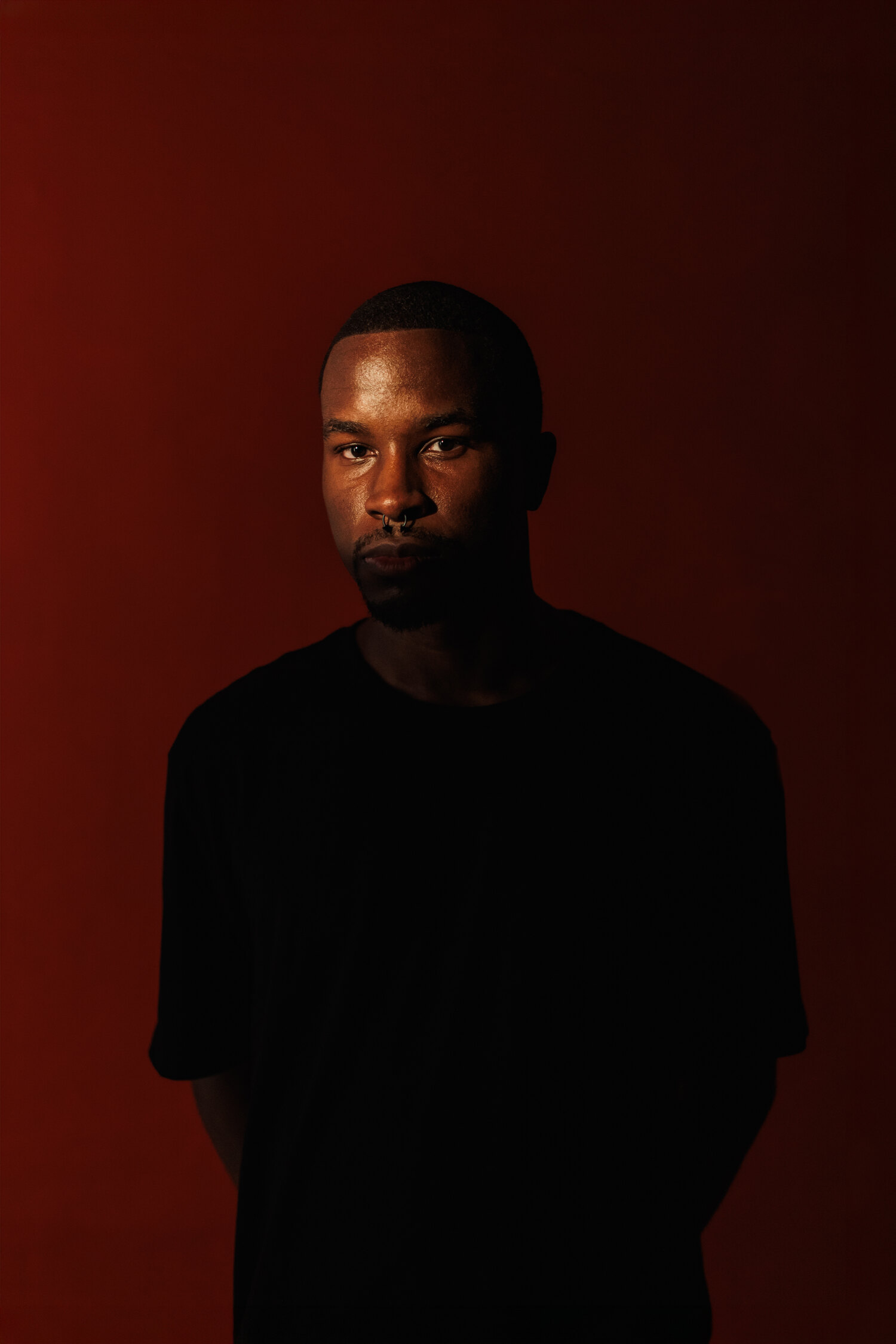
Detroit-based DJ and producer Henry Brooks has steadily established himself as one of the leading voices in contemporary hard and driving techno. Shaped by the city’s uncompromising underground culture and influenced by a lifelong connection to heavy music, Brooks has built a reputation through performances at Movement Festival, Tresor Berlin, and Richie Hawtin’s From Our Minds events, while remaining firmly committed to the roots of techno.
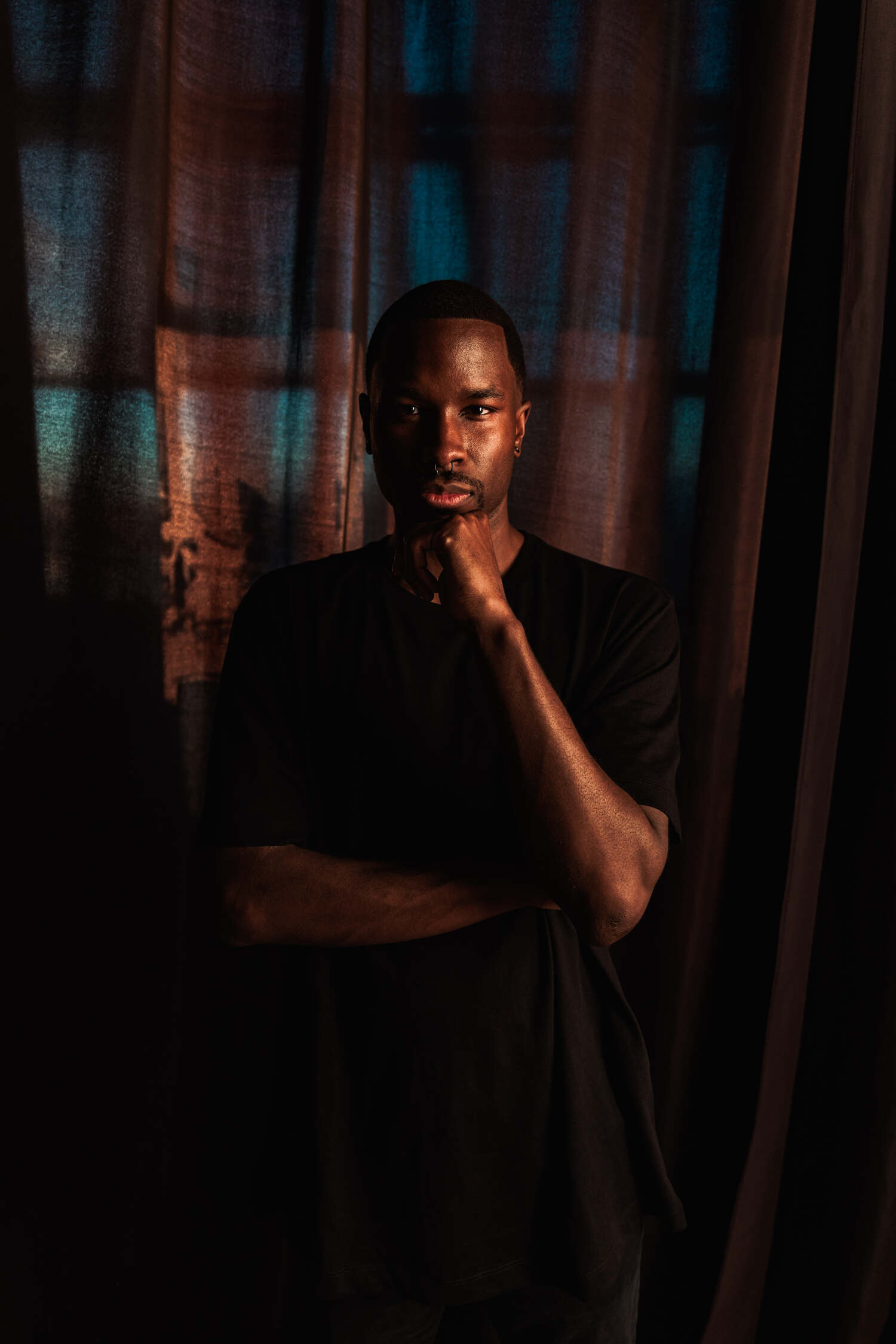
His latest project, High Octane, extends that vision beyond the DJ booth. Conceived as a mix series, event platform and broader artistic statement, each installment is a curated statement moving through industrial techno, schranz, hard tool, and classic hard techno, reflecting Brooks’ commitment to the genre’s uncompromising spirit.
The project arrives as a response to the growing disconnect between authentic hard techno and the increasingly commercial sounds often associated with the genre today. Rather than following trends, High Octane aims to champion hypnotic, driving techno while reconnecting listeners with the music’s underground foundations.
We spoke with Henry Brooks about growing up as an outsider, Detroit’s lasting influence on his artistic philosophy, the experiences that shaped his career, and why he believes the future of hard techno depends on preserving its identity while allowing it to evolve.
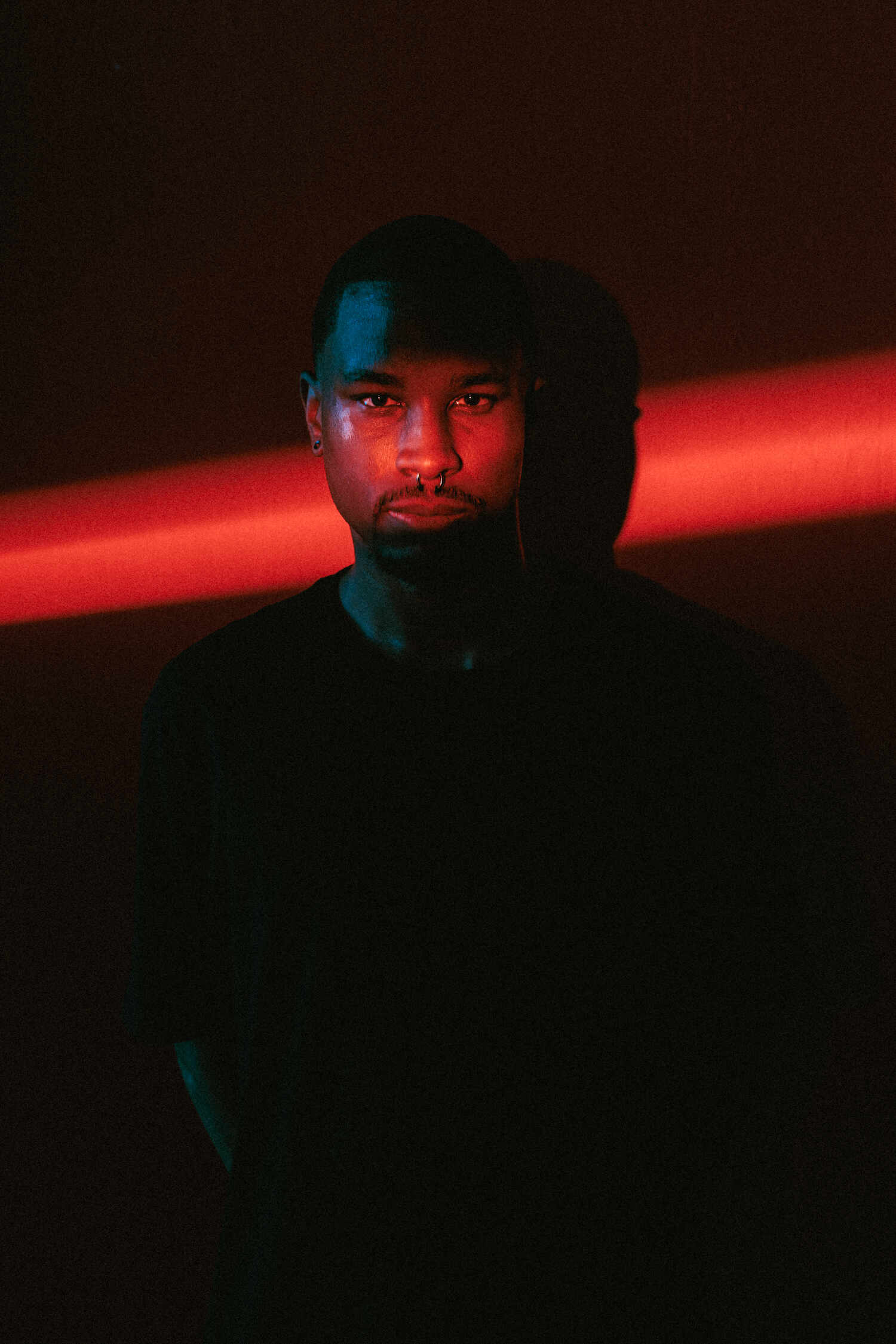
You’ve been involved in underground music your whole life, from metal and hardcore punk to techno. How did that journey shape the artist you are today?
I grew up largely as an outsider. Not just from mainstream culture, but in some ways the subcultures I was drawn to as well. I was a young black kid obsessed with metal and hardcore (punk) music, and where I grew up, you could say I was the ‘outcast of the outcasts’. I was one of the very few black kids I knew into that kind of music. That was a specific kind of isolation, but it also built something in me. A comfort with going against the grain, and a refusal to let what’s popular or what’s expected define who I am or what I’m into.
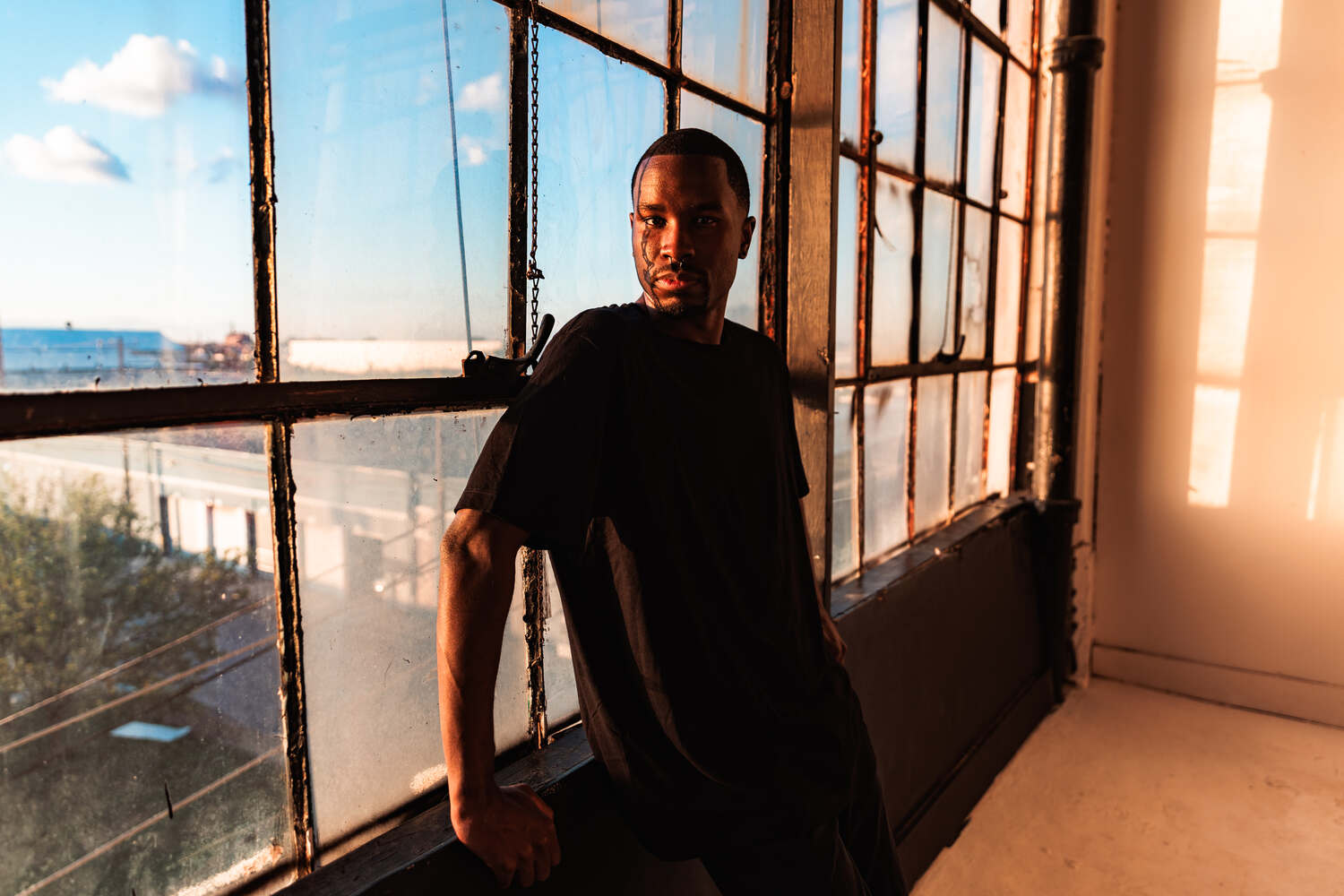
That mentality carried into electronic music. There wasn’t a single defining moment of discovery, as I had already been listening to various styles of electronic music since 2009/2010. But the moment techno in particular ‘clicked’ for me was the summer of 2015 at The Works in Detroit. I went to an event there and I fell in love. The atmosphere, the music, and the community of people it drew – I recognized it had the same counterculture spirit I had always been drawn to, just expressed differently. I didn’t start DJing yet for a while after that, I was an avid music lover and a dancer. But I was all in from that night forward.
When I learned more about the roots and history of Detroit techno it made complete sense to me. It was music born from people who existed outside the mainstream, and I had been living that since I was a kid. Going against the grain and choosing to stay authentic to who I am..everything I do as an artist is built on that foundation.
Detroit is the birthplace of techno. How has living and building your career there influenced your philosophy and sound?
Detroit doesn’t let you fake it. The history here is real, the standard is high, and the people who built this culture are still around. You feel that weight the moment you start taking it seriously.
When I started DJing in 2016, I paid my dues. I played opening slots. I learned how to set the pace and build something before the headliner ever walked in. That process shaped me tremendously. Nowadays in the scene overall an artist can reach a level of visibility in under two years based purely on virality, sometimes before they’ve even developed a full grasp of the fundamentals. Detroit taught me that the craft always comes first.
The history of this city’s music also gave me the freedom to be exactly who I am as an artist. Techno was built here as an act of counterculture expression by people who refused to conform. I found the same spirit in that history that I had always carried with me.
Playing Movement at the Underground Stage has also been a significant part of that journey. Earning your place there over time means something specific in Detroit.
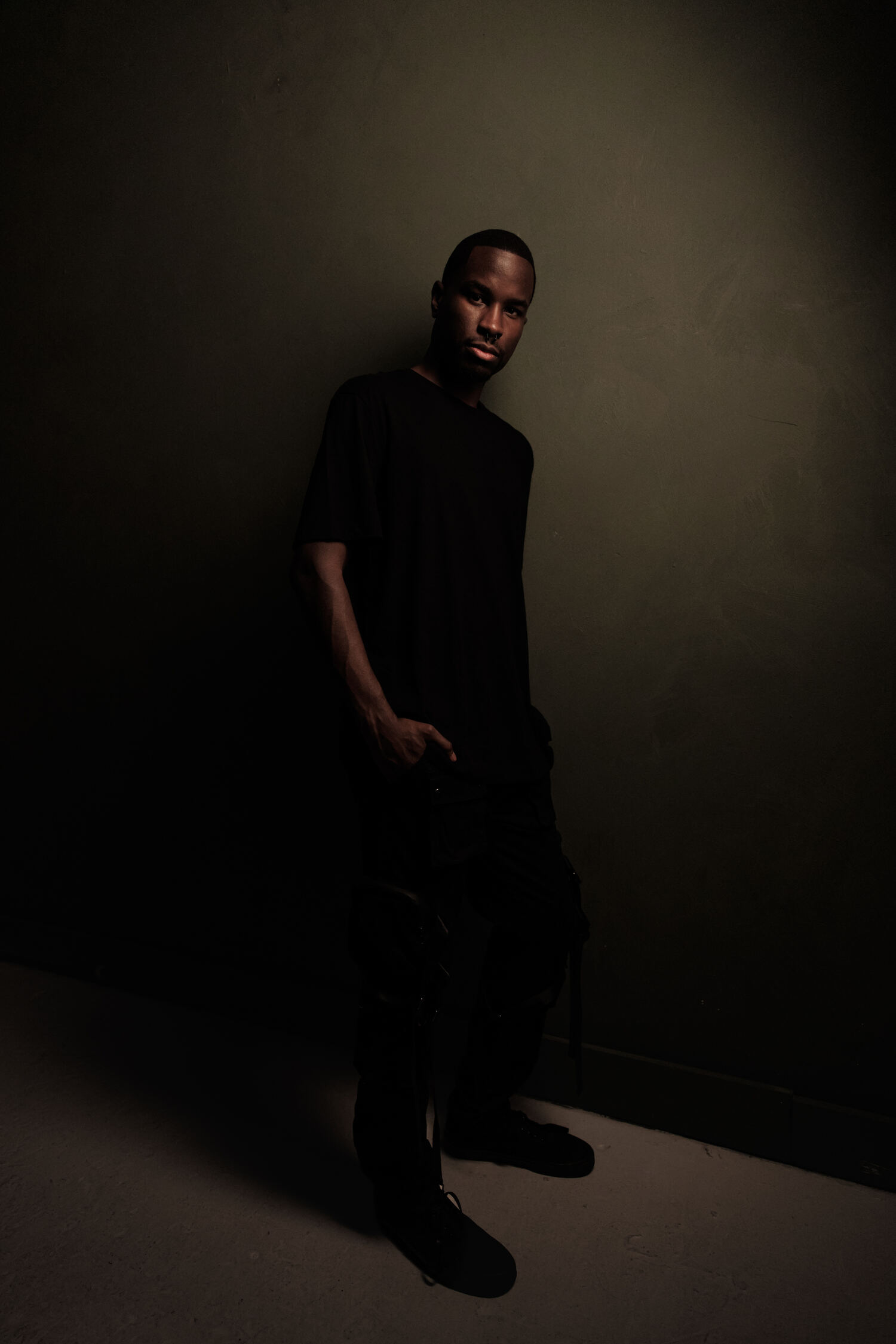
You’ve played everywhere from Movement to Tresor Berlin and toured with Richie Hawtin’s From Our Minds events. Looking back, what moment felt like a real turning point in your career?
There really isn’t one single moment, more so a series of moments that built on each other. But there’s a clear starting point.
I had already been building a relationship with Paxahau for a while in Detroit. That led to them putting me on a Halloween event in 2021 alongside Charlotte De Witte, Chris Liebing, and Onyvaa. That night Charlotte’s team took notice, and within a month they were flying me out to play a KNTXT event in Miami, and then subsequent events. That was the first time I really started building a name for myself outside of Detroit as a DJ, no longer just through online mixes or features, but also playing in other cities.
Following that I played Movement for the first time in 2022. Things continued to compound after that, and promoters I had little or no prior connection with started reaching out to me to play events in their cities.
I then went on tour with Richie Hawtin and also had my first EU tour Spring of 2023, closing the basement at Tresor. With the deep longstanding connection between Detroit and Tresor, being able to close that basement on my first time ever in Europe is honestly hard to put into words. It’s been one of the most significant moments of my career so far.
Looking back each of those moments built on the one before it, and none happened in isolation.
High Octane launches with a clear mission to preserve authentic hard and driving techno. Why was now the right time to create this platform?
The landscape of hard techno has gotten so out of hand that I knew something needed to be done about it. I also knew that I was not the only artist feeling this way.
The timing came from a breaking point, both personally and in terms of what I was watching happen in the scene. I was struggling to figure out where my place was in a genre I no longer recognized, without being lumped in with something I wanted no connection to.
By 2023 I had reached a point where I was almost embarrassed to call myself a hard techno artist. Not because of my music but because of what the term had become. It was now directly correlated with “TikTok techno”: commercial edits and vocals, big buildups and drops regularly, artists prioritizing the visual over the journey, and sounds pulled from entirely different genres being rebranded as techno. Visually, musically, and culturally it felt overblown in a way that had nothing to do with what drew me to this music in the first place.
That came to a head in spring of 2024 when I turned down what would have been a big gig – an opening slot on a lineup I didn’t feel aligned with. It made me realize I needed to be more intentional about what I put my name next to, and that I was going to have to create my own lane. Later that summer the idea of High Octane came into fruition.
The scene needed an answer to all of this. High Octane is mine.
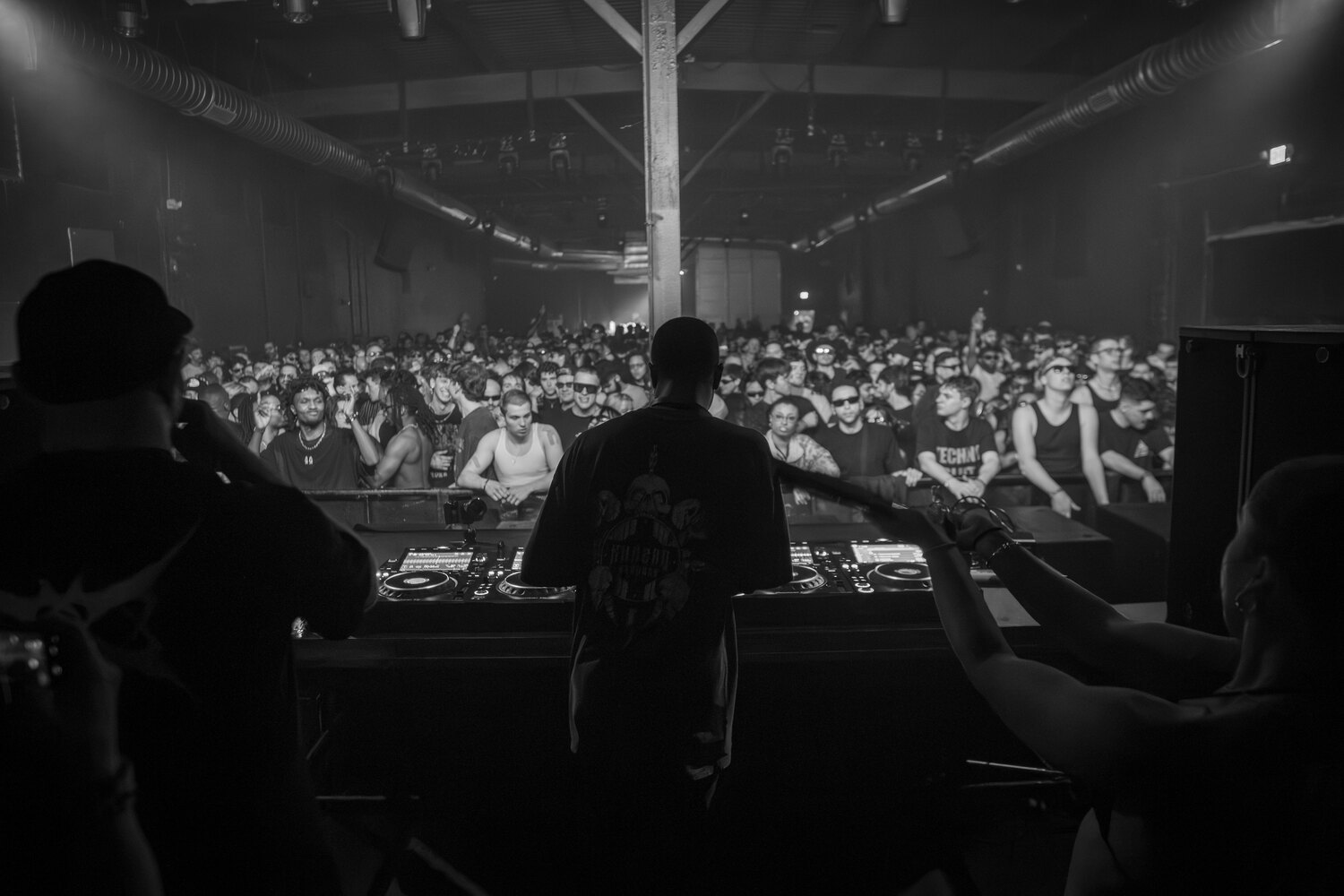
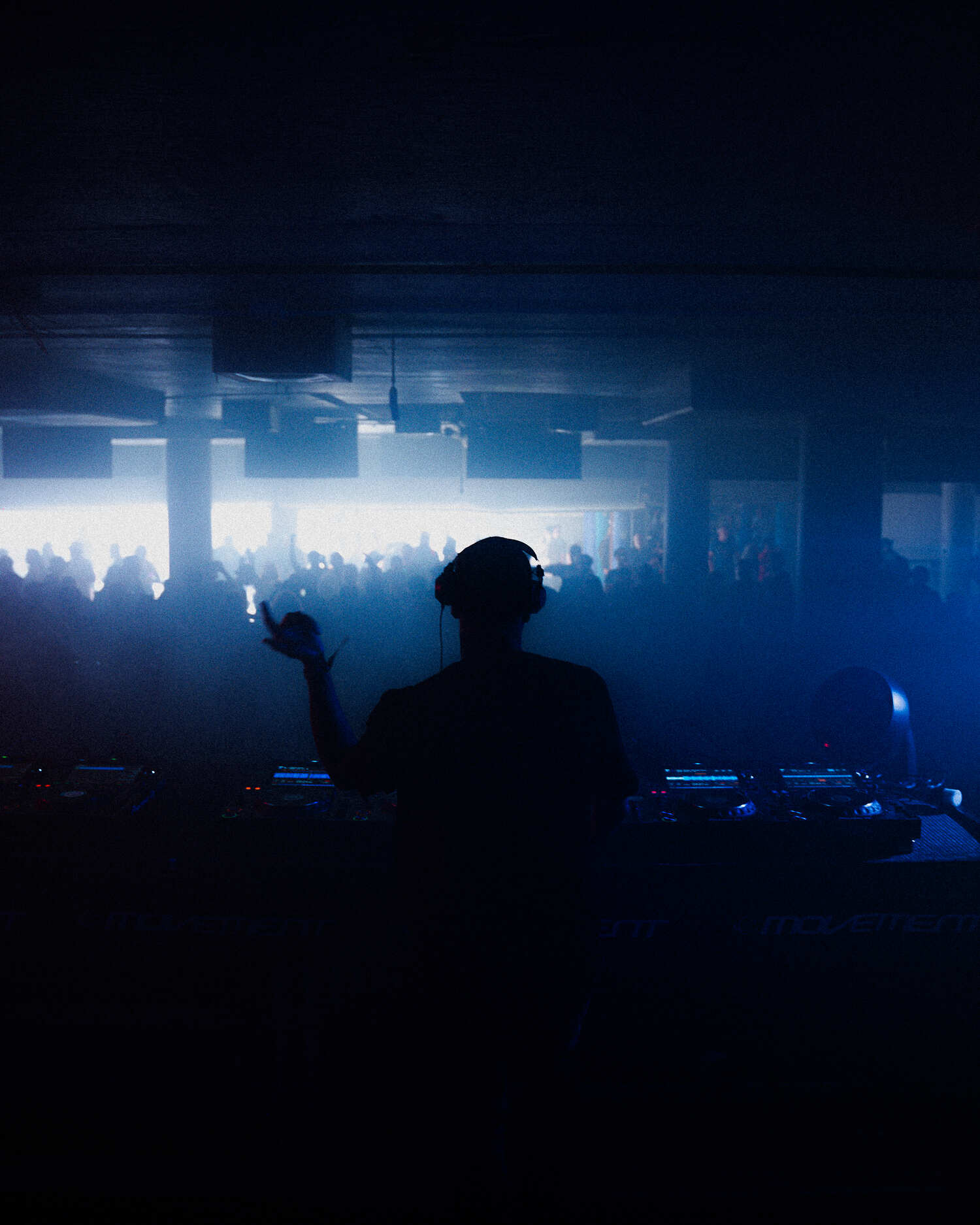
High Octane is positioned as a mix series, event series, and a statement. What do you hope listeners take away from it?
First and foremost I want them to feel something. It’s not about chasing reactions every thirty seconds. It’s about surrendering to something aggressive and hypnotic, something relentless and driving in a way that becomes cathartic. Something that locks you in and doesn’t let go.
Beyond that I want listeners to hear the difference. We have a generation of people entering the scene who don’t know the history, who assume what is being called hard techno today is accurate. A lot of it isn’t. A significant portion of what carries that label today pulls from rawstyle, reverse bass hardstyle, and trance – genres with their own distinct histories that have little connection to what techno actually is. High Octane is a reference point of what authentic hard and driving techno sounds like. The music makes that case more clearly than anything else could.
I also want people to go through the tracklists and use them as a starting point to explore this sound.
The mix series launches July 3rd, with a live launch party in Detroit following in August. But this has always been headed toward stages worldwide. High Octane is built to travel. We’re just getting started.
You’ve watched many artists change their sound to follow trends. How have you managed to stay committed to your vision while the scene around you continues to shift?
This goes back to who I am and where I came from. Growing up being different, standing out, and refusing to conform was just my reality. That mentality was already built in long before I ever stepped behind the decks.
Staying committed to a vision has a price. There have been gigs I’ve turned down, doors that didn’t open, and moments where I’ve likely been overlooked because I wasn’t playing what was trending. That’s okay. That’s the cost of having a lane that actually means something. The underground has never been about mass consumption and reaching everyone. The second you start chasing broad appeal you’ve already compromised what makes it what it is.
What keeps me anchored is simple: I care about the music and about authenticity more than I care about chasing relevance. Trends come and go. Artists who build something real, something with its own identity and integrity are the ones who withstand the test of time. The ones who chase the wave become irrelevant when it moves on. I’d rather have a lane that lasts than a moment that fades.
That’s always been who I am. The scene shifting around me doesn’t change that.
If High Octane succeeds in everything you want it to achieve, what impact will it have on techno culture five years from now?
Five years from now I want High Octane to have contributed to a real and permanent separation between commercial hard techno, and authentic hard and driving techno. Not just in conversation, but in how the scene is actually structured in lineups, communities, and in how people talk about and categorize this music. What is currently being called hard techno needs its own name separate from techno entirely. That process needs to happen, and High Octane can be part of pushing it forward.
Beyond that, I want High Octane to add to and strengthen what already exists in the underground. There are artists and communities out there already doing this work. High Octane is another voice in that, another platform or stage contributing to something bigger than any one project.
I also want it to inspire the next generation of artists coming up to pursue the authentic sounds rather than the commercial lane. That’s crucial. The impact isn’t just on what exists now but on who comes next and what they choose to build. There is absolutely room for the sound to experiment, grow, and evolve as that’s how any genre stays alive. But innovating within a genre, and drifting so far from its roots that it becomes something else entirely are two very different things. Knowing the difference is what I feel preserving the integrity actually means.
Detroit gave techno its soul – the counterculture identity, underground values, and refusal to compromise. Those values are what High Octane is built on. For me, carrying that forward isn’t just personal…it’s the whole point.
Follow Henry Brooks on IG
Listen to the latest “Henry Brooks Presents: High Octane Podcast on SC
Check more music related articles here.