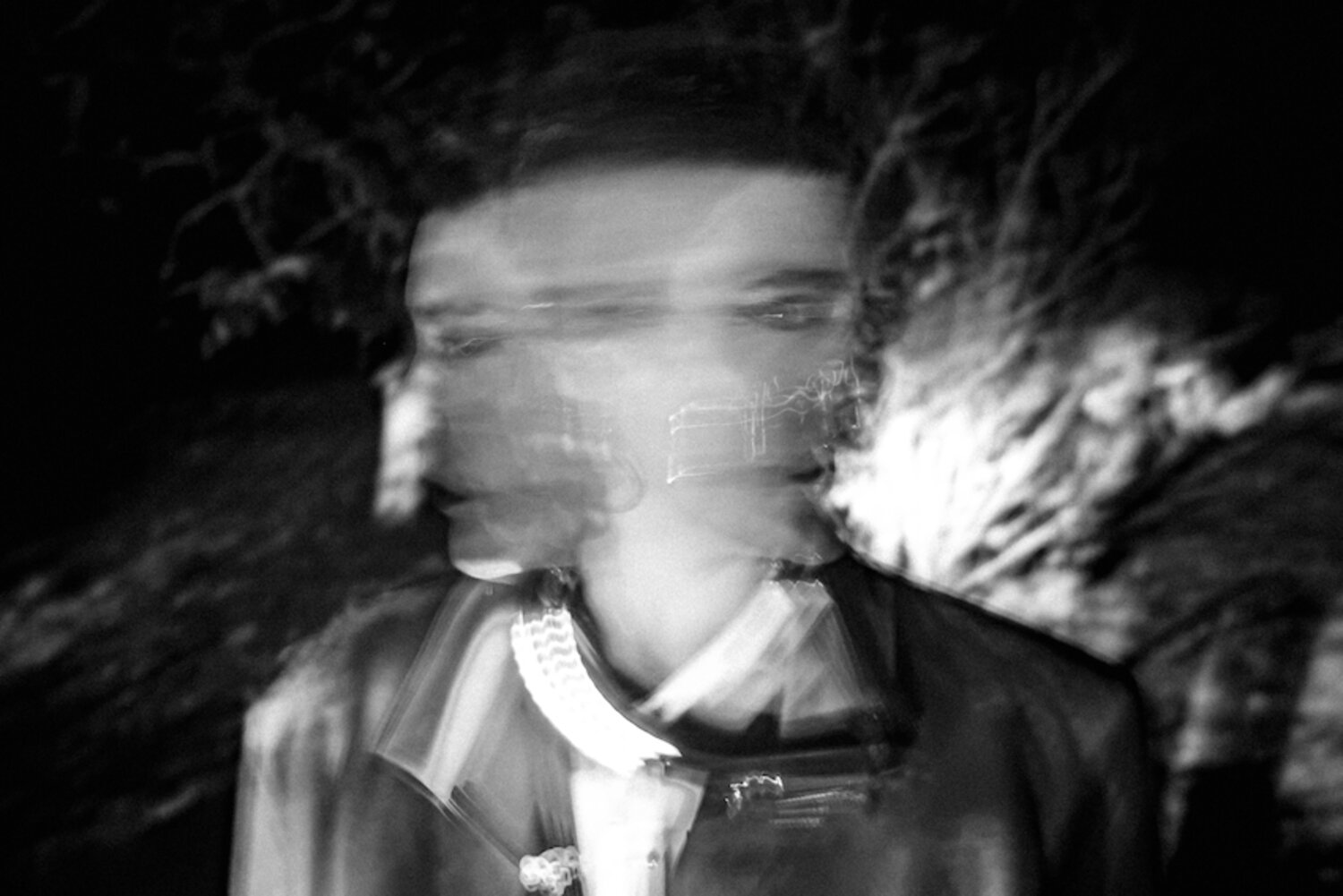
For more than two decades, Louisahhh has carved out her own space between techno, punk, performance, and fashion. Emerging from New York’s underground in the early 2000s, she has continued to evolve without being tied to any one scene, bringing together music, movement, visuals, and a distinctly raw energy.
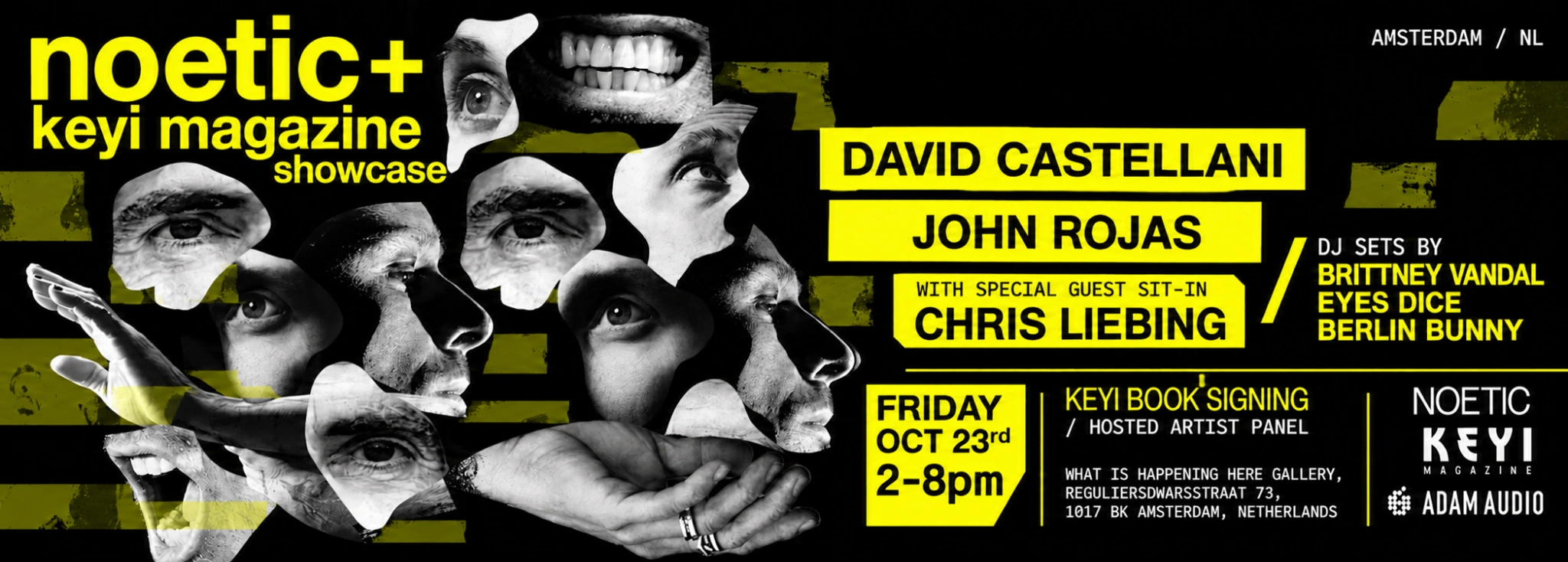
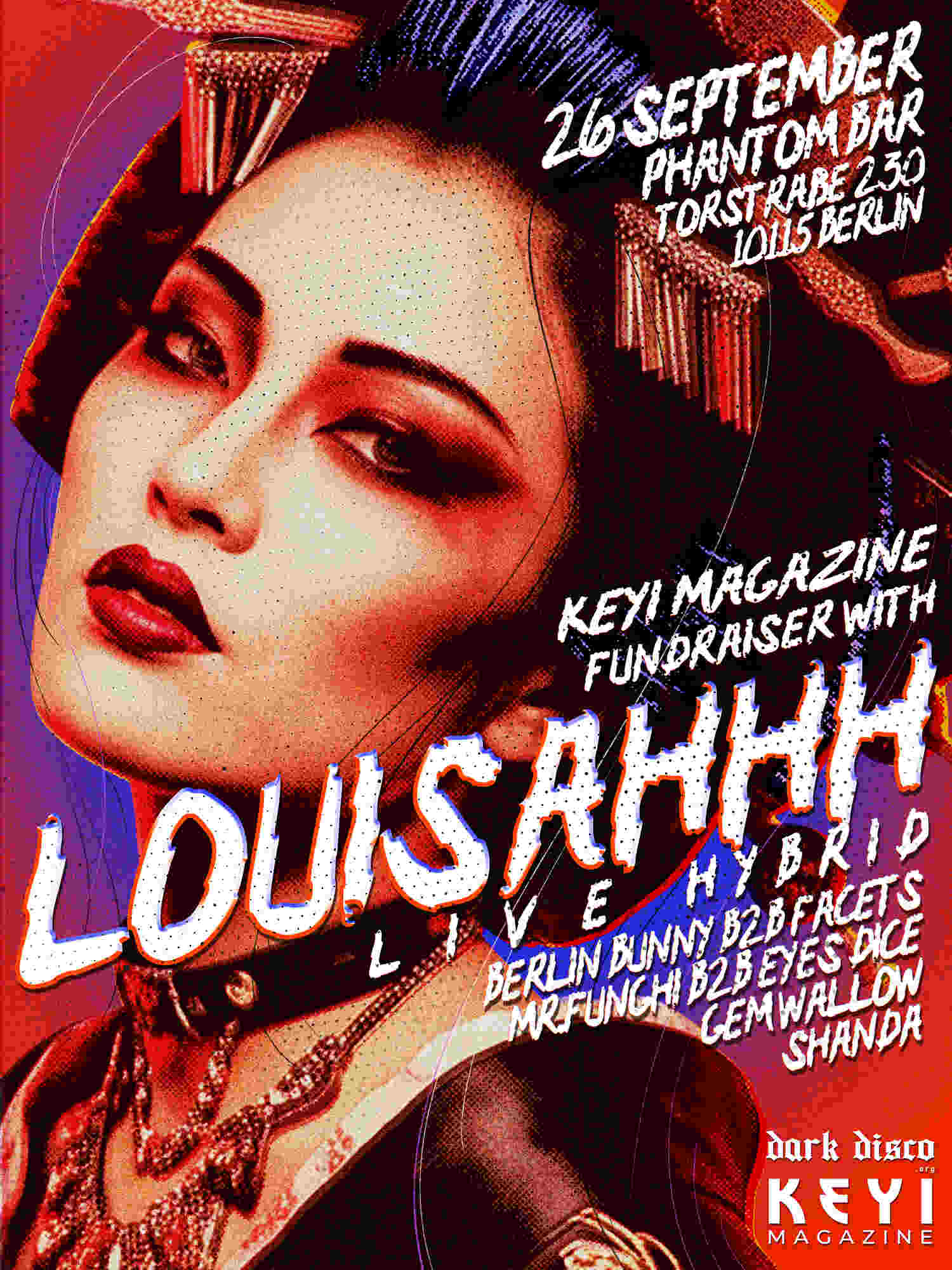
On 26 September, she joins Gem Wallow, Berlin Bunny b2b Facets, Mr Funghi, and Shanda at Phantom Bar Berlin for the second edition of KEYI Magazine’s fundraiser series. Bringing together different shades of Berlin’s underground, the night is dedicated to independent culture, creative freedom, and community.
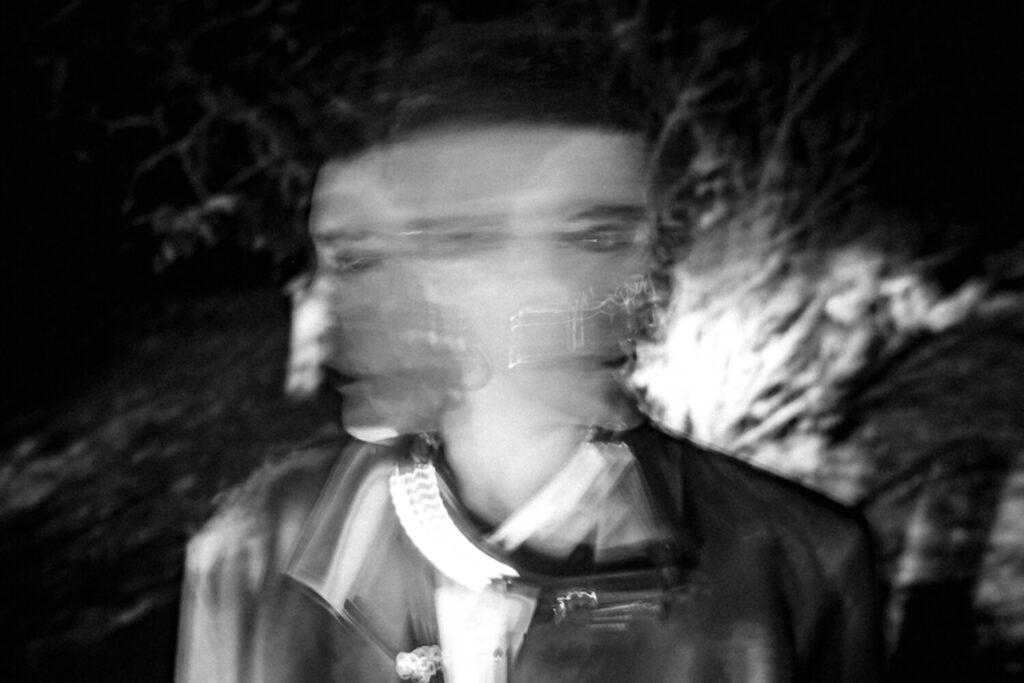
Across DJing, production, live performance, vocals, and visual work, Louisahhh has developed an artistic language that refuses easy categorisation. Her approach has always been deeply physical and instinctive, with performance becoming just as important as the music itself.
Ahead of her appearance at Phantom Bar, we caught up with Louisahhh to talk about the underground, punk, fashion, performance, and the freedom that comes with finally trusting your own voice.
You came up through the raw, chaotic energy of early-2000s New York bar basements, imperfect sound systems, scenes that existed before everything became so documented. Looking at electronic music today, what do you think we’ve gained, and what have we lost from that kind of underground culture?
Start with an easy one, why don’t you? Haha. Obviously, there have been tremendous cultural shifts since I started my career, and I don’t think that’s going to stop or revert anytime soon, so it’s important to look ahead. I guess what we’ve gained is some level of safety and a focus on consent, or a vetting process that makes touring safer, especially for femmes, because everyone is so connected.
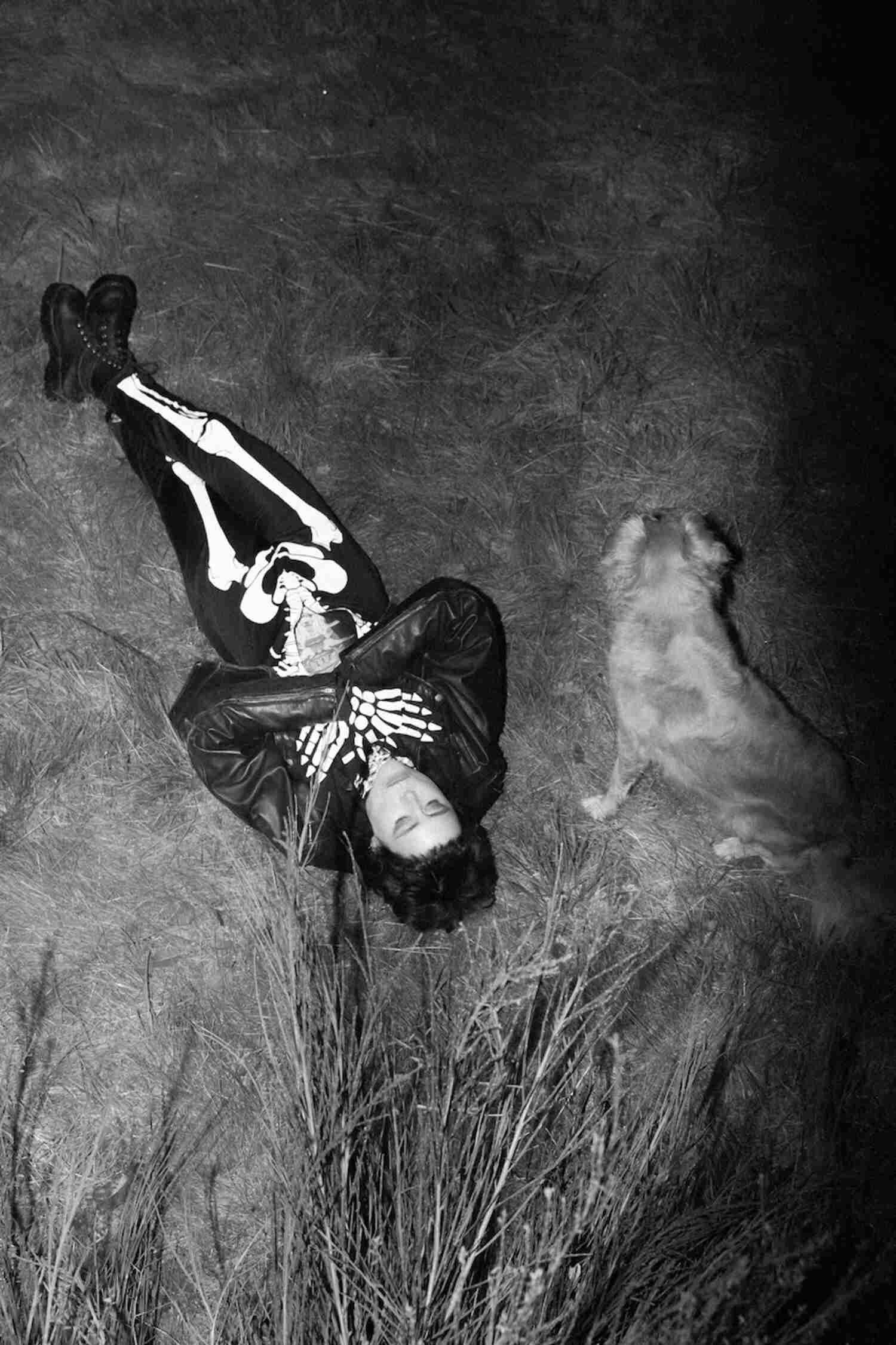
I mean, on my first European tour, around 2010, I didn’t have a cell phone that worked outside of America. My skin felt like it was on fire the entire time, I was so anxious. I would just kind of show up places and pray that a promoter would find me and take care of me, then have an envelope full of cash that I would haul around the world, hoping I wouldn’t get robbed. I once didn’t get paid and had to lug a CDJ back with me from Tijuana as collateral. I don’t think that would happen today.
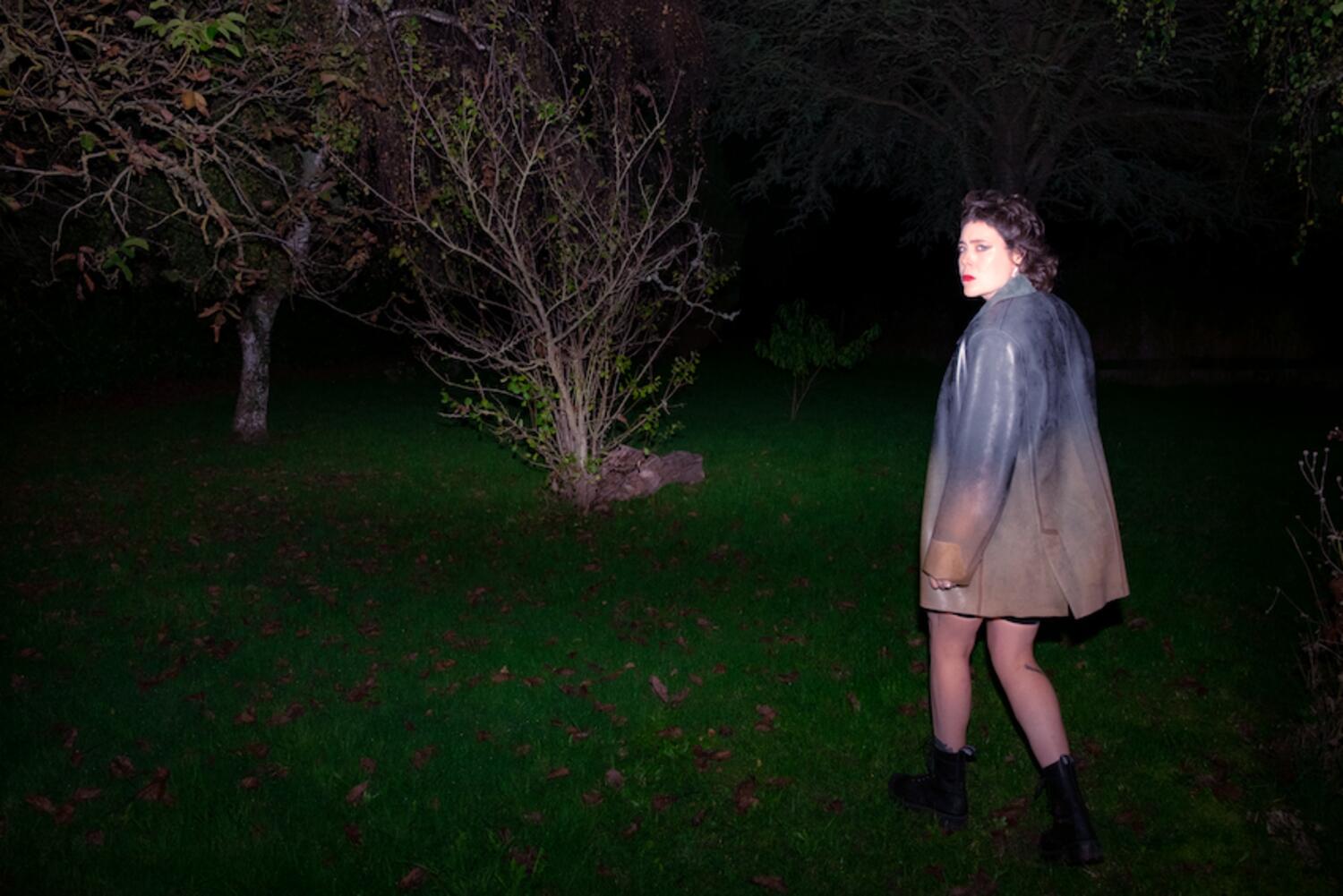
On the other hand, there’s the idea of constant surveillance, screens everywhere, bookings based on likes and followers, the job of musician being equal parts making music and social media, trying to get anybody to pay attention to anything you do or make long enough to feel like art is in any way meaningful… it didn’t feel like that then.
There was a different kind of hell of self-promotion (flyering! Real paper! On the street!) at that point, but it was somehow less soul-crushing — or maybe not. I cried in some grimy basements in 2004 because it was hard to get heads out to a shitty bar on a Wednesday night, and sometimes the whole thing felt hopeless and stupid then too — but we’re still here. My main goal is to get to keep doing this thing, so I guess we find scraps of fierce joy, love, and connection in there alongside the disillusionment and outrage that is probably part and parcel of every job, not just music. I’m not sure if I answered the question.
Your work has always existed somewhere between punk and techno two cultures built around rebellion, but with very different histories and codes. After two decades moving between them, what does being punk actually mean to you now? Is it still a sound, or has it become more of a way of living?
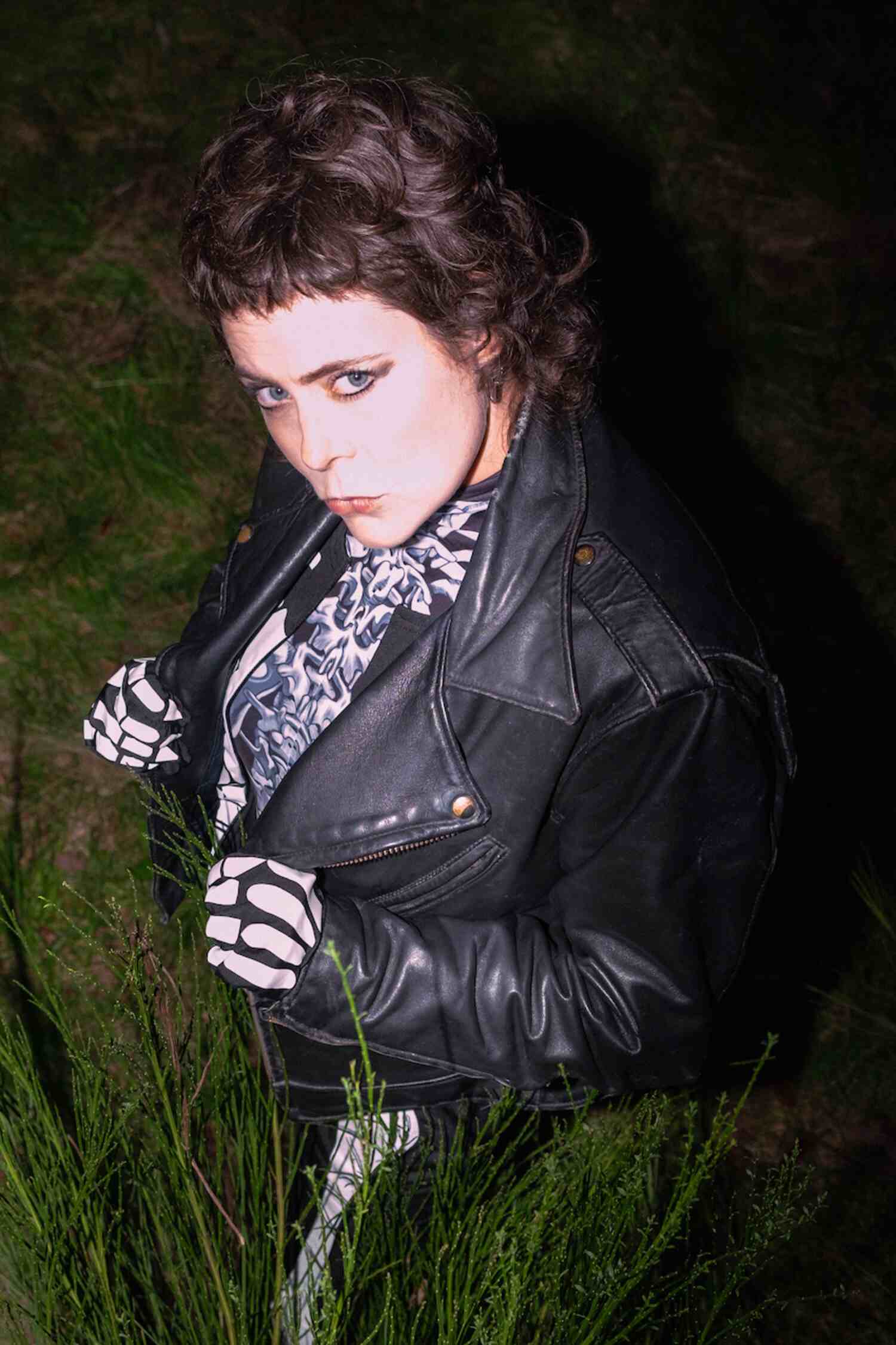
I think there are probably sonic or aesthetic codes that one follows somehow to “be punk,” but I don’t think too much about that. Instead, I try to think about living with integrity, doing the right thing even when it’s inconvenient, being unafraid to stick it to “the man,” and feeling a certain amount of outrage and a need for action when the air we breathe is that of a white supremacist capitalist patriarchy.
Fashion has also been part of your universe, from Versace and Stella McCartney to the strong visual identity surrounding your own performances. What interests you about the relationship between fashion and underground music?
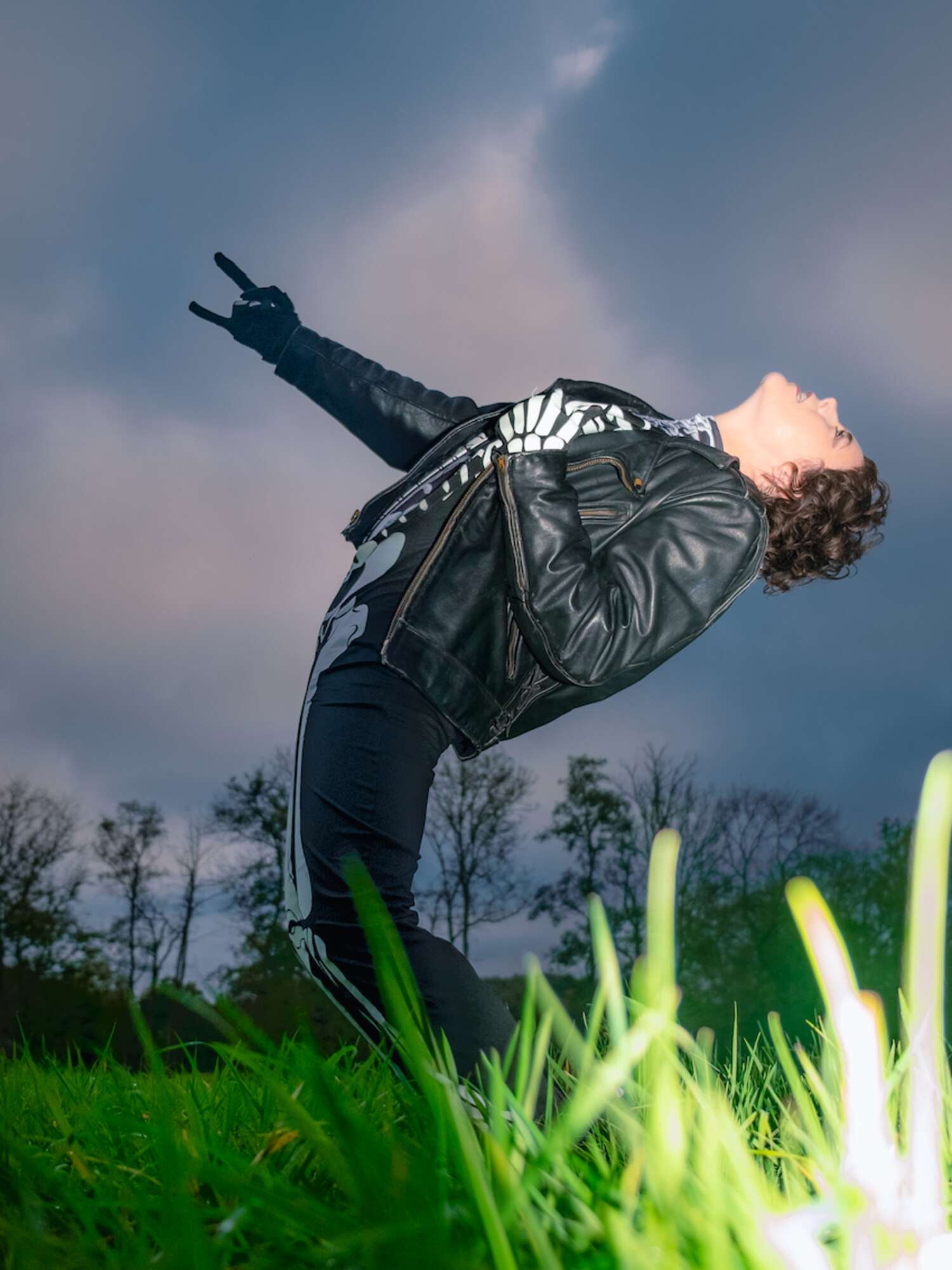
For a while, it felt like fashion was a great legitimizer of music, and one of the last vestiges of making a living in the Spotify economy™ (in terms of syncs, brand deals, or advertising). Perhaps those days are over, but I do think the opportunity to create a strong aesthetic universe with a powerful score is always lucky, so I like working with fashion to see how far we can take that, or to see how other people weave my music into the world they’re building.
More personally, with my performances and inspiration, I’m interested in the sublime. I really like when the combination of audio and visual can be transcendent and transportive, when it can take both the artist and the audience to another world together. I want my look, or the live production of whatever I’m working on, to give a certain feeling, to make me move a certain way, to give me the feeling of putting on armor as I’m getting ready.
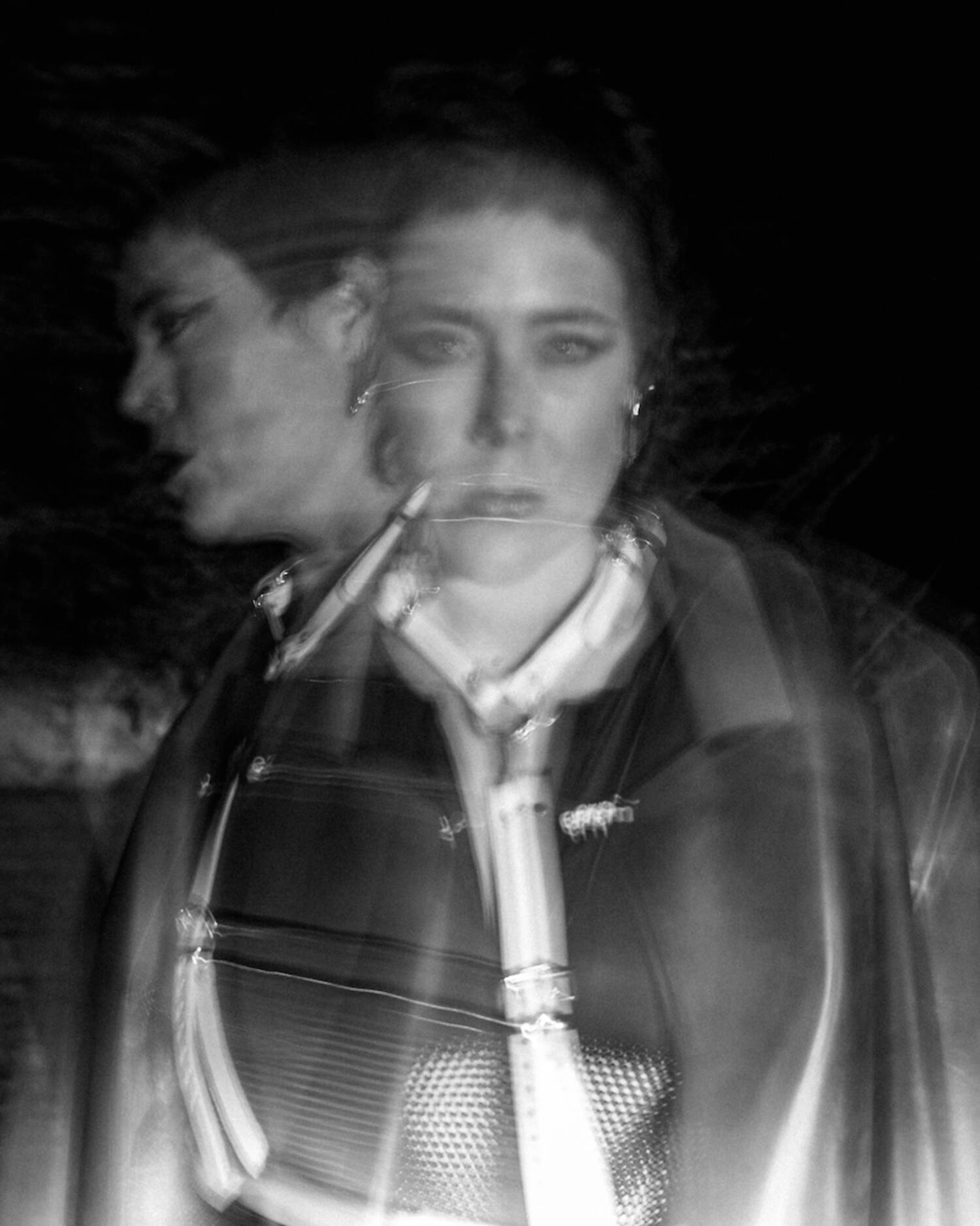
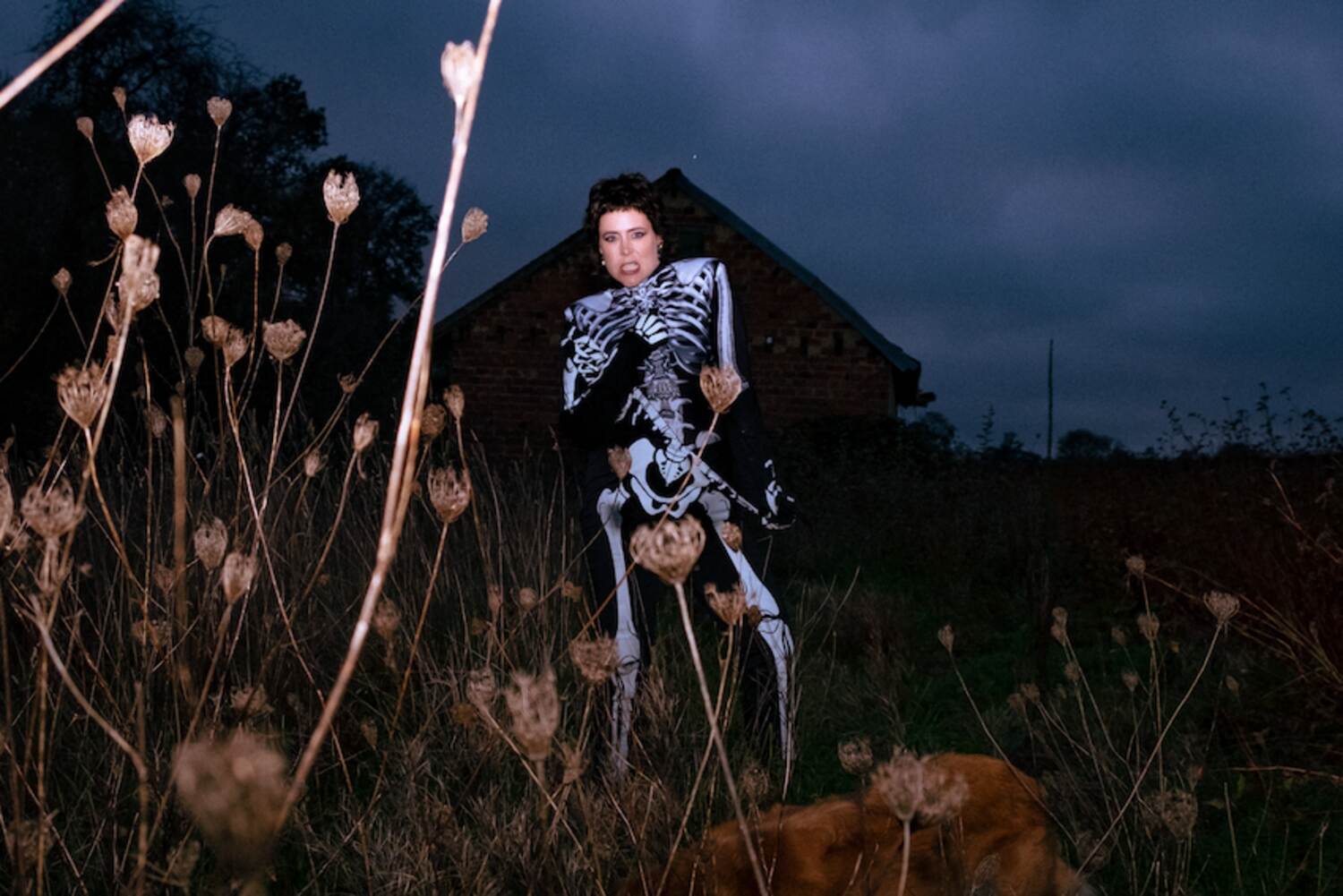
On 26 September, you’ll join us at Phantom Bar for the KEYI Magazine event in Berlin. What kind of Louisahhh are we meeting that night? When you enter a more intimate, underground space, how much do the room, the crowd and the unpredictability of the night determine where you take the set?
After Covid, I got really weird about preparing sets. I kind of lost the ability to read a crowd after taking a couple of years off due to global circumstances, and then focused more on live performance than DJing, so I’d have to really make a setlist instead of playing spontaneously and intuitively as I had for my entire career.
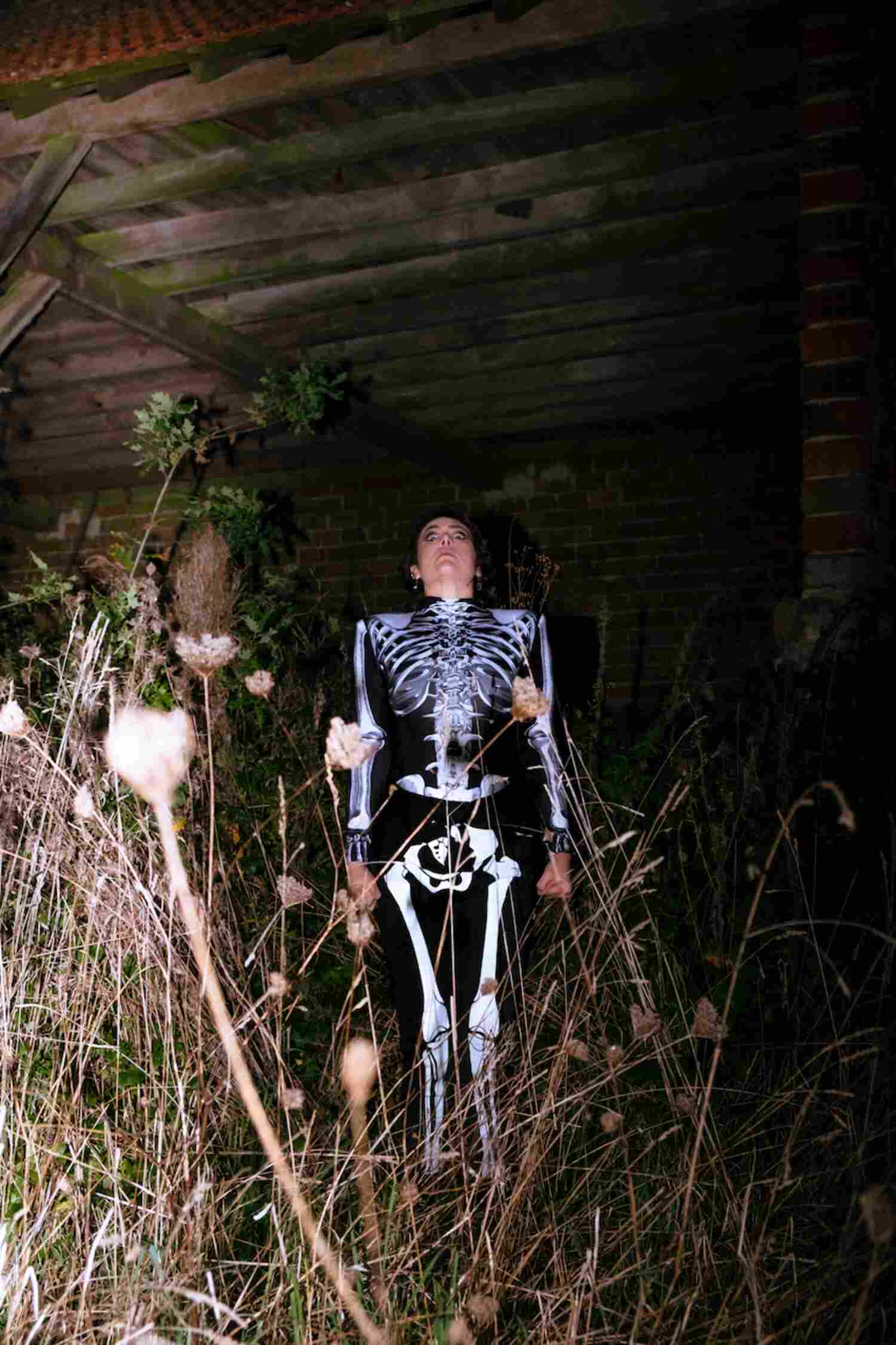
I’m starting to grow out of that (finally), to really enjoy the process of trust-falling with the crowd again, and I’m practicing more. All of this makes me really excited to play at Phantom Bar — it feels like a great scenario to really play. I can’t wait.
After more than twenty years of refusing to fit neatly into one scene techno, punk, fashion, performance, what still feels dangerous or unexplored to you? What are you chasing now that you couldn’t have imagined chasing when you first started?
It has taken me a really long time to work as a truly “solo” artist. I’ve had amazing collaborators, from Maelstrom to Vice Cooler to Shelter Studio, and I finally feel like I have the confidence and chops to trust my own voice — not only as a songwriter, vocalist, or performer, but especially as a musician and producer — and I feel so grateful to enjoy it. It took a long time, you know? I’m working on a body of work right now that feels so good, that I’m so proud of, and it’s all mine, it’s all me.
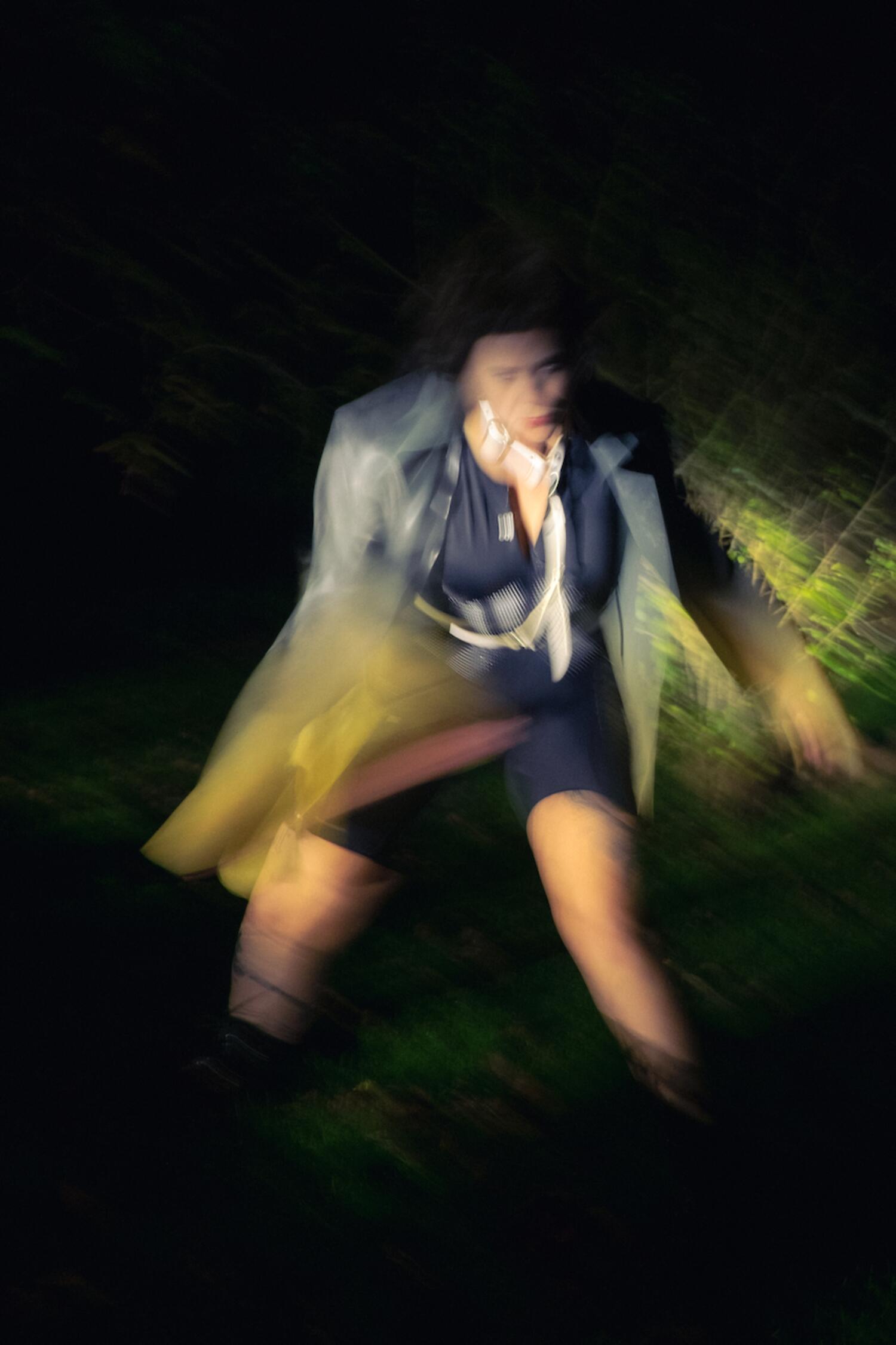
Also, as a performer, I’m finally hitting a groove where I just really love getting on stage; I just have to get out of the way. There’s this demon in me that shows up and is like “Daddy’s home,” and then just roars its head off, and it is so pure and joyful and present and connected — there is no room for doubt or self-consciousness.
While I feel strongly that the music industry is fucked, in absolute shambles, that dreams are crushed like flowers underfoot — at the same time, I have never given less fucks, never felt more in my power, never had more fun with more people I love making noise together. Everything is terrible and I feel so grateful, simultaneously.
Follow Louisahhh on IG
Keyi x Phantom Bar Berlin, 26th September 2026 Support and Get Your Tix on RA
Check more music related articles here.