
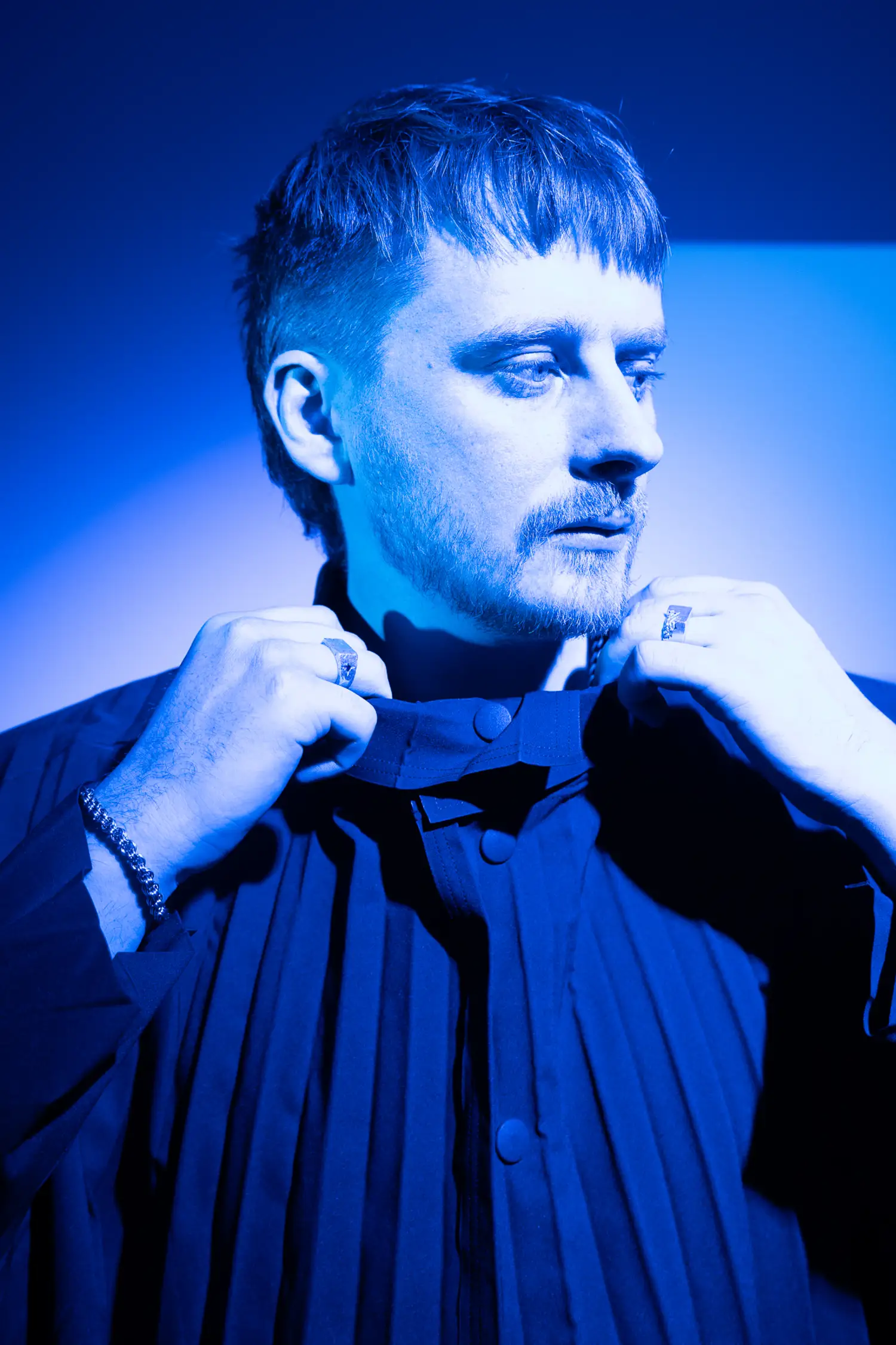
Hard bounce, schranz, and techno collide in the sound of Kander. Born and raised in Manchester, the producer and DJ operates on the rougher, tougher edge of the genre, combining technical precision with inventive sampling to push his music forward while keeping it rooted in the soundsystem culture of the UK.
For Kander, techno is more than a genre it is a collective movement. His work reflects an understanding of the responsibility each artist has to the wider scene: contributing creatively, protecting its core values, and helping shape a culture that better serves its community.
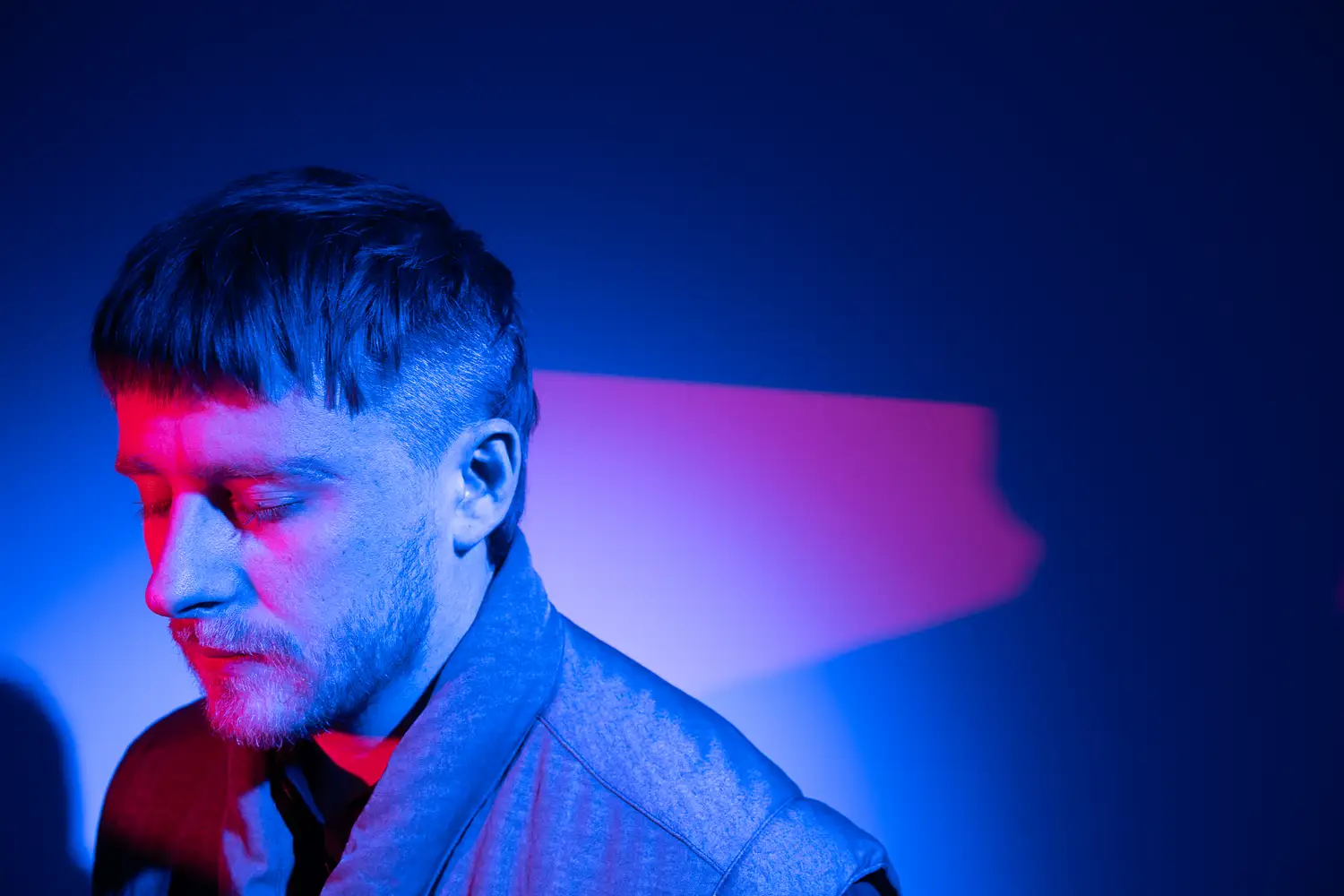
Hi, how are you? It was nice meeting you at the Berlin studio.
Hey, hey! I’m all good. It was lovely to come down, meet the team, and take some cool pictures. I’m really excited about the interview.
Your sound blends hard bounce, schranz, and techno. How did that shape your style?
I think I’ve always been really into schranz. I also try to let a little of what’s happening in the scene creep into my sets. When the hard bounce movement came around, I was really inspired by it. I felt that the sound allowed me to incorporate a lot of my UK drum and bass and jungle influences.
I was really inspired by it. I felt that the sound allowed me to incorporate a lot of my UK drum and bass and jungle influences.
I like my sets to be dynamic rather than just two hours of the same thing. The aggression of hard bounce works really well at the beginning, and during the latter stages of my sets, I push into the harder side of schranz.
How did growing up in Manchester shape your sound?
Manchester has such a diverse music scene, so I was naturally exposed to many different things. In my early years, I spent a lot of time at Antwerp Mansion, which was predominantly focused on drum and bass and jungle.
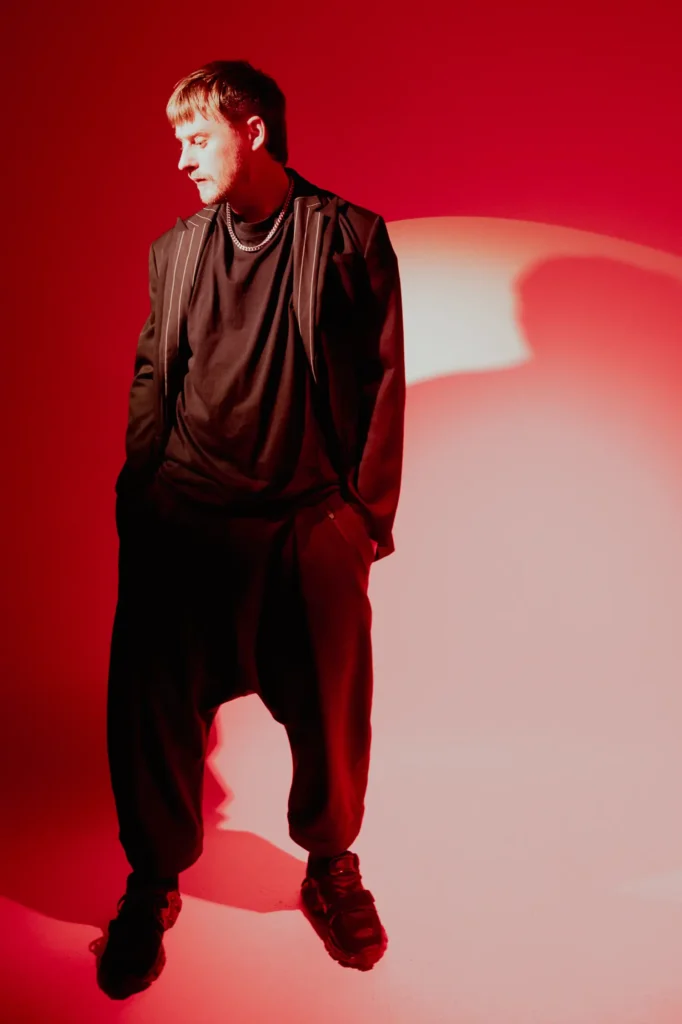
I spent a lot of time at Antwerp Mansion, which was predominantly focused on drum and bass and jungle.
Another major source of inspiration was Eastern Bloc Records. The people in the record shop especially Ben, also known as Means&3rd—were really influential. He would always look at what I was picking up and suggest new releases.
There was also a big group of us aspiring to become artists, including Kontain, my former partner Arkane, Militia, and Yant. We were all on the same journey. We spoke a lot about music, helped one another, and went to plenty of shows to expose ourselves to as much new music as possible.
UK influences run deep in your tracks—what draws you to them?
Again, it comes down to what I was exposed to from a young age and the parties I used to attend. I’ve always liked the idea of taking something that was relevant in one context and making it relevant in another.
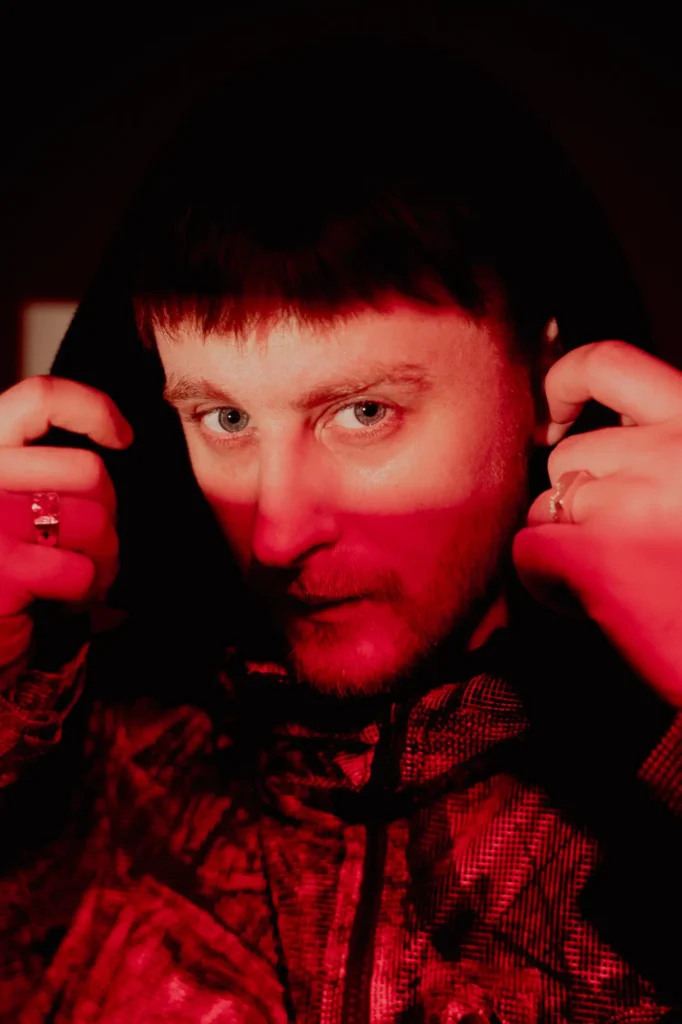
I was exposed to from a young age and the parties I used to attend. I’ve always liked the idea of taking something that was relevant in one context and making it relevant in another.
Many people listening to the techno we hear right now are unfamiliar with these sounds. That allows me to present the music to them in a unique way and draw them towards it.
Because it’s the music I listened to when I was younger, it’s also nice to experience that nostalgic feeling in the studio and rework those tracks. Even if it’s something unrecognisable, such as a piece of atmosphere or a drum break, it’s really comforting to know that, although it may be a relatively insignificant part of the track, it comes from something that was incredibly important to me in my youth.
From RKR1 to now. What has changed about your approach?
The approach has remained the same; it’s just that the style of music it’s applied to has naturally evolved. I’m still sampling the same shit, and I’m still aiming to create the same feeling of nostalgia in my tracks. They’re just a little faster and a little harder now.
R008 showed two sides of you: heavy and emotional. Which feels closer to you right now?
The harder side. Although I still make emotional stuff sometimes, those two tracks just kind of happened.
I try not to go into the studio with a plan. I like to make noise and see what happens. Those two emotional tracks came about naturally; they weren’t forced. Over the past 18 months, however, that emotional, break-driven side hasn’t really emerged in the studio. My music has been more dance-floor-oriented.
I really hope the emotional side comes back, but those tracks are so special that I don’t want to force it.
Your new single, “Higher State”…
What do you look for in a collaboration?
To be honest, it’s not that I don’t want to collaborate; I just haven’t found myself doing it very much recently. I’m still on a journey with my own sound. If I were to collaborate, I’d look for someone whose vibe would complement mine and who would leave room for both of us to express ourselves, rather than turning it into a battle.
How is THANDER with THAM different from your solo project?
Building on the previous question, THAM and I simply became friends and started talking about things. We never really planned to collaborate.
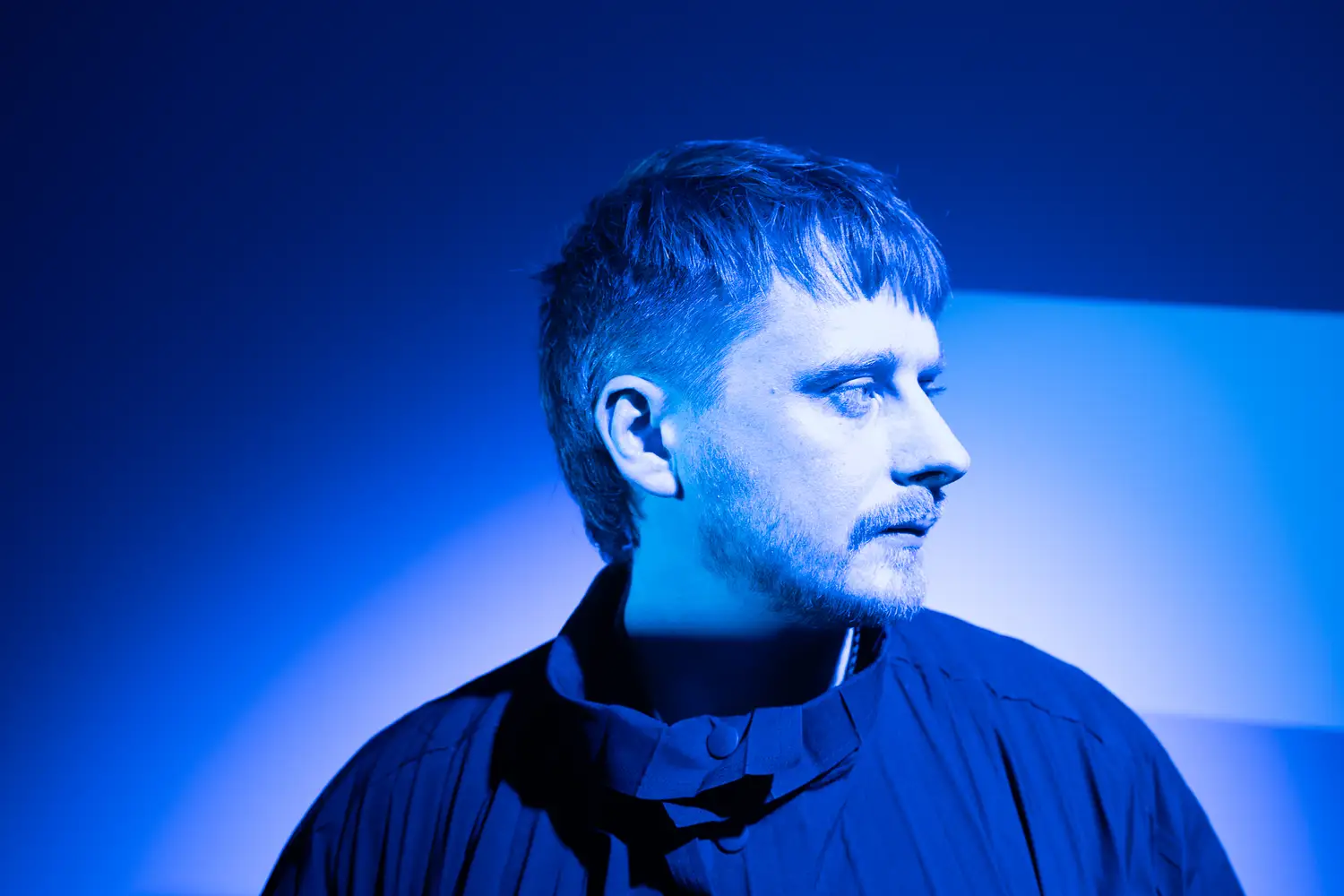
What’s funny is that the name came first. He joked with me one day and said that he had been thinking about what we would be called if we collaborated and that it would be THANDER. I was instantly fascinated by it because the name was so cool, so we decided to give it a go.
To be honest, the way we work together is really nice. We have a lot of respect for one another and believe in each other’s abilities. We naturally give each other plenty of time and space to work on the project and the tracks. Our strengths really complement each other, and we have a lot of fun doing it.
Boiler Room, Creamfields, and global tours. What has been a defining moment?
I think the most defining moment in my career was meeting Tom outside Soup Kitchen and building a strong relationship with him as he began to grow Teletech.
Then there was my Boiler Room set four years ago, which gave me the opportunity to present myself globally. Releasing music on Kobosil’s label was obviously amazing and had been a huge dream of mine from a young age.
Moving to Berlin has also been a defining moment. I’m building my network here, meeting many inspiring people, and being surrounded by so much more. You really see how big the scene and the genre are—and how significant they are to the city’s culture. It’s incredibly inspiring.
US dates and Ibiza this summer. How do crowds shape your sets?
I think it’s important to always do your research and understand what kind of people are likely to be in the crowd. One of the benefits of my sound blending bounce and schranz is that I can adapt accordingly.
Although being a DJ is largely about expressing yourself as an artist, it’s also about tailoring the experience and making sure the people on the dance floor are having a good time. Playing for a group of unhappy people doesn’t bring me any joy.
To be honest, some of my best feelings after a show have come when I’ve really adapted to the crowd and managed to play a set I can be proud of while also making people dance and have a good time.
Techno as a movement. What role do you play in it?
Well, it depends on which role I’m playing. As Teletech’s label manager, it’s about releasing interesting music, understanding what’s popular, and pushing the boundaries of that popularity. It’s more of a curatorial role that naturally involves listening to people.
As a producer, it’s about pushing beyond what’s expected. I don’t want my tracks to sound like everyone else’s. As a DJ, it’s about entertaining people and providing a good experience in the moment.
Then, as a person, it’s about understanding the scene’s core values—for instance, providing an inclusive, safe space and doing everything we can to protect it by being good role models and challenging inappropriate behaviour.
Where do you see hard techno going right now?
In recent months, I’ve seen a lot of appreciation for schranz, although I’m not sure how long that will last.
I’d like and hope to see the hard techno sound move back towards something that sits between where we were and where we are now. Schranz is great, but it can be a little harsh on the ears from time to time.
I think where I want it to go and where it will actually go are two very different things. We’re definitely heading towards long breakdowns, big moments, and a lot of focus on who’s in the DJ booth—making everything about the DJ.
To be honest, I’d like to see more focus on the vibe of the dance floor and on building parties that evolve throughout the night: BPMs gradually increasing, fewer lasers, fewer CO₂ cannons, and just more fucking vibes.
What’s next. What are you working towards?
Starting my own label. It’s been in the pipeline for a while, and I think we’re getting close. I’m excited for it to launch.
I’m still having an internal debate about whether pressing vinyl is relevant in 2026, but we’ll see whether I can find a way to make it work.
I’m looking to grow my profile and release more music. The past couple of years have been challenging when it comes to releasing the right records. I think I need to push myself to release a little more—and even release the tracks I’m not completely sure about, because those are usually the ones that do the best.
Follow Kander on IG
Keyi x Phantom Bar Berlin, 26th September 2026 Support and Get Your Tix on RA

Check more music related articles here.