
ELASTE and a magazine that refused easy categories
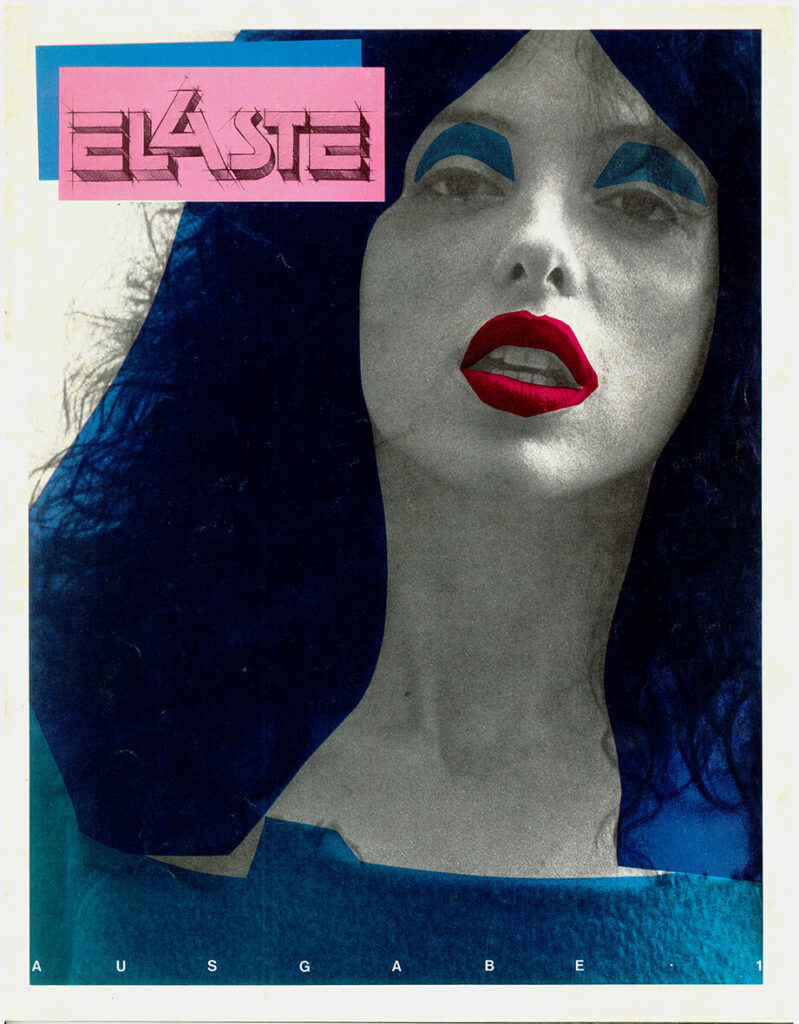
ELASTE was never just a magazine. It was a state of mind — a cultural experiment in which design, music, and imagery operated simultaneously. Emerging in the early 1980s, at a moment when the aftershocks of punk were still present, ELASTE developed its own language rather than aligning itself with existing formulas.
Each issue was restlessly redesigned. Typography, photography, and text were treated not as separate elements, but as part of a single editorial gesture. ELASTE neither imitated the mainstream nor settled comfortably into opposition. Instead, it focused on sensing, amplifying, and shaping cultural signals that had not yet fully taken form.
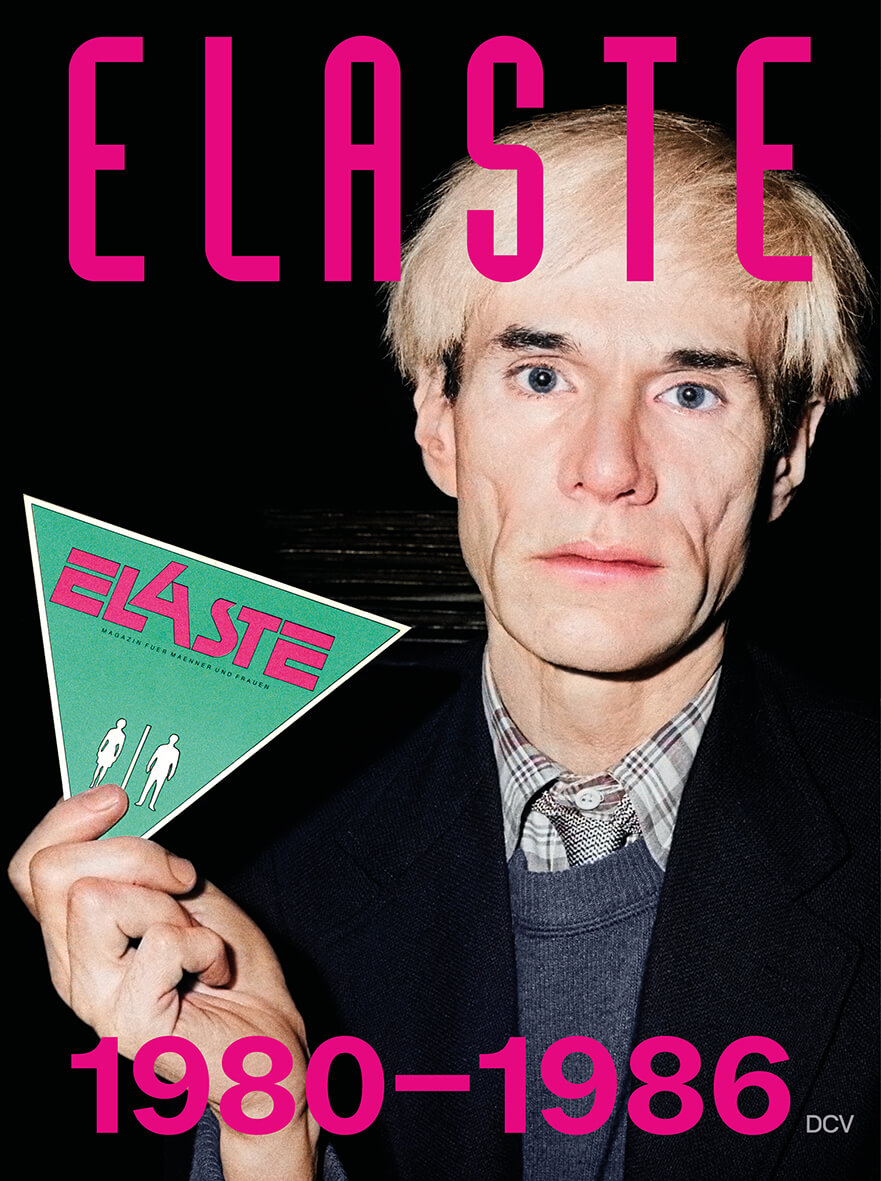
Elaste.1980-1986.book
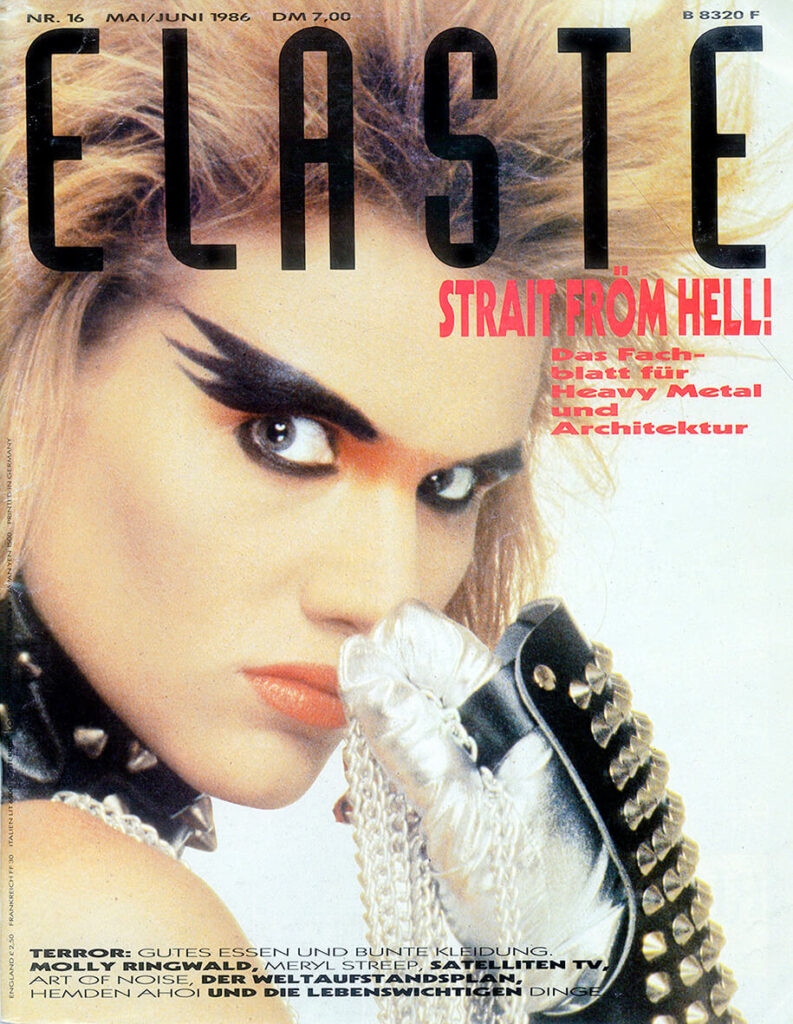
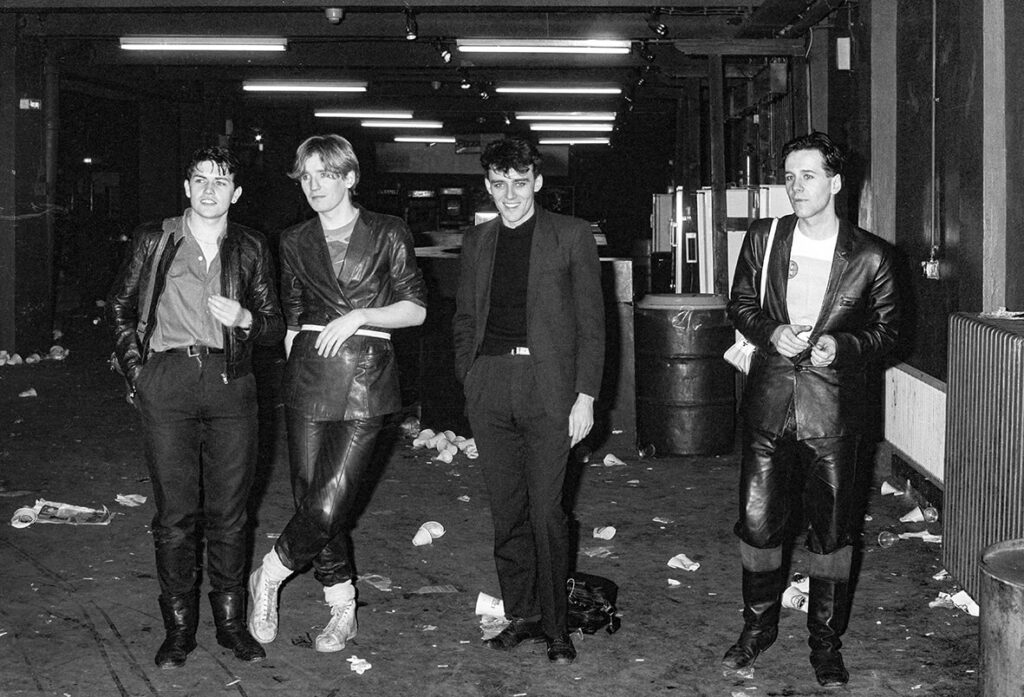
Elaste. 1980–1986 brings together photographs, texts, and later reflections that trace this attitude across time. Rather than offering nostalgia, the book raises questions: How does a magazine become cult? What does “attitude” mean in publishing? And how can a publication engage with the mainstream while simultaneously unsettling it?
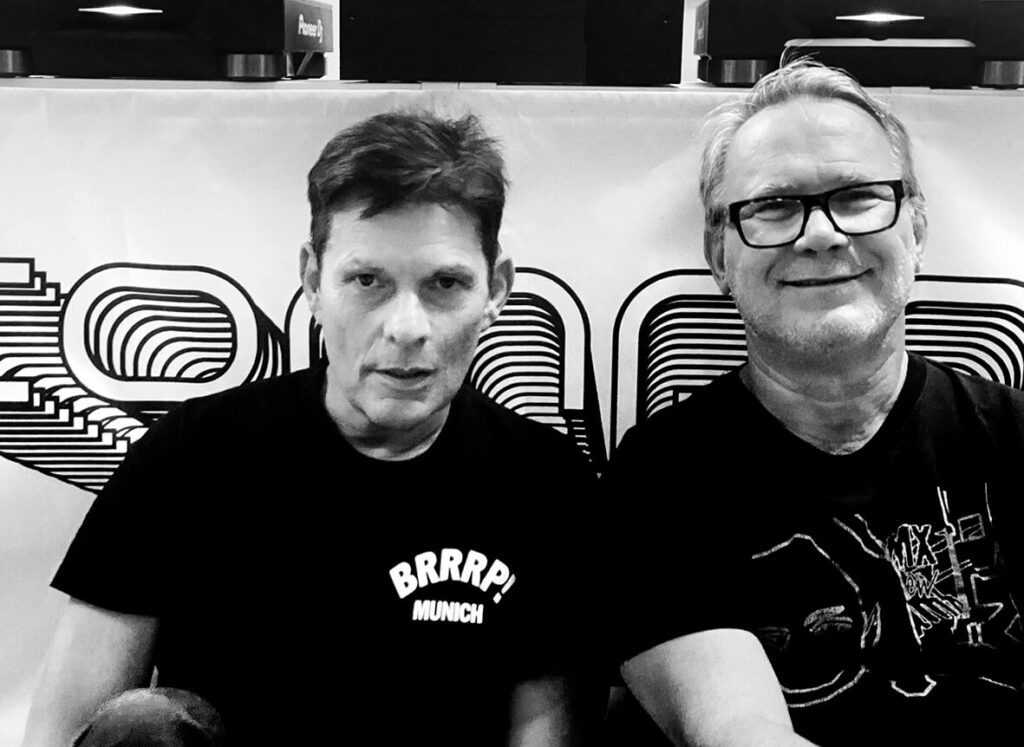
The following interview presents the voices of the two figures behind ELASTE — Thomas Elsner and Michael Reinboth — reflecting on the magazine, its time, and the ideas that shaped it.
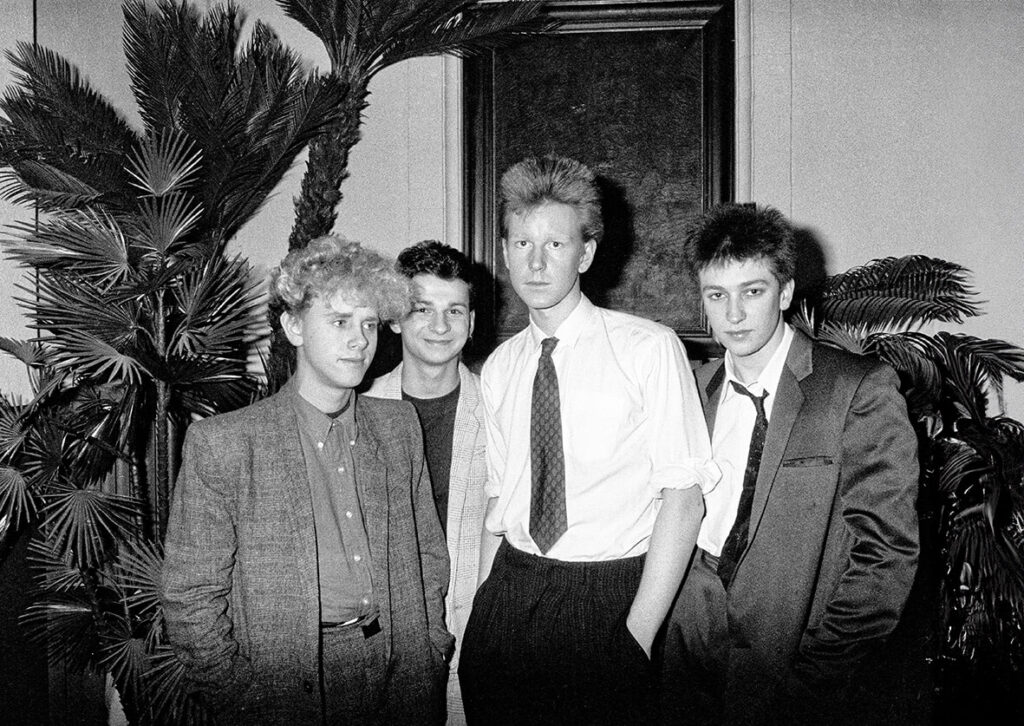
The Two Voices Behind ELASTE: An Interview with Thomas Elsner & Michael Reinboth
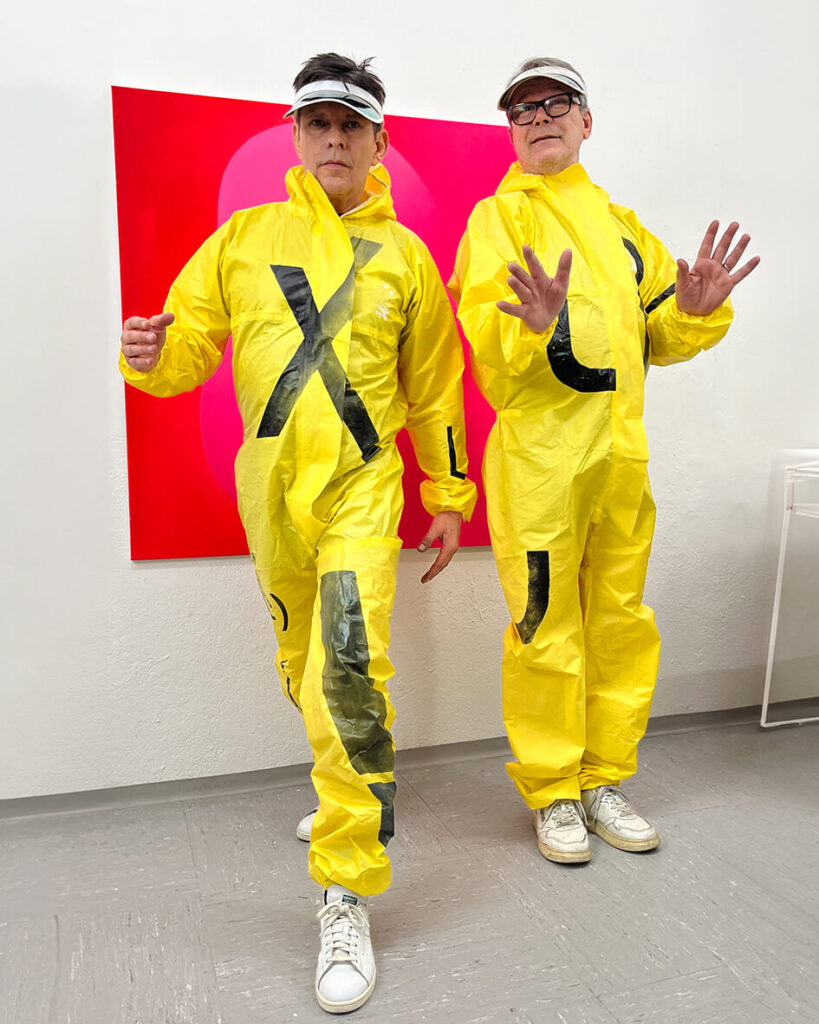
What happens when three teenage dreamers decide to rewrite pop culture?
Michael Reinboth: Revivals are okay per se, especially for young people who didn’t experience the original real time. The results are often okay too, but 10% great, 90% dodgy, from the perspective of older people who know the originals. There are no second Pet Shop Boys or Duran Duran. Nevertheless, there is good new 80s music today, when the young performing kids don’t look back so much, but bring something new of their own to the table.
Thomas Elsner: No, the book isn’t meant to rewrite pop culture. For me, it’s more like a personal photo album. With all the stories, it documents a specific period and what we experienced and did during that time. Only with distance do you realize that it was also an interesting time of upheaval from a cultural-historical and sociological perspective.
Which ’80s icon would YOU have interviewed for ELASTE?
Michael Reinboth: Katsuhiro Otomo (Cyberpunk Saga “Akira”), The Residents, John Carpenter, Brian De Palma, Ridley Scott, David Lynch, John Waters (Polyester), Laurie Anderson, Dave Simmons (Simmons Drums), Devo.
Thomas Elsner: Yes, definitely Devo, but also Blondie, Klaus Dinger (Neu/Kraftwerk), and the people from Chrisma, Maurizio Arcieri and Christina Moser, who will forever remain an enigma to me.
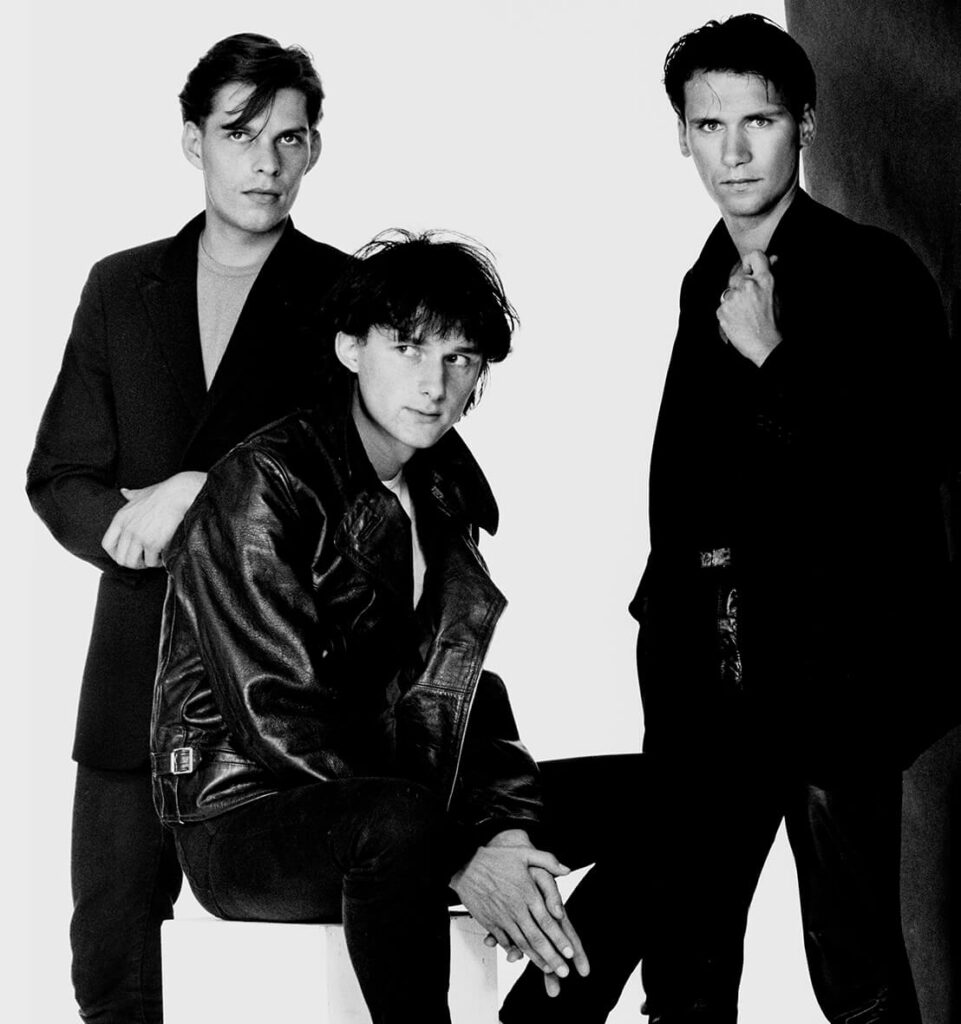
Post-punk gloom or pop-avant-garde glow—which side are you on?
Michael Reinboth: Good difficult question. If we had to choose, then Pop-Avantgarde Glow – because it’s more timeless. But the amalgamation is also good.
Thomas Elsner: Post Punk Depression…
Andy Warhol said “I like your magazine.” Would he double-tap today?
Michael Reinboth: Yes, definitely. Andy Warhol asked us to always send a bunch of Elaste magazines to his Factory in New York. I think he and the Factory would still be happy about it today.
Thomas Elsner: I don’t know. He liked the magazine and us too. And the way we did things.
What’s more rebellious: breaking the rules or redesigning them every issue?
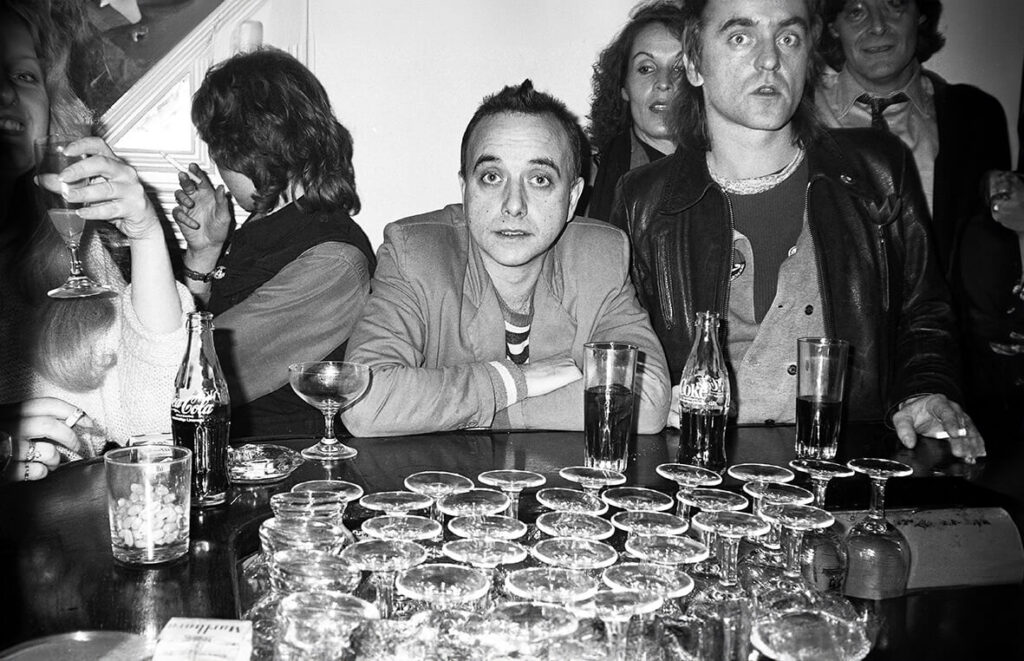
Michael Reinboth: Breaking the rules is no longer in vogue and, in the age of social media, can quickly backfire. Redesigning with style and awareness is much more important.
Thomas Elsner: I don’t know, were we rebellious? I don’t think so. We rethought some things, but didn’t find a satisfactory answer. That’s why we kept trying.
Which ELASTE legend would you want to road-trip with—Bowie, Boy George, or Kraftwerk?
Michael Reinboth: Bowie
Thomas Elsner: Yes, Bowie, preferably accompanied by Iggy Pop. However, perhaps Keith Richards would be more exciting.
Can a magazine shape the mainstream and sabotage it at the same time?
Michael Reinboth: Yes, by critically questioning current issues and images and then – most importantly – doing what politicians usually fail to do: providing guidance, pointing out ways forward, and outlining future solutions that give the mainstream food for thought.
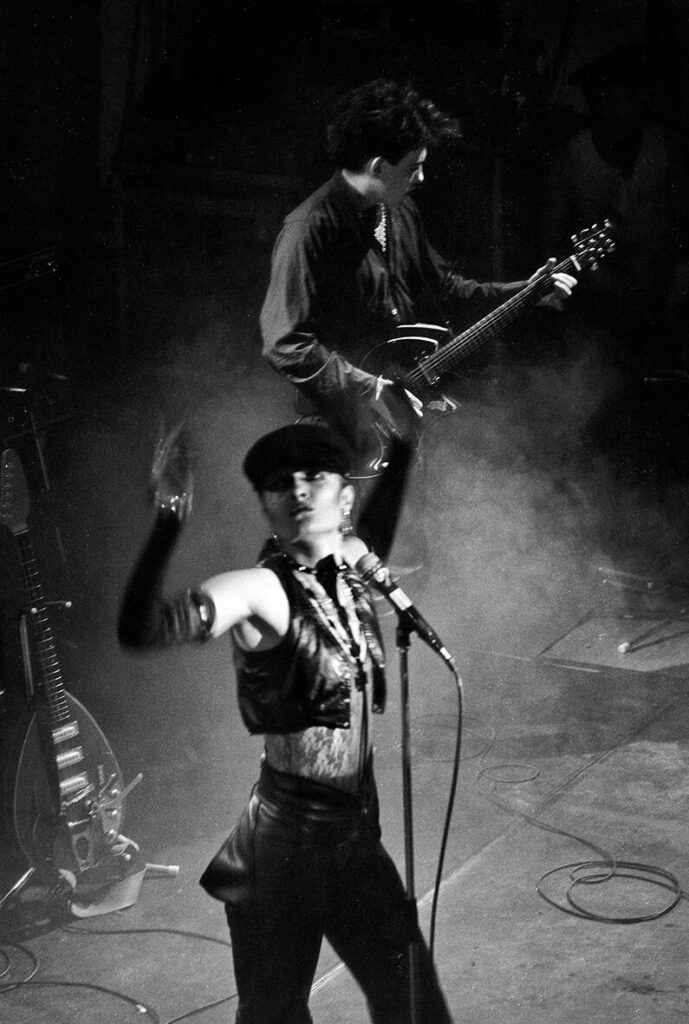
If you could freeze one moment from the ’80s, which cultural shockwave stays?
Michael Reinboth: Ohhh, a few: MTV, the camcorder, the drum machine sound, the beginnings of acid house and techno, the fantastic first blockbuster films such as Blade Runner, Brazil, Scarface, Terminator, The Elephant Man, Dune, Blue Velvet, Paris Texas. The design (Neville Brody, Thomas Elsner)
Thomas Elsner: Music generated by (the help of) machines. And of course Punk
What makes a magazine a cult—attitude, icons, or pure guts?
Michael Reinboth: First his attitude, then his courage, then his unpretentiousness, and finally his icons. Icons may still be unknown, but a magazine is good when it discovers them and makes them big.
Thomas Elsner: A magazine becomes a cult classic when it goes beyond simply informing. It needs an aesthetic, intellectual, or curatorial stance. A little humor can’t hurt. So can experimentation. You shouldn’t try to force it; it won’t work. For example, a German magazine called ‚Cult’ didn’t become a cult classic…
ELASTE WEBSITE
more music content here
Our next event : Säule, Berghain – 15.01.2026 click here