Happy to talk and reconnect with Alienata after our event in ELSE, where she performed last year – at a pivotal moment in her trajectory. Since then, the Spanish-born artist has continued to deepen her presence within the underground electronic landscape, refining a sound that moves fluidly between techno, electro, acid and industrial textures.
Based in Berlin since 2012 and a regular at institutions such as Berghain and Tresor, she has built a distinctive artistic language shaped by intensity, movement and emotional depth.
With Discos Atónicos continuing to evolve and a debut solo EP scheduled for 2026, this interview explores the past, present and future of an artist in constant transformation.
Interview with Alienata
Looking back to the mid-2000s, what first pulled you toward electro and techno, and how did those early influences shape the identity of Alienata?
What first pulled me towards electronic music wasn’t a specific genre or artist. Growing up in Murcia (southeastern Spain) I was lucky to have a mentor who had worked in a record shop and later ran a distribution business from home, so I was constantly surrounded by records from all kinds of styles and eras.
I never approached music through genres. I would simply listen to records and connect with whatever sparked my curiosity. That openness still shapes the way I dig for music and build sets today.
What fascinated me most about DJing was its ability to connect people. I’ve always been quite a shy and independent person, so discovering club culture and experiencing that sense of community through music was something very powerful.
Those values still define Alienata today: curiosity, emotional connection, and a desire to create meaningful moments on the dancefloor, regardless of genre.
In your earlier years as a DJ, was there a specific moment or club experience that made you realize you wanted to pursue this path seriously?
There was one moment that has stayed with me for many years. In the early 2000s, before I had even started DJing, I walked into the upstairs room at Metro Dance Club in Alicante while Stacey Pullen was playing. I still remember the feeling in that room: a strong sense of community, almost tribal, but at the same time something futuristic and deeply emotional. It felt like being transported somewhere else.
That experience left a lasting impression on me and showed me the depth and power that electronic music could have.
Interestingly, Metro later became the place where I took my first serious steps as a DJ. Through the Overflow collective, which organized incredible long-format parties with international line-ups, I had the chance to play regularly as a resident and learn from those experiences. Looking back, those years shaped me far more than I probably realized at the time and played a huge role in my development as an artist.
When you moved from Spain to Berlin in 2012, how did the city transform your relationship with music, nightlife and artistic discipline?
When I moved to Berlin in 2012, I was already DJing regularly and had started building my career in Spain. But moving here was a conscious decision—I left my job behind and committed fully to music for the first time.
What Berlin gave me was an environment where music was taken very seriously, both artistically and culturally. Being surrounded by so many inspiring artists pushed me to become more focused and disciplined, while also expanding my musical horizons. I quickly found myself connecting with people who shared a similar passion and curiosity for music, which felt incredibly motivating.
The city also changed the way I viewed nightlife. I began to see clubs not just as places for entertainment, but as cultural spaces with their own identity and purpose. Above all, Berlin gave me a strong sense of freedom and belonging. From the very beginning, I felt at home here, and that allowed me to focus on developing my own artistic path with much greater clarity.

In the 2020 interview, you spoke about the emotional and mental dimensions of music – how has your understanding of the dancefloor evolved since then?
The pandemic reinforced something I had always felt: how deeply connected my identity is to music and the dancefloor. Like many people in our scene, I suddenly felt that a part of my life had disappeared, and that experience made me appreciate even more the emotional and psychological role that music plays for all of us.
In many ways, my understanding of the dancefloor hasn’t changed dramatically since then. I still value the emotional connection above all else, although over the years I’ve also developed a greater appreciation for technique and the craft behind DJing. For me, the most powerful moments happen when both aspects come together.
What continues to fascinate me is how something as abstract as sound can create such meaningful connections between people. Even today, at the beginning of a set, there’s often a moment when I make eye contact with someone on the dancefloor and exchange a smile. It’s a very simple interaction, but it feels like an unspoken understanding. There’s something almost magical about that connection, and after all these years, it’s still one of the things I love most about playing music.
Your sets often move between electro, acid, industrial and techno without settling into one category. Has resisting genre definition become more intentional over the years?
I wouldn’t say that resisting genre definitions has become more intentional over the years. It’s more that I’ve never built my relationship with music that way. From the beginning, I was exposed to many different sounds and learned to trust my curiosity rather than focus on categories.
Of course, context matters. The way I approach a set naturally changes depending on where I’m playing. A small underground venue might give me more freedom to explore unexpected corners of my collection, while a techno-focused club or a dedicated electro event may call for a different approach. But even then, I’m usually thinking more about energy, atmosphere and storytelling than about staying within the boundaries of a particular genre.
I’ve always trusted my instincts when it comes to selecting music. What matters most to me is whether records create the right tension, emotion or momentum in a room.
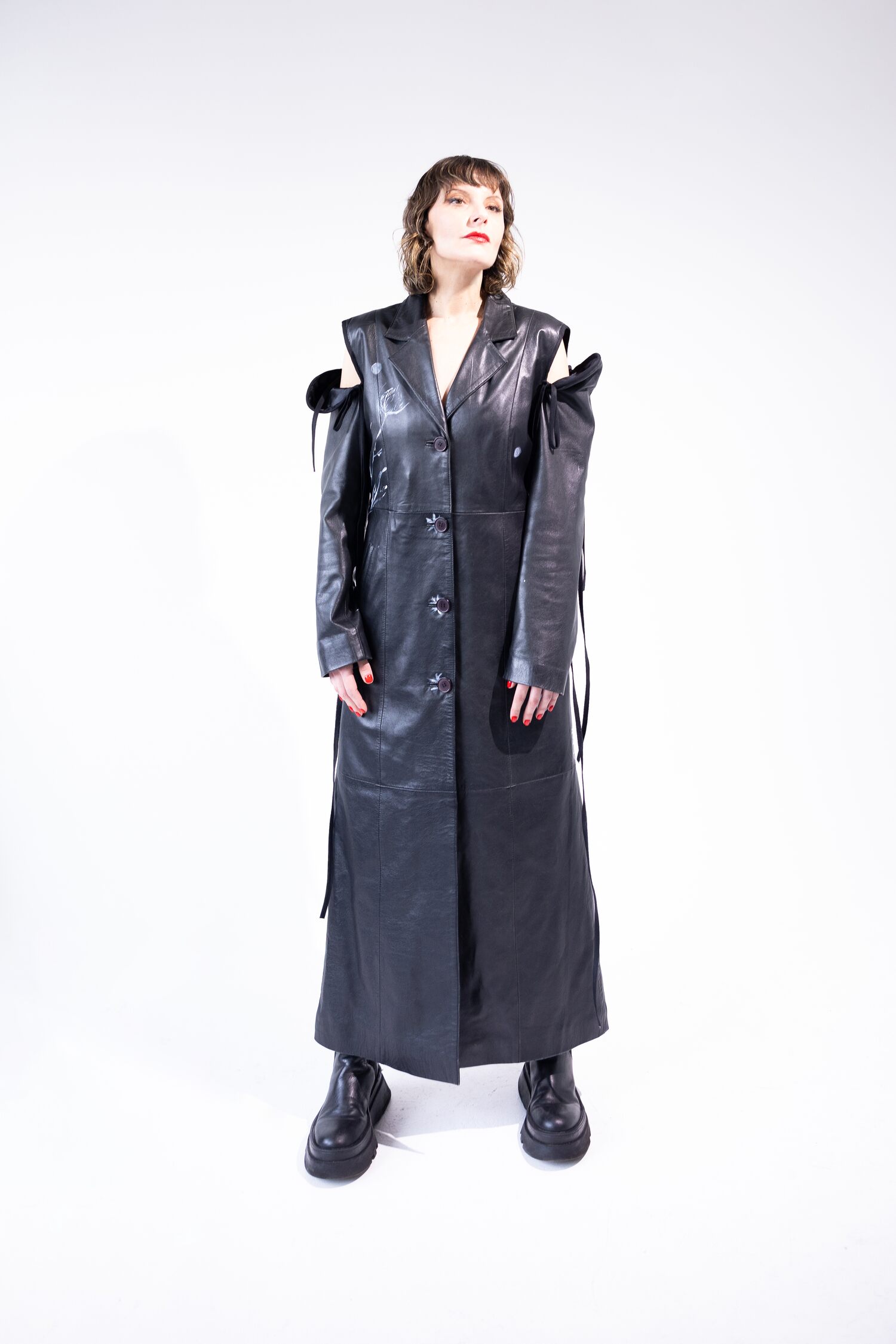
You’ve become closely associated with spaces like Berghain and Tresor. How do you maintain your individuality while playing venues that carry such strong historical identities?
I see it more as a dialogue than a compromise. When I play in venues with such strong identities and histories, I have a lot of respect for the context and for what those spaces represent. Of course, I think carefully about my music selection and about how I can contribute to that particular environment.
At the same time, I never feel the need to become someone else. The goal is always to bring my own perspective into the conversation. I might highlight different aspects of my sound depending on the venue, but the essence remains the same.
A place like Tresor is a good example. Its history and musical legacy have been part of my journey since the very beginning. I’ve been collecting those records since I first started DJing.
Because of that, playing there feels less like adapting and more like entering into a dialogue with something that has inspired me for a long time. It’s a privilege to contribute my own perspective while remaining connected to a legacy that helped shape my understanding of electronic music.
Detroit, Chicago and UK techno aesthetics all seem present in your sound. Which elements from those scenes still resonate most deeply with you today?
I simply can’t imagine music without the depth, warmth and futurism of Detroit. At the same time, I’ve always been drawn to the jacking rhythms and raw energy of Chicago, that beautiful sense of imperfection and the way a track built from just a few elements can feel both deeply physical and intensely mental. Then there’s the influence of the UK, with its machine funk, groove, experimentation and broken rhythms, a sound that has always fascinated me for its industrial edge and restless spirit.
When I think about it, all of these influences are connected by a shared spirit rather than by genre. They’ve always coexisted naturally in my sets and productions, and they still do today. They’re not references that I consciously try to include; they’ve simply become part of the musical language through which I understand and express music.
Since founding Discos Atónicos in 2017, what have you learned about balancing artistic vision with the realities of running an independent label?
Running an independent label has taught me that having a strong artistic vision is only the beginning. Bringing records into the world requires patience, persistence and a willingness to deal with a lot of challenges behind the scenes, especially when you’re handling most of the work yourself.
Like any long-term project, there have been ups and downs and moments when I’ve questioned how to move forward. The rising costs of vinyl production have also made things increasingly challenging for small independent labels, so every release requires careful consideration.
What has never changed is the original intention behind Discos Atónicos: to remain true to its underground spirit and release music that feels timeless rather than chasing trends. There have been periods with more releases and periods with fewer, but I’ve never been interested in quantity for its own sake. What matters to me is that each record deserves its place in the catalogue.
Looking at the evolution of underground electronic music over the last decade, what changes excite you – and what changes concern you?
What excites me most about the current moment is the incredible diversity within electronic music. Genre boundaries feel much more fluid than they did in the past, and I love hearing artists combine different influences to create something personal and unexpected. I’m also happy to see more space being created for different voices, communities and minority-led collectives, bringing new perspectives and helping the scene become richer and more representative. I find a lot of inspiration in the younger generation as well. There’s so much curiosity, openness and willingness to experiment, and I think that’s what keeps any scene alive and evolving.
At the same time, all of this exists within a world that moves faster and faster. Social media has transformed the way we discover music, communicate and build careers, bringing many opportunities but also creating a constant pressure to keep up. Sometimes I feel that we’re losing a bit of the patience, focus and sense of discovery that have always been such an important part of underground culture.
For me, the real challenge is finding ways to preserve those values while continuing to embrace change. That means supporting small venues, independent labels, grassroots initiatives and minority-led communities that give new ideas and new voices the space to grow. In many ways, they’re the foundation of the ecosystem that keeps club culture diverse, vibrant and evolving.
Your music often carries a sense of tension and propulsion. Do you approach DJing more emotionally, physically or conceptually when constructing a set?
For me, it’s impossible to separate those things completely. Music is emotional, physical and conceptual at the same time, and when I’m constructing a set, all three aspects are constantly interacting.
I’ve always had a very visual relationship with music. Quite often, when I listen to a track, I can almost see it unfolding as movement, energy or even as part of a larger story. At the same time, there are records that trigger such a strong emotional response in me that I instinctively know they’ll resonate with other people as well.
I’m also very drawn to the physical side of club culture. I love watching people dance and express themselves through movement. Seeing how energy travels through a room is one of the most fascinating aspects of DJing for me. After many years behind the decks, intuition has become a big part of the process too. Sometimes you just feel when the right record is about to create a special moment.
So if I had to choose, I’d probably say I approach DJing emotionally first, but that emotion is always connected to movement, energy and intuition.
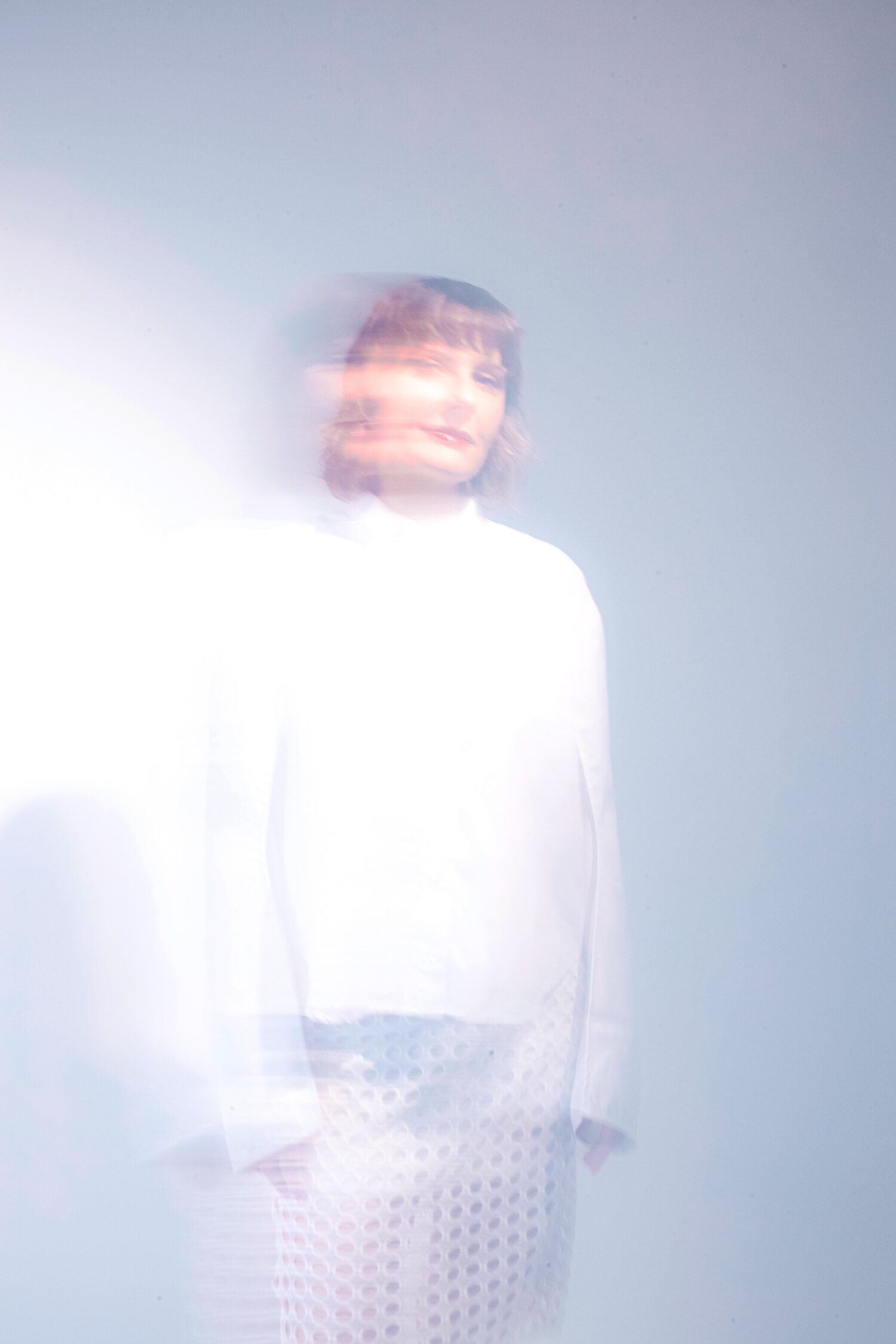
Compared to the Alienata of five or ten years ago, what aspects of your artistic identity feel the most transformed today?
More than anything, I’ve learned to trust myself. Five or ten years ago, I probably spent more time thinking about expectations—what people might expect from me, what the scene expected from me, or whether I was moving fast enough. Over the years, I’ve gradually let go of a lot of that unnecessary pressure.
Today, I trust my intuition much more, both musically and professionally. I’ve learned that my path has developed in a very organic way, and I’ve stopped comparing it to anyone else’s. That doesn’t mean I don’t have ambitions, but I’ve come to understand that building something meaningful and sustainable takes time.
Another important change has been learning how to take better care of myself. Touring, running a label and maintaining a creative life can be demanding, and over the years I’ve become much more conscious of protecting my energy, my routines and my health. I still love going out, discovering music and being part of nightlife, but I’ve learned to choose my moments more carefully and to listen to what I need. I’ve realised that taking care of myself isn’t separate from being an artist—it’s what allows me to keep creating, performing and enjoying this life in a sustainable way.
Looking back, I think the biggest transformation hasn’t been in my sound, but in the confidence I have in my own process and in the balance I’ve learned to create around it.

You’ve spent years interpreting music through DJ sets and curation. What pushed you toward creating a debut solo EP at this particular moment in your trajectory?
For many years, I was happy expressing myself through DJing, digging and curation. I never felt the need to rush into releasing my own music simply because it was expected. In many ways, this EP happened when it genuinely felt right.
Part of that came from learning to let go of some of the perfectionism and impostor syndrome that had followed me for years. I stopped focusing so much on what others might expect from me and started asking myself a much simpler question: what do I actually want to say? That shift allowed me to reconnect with my own instincts and bring together all the different influences that have shaped me in a way that felt personal and honest.
Another important lesson was learning not to be afraid of asking for help. For a long time, I felt I had to figure everything out on my own, but this project reminded me that creativity can also be a collaborative process.
What makes this release especially meaningful is that it emerged from a period when I wasn’t feeling particularly well. Somehow, I managed to transform a difficult moment into something positive and creative. In that sense, this EP feels less like a destination and more like a reflection of personal growth and a new level of trust in myself.
Can you describe the emotional or sonic world of the upcoming 2026 EP without revealing too much about it yet?
I’d describe it as mysterious but groovy, futuristic but human, and highly physical with an introspective side. It’s music for movement, but also for reflection.
As electronic music becomes increasingly fast-moving and algorithm-driven, how do you protect depth, patience and authenticity in your creative process?
By trusting my intuition and accepting that meaningful things take time. I’ve never been interested in chasing trends, and I try to protect my focus and curiosity as much as possible.
Meditation and sport help me stay grounded and balanced. They create space away from the constant noise and help me reconnect with what genuinely inspires me.
Looking toward the future, what kind of legacy or impact would you like Alienata – and Discos Atónicos – to leave within underground
I’ve never been too focused on the idea of legacy. What matters most to me is staying true to myself and contributing something honest to the culture that has given me so much over the years.
If people were to look back at Alienata and Discos Atónicos in the future, I would hope they could say that they always remained true to their essence and carried a special energy. If the music, the records and the experiences I’ve shared continue to resonate with people long after the moment has passed, then I think that’s a beautiful legacy in itself.
Follow Alienata
CREDIT:
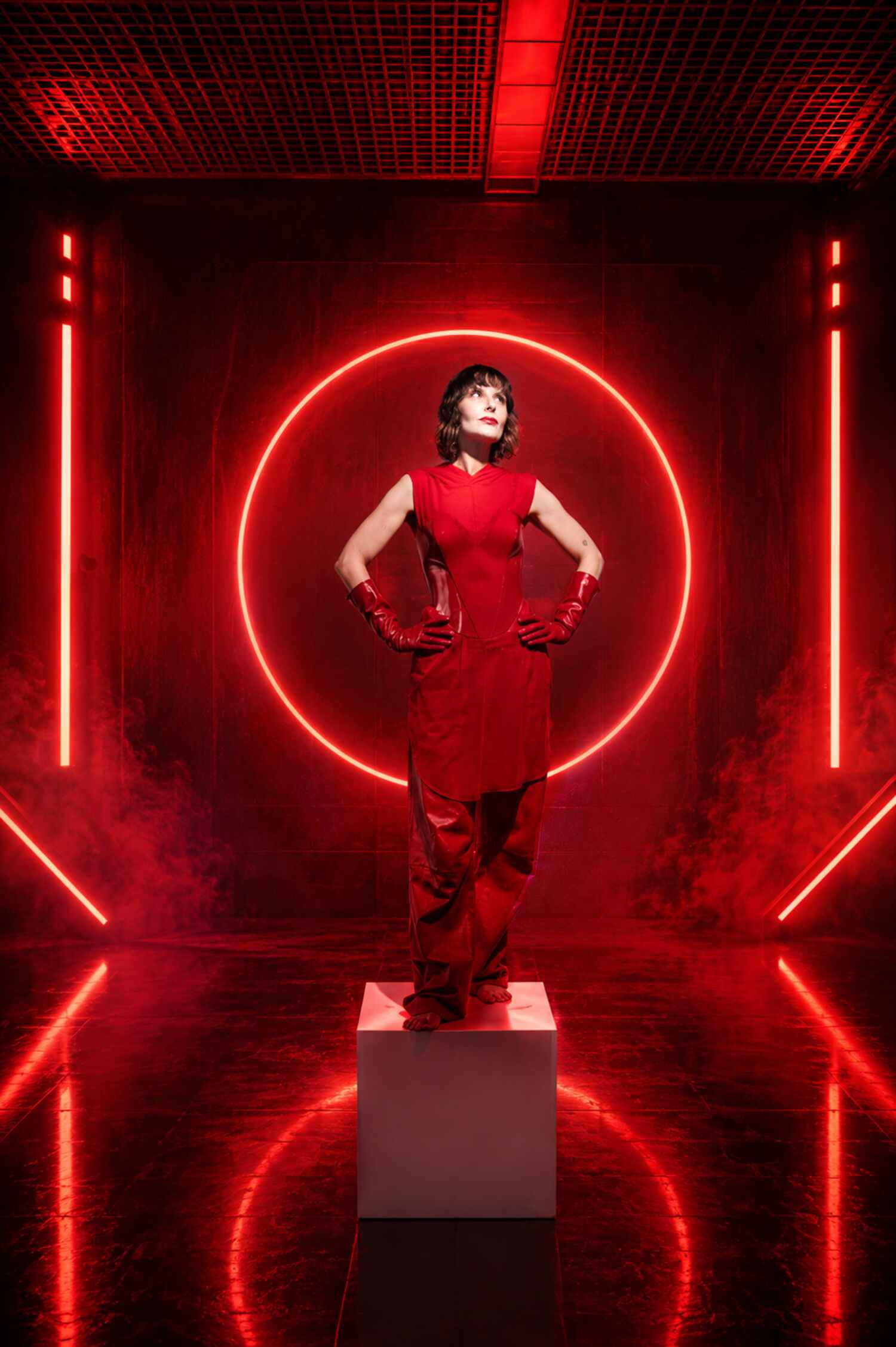
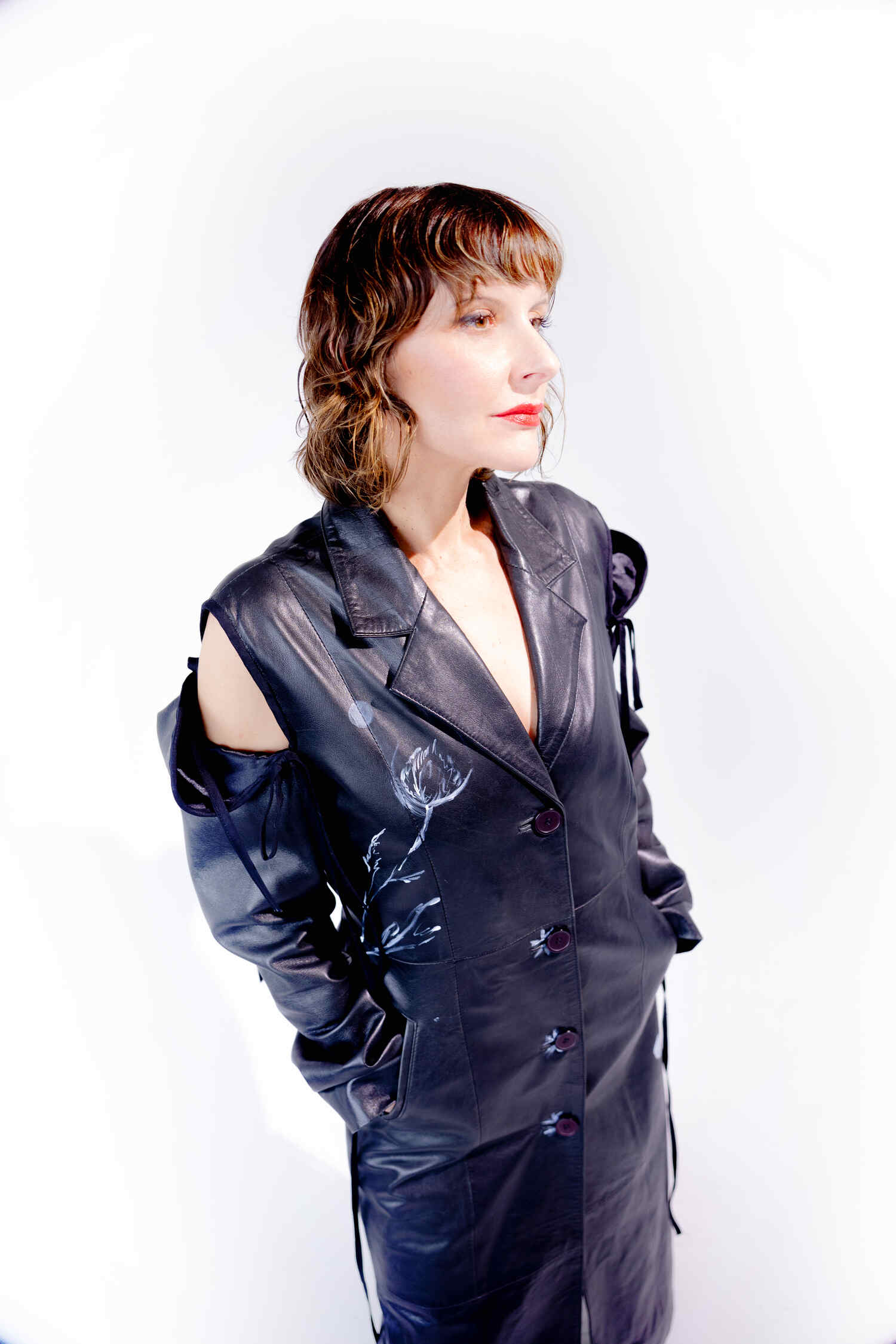
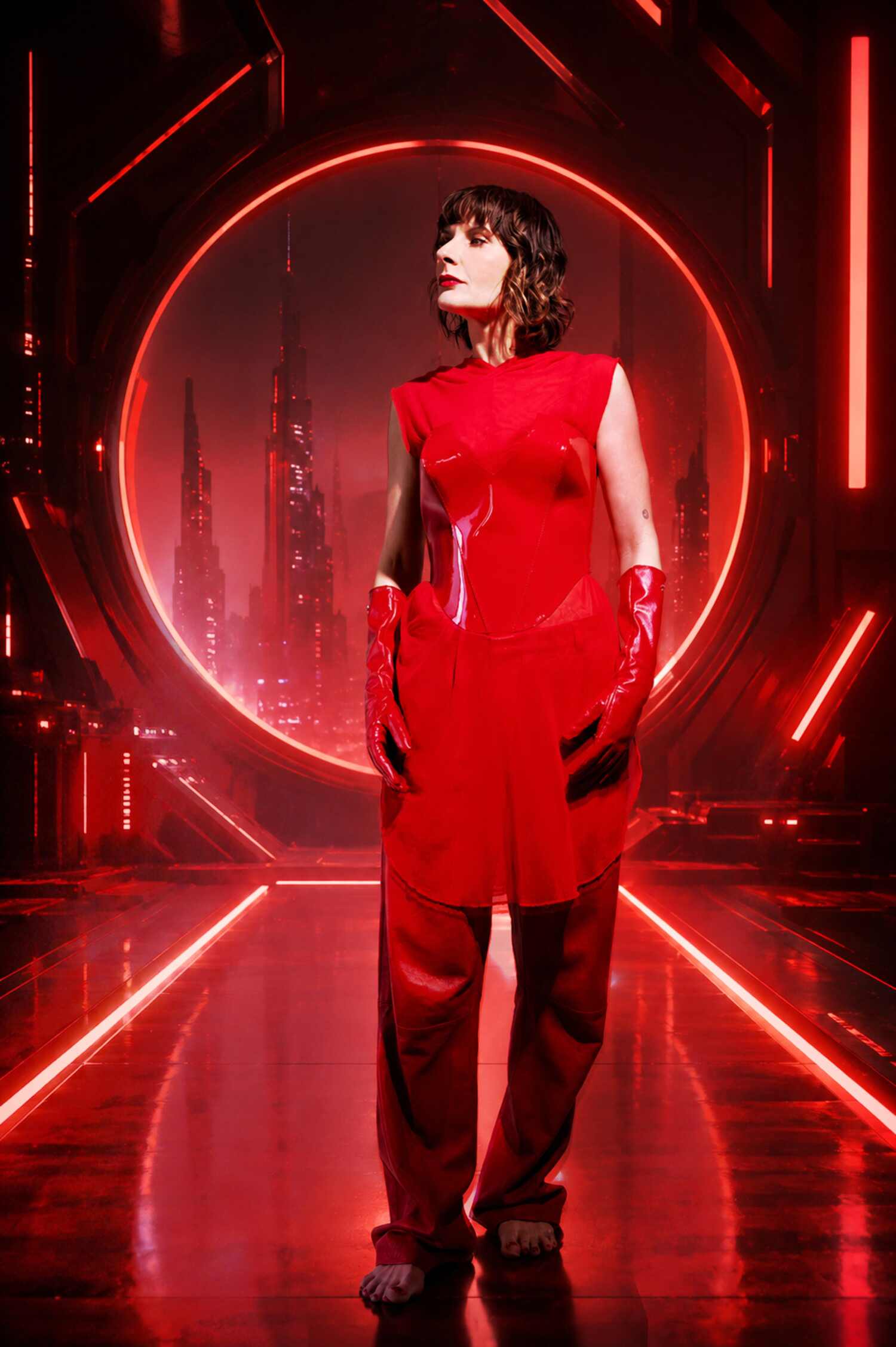
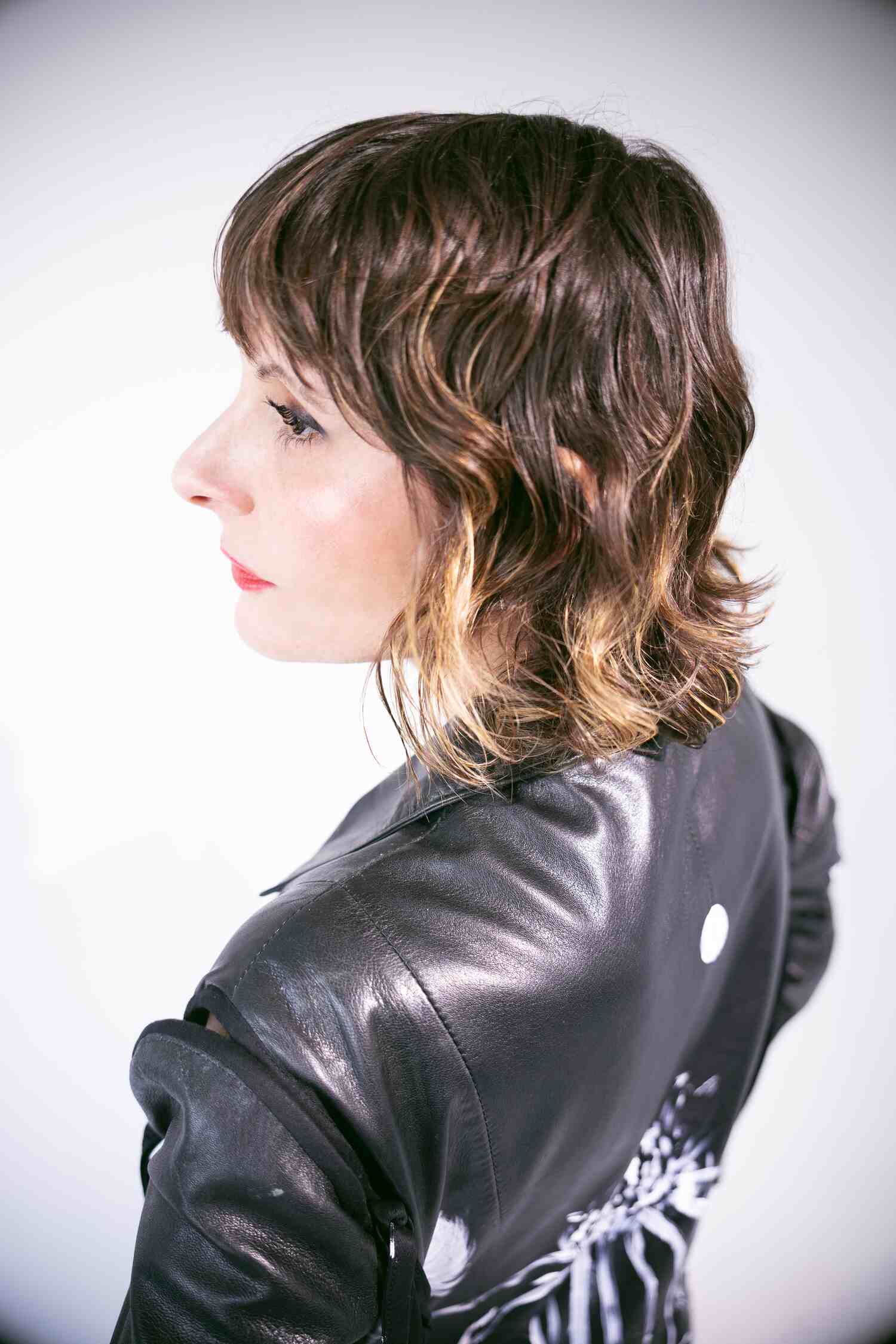
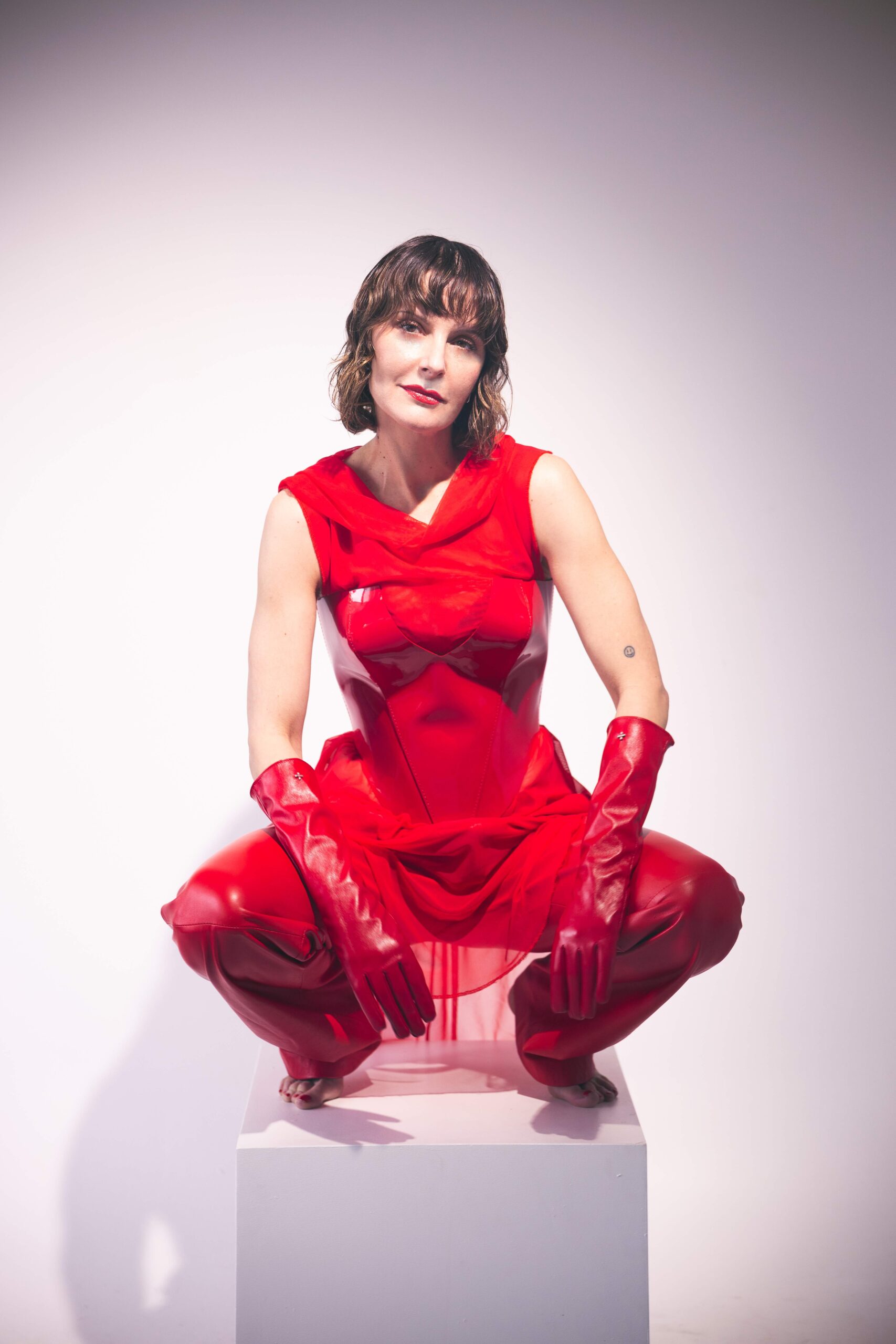
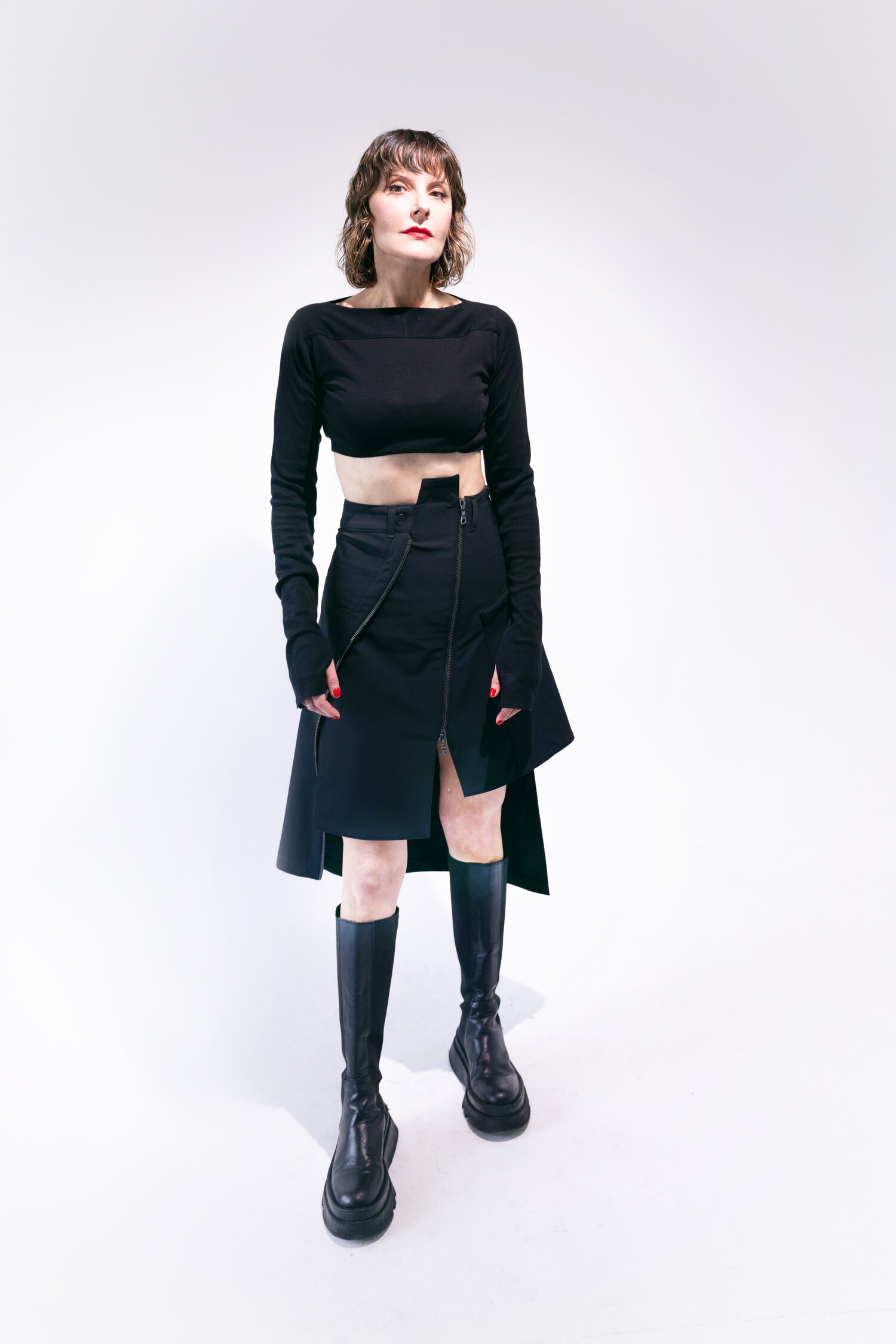
Clothes J.a.i.w / enfin levé / THE CODE / Jasmin Anita Wottke
Makeup Carolina Lazo
Photos by Keyi Studio ( @eyes_dice + @berlin_bunny_ )
Follow Alienata
Follow KEYI MAGAZINE
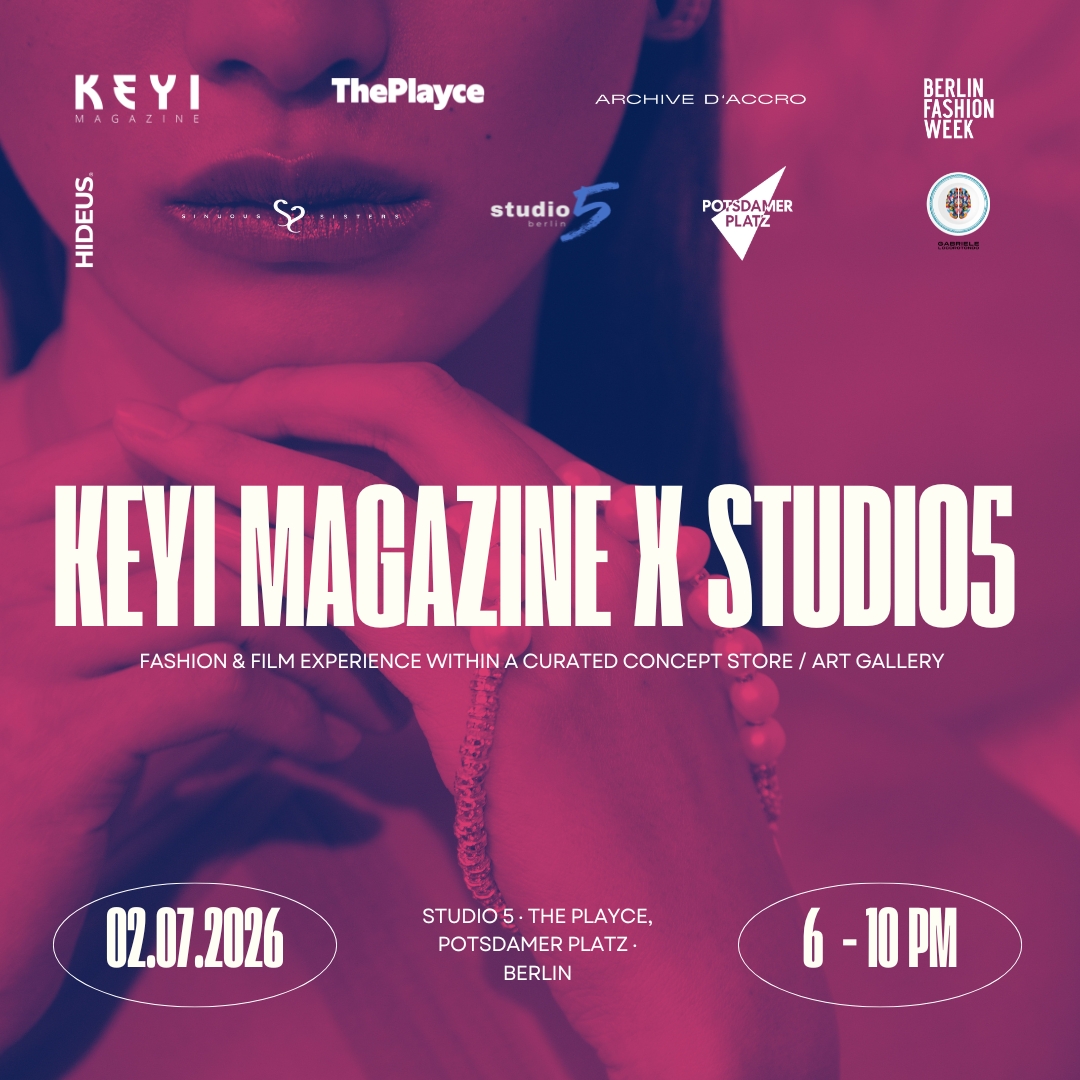
MORE INFO about our BERLIN FASHION WEEK event
Apply for Casting Calls here
Check more music related articles here.