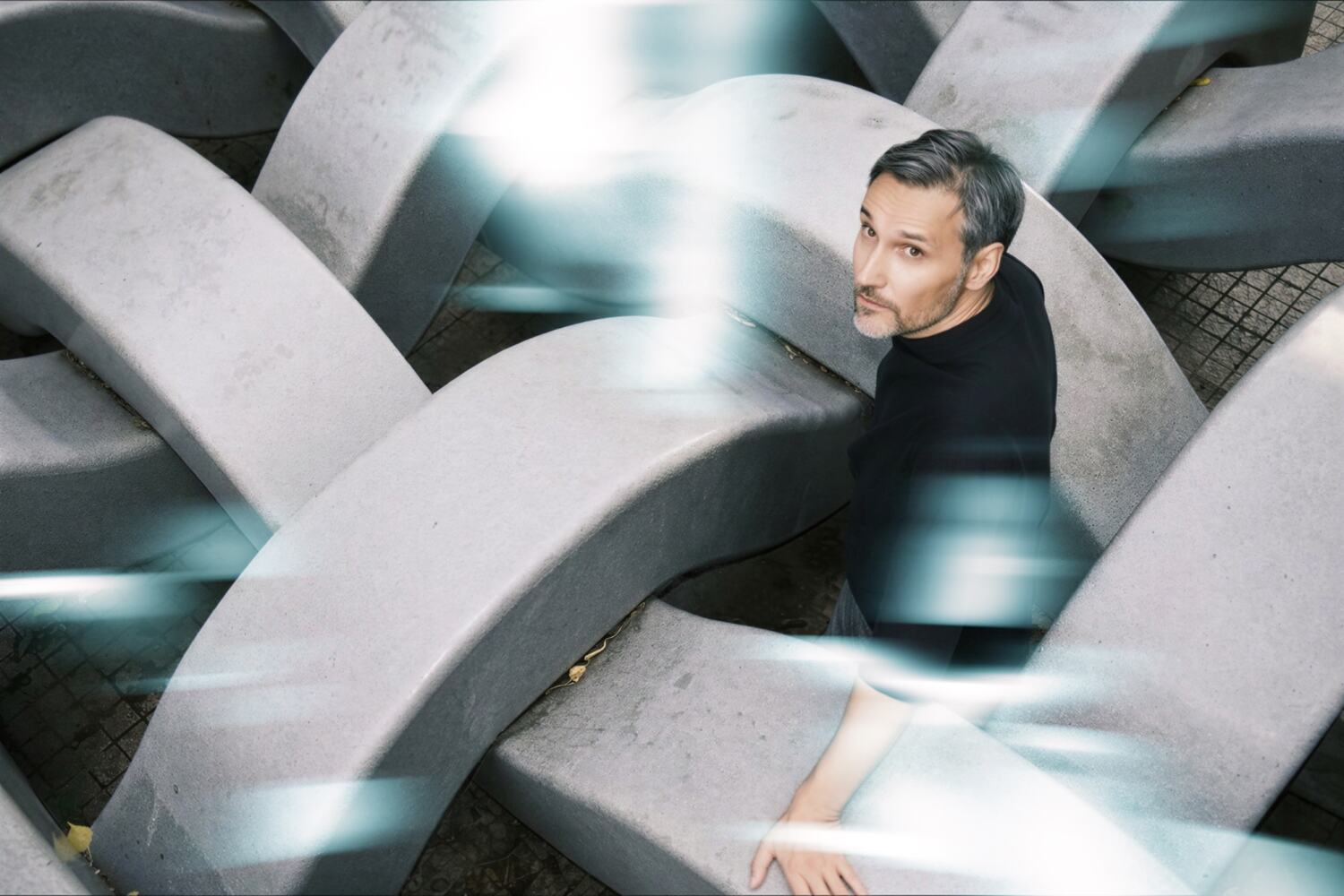
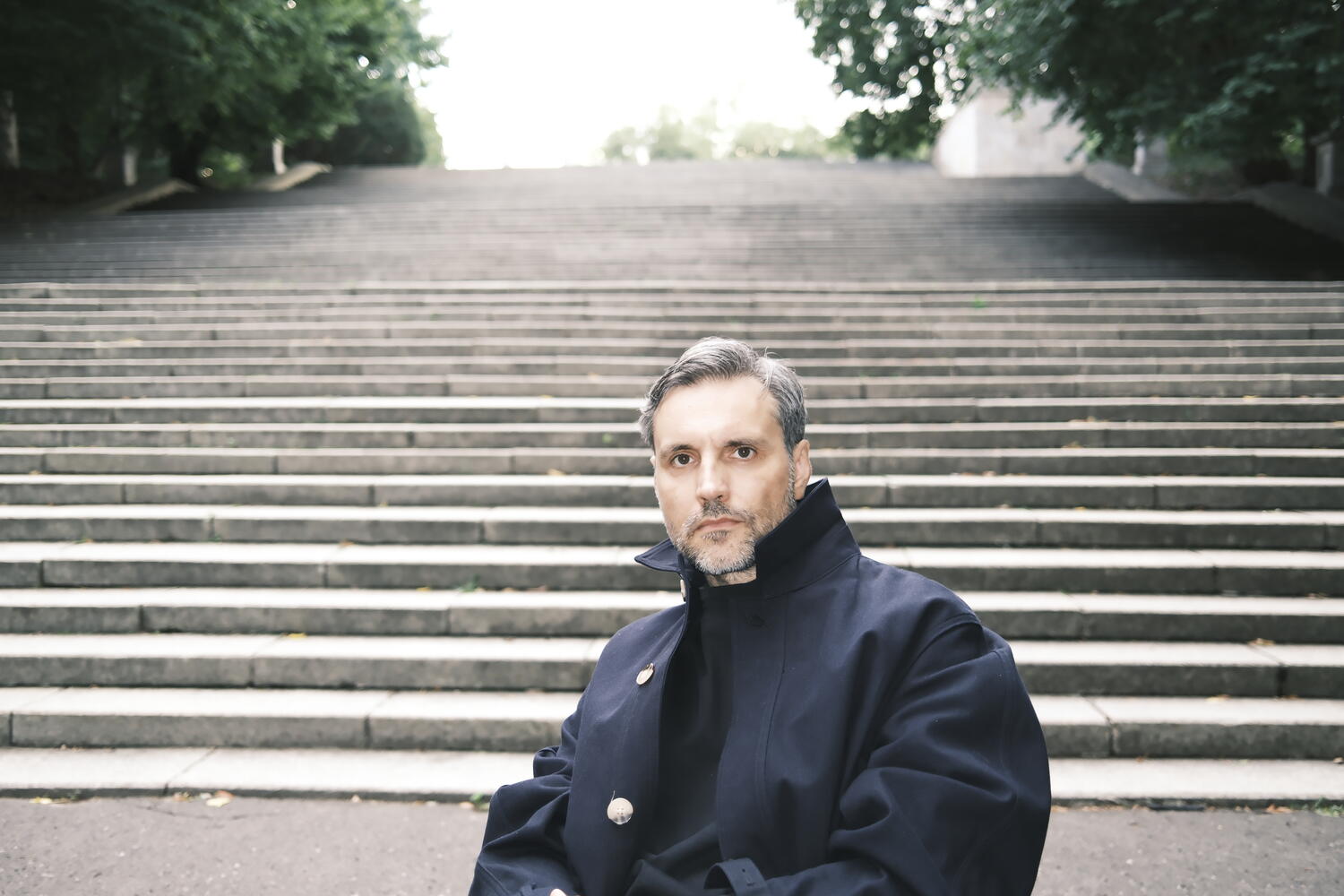
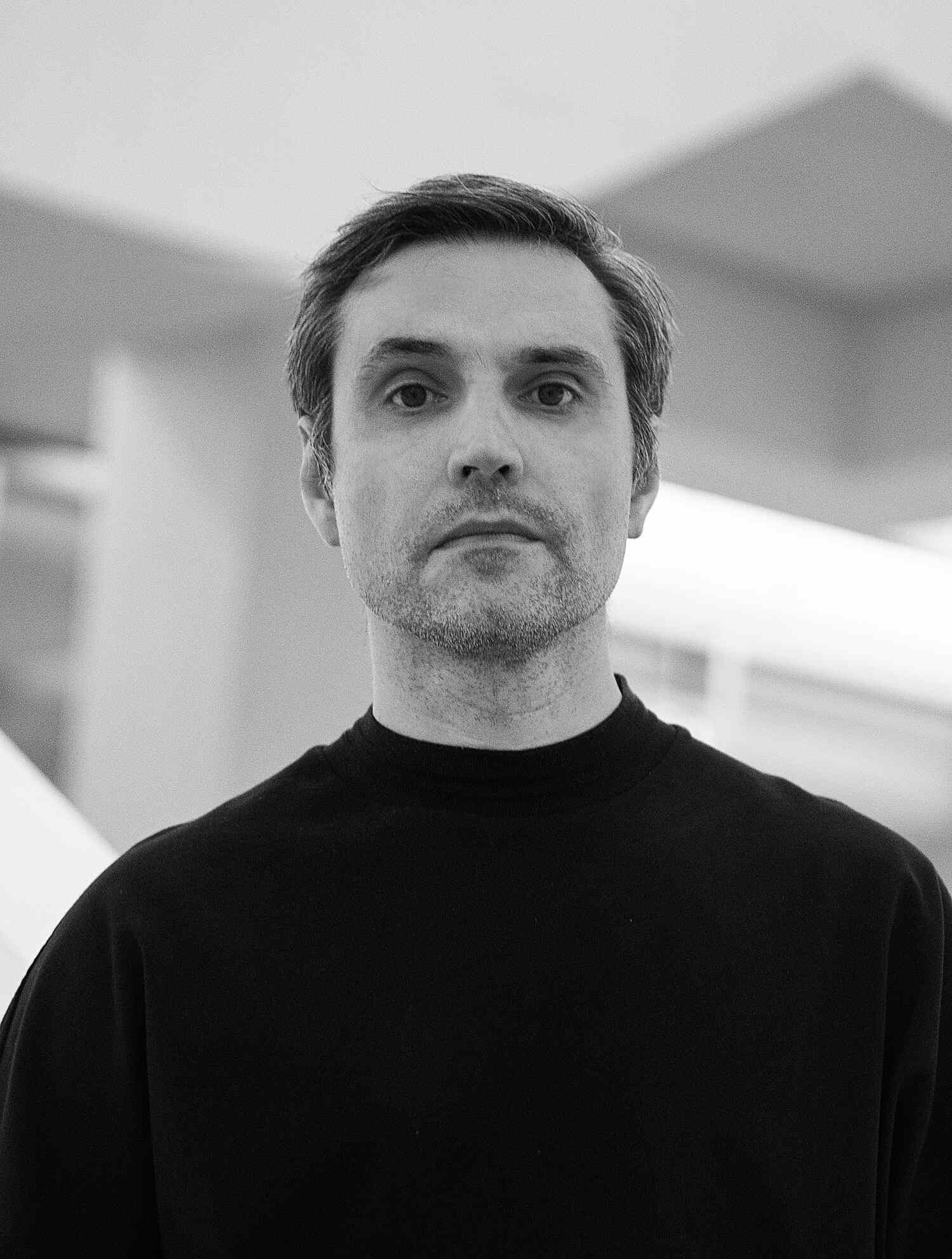
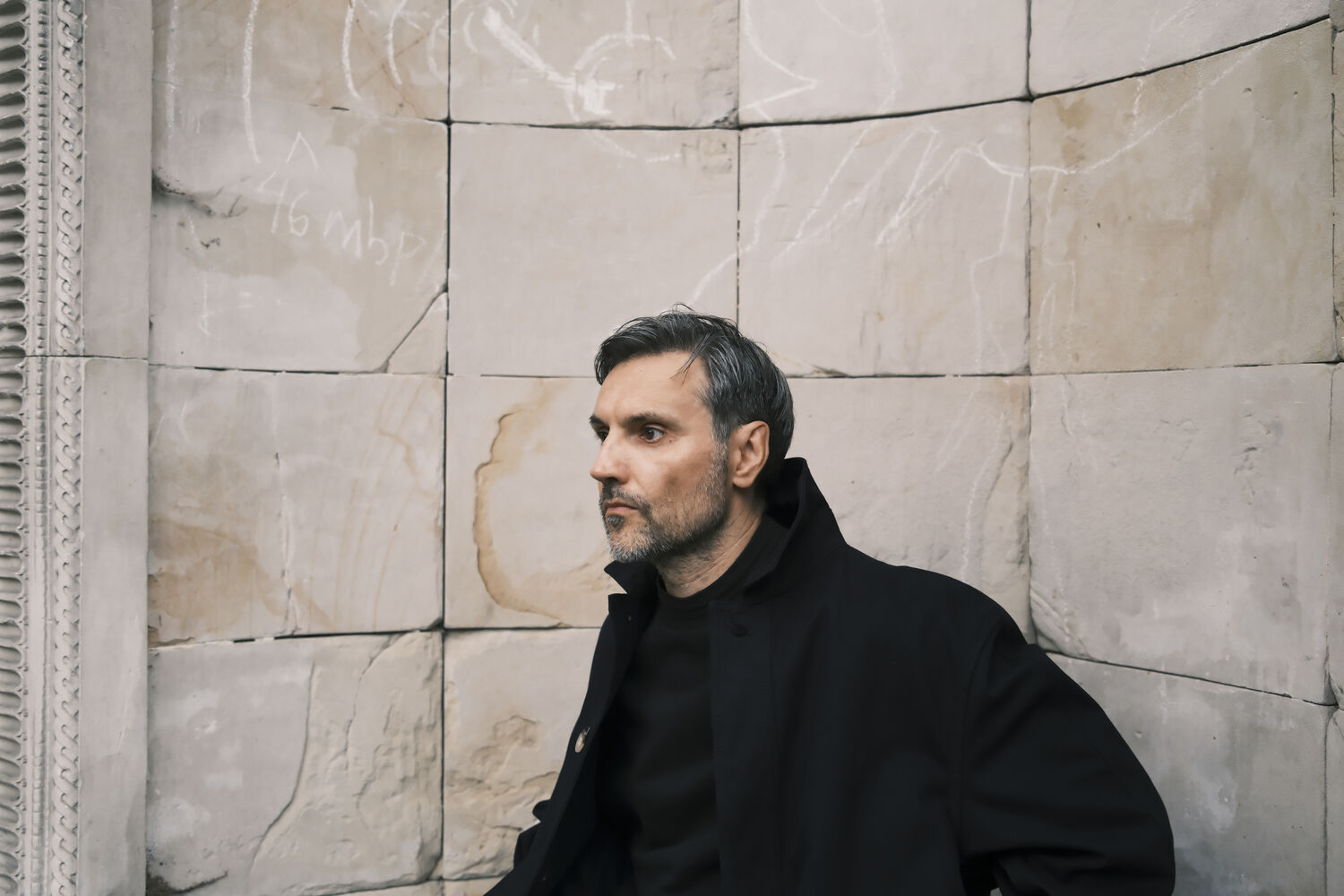
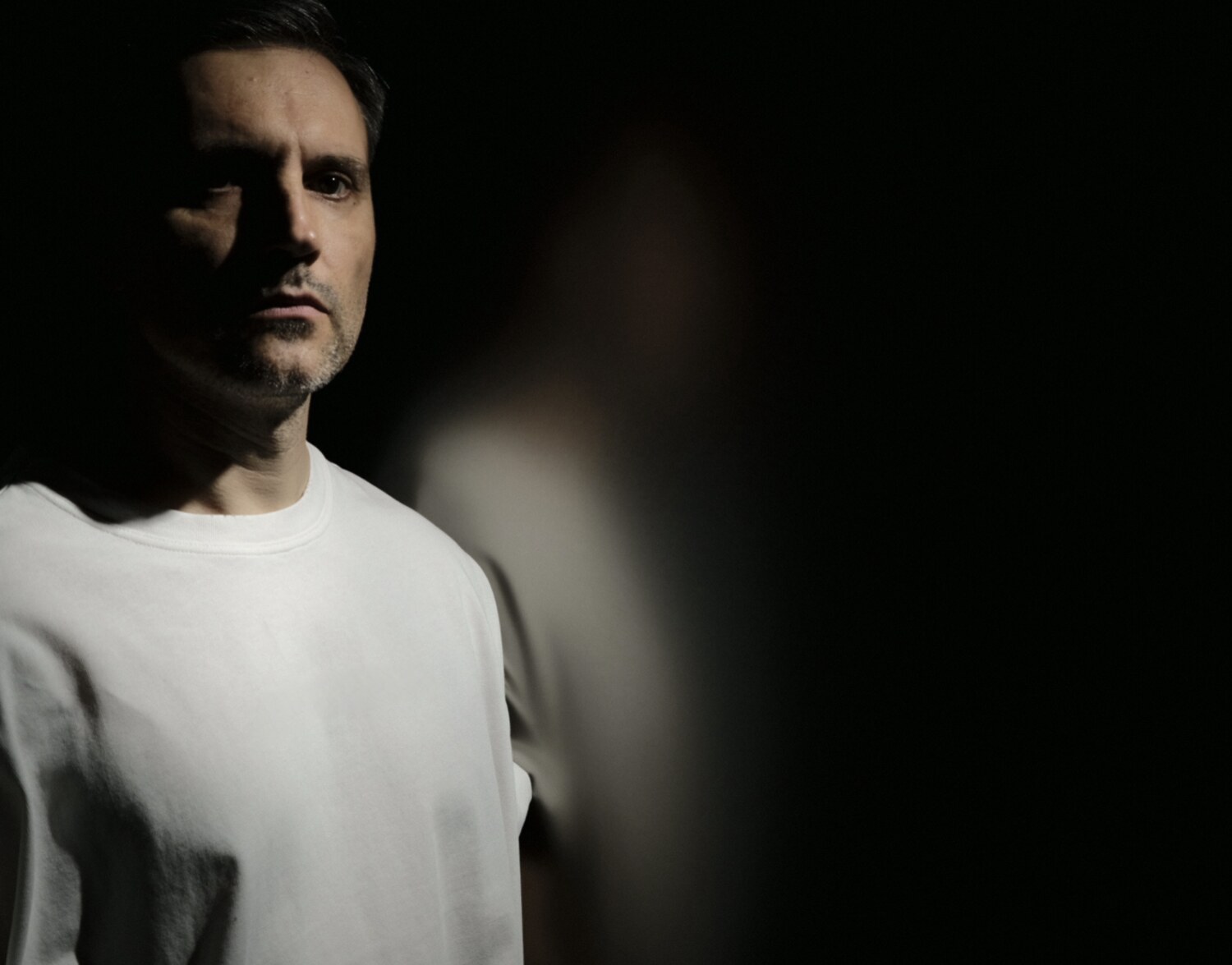
Jurek Przeździecki, also known as PRAECOX, is an iconic figure on the European electronic music scene. He has recorded for Sven Vaeth’s label, Cocoon, as well as Trip Recordings and Boshke Beats. He is also the founder of projects such as Bigwigs, Epi Centrum, and Tumult Hands (in collaboration with Jacek Sienkiewicz).
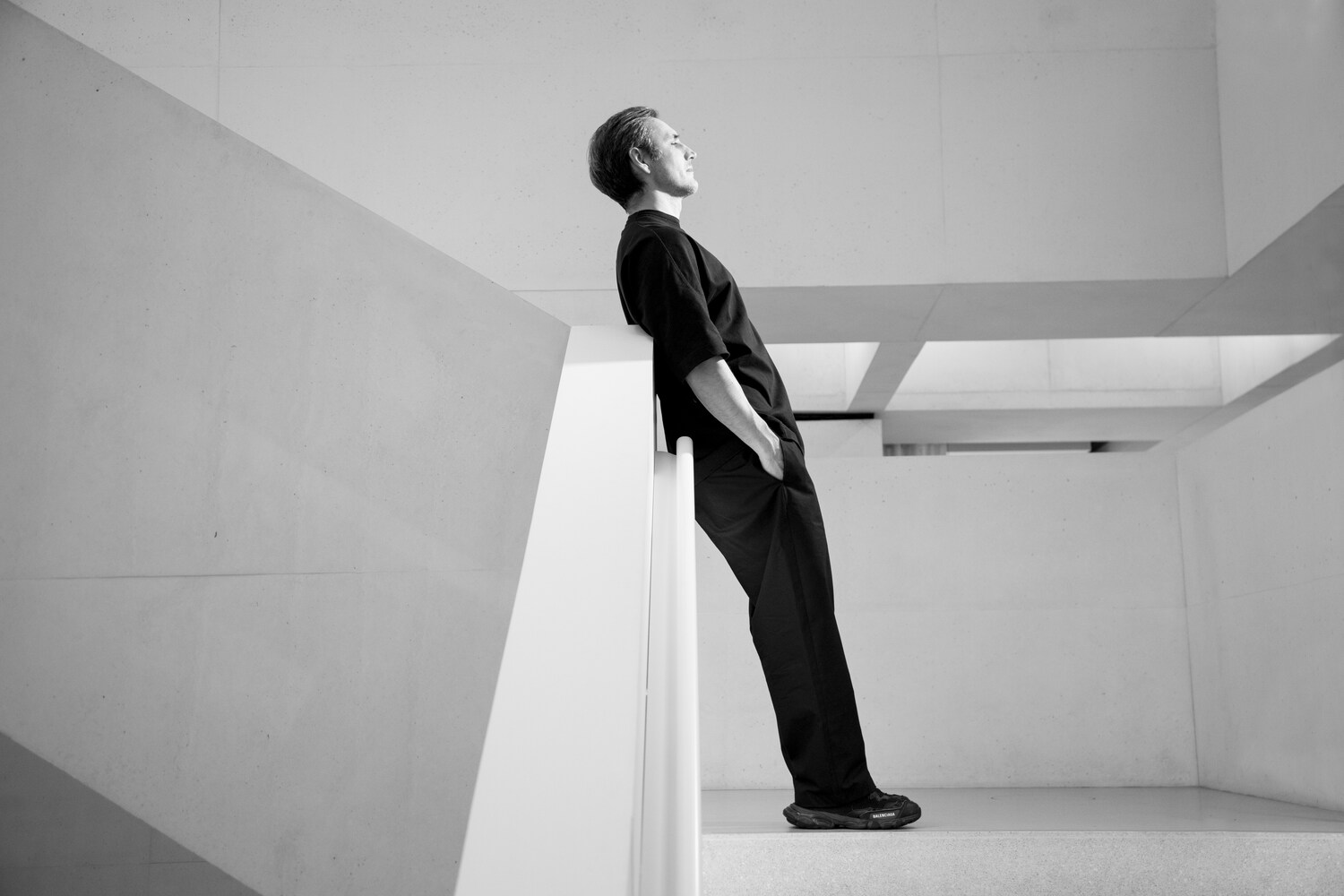
He recently captivated Ellen Allien, a legend of the German scene, with his new productions, and she decided to release his latest album, “Large Kimono,” on her label, BPitch Control. In our interview we ask Praecox about the influence of his psy-trance roots on the techno sound, working under different music aliases, his relationship with the analogue and digital gear. We also discuss his opinion that as the world digitalizes, the need for community on the dancefloor grows.
You produce under multiple aliases (like Praecox and Epi Centrum) and explore minimal, ambient and pure techno sounds. What triggers the decision to channel an idea into one project versus another?
The reason was simple.
Praecox had become strongly associated with psy-trance and psy-techno, making it difficult for listeners to separate it from that scene. As my music evolved beyond those influences, I decided to release my more harmonic, melodic, and often nostalgic work under my own name, Jerzy Przeździecki, while reserving Epi Centrum for the darker, more experimental material. More importantly, though, this distinction is for me rather than for the audience. I think of these projects as different „rooms” that I can step into. Each has its own atmosphere, emotional landscape, and creative mindset.
Moving between them allows me to refresh my musical imagination, change perspective, and approach sound from a different emotional place while remaining the same artist.
The interesting part is that I rarely decide in advance which “room” a new idea belongs to. That usually reveals itself during the creative process. After spending time with a piece, it simply becomes clear that it naturally belongs in one world rather than another.
How did your early roots in the psy-trance scene shape your current approach to hypnotic, driving techno rhythms?
The influence is much deeper than rhythm alone. Psy-trance taught me how to think in terms of long-form tension, hypnosis, and gradual transformation rather than short musical statements. I learned that repetition isn’t about looping the same idea – it’s about creating the illusion of constant movement within repetition.
Even today, I consciously build long, evolving musical phrases, often constructed from short motifs separated by moments of silence. Those pauses are just as important as the notes themselves—they create expectation, shape the flow of the music, and allow the listener’s imagination to complete what isn’t being played. I’ve carried that way of thinking into techno. My tracks rarely rely on dramatic drops or obvious climaxes.
Instead, I prefer to build momentum through subtle changes, evolving textures, and rhythmic displacement. If the listener loses track of time, then I know the music is working. What I left behind was the aesthetic of psy-trance, not its philosophy. The hypnotic state, patience, and attention to microscopic detail are still very much part of my music today.
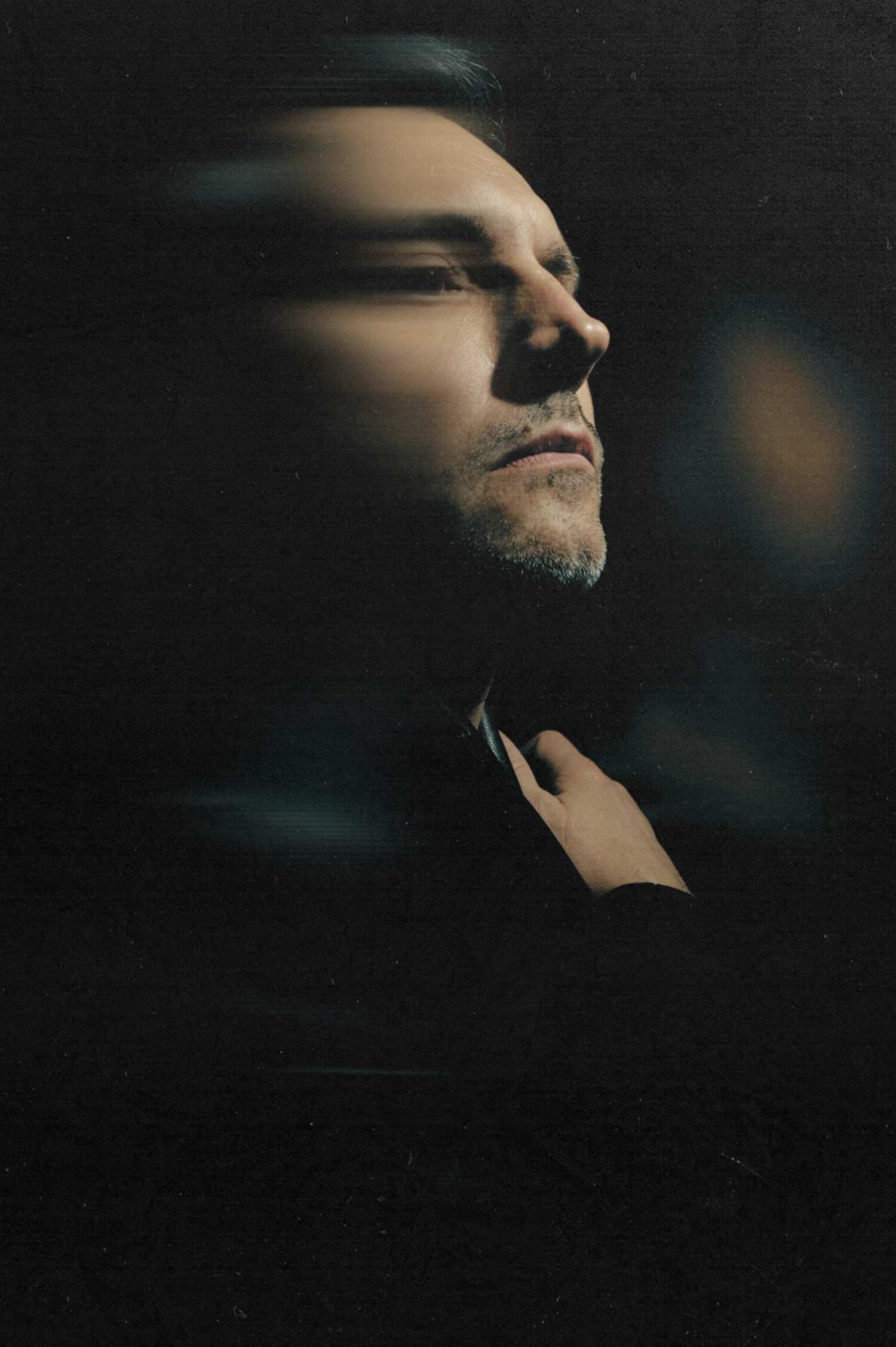
In the spring of ’26, you released your new album Large Kimono on Ellen Allien’s BPitch Control label. How did this collaboration come about?
I’d love to tell a story here about an extraordinary coincidence or a magical encounter, but the truth – as is often the case – is much simpler. One evening, while scrolling through Instagram, I came across Ellen Allien’s IG reel and thought I’d just message her – partly to be friendly, partly out of curiosity – asking if she’d like to listen to my music, which I’d had ready for some time. I sent a short message without much expectation – after all, artists of her caliber get hundreds of them.
To my surprise, Ellen replied after just a few minutes, saying she’d love to check out my new tracks. And that’s how it all began – from a single message to regular contact and growing excitement about the release on BPitch Control.
Your recent music – also on the new LP – balances raw, visceral dancefloor energy with intricate, cinematic sound design (like on Large Kimono or Prima Sort). What is your starting point when building a track – is it hardware experimentation, a conceptual sound or a rhythmic groove?
I never have a fixed starting point, because changing the starting point is one of the ways I keep surprising myself.
Sometimes a track begins with a rhythmic idea, sometimes with a sound I’ve accidentally discovered while experimenting with hardware, and sometimes with hours of improvisation on the Buchla.
I deliberately avoid habits, because every different point of departure leads the music somewhere unexpected. I’m also fascinated by changing the order in which a track is built. If I start with drums, the result is completely different than if I add rhythm at the very end of the arrangement.
The same is true for harmony, texture, or melody. Even a small change in the creative process can completely transform the character of a piece. For me, composing is less about executing a plan and more about creating the conditions for something surprising to happen. The moment I feel I’ve discovered something I couldn’t have predicted, I know I’m moving in the right direction.
How has your relationship with analog gear versus digital software evolved over your multi-decade career?
My relationship with digital tools has changed dramatically over the years.
I used to be an analog purist, relying almost exclusively on hardware and using software plugins only when necessary. Today, my perspective is much more pragmatic.
I’m not interested in whether a tool is analog or digital – I’m interested in whether it helps me reach the result I’m looking for more efficiently without compromising quality. If a digital tool allows me to achieve the same—or an even better—result faster, I’ll happily use it.
What hasn’t changed is the creative process itself. My way of improvising, for example, is still rooted in an analog mixer, where I shape the music in real time through interaction, feedback, and performance. The tools may evolve, but the philosophy behind making music remains exactly the same. The creative decisions are always mine.
You once took a break from performing as Praecox – you were Epi Centrum, Jurek Przeździecki – so why have you now returned to that alias?
Each of these personas arose from the need to organize my music, which by design is – and is meant to be – very diverse.
The closest analogy for my studio is… a travel agency. I walk in and decide which journey I want to take. Instead of flipping through colorful brochures, I work on the sound, and then it’s pure pleasure to follow the chosen path. There are places you return to years later because something about them stays with you forever.
That’s how it was for me with the Praecox project—it’s a journey that began in the mid-’90s, through my experiences with the psy-trance scene and festivals in Africa, Japan, and Brazil. It was then that my rebellion against the ordinary was born, which I later expressed through my style.
Releases on трип and Boshke Beats Records only reinforced my belief that music isn’t tied to a specific “time” – it travels alongside its creator. It matures, changes, and returns in new contexts. Patience is an essential part of it, and self-confidence is the accelerator that allows this journey to gain real momentum.
You once said: “Experimental noise music has ceased to be esoteric and has entered the mainstream of ambient music. Concert halls are inviting musicians who compose electronic music and dance festivals are inviting classically trained pianists. Previously somewhat at odds with one another, today these worlds are reaching out to each other. A common ground is being built that transcends divisions and prejudices.”
Seven years later, we have more electronic avant-garde festivals, and Spanish superstar Rosalia brings the world to its knees during her performance at the MTV Music Awards, blending the worlds of opera and high culture with techno. What’s next?
I think the time is coming for art that won’t want to identify with any specific musical lineage. The artist will cease to be a “contemporary composer” or “techno producer”—instead, they’ll become an architect of sonic experiences.
Just as Aphex Twin once blurred the lines between IDM and classical music, the next generation may stop perceiving those boundaries altogether – or consciously ignore them.
I imagine a complete blurring of the functions and spaces in which music appears. Opera or theater without a static audience – with the audience in motion, immersed in the experience, rather than seated in rows. There will be an ever-stronger need to draw the audience into the creative process itself – immersion, participation, but also a return to a certain sacredness of music: ritual, meditation, and trance.
Paradoxically, the more the world becomes digitized, the greater the need will be for the sense of community that music can create. And as long as an artist keeps moving – developing and moving forward—every path they choose has its own meaning.
You’ve just noted that as the world digitalizes, the need for community on the dancefloor grows. How do you see modern electronic music maintaining that human element against shifting trends and AI?
I’m actually quite optimistic about AI. If it starts making generic, formulaic techno, it will simply save some people the trouble of doing it themselves.
What AI can’t generate is the reason people go out in the first place. Nobody spends hours getting ready, travelling across the city, and standing in front of a sound system just to experience a perfectly optimized algorithm.
People come for something unpredictable—for a shared moment that only exists because other human beings are there. So yes, AI will become another tool in music. But the dancefloor has never been about technology. It’s always been about people.
What are the dream producers that you would love to cooperate with?
That’s a dangerous question, because I’ve learned that meeting your heroes can sometimes ruin the magic.
Honestly, I’m less interested in famous names than in curious minds. The best collaborations happen when two people genuinely challenge each other rather than simply combine their reputations.
That said, if I could choose purely out of curiosity, I’d love to spend a few days in a studio with Aphex Twin. Not necessarily to finish a record – I just think we’d end up asking each other more questions than answering them, and that’s usually where the interesting music begins.
Follow Jurek Przeździecki (PRAECOX) on IG
Check more music related articles here.
Our next event : Säule, Berghain – 27.08.2026
Tickets available : click here …