Paris’ club scene has long been in constant evolution. Within this shifting landscape, new spaces continue to emerge that go beyond nightlife, positioning themselves as cultural platforms in their own right. At the center of this movement stands Mia Mao.
Spanning 3,000 m², the venue is not simply a club. It is an experimental project built around electronic music as its core, aiming to form a fully integrated ecosystem where sound, space, technology, and community are deeply interconnected. This interview explores the ideas and philosophy shaping Mia Mao directly through its founder.
What was the original idea behind creating Mia Mao, and how did the concept take shape?
The initial idea was to reinterpret the codes of rave parties, with a warehouse aesthetic. The ambition was to create a 360° venue capable of forming a true ecosystem around electronic music, engaging different sectors: photographer residencies, technical aspects, a label, and a radio platform.
How would you describe the identity of the space in just a few words?
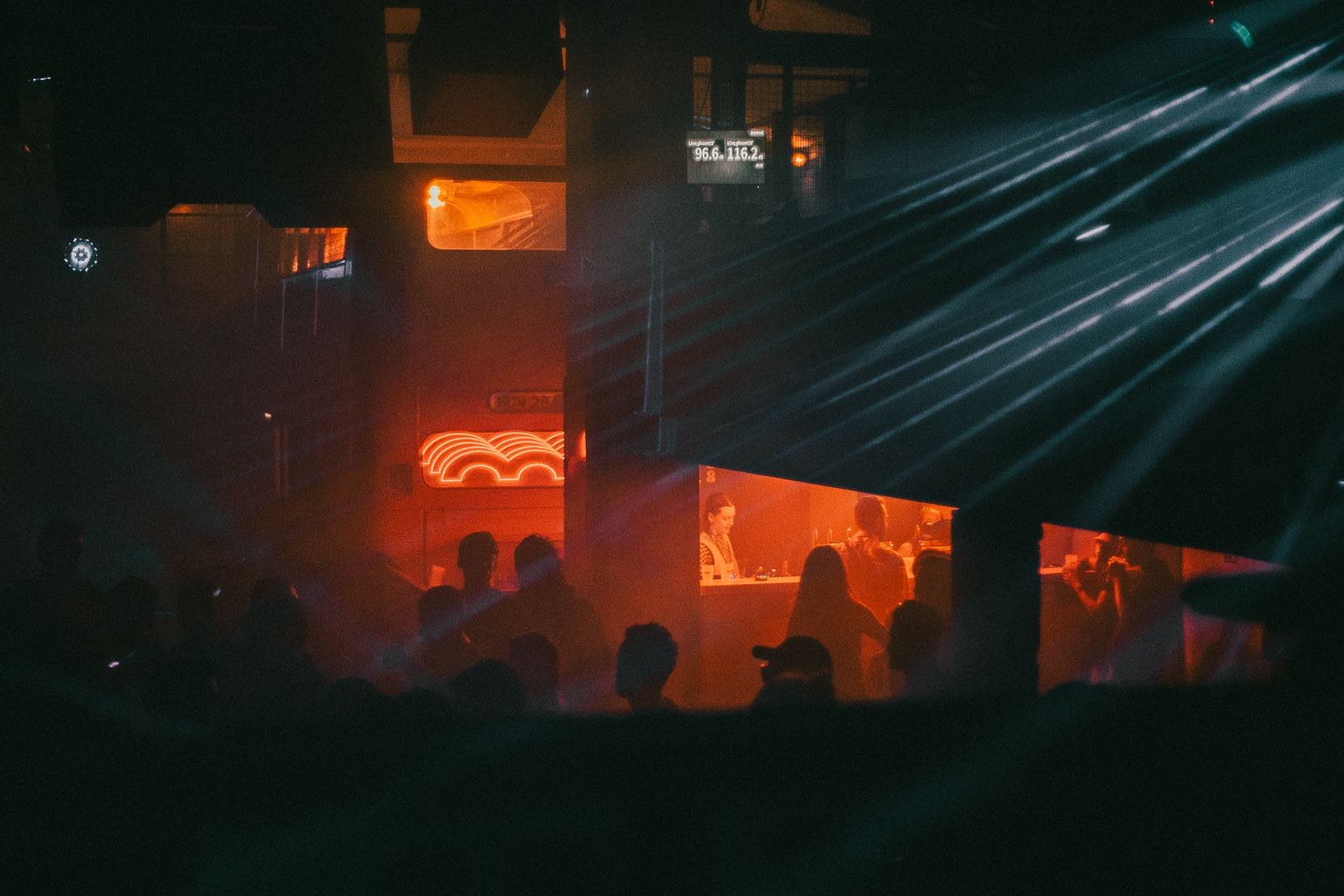
Mia Mao’s identity is rooted in authenticity, culture, and energy. The venue evokes large-scale musical gatherings in warehouses. Bringing people together and generating a powerful energy thanks to the space, the ceiling height, and the freedom it offers, without constraints.
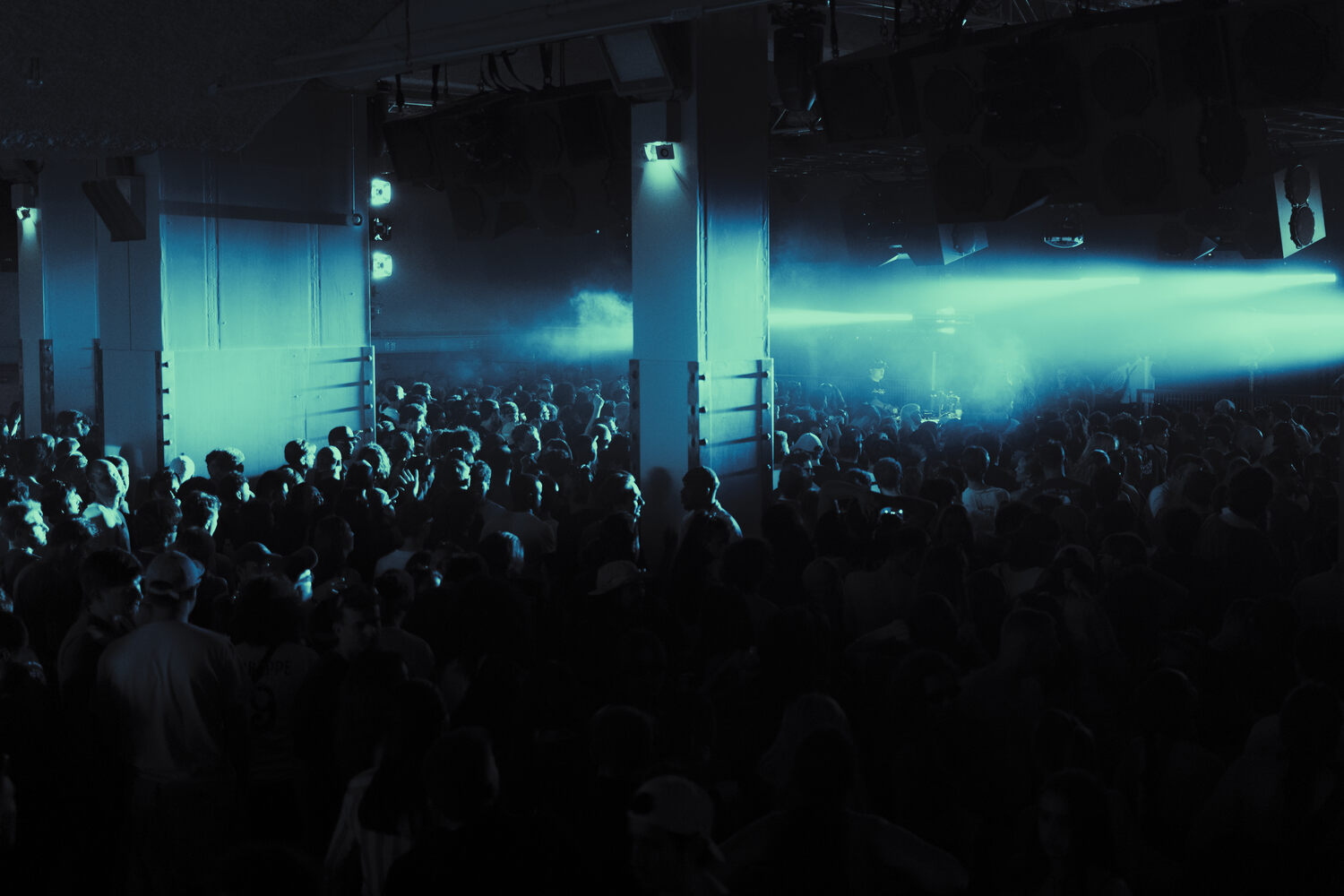
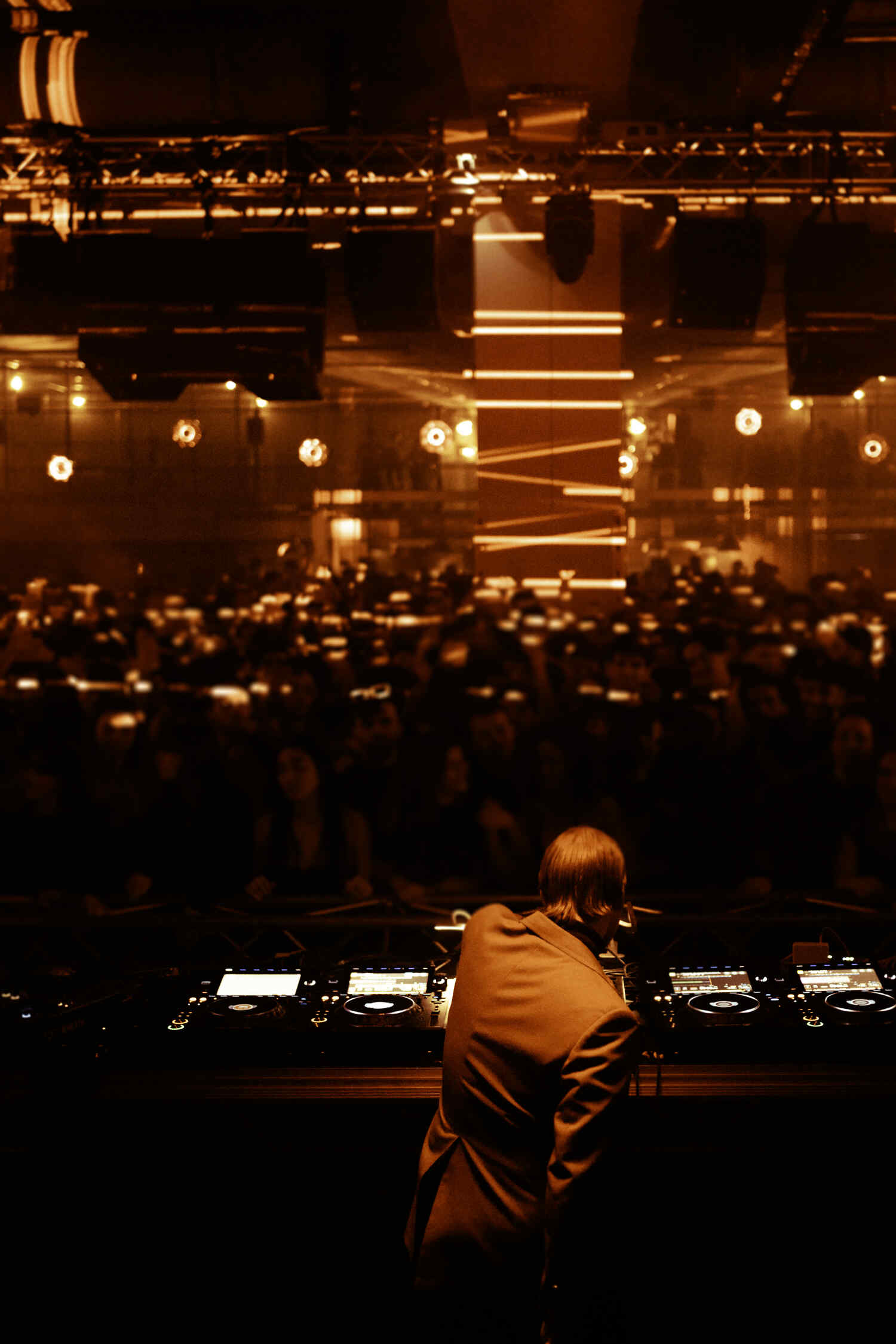
The scale of the venue plays a defining role in shaping its experience, but it is not about size alone. It is about how that scale is engineered into sound and sensation.
The club spans 3,000 m2, how did the scale influence the design and layout?
The space features a bespoke design tailored to the venue. The goal was to achieve hi-fi quality similar to a stadium sound system, while avoiding noise disturbances. A specific technology allows for a large amount of bass without it spreading into the walls or outside. This design required two years of reflection.
Can you tell us more about the sound system and lighting scenography? What makes them special?
For the lighting, we had a meeting over ten years ago with French designers who developed a new type of laser. They are local inventors, with a product that is both innovative and safe for the public. The intention behind the club’s launch was to collaborate with designers and manufacturers, turning the venue into a showroom and an experimental laboratory, a kind of “technical residency.”
What kind of atmosphere do you want people to feel when they step onto the dancefloor?
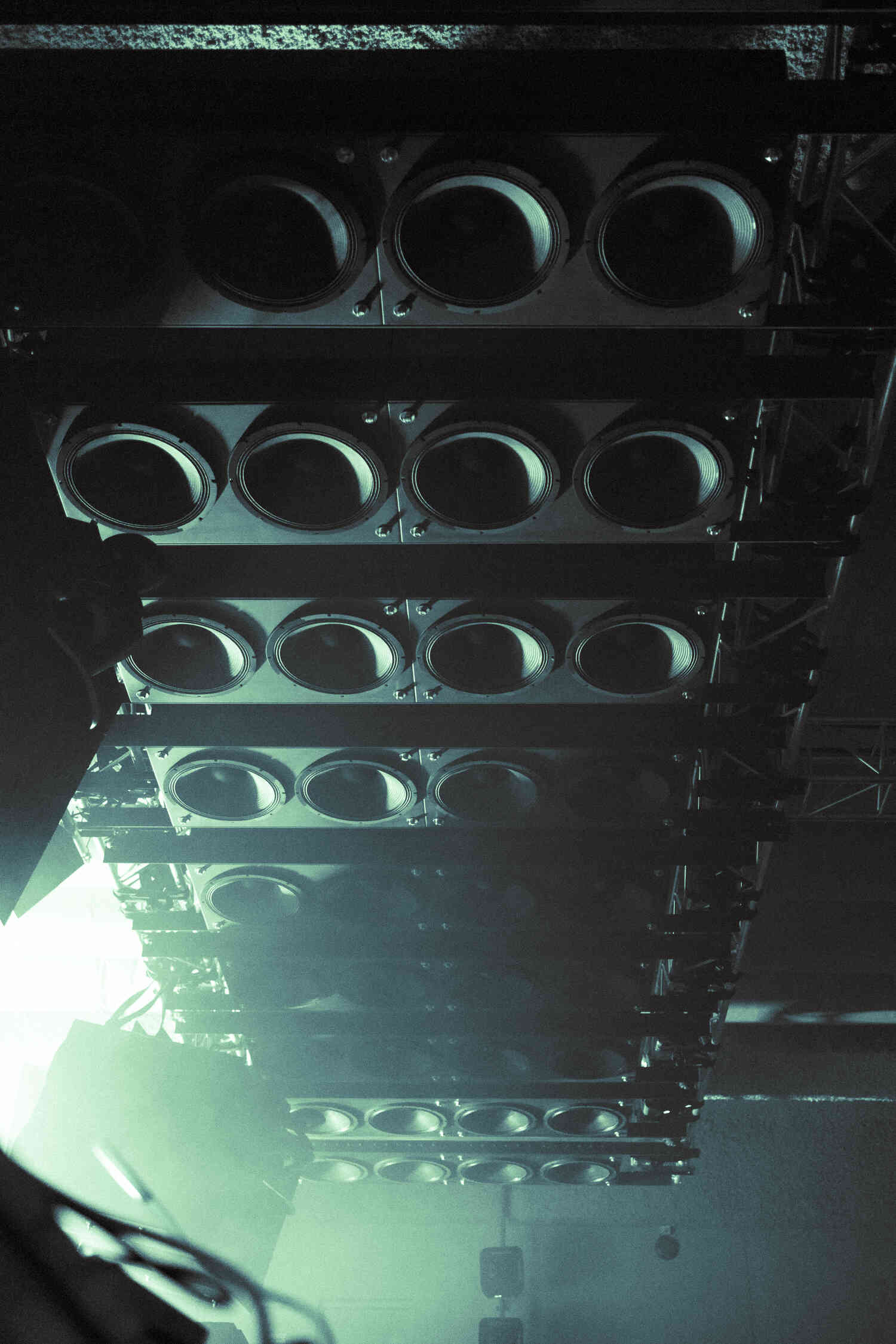
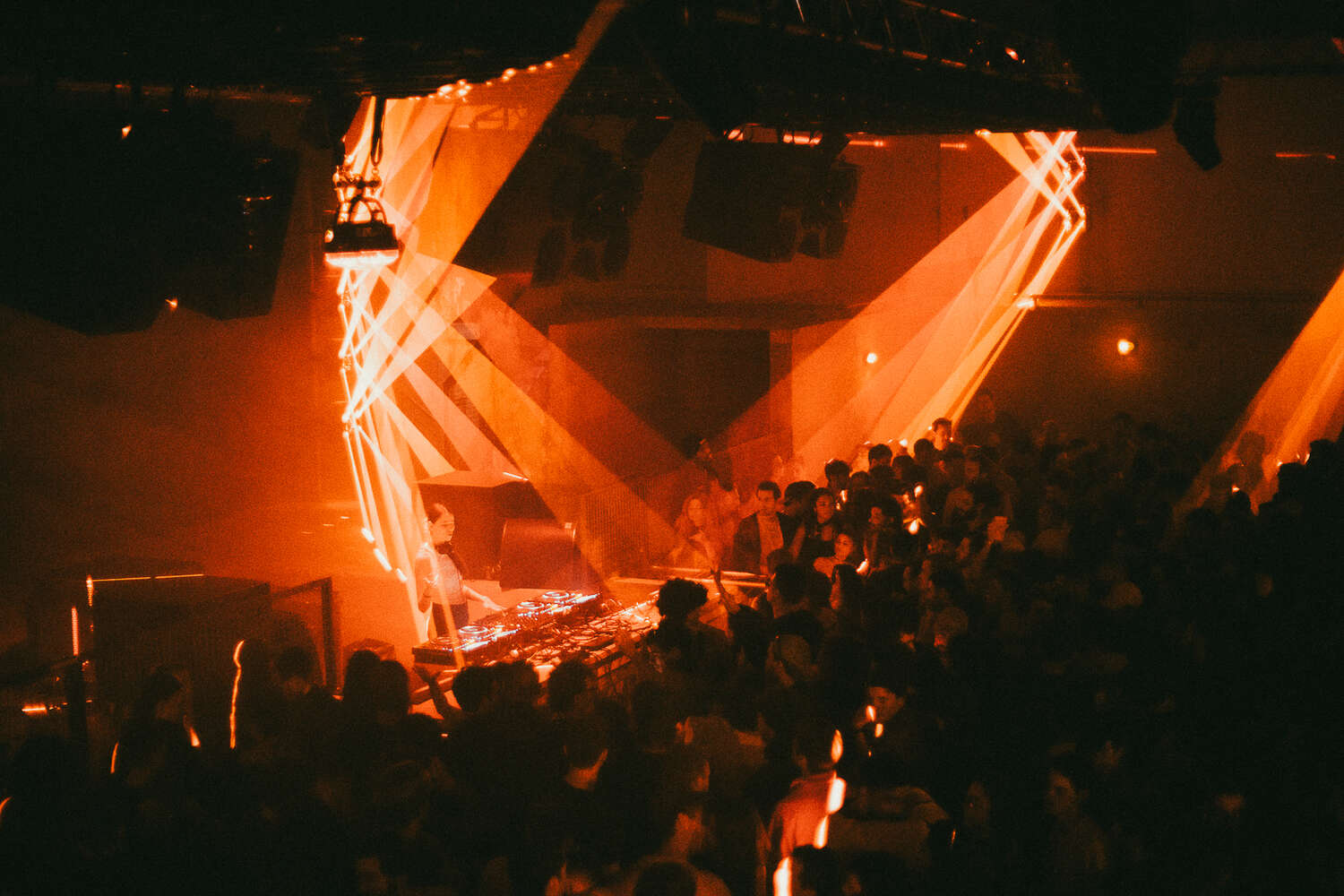
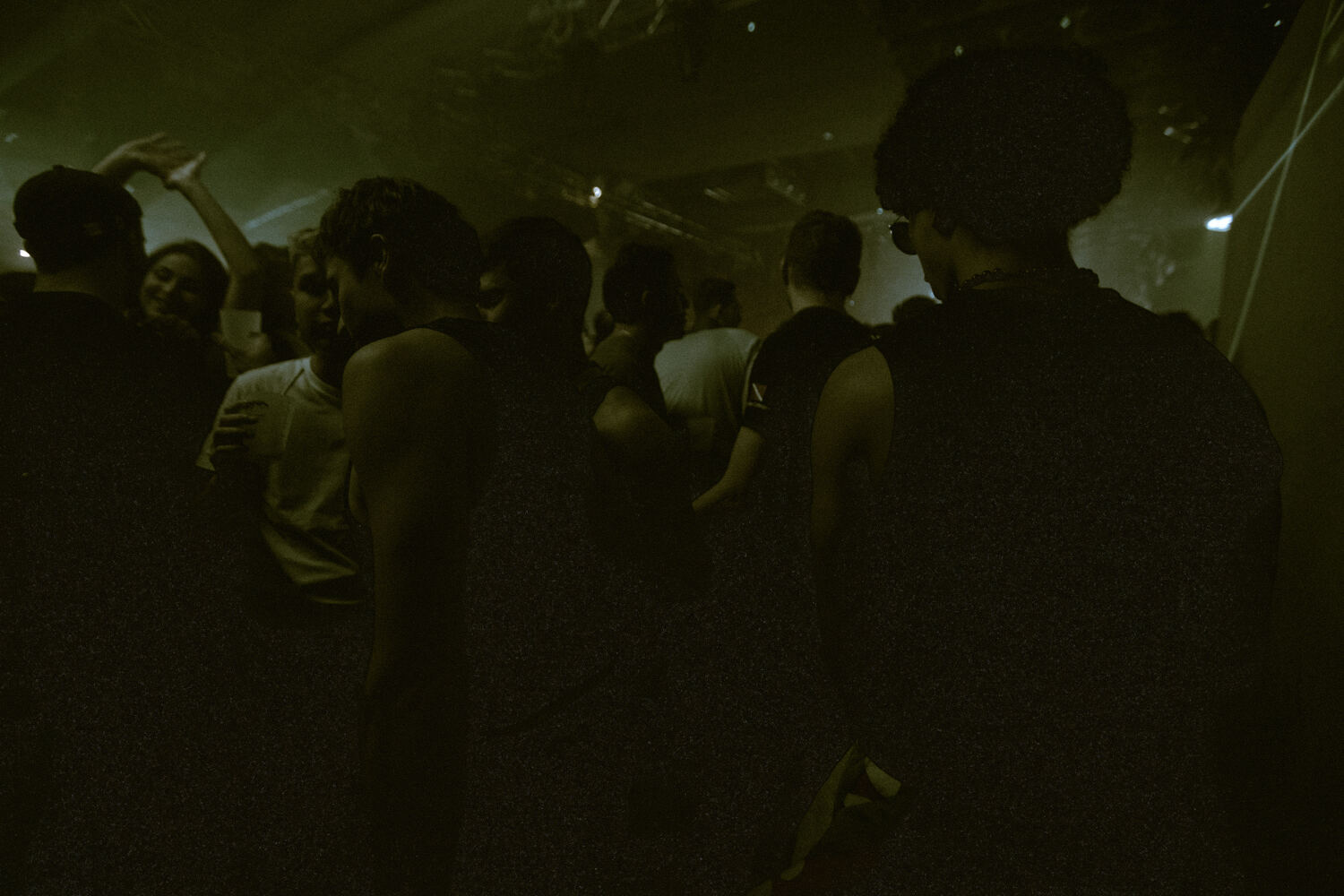
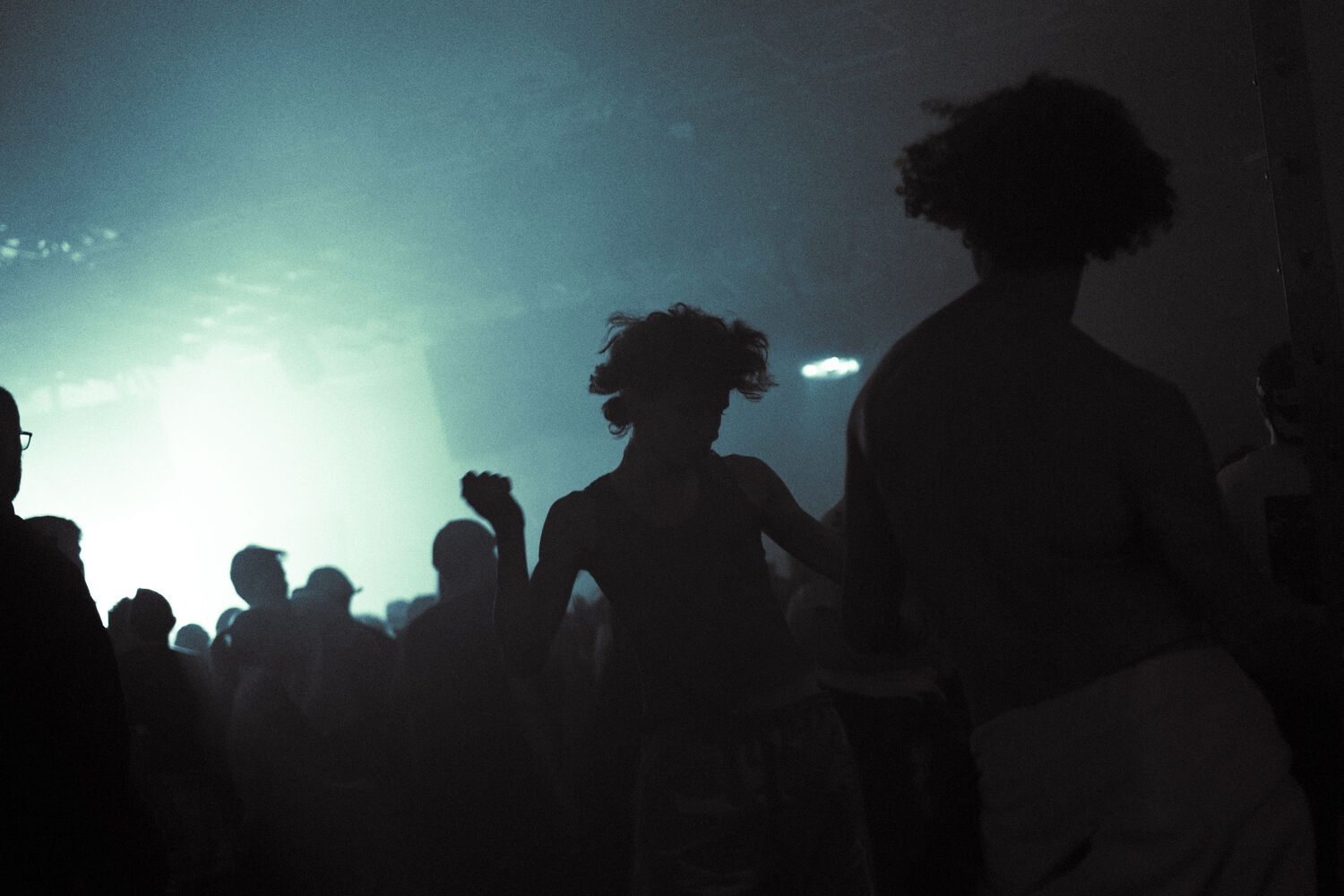
The idea is to trigger a sense of release, generate strong energy, and inspire people to fully live the experience, to feel the music and the energy around them without material constraints.
Electronic music sits at the core of the venue. It is not treated as a genre alone, but as the foundation of the entire project.
What role does electronic music play in the philosophy of Mia Mao?
Electronic music is at the core of the project, the venue is entirely dedicated to it.
How do you approach artist curation and programming?
The artistic programming is based on three resident artists, uncompromised and highly specialized in their fields. The goal is to cover the full spectrum of electronic music.

The club has a strict no-photo policy, why was this important to you?
This policy aims to break away from trends driven by Instagram and TikTok.
How do you think this policy changes the way people experience the night and the music?
It encourages people to experience the music rather than perform for appearances, and to avoid a “second-hand” digital experience.
What kind of community do you hope to build around Mia Mao?
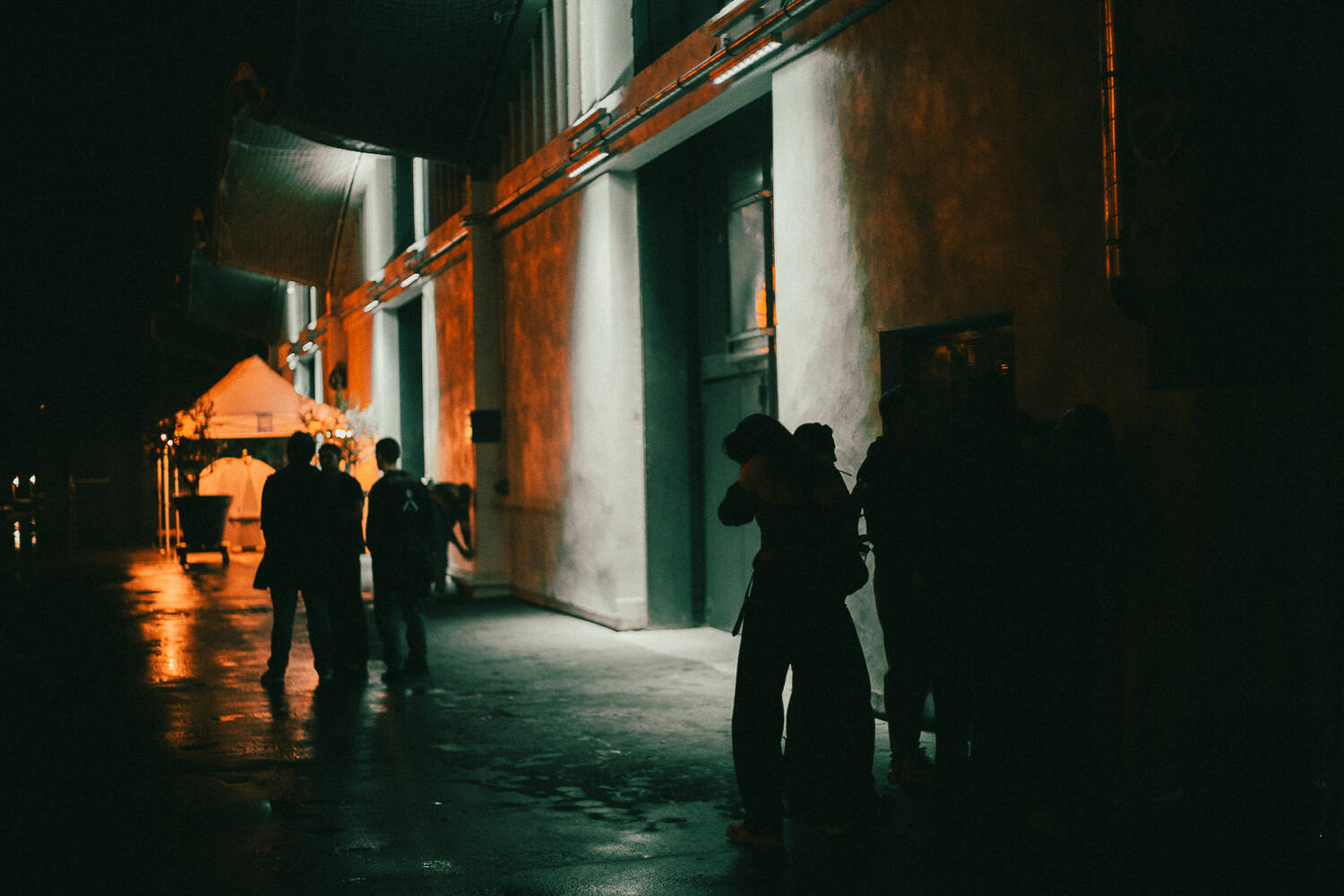
A community of music lovers.
Do you have any surprises or special projects planned for the first months?
International partnerships are planned with Tresor and Fabric, with a second collaborative edition in November. There will also be a photo exhibition and broader events, creating synergies between Jardin21, KM25, and Mia Mao.
Where do you see Mia Mao in five years?
The goal is for Mia Mao to become an institution of electronic music.
more music content here
Our next event : Else Berlin – 28.05.2026 Get Your TICKETS