Based in the vibrant cultural hub New York City, Naomi Duan is an emergent name that delivers driving techno featured by euphoric synths, raw intensity, and deep emotional arc. With a background in psychology, she likes to describe her sound as a therapy and ritual that grounds and lifts the listeners.
Rooted in over a decade of classical piano training in Beijing, her sound carries precision and musical depth shaped by a later background in design engineering. Reconnection to electronic music came to her in 2021 in the underground electronic music scene in Hong Kong, before ultimately refining her artistic identity within New York City’s underground scene. This multicultural trajectory has deeply informed her global perspective on music, shaping a sound that moves fluidly across scenes.
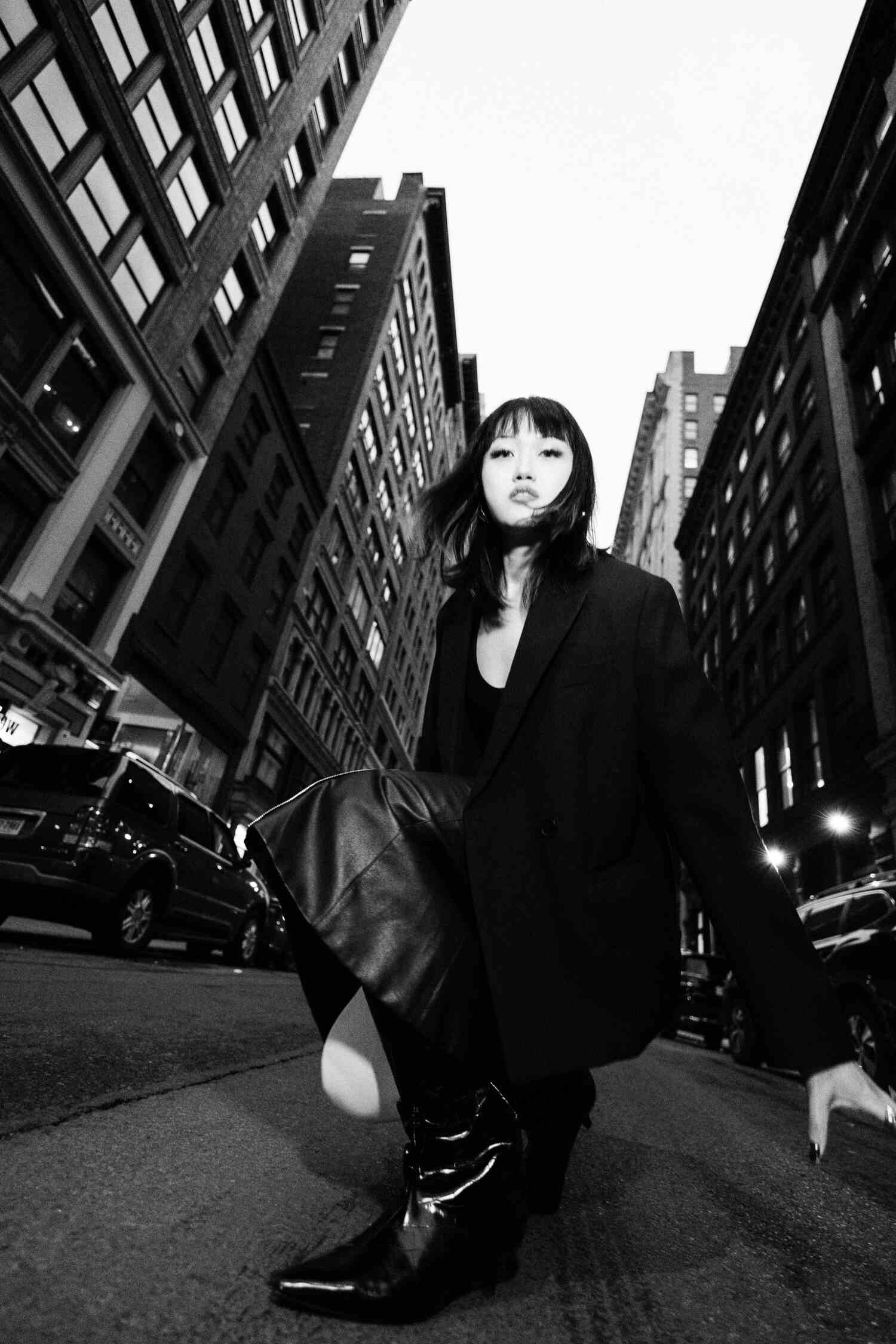
With roots in the underground and a gradually growing international presence, she has performed across Europe, Asia, and the United States, alongside ongoing radio residencies in London and Hong Kong. In New York, she is a frequent presence at key cultural venues including 99 Scott, Chocolate Factory, Paragon Broadway, and Bossa Nova Civic Club.
Approaching music as both therapy and ritual, Naomi constructs each set with deliberate attention to energy, timing, and texture. Her debut singles and EP at Diffuse Reality, scheduled for 2026, marks the next phase of her evolution into original production, as she continues to consolidate her presence in the modern techno scene, and to expand global reach.
Interview with Naomi Duan
Hey dear, how are you ? It was amazing to meet and work together in New York.
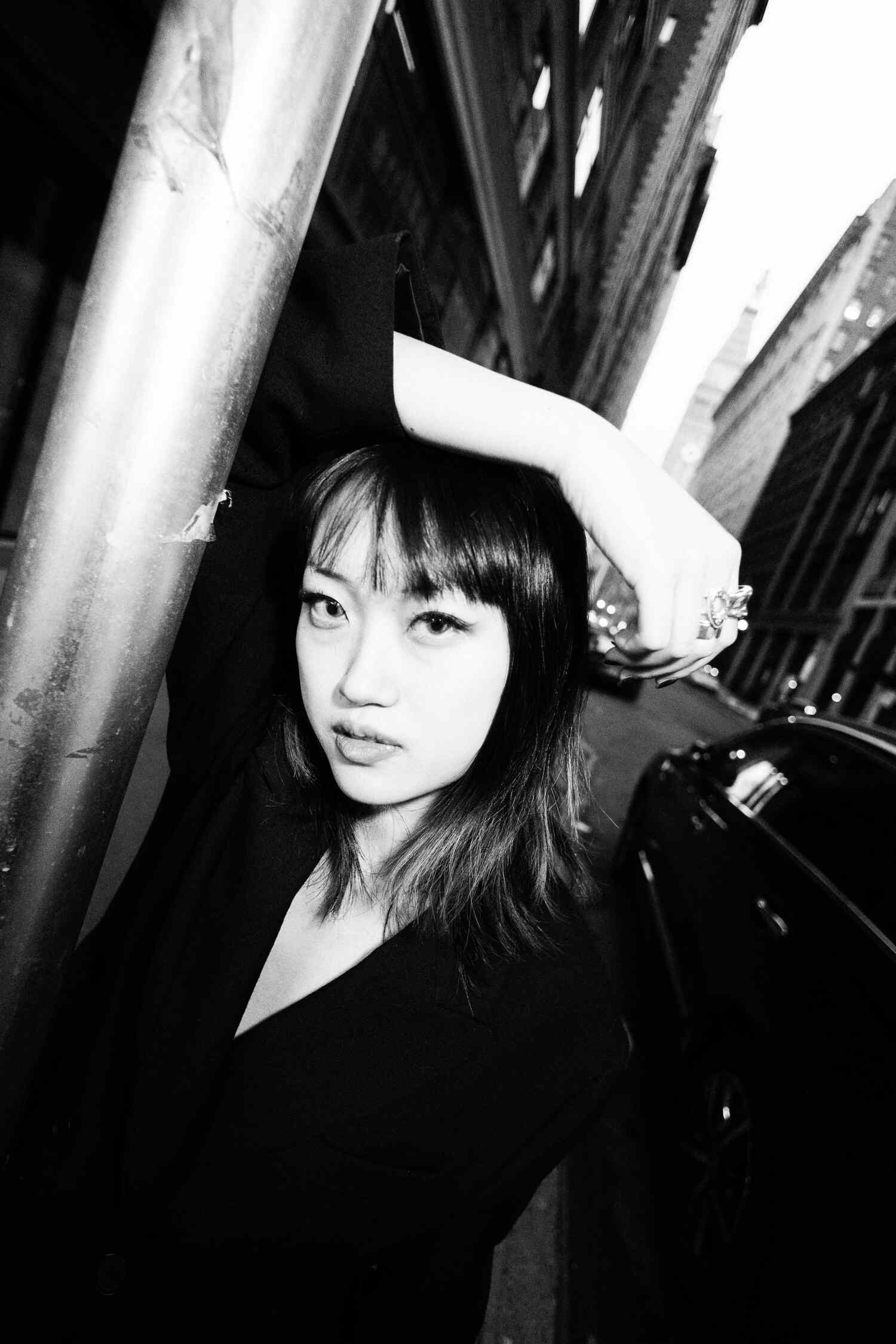
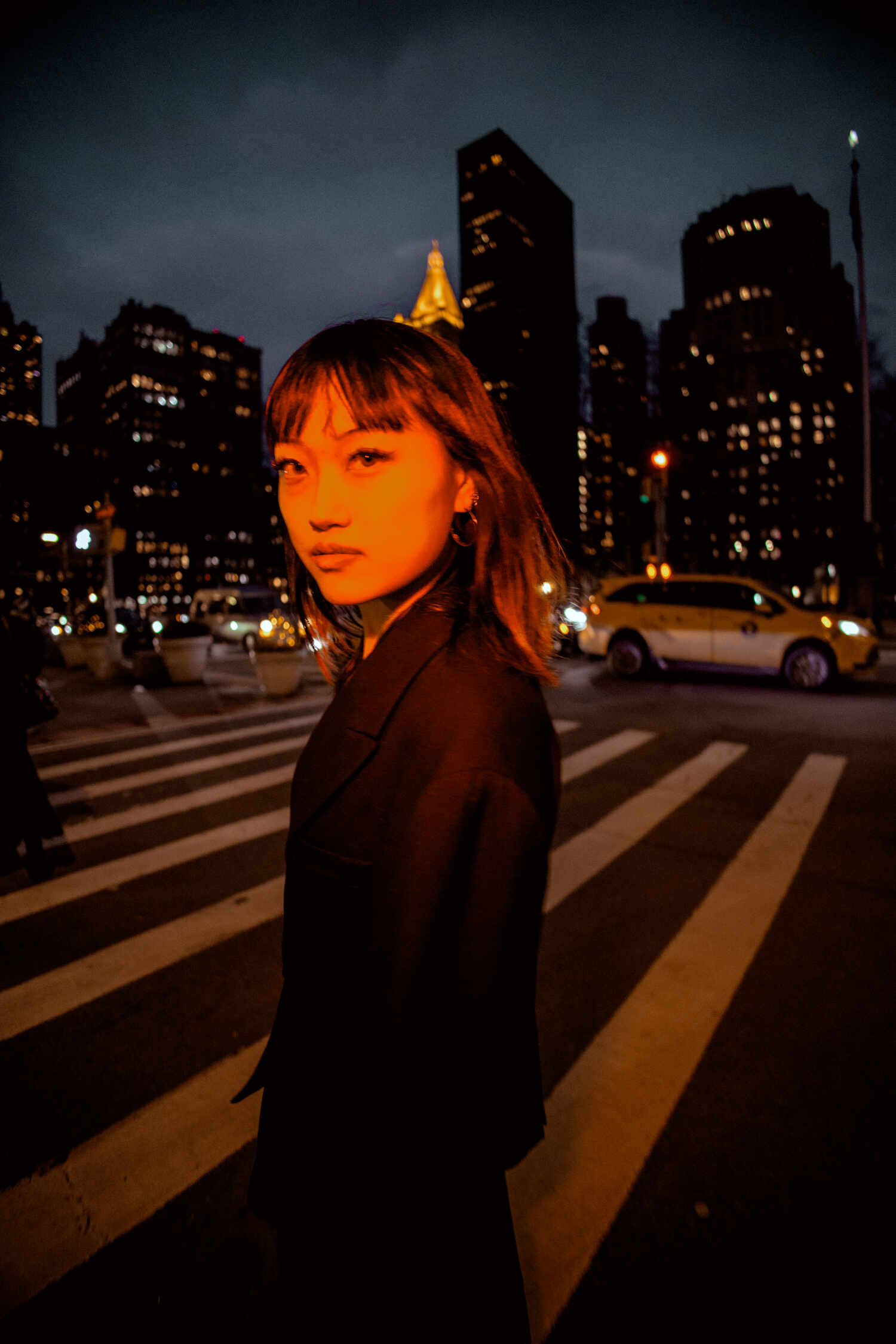
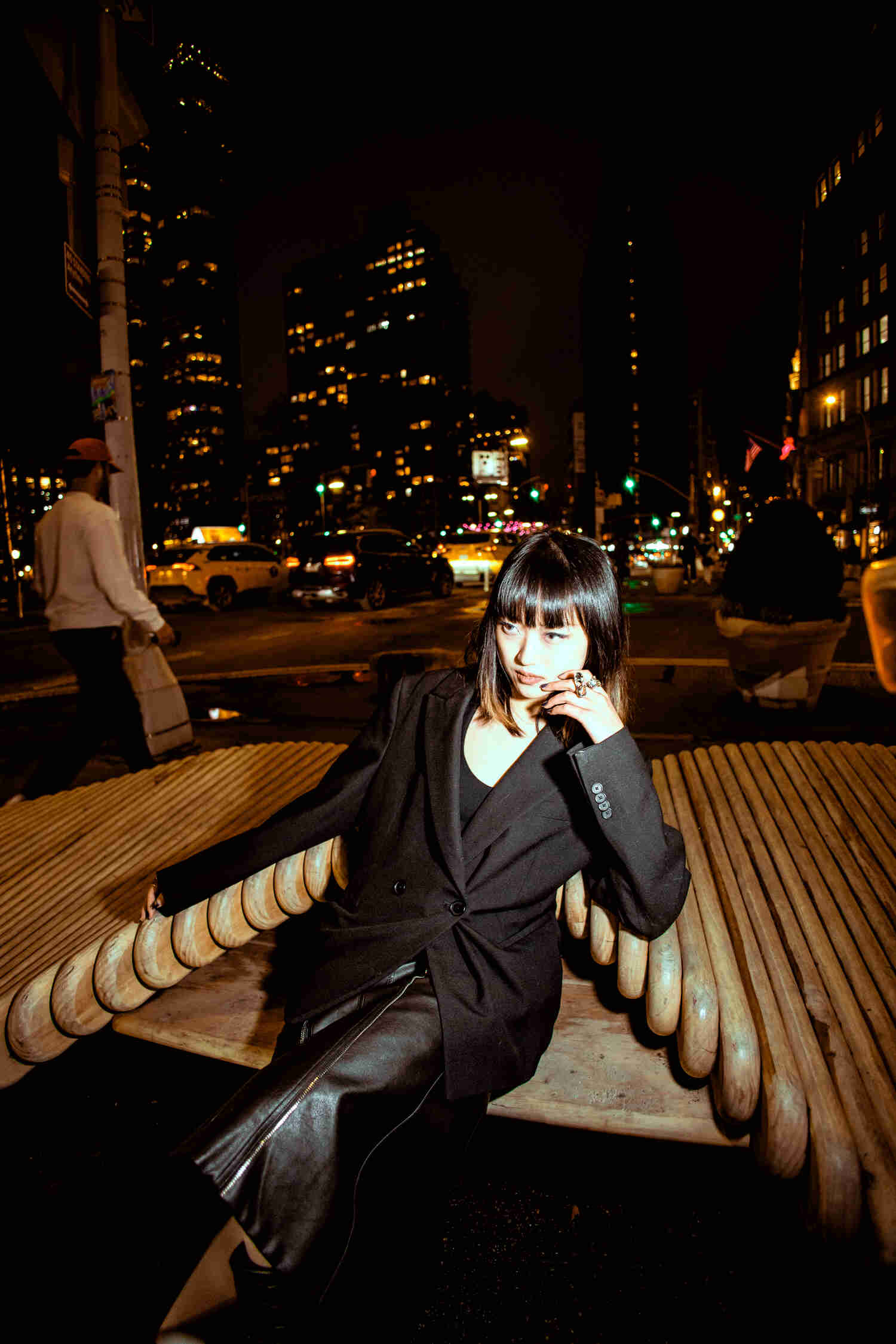
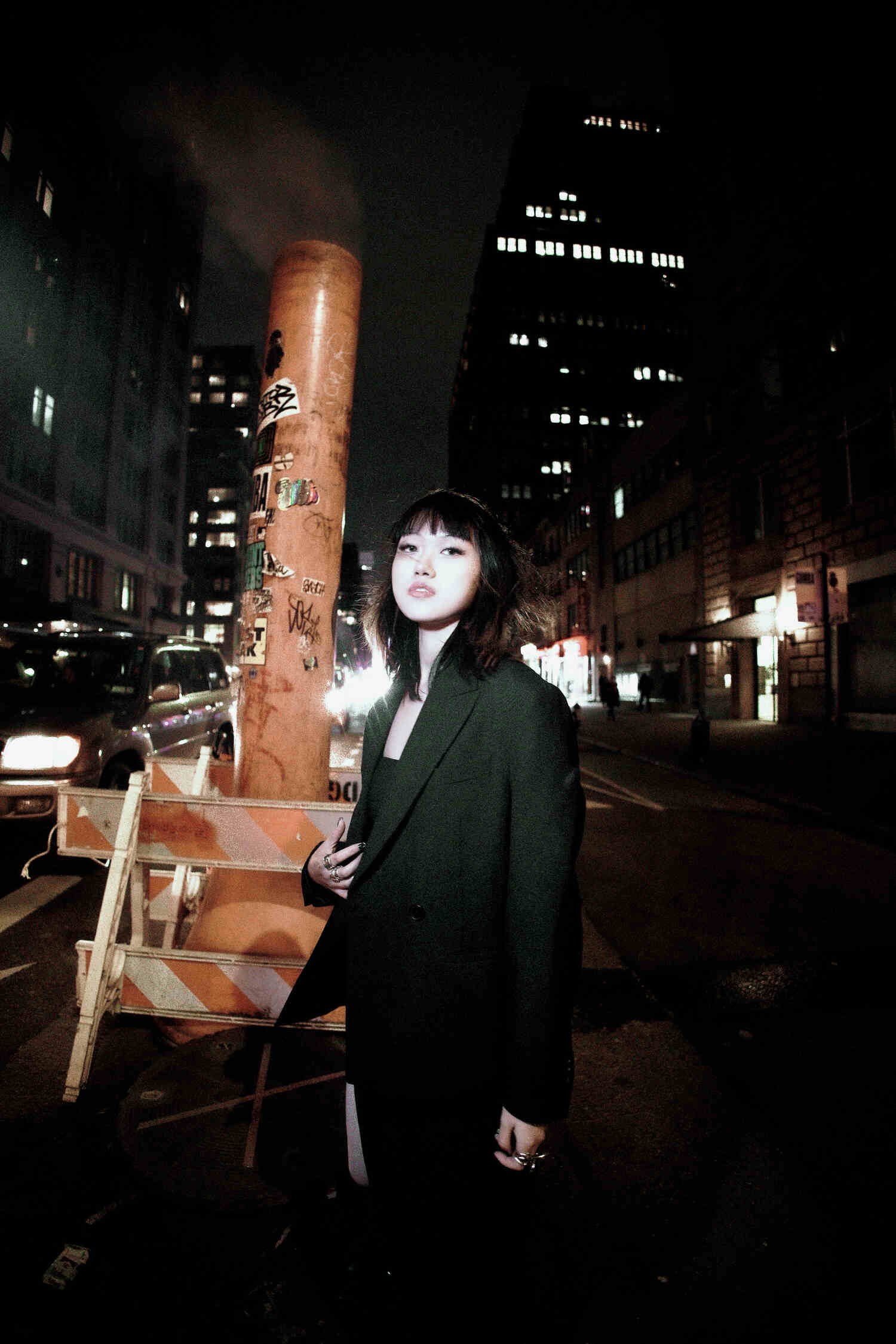
Hey hey! It was really nice working with you in New York too! Sending love from the city. The whole experience felt very spontaneous, walking through the city, getting inspirations and ideas while executing them out on the spot.
A brief tribute to New York – New York has this kind of energy where everything overlaps-art, fashion, music, film, comedy. It all exists at the same time and feeds into each other. You can feel that a lot of things started here, or passed through here at some point.
I think what stays with me is that feeling of sharing the same space with so many people who came before, even if it’s across different times. It’s kind of surreal, but also really grounding.
You grew up in Beijing, how did electronic music first enter your life there?
I grew up in Beijing, and that’s where my relationship with music really began. My first entry point was actually through classical training. I still remember a Saturday in 2004 when my mom took me to a music school, pointed at an electronic piano, and asked if I wanted to learn. I nodded, and that small moment turned into nearly a decade of training.
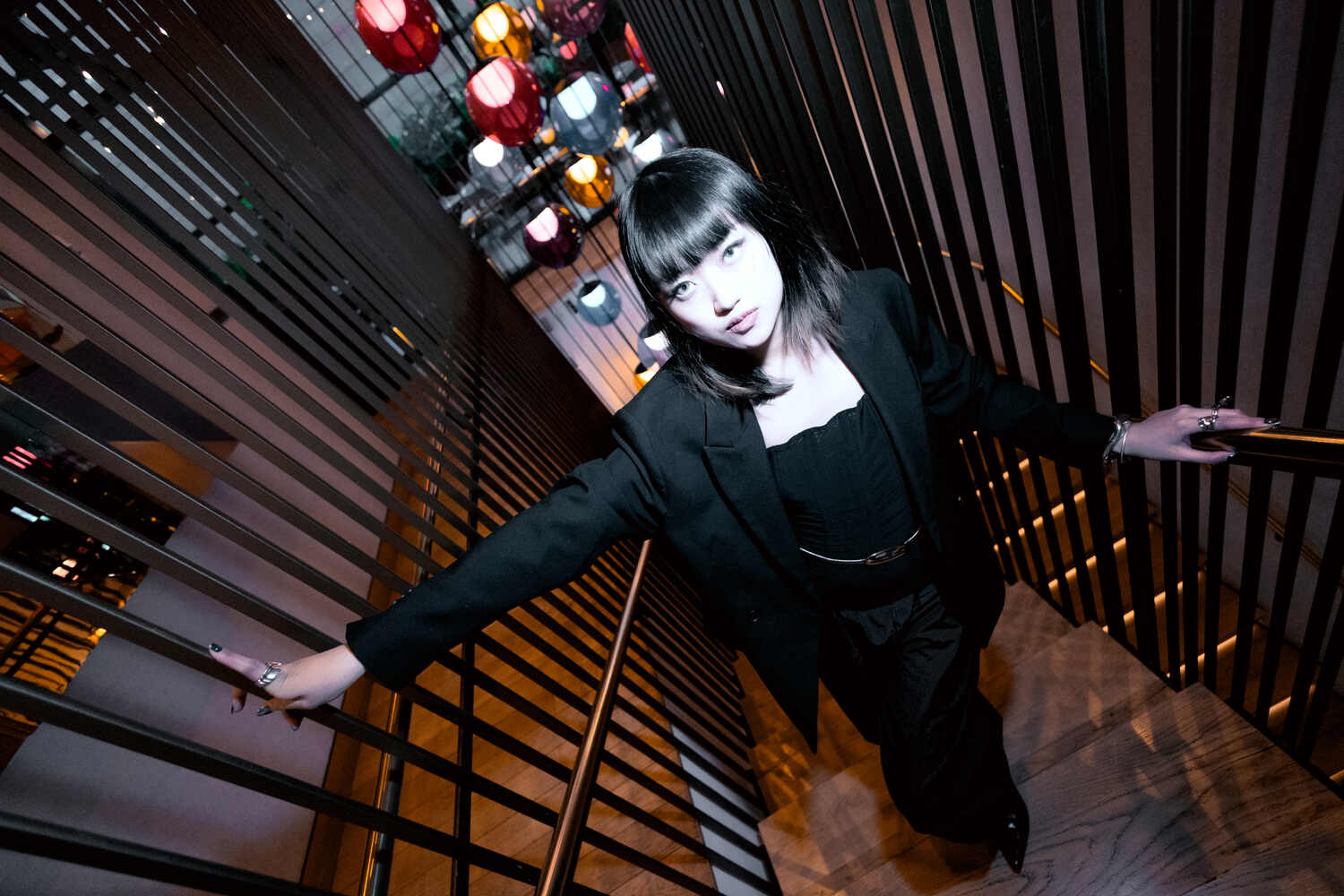
At the time, it was very structured and achievement-driven which was filled with constant practice, exams, certificates. I followed that path still but somewhere along the way, it started to feel less like something I chose and more like something I was pushed through. It lost a sense of authenticity for me. I stopped and decided to pursue a career in psychology and design engineering instead.
Electronic music came later, almost as a contrast to that experience. It felt more open, more intuitive and less about perfection and more about expression. In a way, it brought me back to why I was drawn to sound in the first place.
Then your music journey took you to Hong Kong-> Pittsburgh and NYC, how did each city shape your sound?
My reconnection with electronic music happened in Hong Kong, where I was first introduced to techno around age 20 — going to places like Mihn (宀) and being immediately drawn to the rhythm, the physicality, and the warmth of the dance floor.
Moving to Pittsburgh to study Human-Computer Interaction pushed me to build something of my own. I started an underground collective, constructed a DIY stage in my basement, and organized events that grew to 150 people — donating everything to animal protection. It was raw and hands-on, and the first time I felt real ownership over what I was building.
New York is where things took shape more seriously. The density of talent here constantly challenges you. Thanks to the support of incredible promoter friends, I’ve been lucky to play venues like 99 Scott, Chocolate Factory, Paragon, and Bossa Nova Civic Club, each with its own distinct energy that shapes how I approach a set. I’m excited to see where this goes next.
First moment you fell in love with underground music?
It started in Hong Kong. I remember feeling a kind of freedom I hadn’t felt before—being fully immersed, but also very inside myself. It felt like a quiet dialogue, while still being connected to everyone around me. And then, tale as old as time, my love for underground music deepened on the trip to Berlin. Visiting Berghain, RSO, Tresor and other iconic clubs was when I realized this is what I want to devote myself to, making music and using it as a tool for healing.
You see DJing as a ritual and therapy — what does that mean to you? What do you want people to feel after your set?
With backgrounds in clinical psychology and design engineering, I’ve come to understand music as something with real therapeutic potential — both supported by research and felt intuitively. Alongside practices like yoga, music has become a daily ritual of stillness, grounding, and expression. I treat every set like a therapy session: a space for reflection, new connections, and emotional release. My hope is that people leave feeling uplifted, free, and with a slightly different perspective on life.
How would you describe your sound in 3 words?
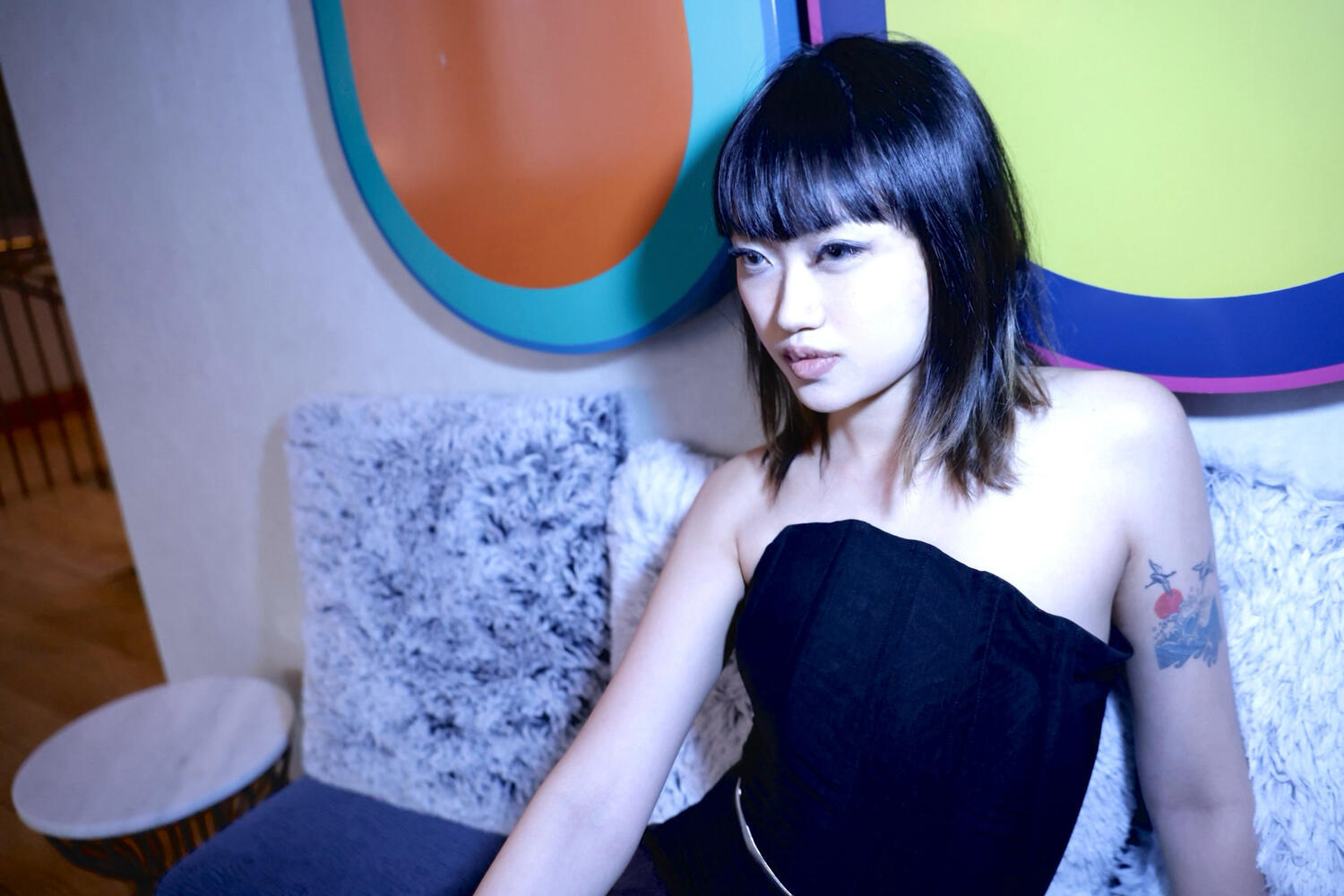
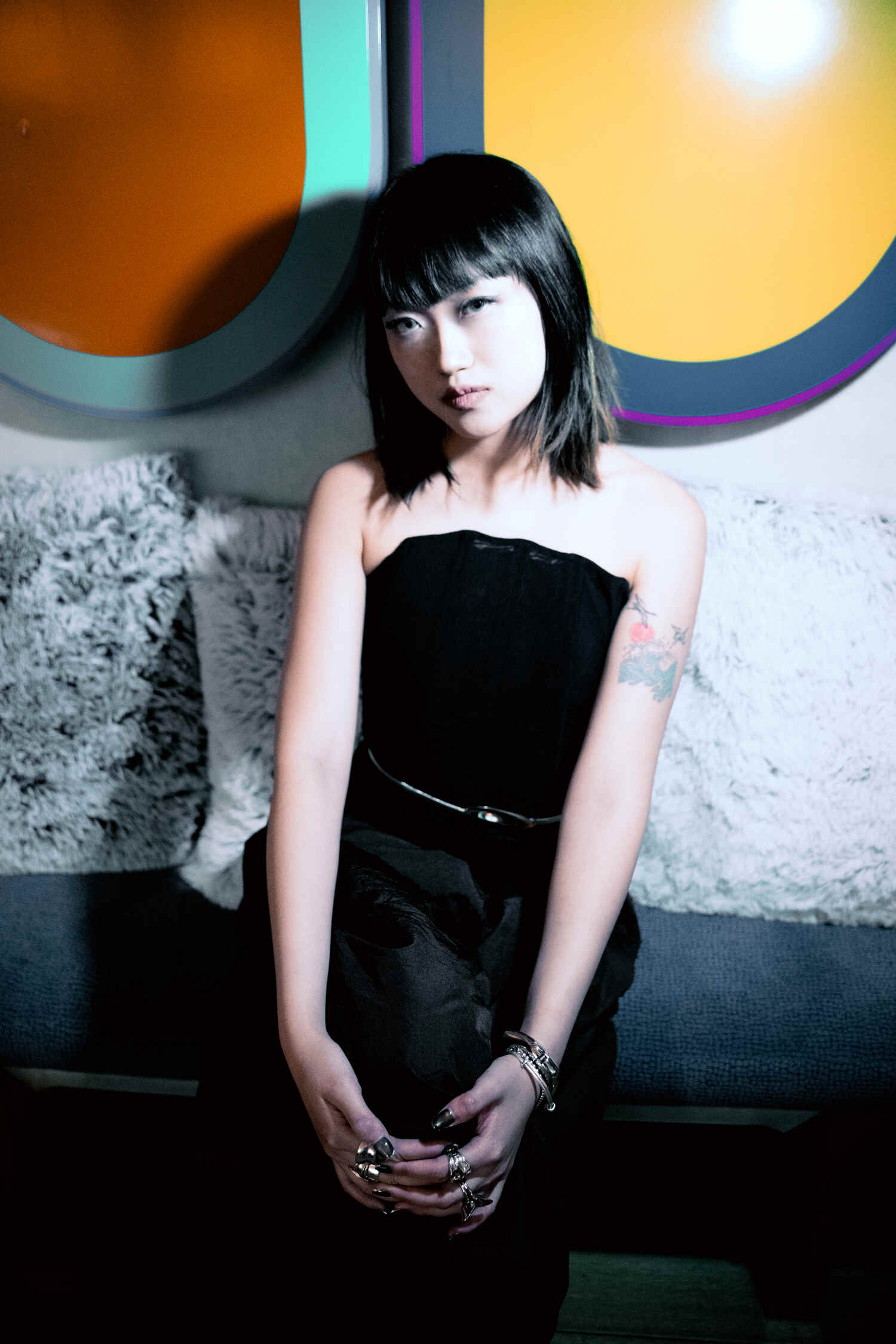
Transcendent, conversational and introspective
How do you build energy in your sets?
I usually start by going deep, leaning into more ambient and introspective sounds to connect with the emotional space. From there, I gradually build the energy, shaping it in waves, bringing it up and down depending on the moment, the genre, and the crowd.
Biggest lesson since starting your artist career?
The biggest lesson has been to create from reflection and authenticity. There are so many ways to approach a set, and it always depends on the crowd and the mood. But at the core, you have to genuinely enjoy what you’re doing and feel aligned with it. Only then can you give your full energy, and the crowd can feel and respond to that.
Another important lesson is to keep learning. Mastering decks is just the beginning, and in many ways the easiest entry point. Beyond that, there’s production, live performance, analog and modular systems. There’s always more to explore. Being an artist also means confronting your ego. Complacency can come easily, so it’s important to stay humble and keep learning. There’s something to take away from everyone, if you’re open to it.
NYC crowd vs Europe vs Asia — key differences?
In my lens the NYC crowd tends to lean toward younger, harder, and more intense sounds. Electronic music has been established there for a long time and has become relatively mainstream, so certain styles can feel more “expected.” Because of that, artists sometimes feel a subtle pressure to adapt their sound to fit those expectations. At the same time, NYC audiences are still very open and curious, and they do embrace new directions when it’s done with intention.
In places like Beijing, Hong Kong, and parts of Europe, the dynamic can feel different. The most important thing is to not always stay in the same circle, but to be open-minded and avoid the echo chamber effect.
Your debut singles & EP with Diffuse Reality in 2026 — what can we expect?
I’m so excited about this! I have been following the label for a long time and I’m very excited to be able to release my debut EP with them. You can expect something fresh and fluid, almost like a summer breeze, but grounded in deeper basslines and evolving textures. The tracks reflect where I am right now, both emotionally and intellectually, with clear influences from 90s Detroit techno with hypnotic synths, driving grooves, and a sense of movement throughout.
Some of the pieces are recorded through live performance, which I see as the most authentic way to capture flow and expression. It allows the music to unfold more naturally, rather than feeling overly constructed. I’m also really excited to eventually bring this into a full live performance setting.
One track that never leaves your USB?
It would be Loop (LFO vs. F.U.S.E.) (Fuse Mix) by LFO and F.U.S.E. (Richie Hawtin). I’m always drawn to sounds from the last century—the rawness, the simplicity, the intent behind them.
In this track, you can really hear that: the claps, snares, and driving kick feel very direct, almost unpolished in the best way, while the synths bring in a more ethereal, hypnotic layer. When I speed it up on the dance floor, it always works—it becomes a kind of anchor in my sets.
What do you want people to feel after your set?
I would want people to leave my set feeling uplifted, and free. Having a background in clinical psychology, just like many research has confirmed, I view music as therapeutic magic to people.
I am also really interested in neuroscience and the connection of music. I treat music as a therapy session and want people who came here to reflect on their past life experience, make new connections, and leave with a new perspective and learnings from life, as well as a more lifted and lighter spirit.
Follow Naomi Duan
Follow Keyi Studio
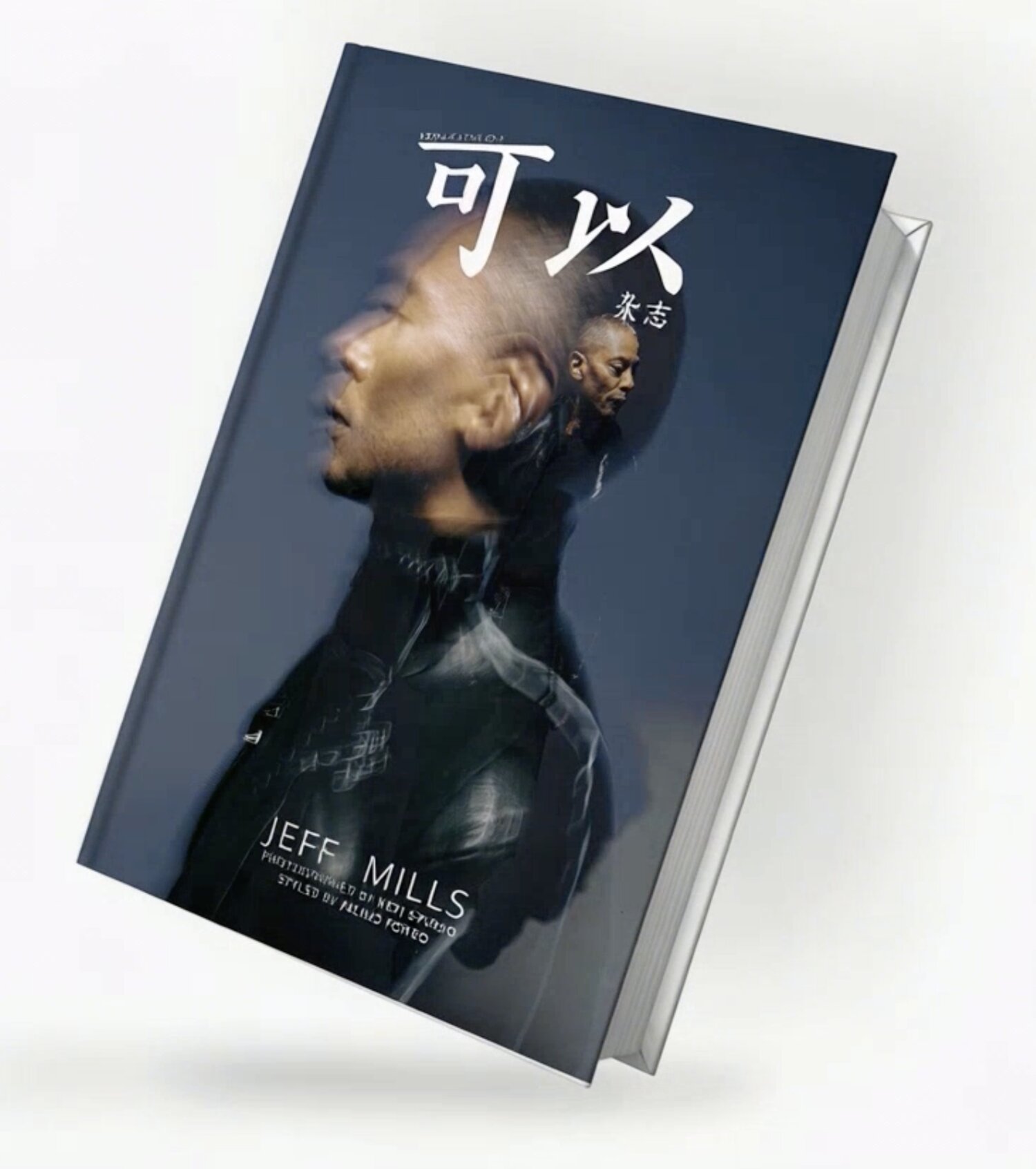
34th issue of KEYI MAGAZINE with JEFF MILLS on the cover