
GmbH was founded already ten years ago, with the aim of telling the world the forgotten fashion history of Berlin.

Everyone knows that the fashion capitals remain Paris and Milan. However, only a few people are aware of the untold history of how Berlin, back in the 1920s, was a vibrant couture capital, standing alongside Paris.
What happened and why does no one talk about it?
To matter of it all, Nazi regime took over, where fashion was completely forgotten, and its continuation was forever fractured.
Fashion historian Gesa Kessemeier writes in the prologue of her book Modestadt Berlin:
“In the late 1920’s a Berlin design talent, Joe Strassner (1898–1970), a visionary of modern cut-
outs and the first women’s tuxedos, dreams of international recognition.His dream comes true:
in 1935, his name appears on the cinema screen right next to that of a design icon: “Dresses
Gesa Kessemeier in the book “Modestadt Berlin”
Schiaparelli and Strassner,” reads the opening credit of Transatlantic Tunnel. By then, Strassner
is already living in exile in England. And once again: everyone in the fashion world knows Elsa
Schiaparelli (1890–1973) — but no one knows Joe Strassner.
(…)But why is it that today no one remembers Berlin fashion designers of the 1920s, who—with
their sparkling dance dresses, revealing stage costumes, but also “sporty-masculine” garçonne
outfits and elegant coats—played a decisive role in shaping the image of modern, cosmopolitan
Berlin?”
As a result, GmbH’s new collection, presented at Berlin Fashion Week SS27, explores these questions while celebrating the brand’s tenth anniversary.
Can one collection unfold a history of a hundred years or even a decade?
Of course not.
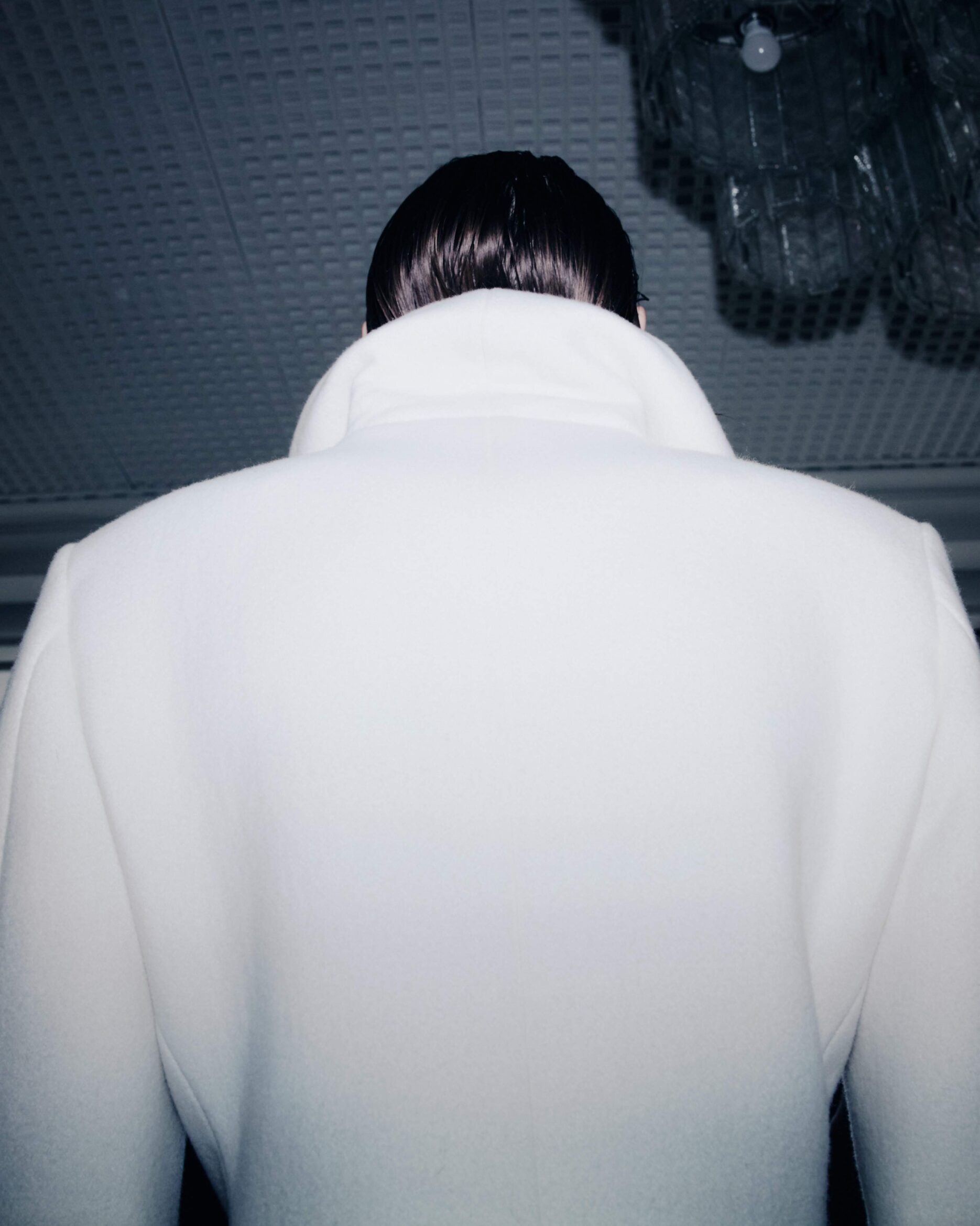
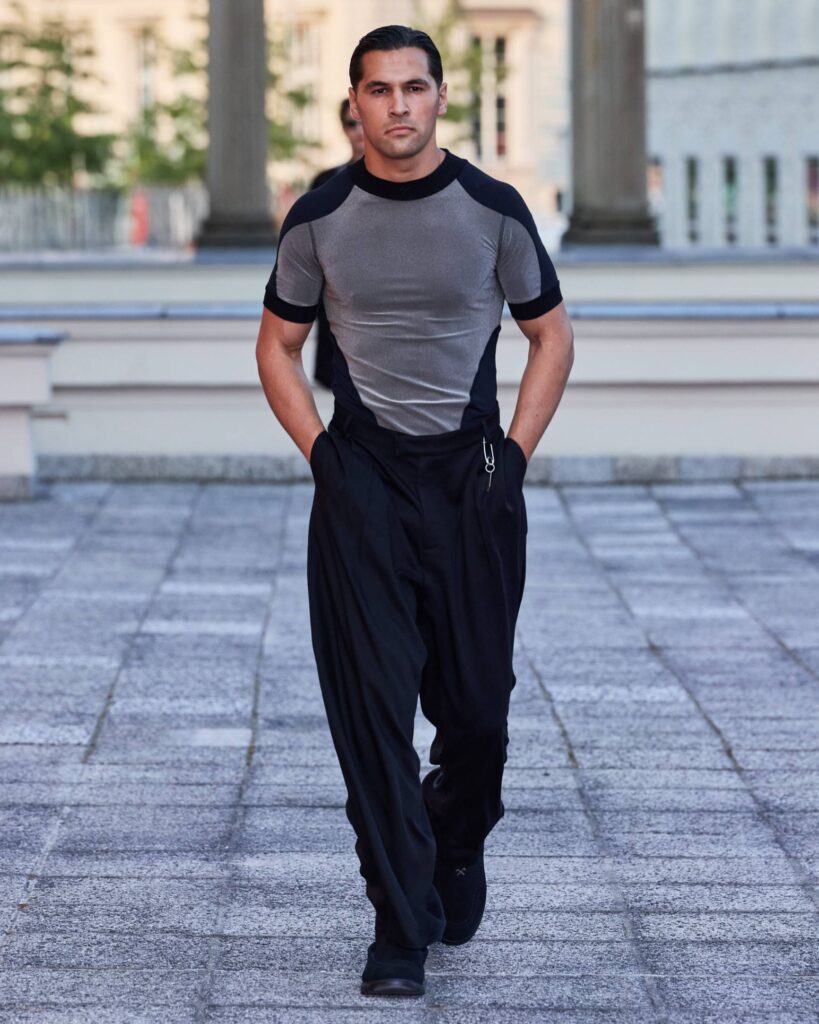
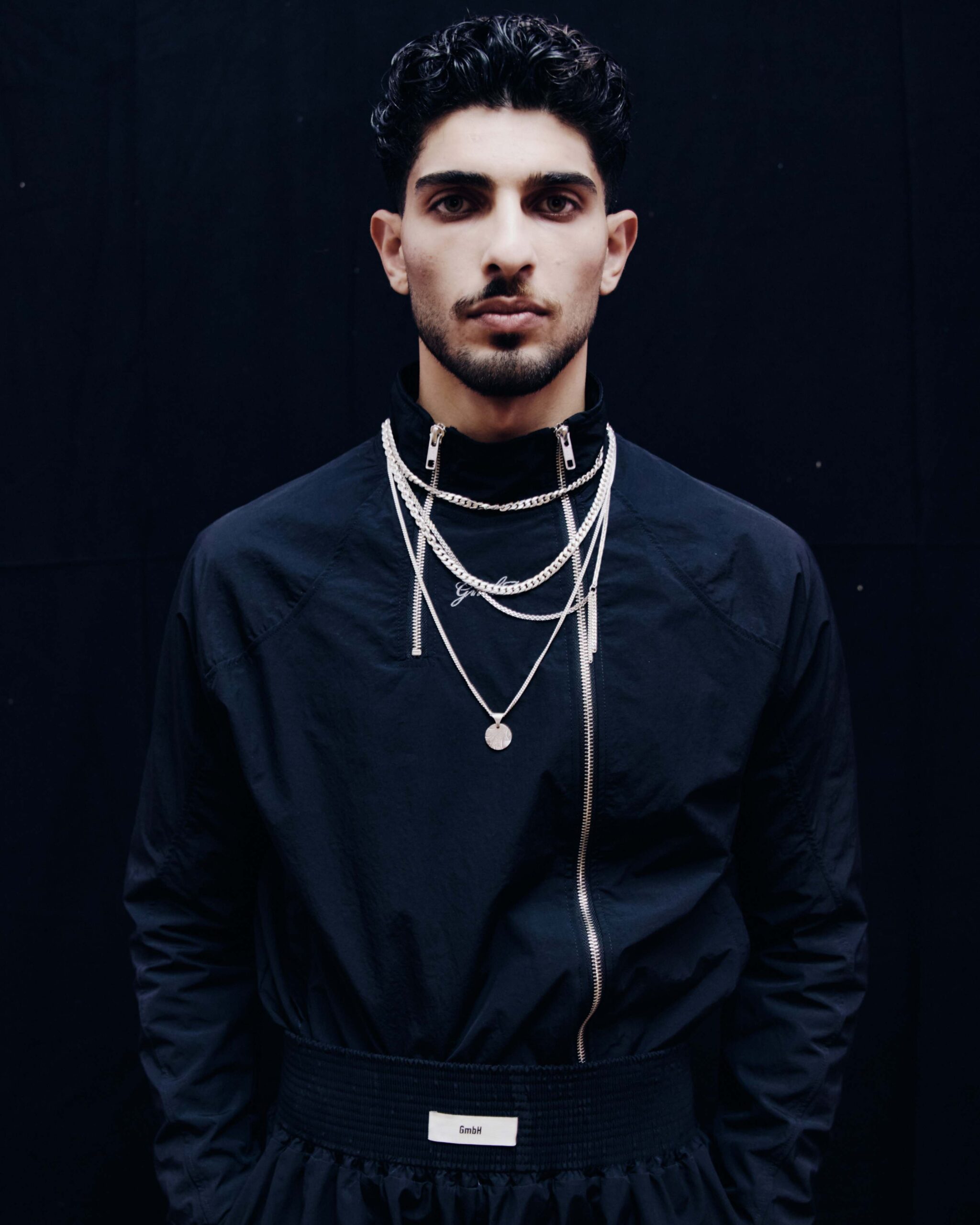
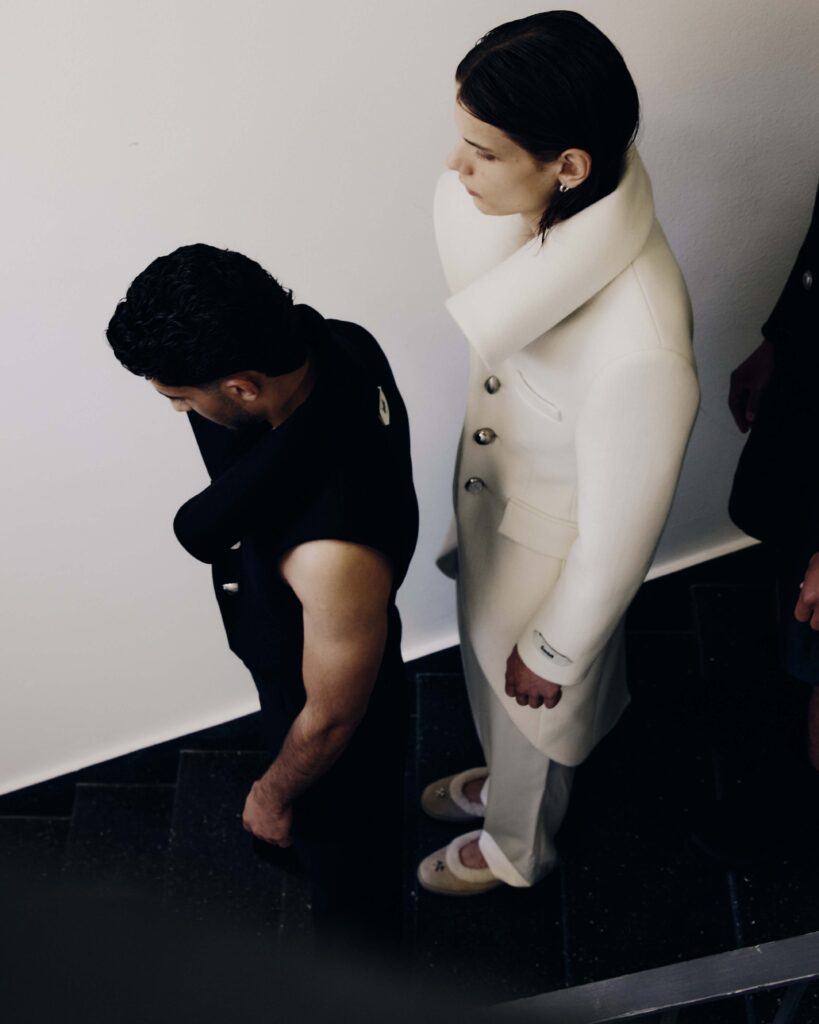
The collection was indeed inspired by Berlin’s couture past. It features unique cuts and sleek sportswear that protects the body.
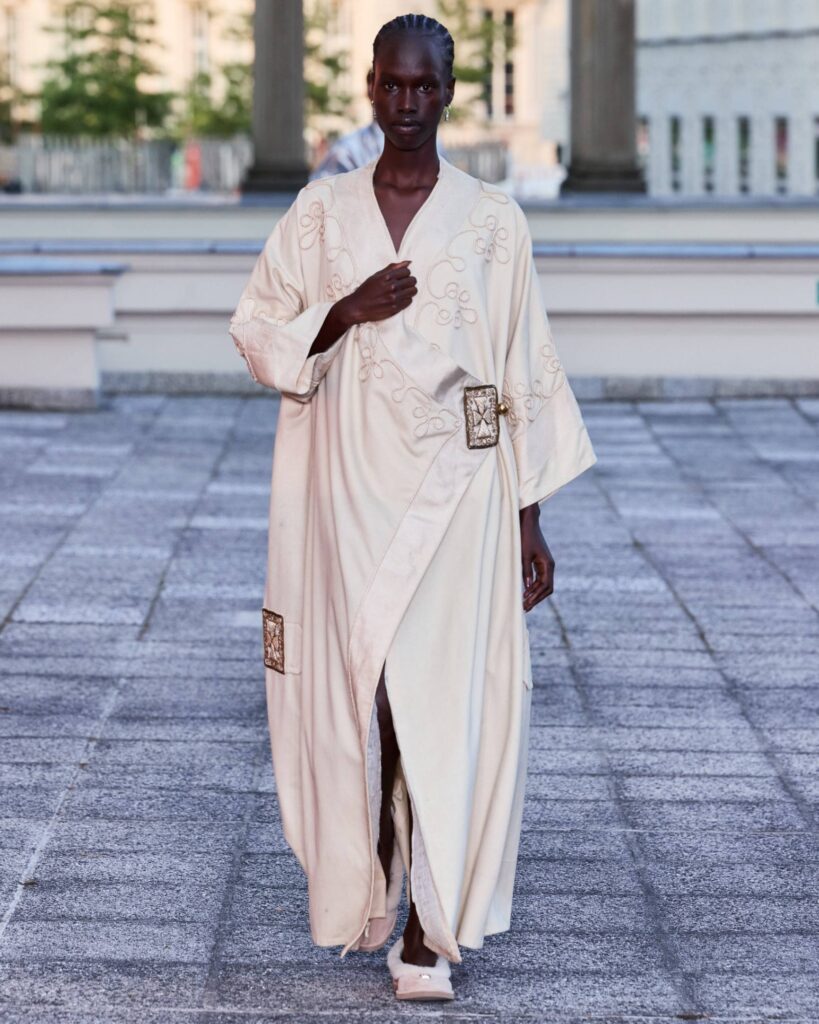
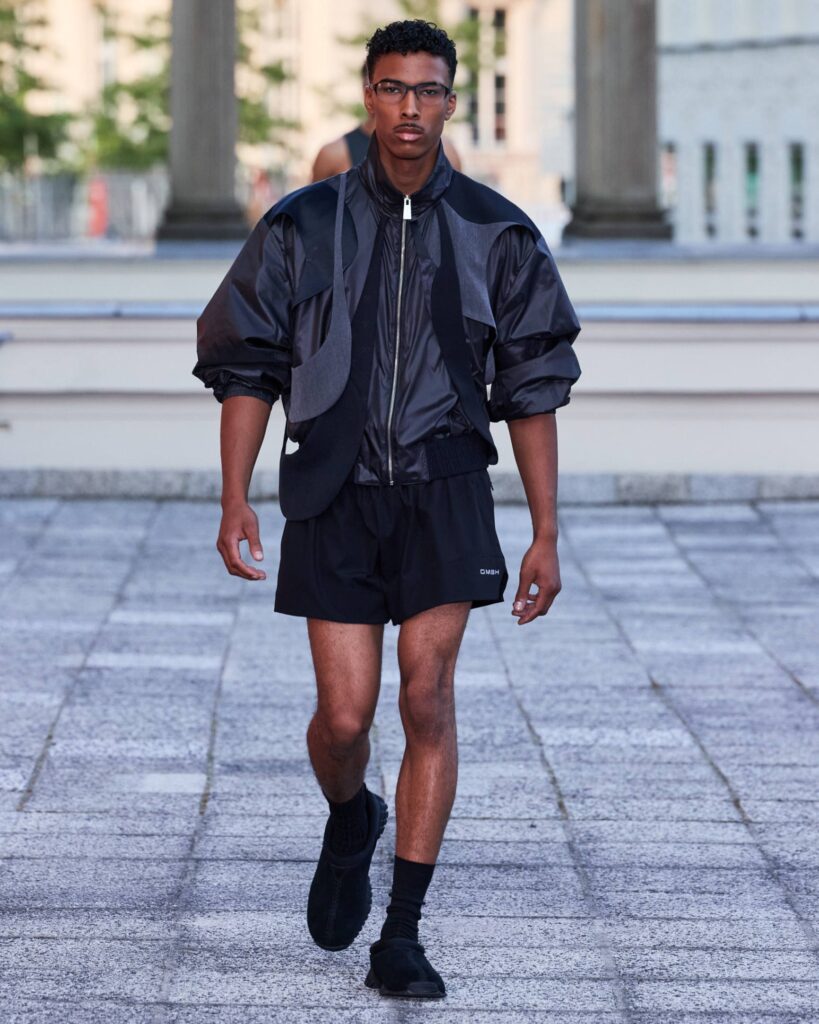
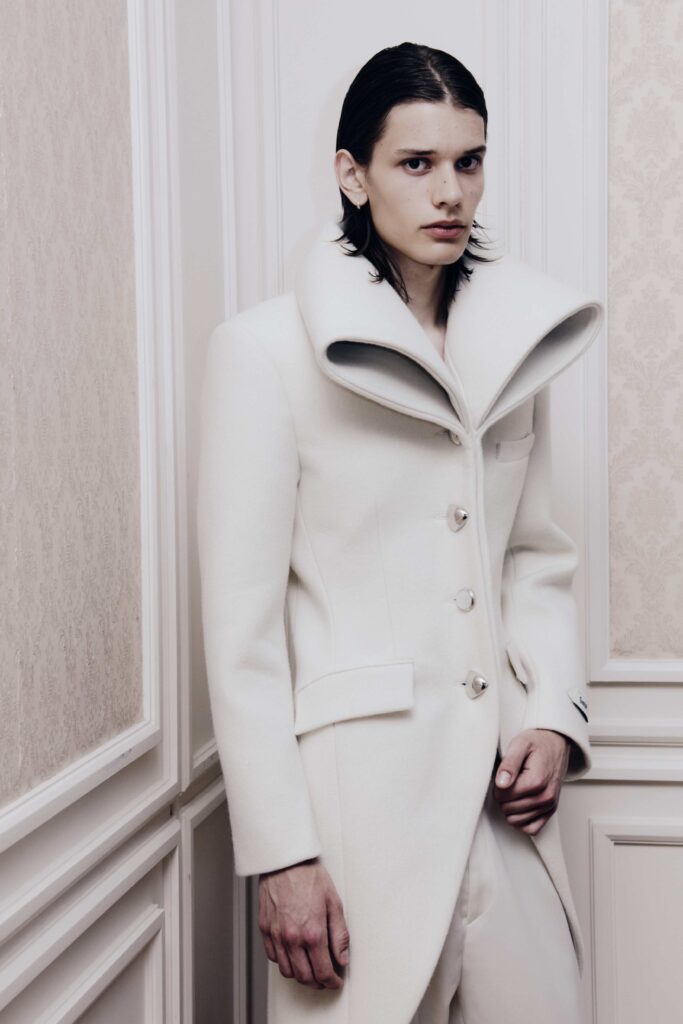
For example, the collar was inspired by a coat by Clara Böhm (whose house operated between 1912–1939, featured in Die Dame in 1934).
There were definitely emotional inspirations behind creating this collection, like looking through Julia Schwarz’s archive and being able to touch one hundred years of fashion history. Therefore, selected archive pieces by forgotten Berlin designers were proudly incorporated into the show.
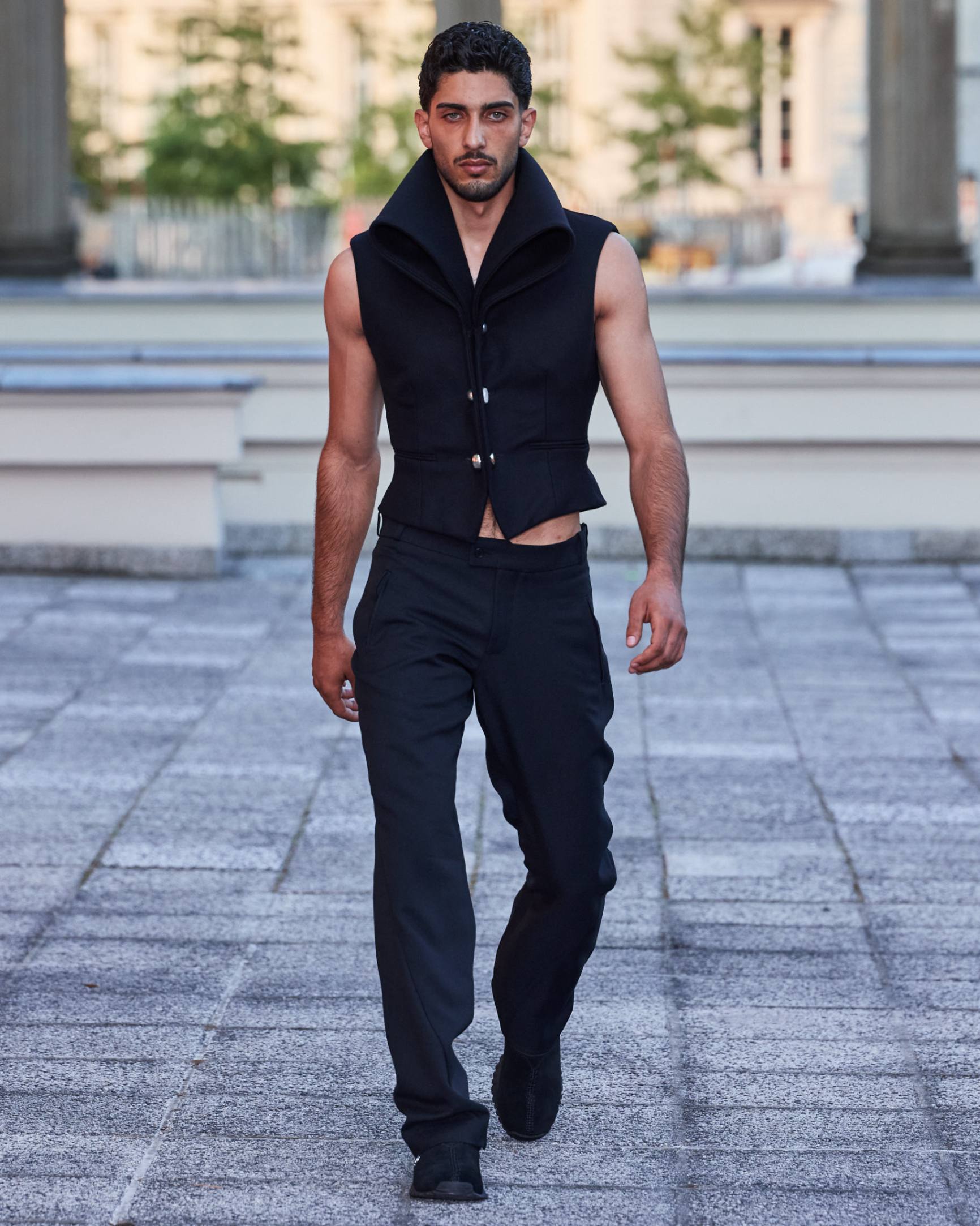
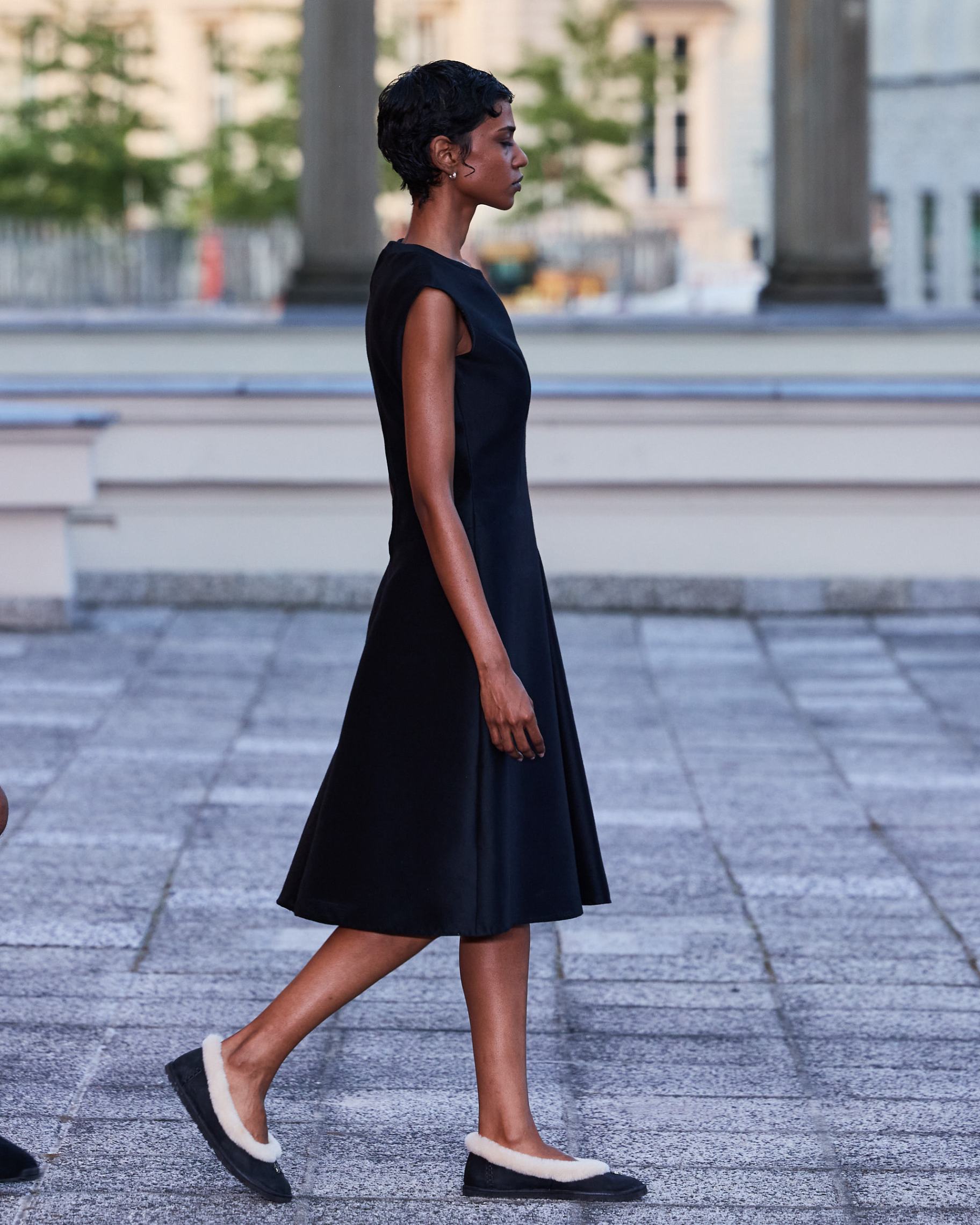
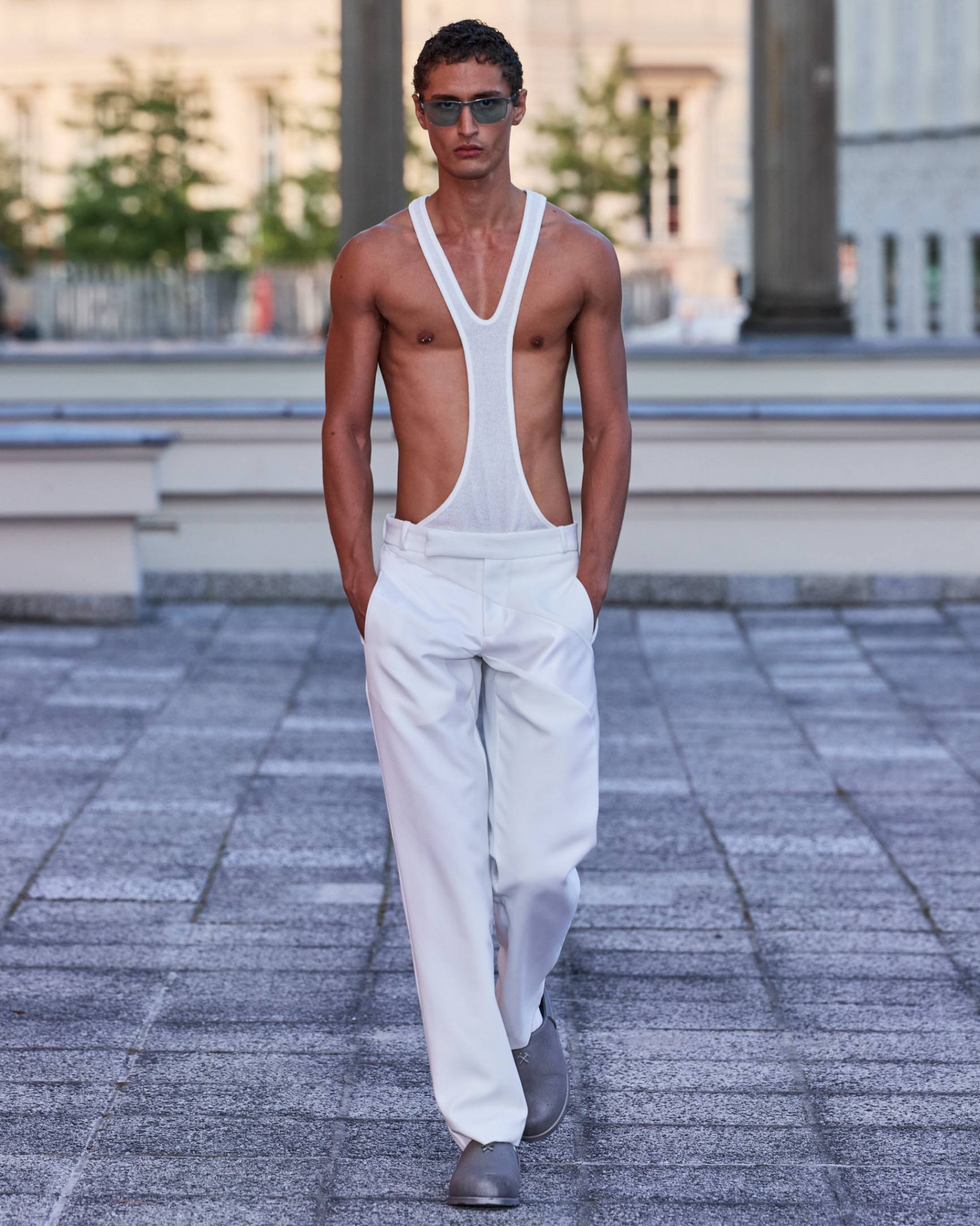
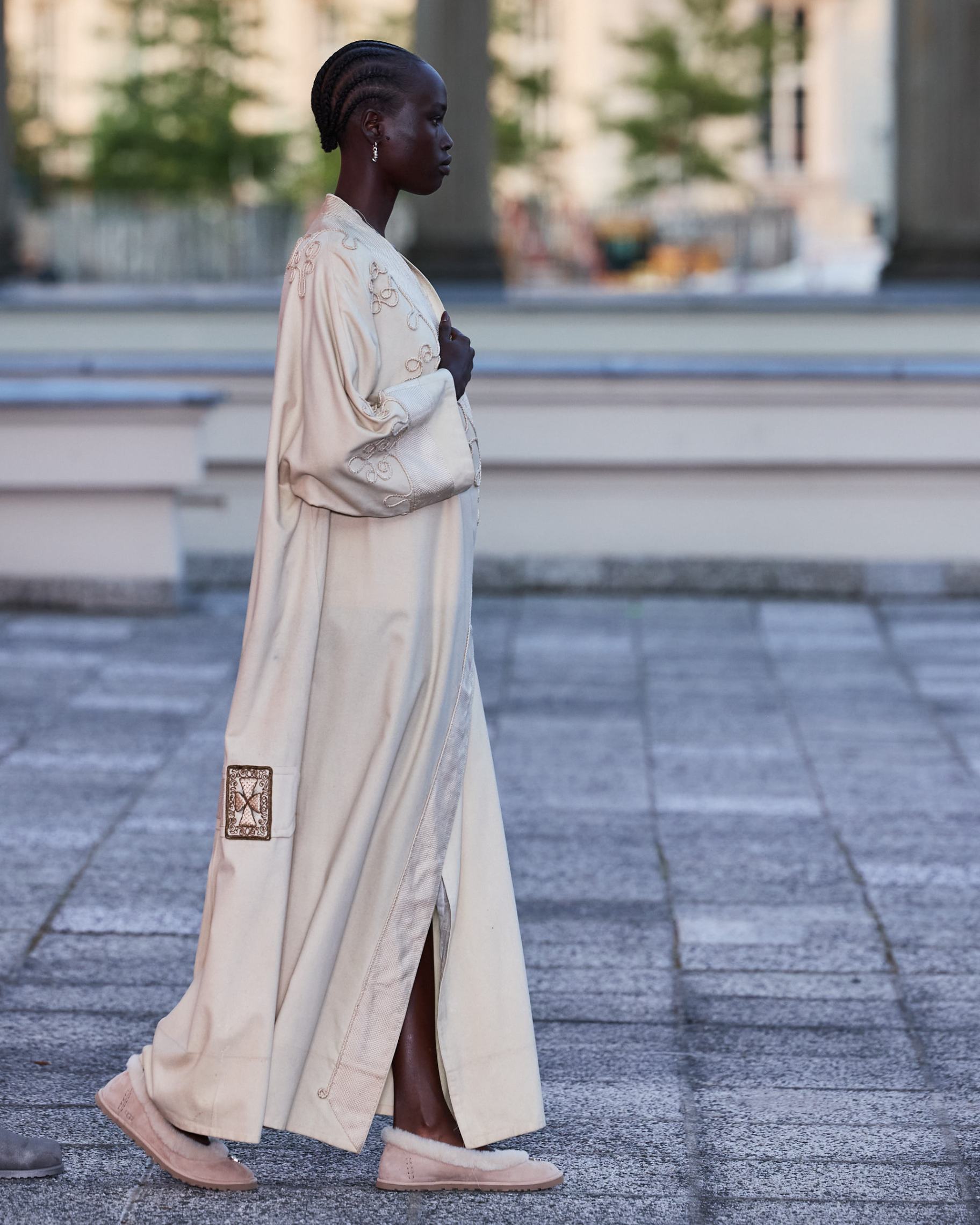
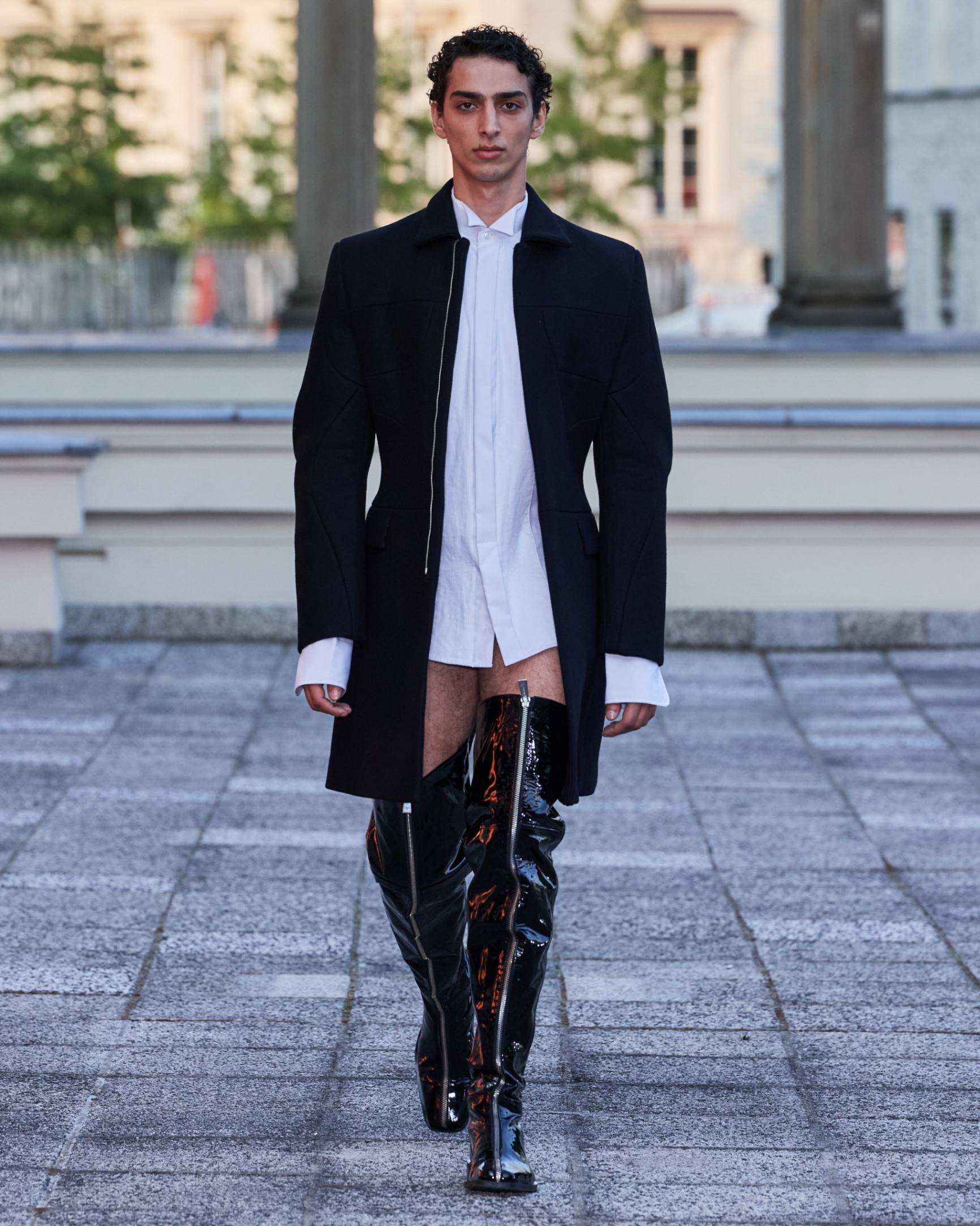
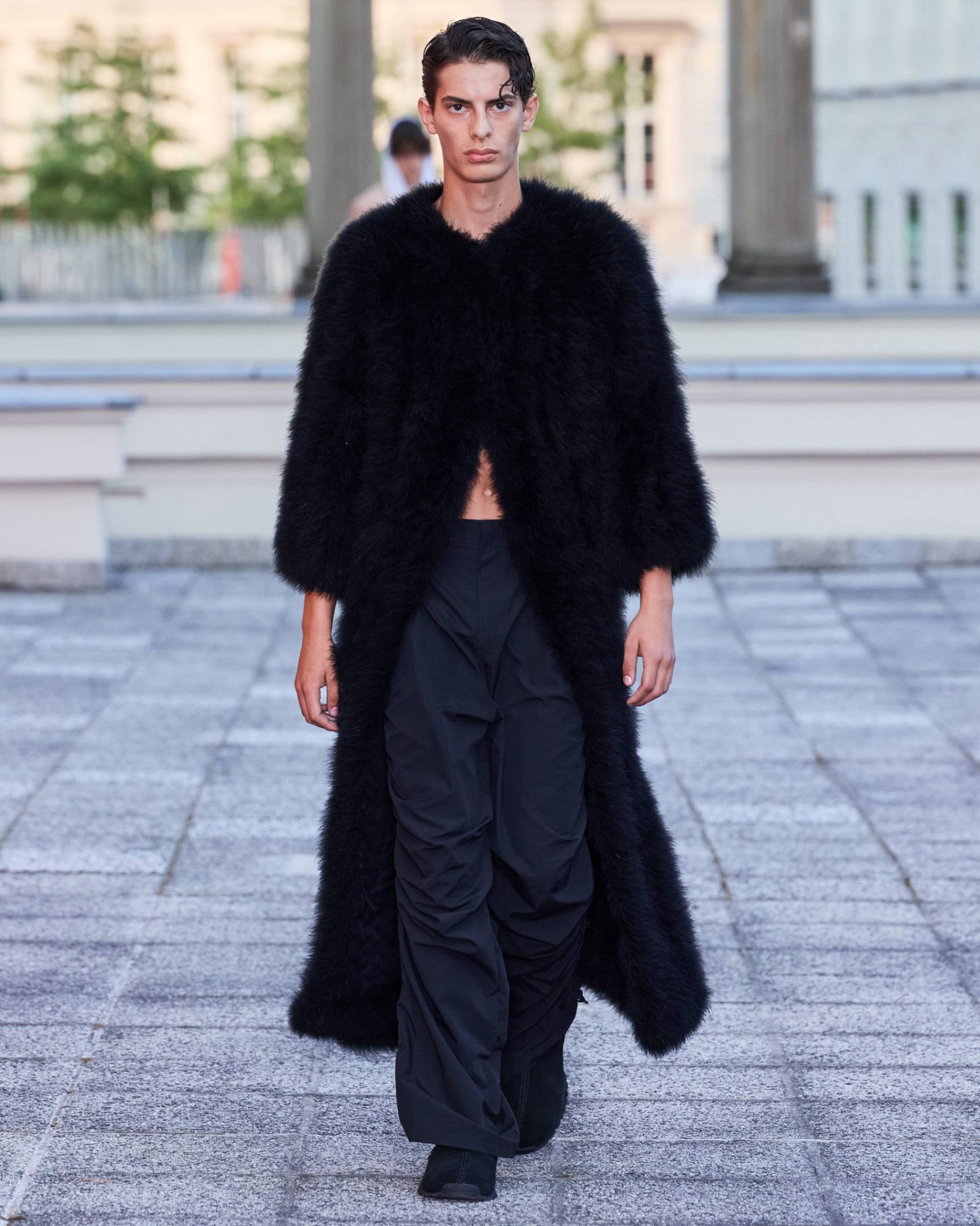
The article doesn’t particularly describe the rich history of Berlin fashion. However, thanks to GmbH’s collection at Berlin Fashion Week, the runway opens the door to exploring Germany’s fashion background more deeply and, hopefully, to having fashion accepted as a serious cultural expression in Germany.
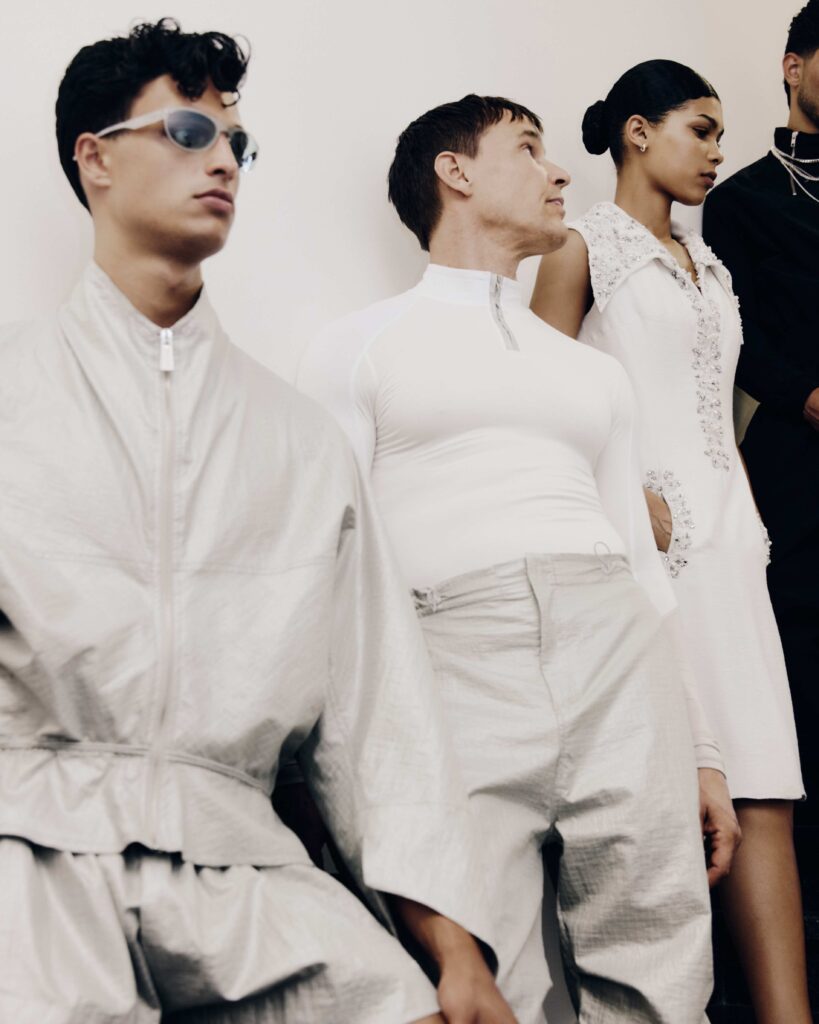
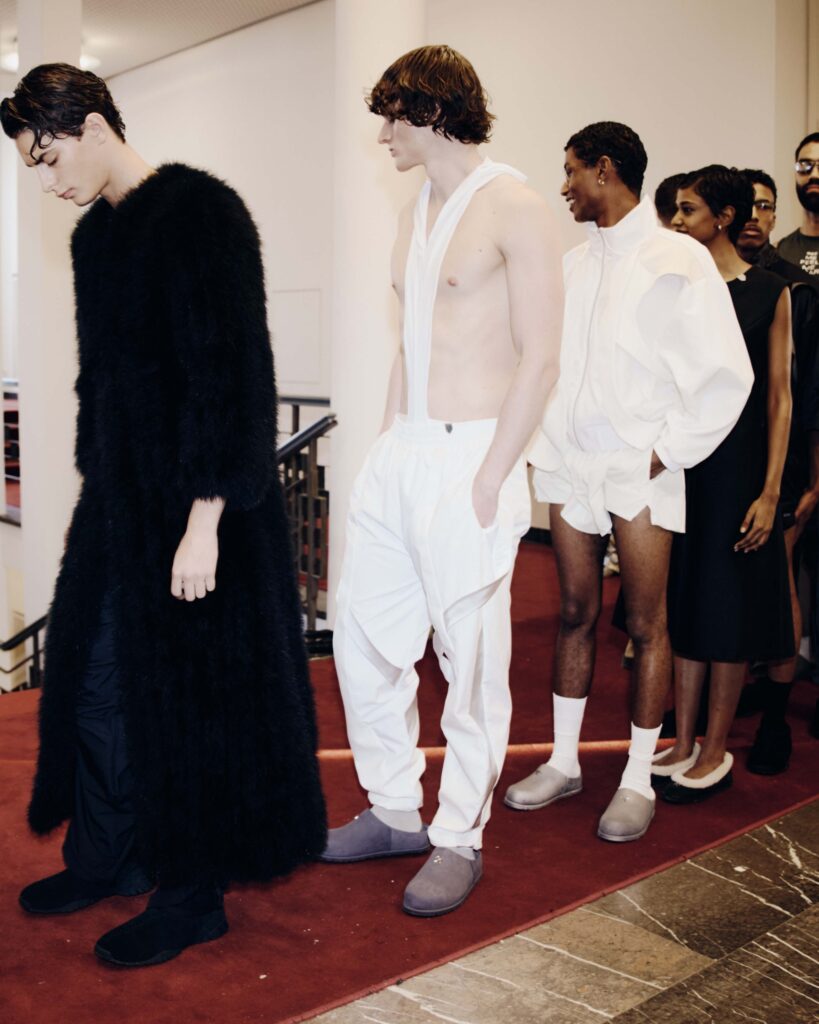
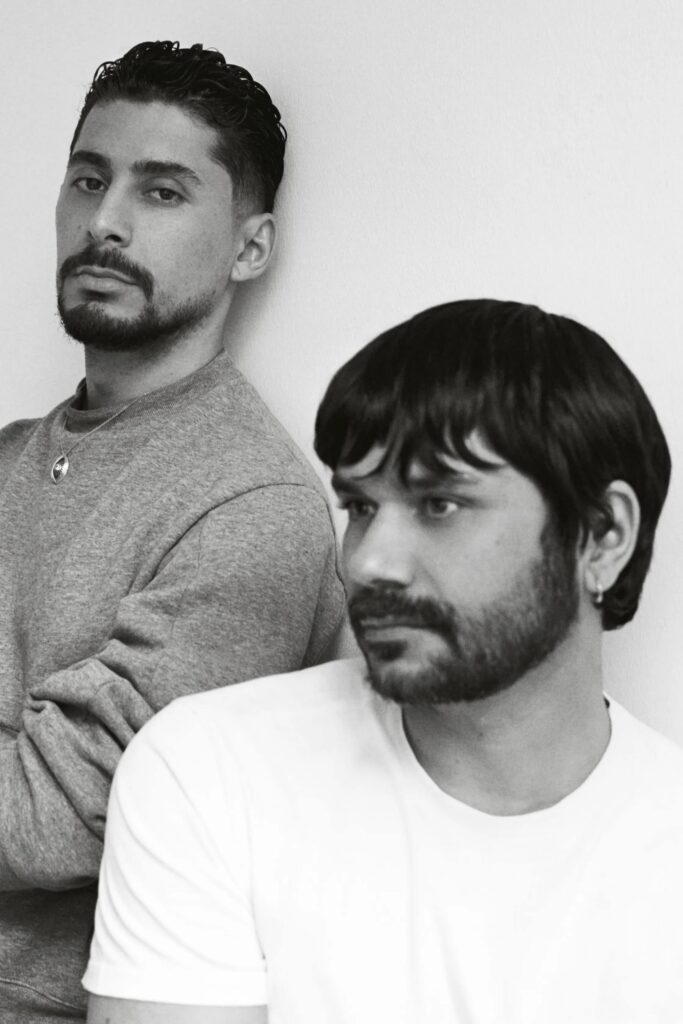
The collection ends with a statement from founders Benjamin A. Huseby and Serhat Isik:
“Minority communities are facing increased state repression and marginalisation, as well as the extreme right is marching both figuratively and literally through our streets, GmbH will resist.
Benjamin A. Huseby & Serhat Isik
We are often questioned on why GmbH is so explicitly political and lectured on how fashion should be unpolitical – this brief history lesson should be enough to negate any such argument.”
(founders of GmbH)
Partnerships behind the collection
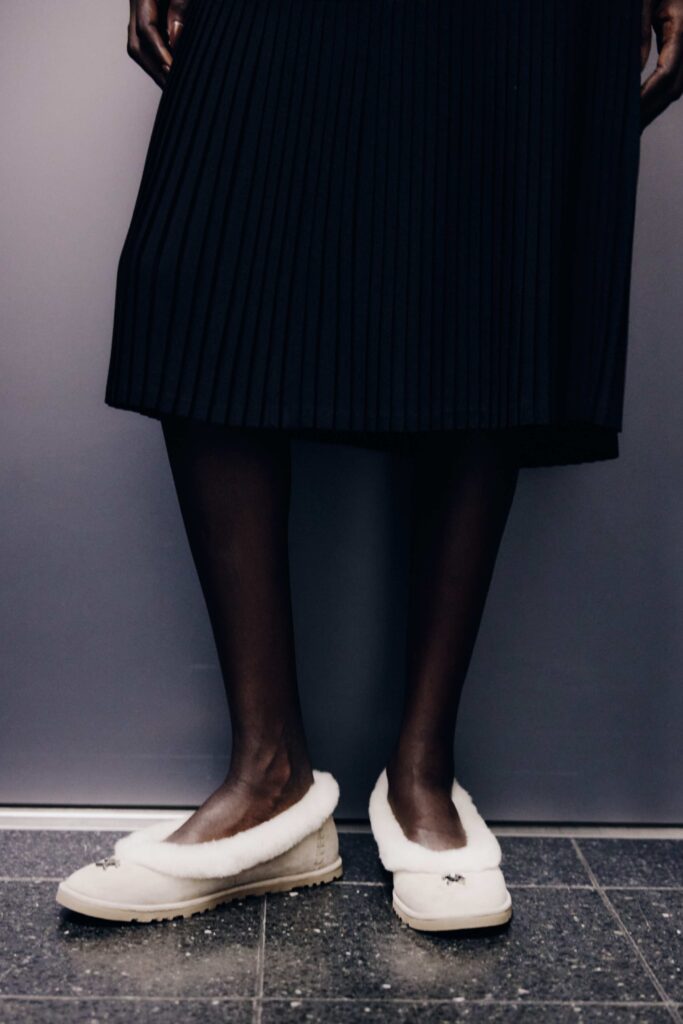
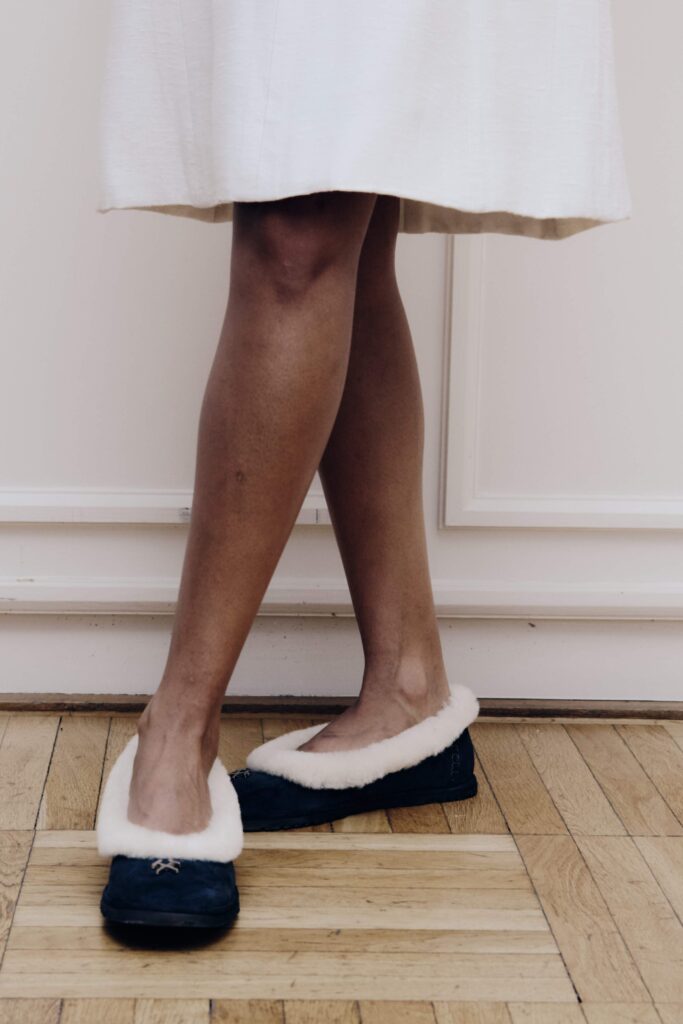
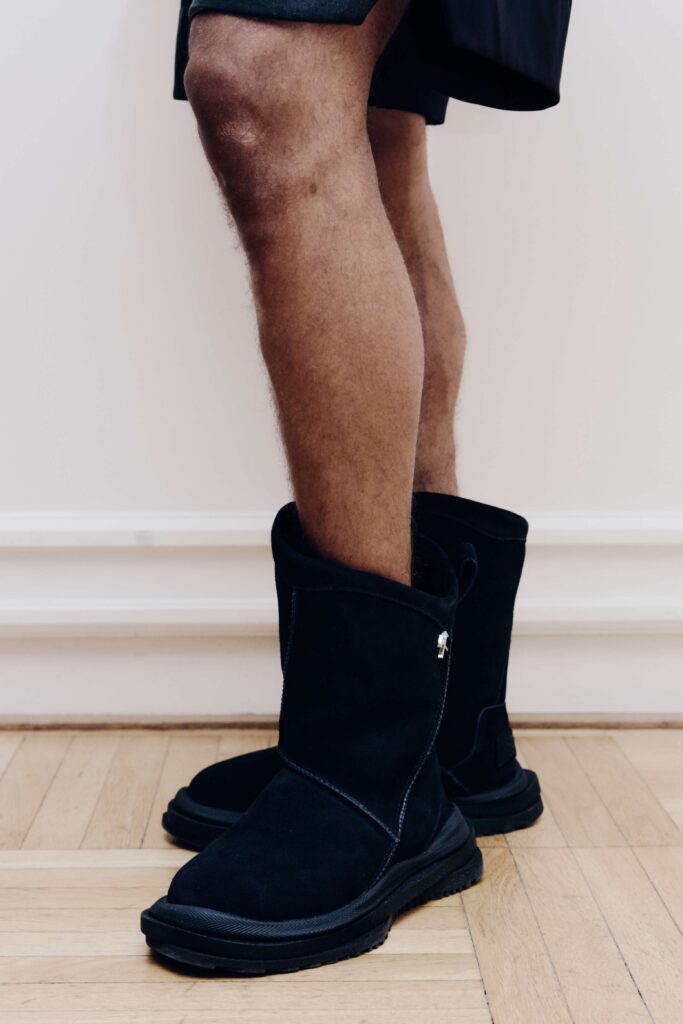
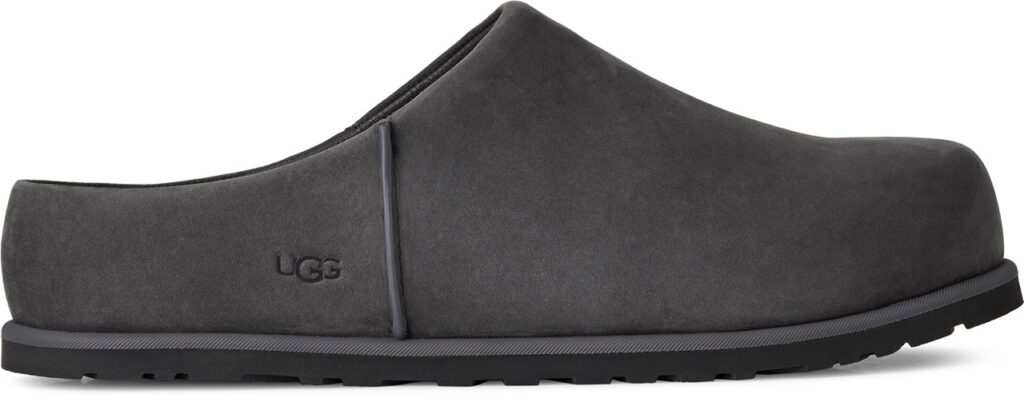
While bringing this collection to life, GmbH partnered with the following brands:
UGG FOR FOOTWEAR

ic! berlin FOR EYEWEAR
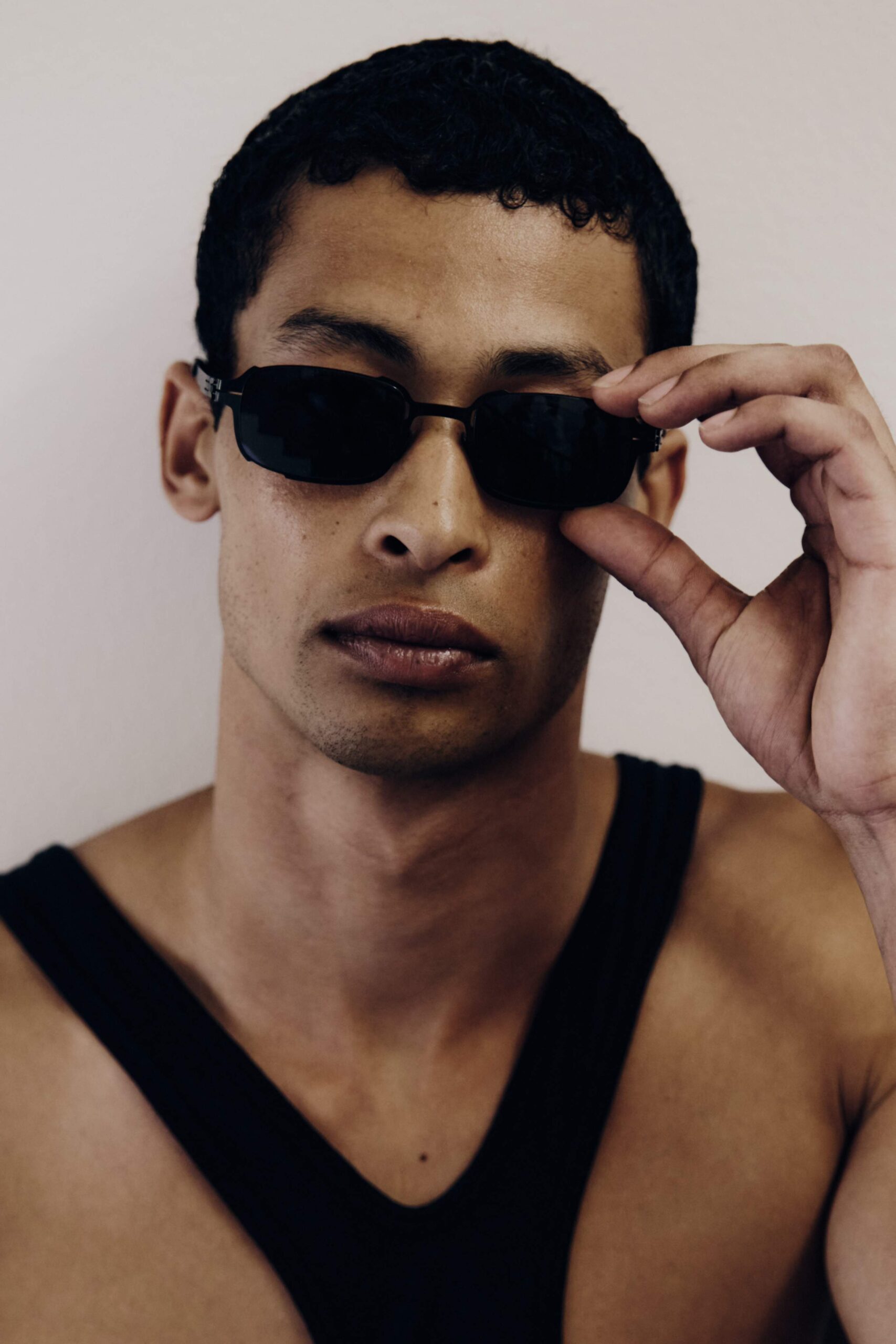
CC-STEDING FOR JEWELLERY
‘BERLINER CHIC’ / Julia Schwarz FOR ARCHIVE PIECES
The collection offered more than an exceptional runway show. It opened the door to Berlin’s forgotten fashion history, celebrating the vision, craftsmanship and ideas that have shaped the city’s fashion identity for over a century.
Check more fashion related articles here.