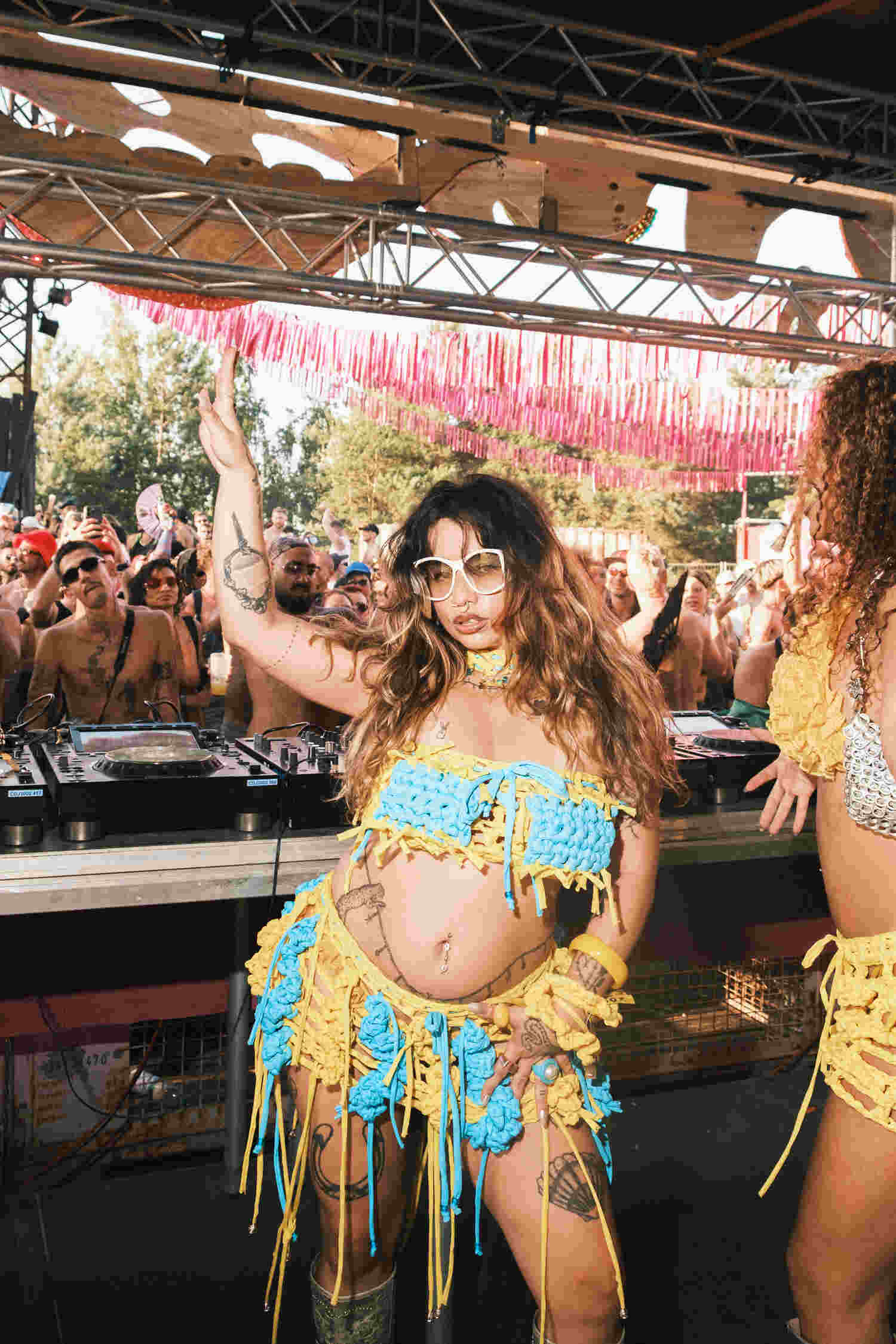
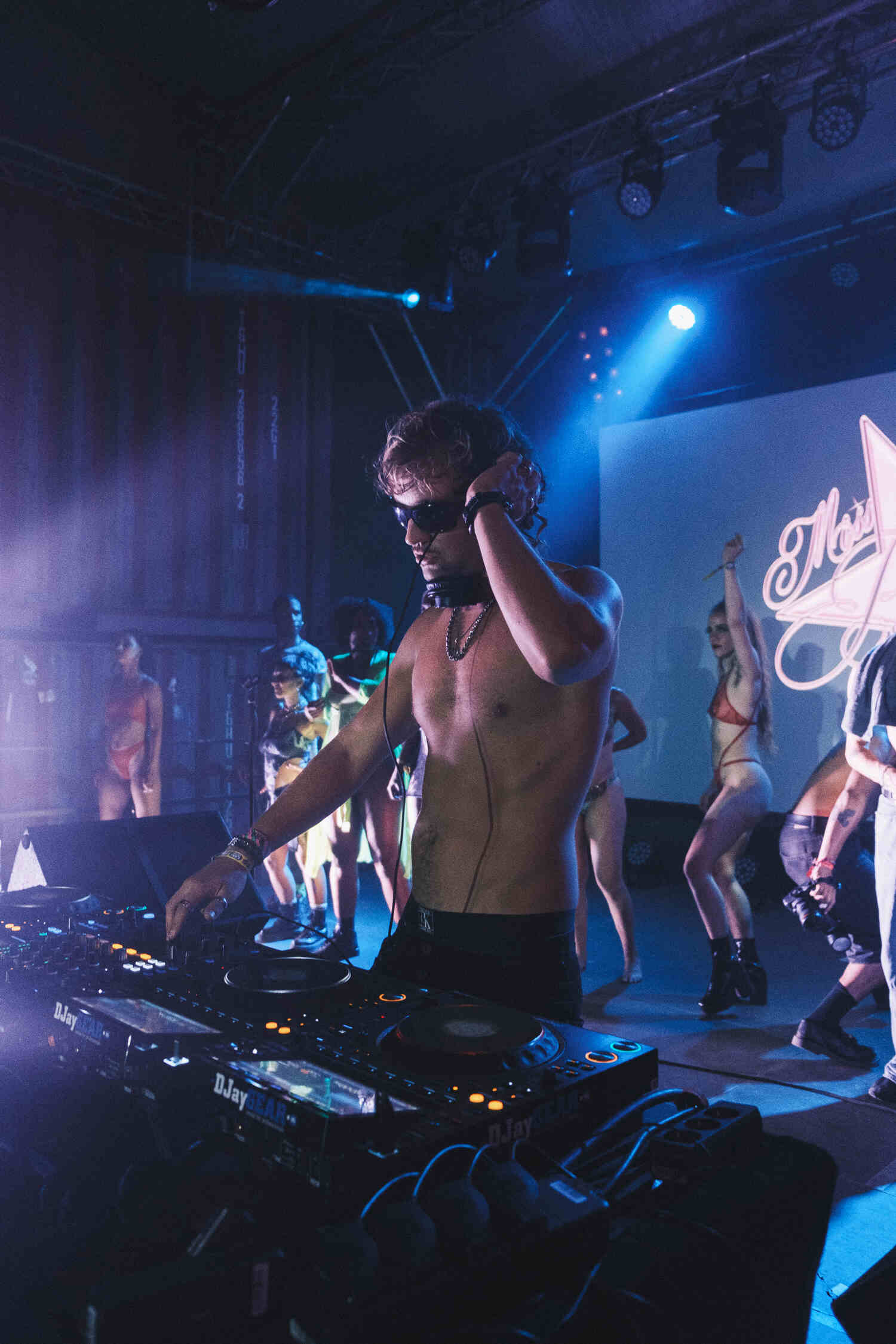
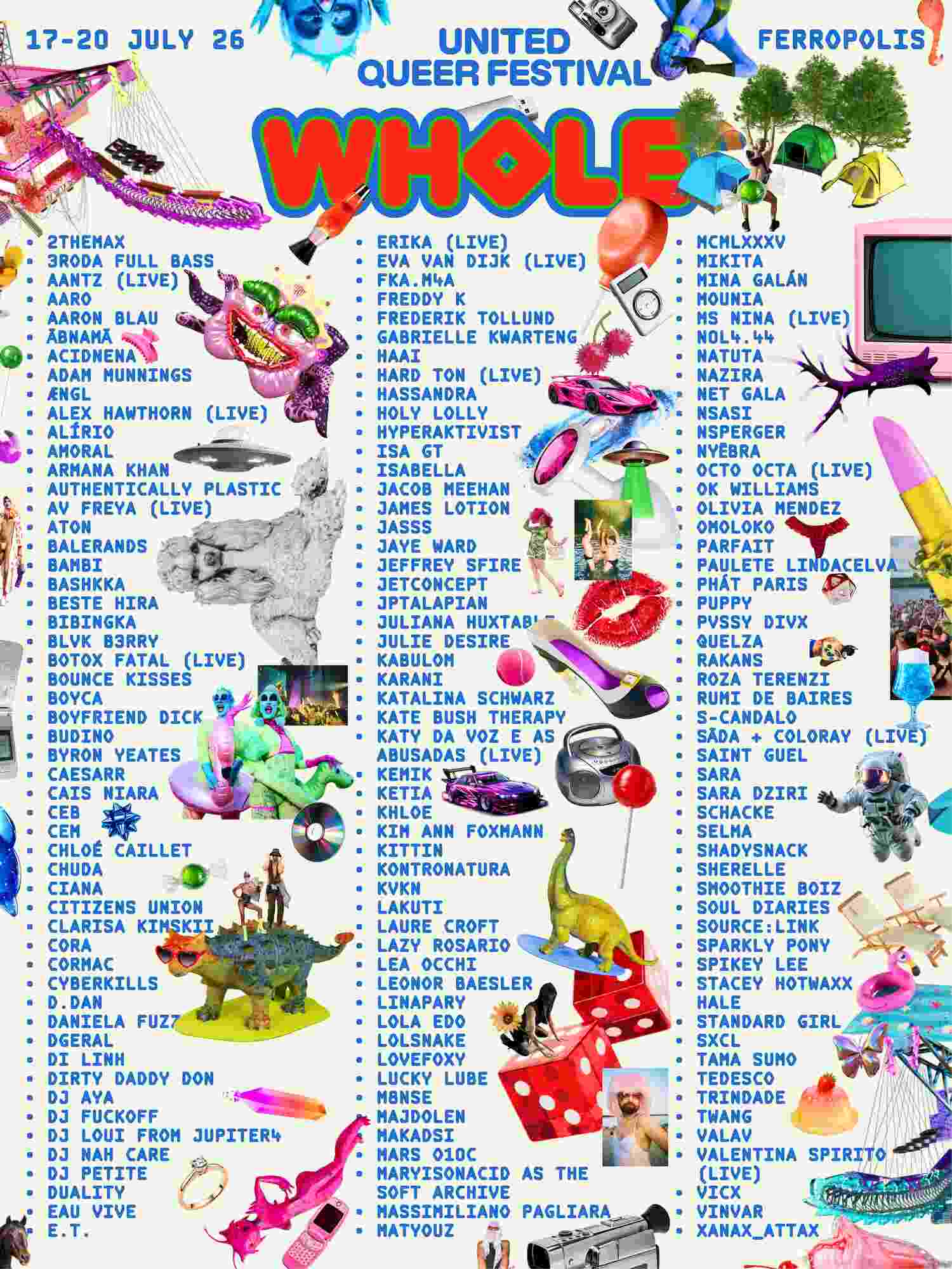
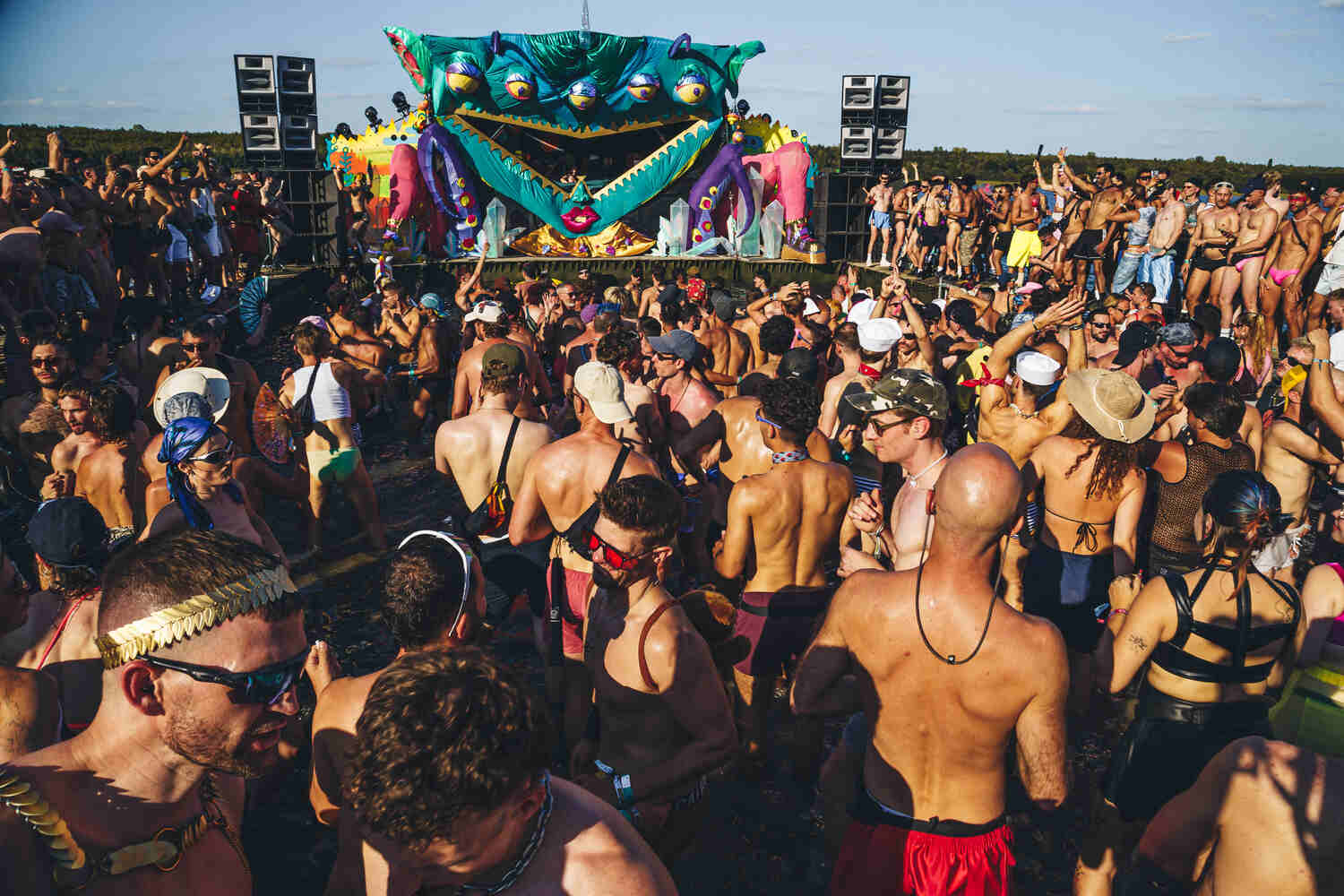
WHOLE Festival 2026 has announced its full programme ahead of its final ticket release. The festival will take place from July 17 to 20, 2026, at Ferropolis in Germany, returning to the monumental iron city located just outside Berlin.
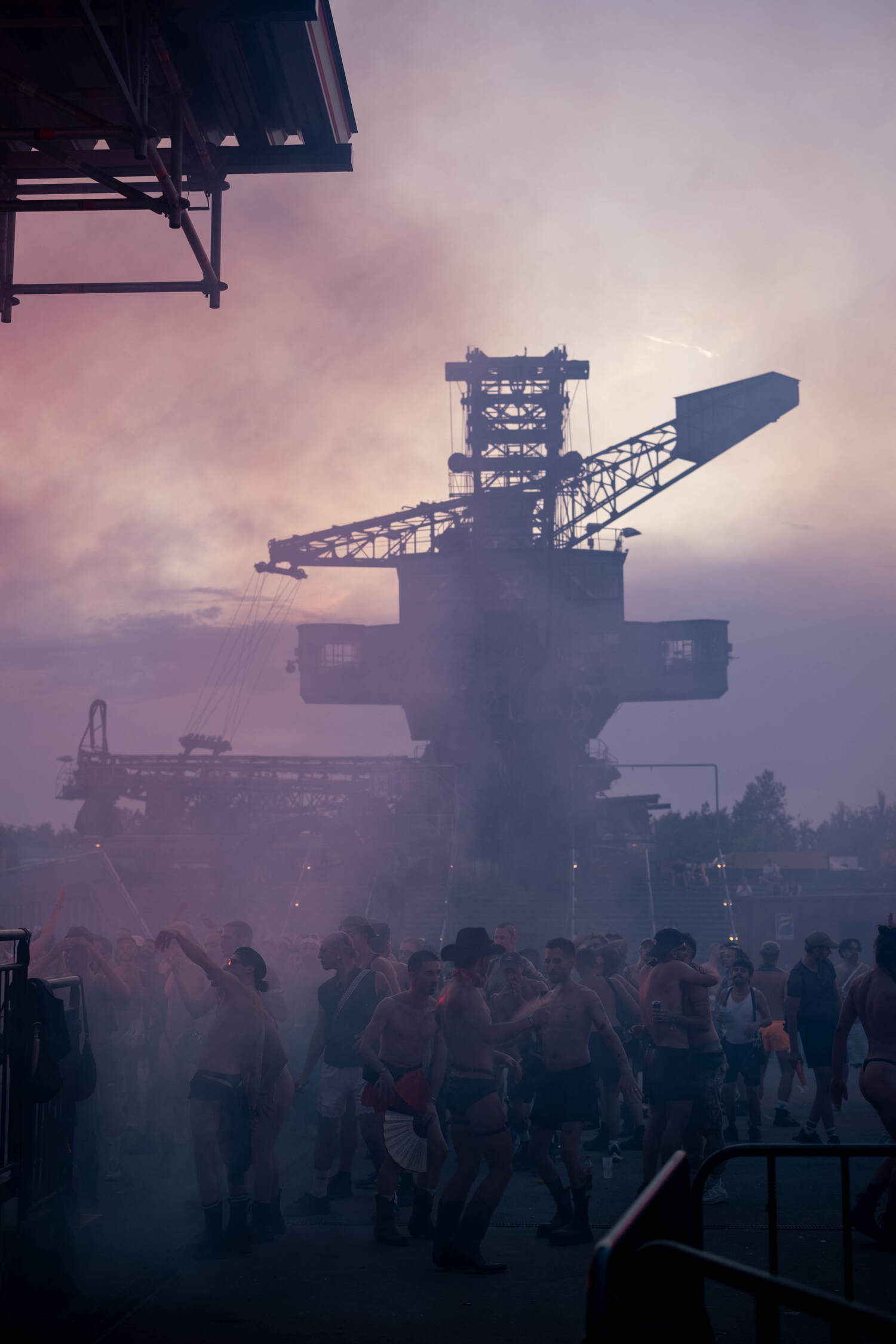
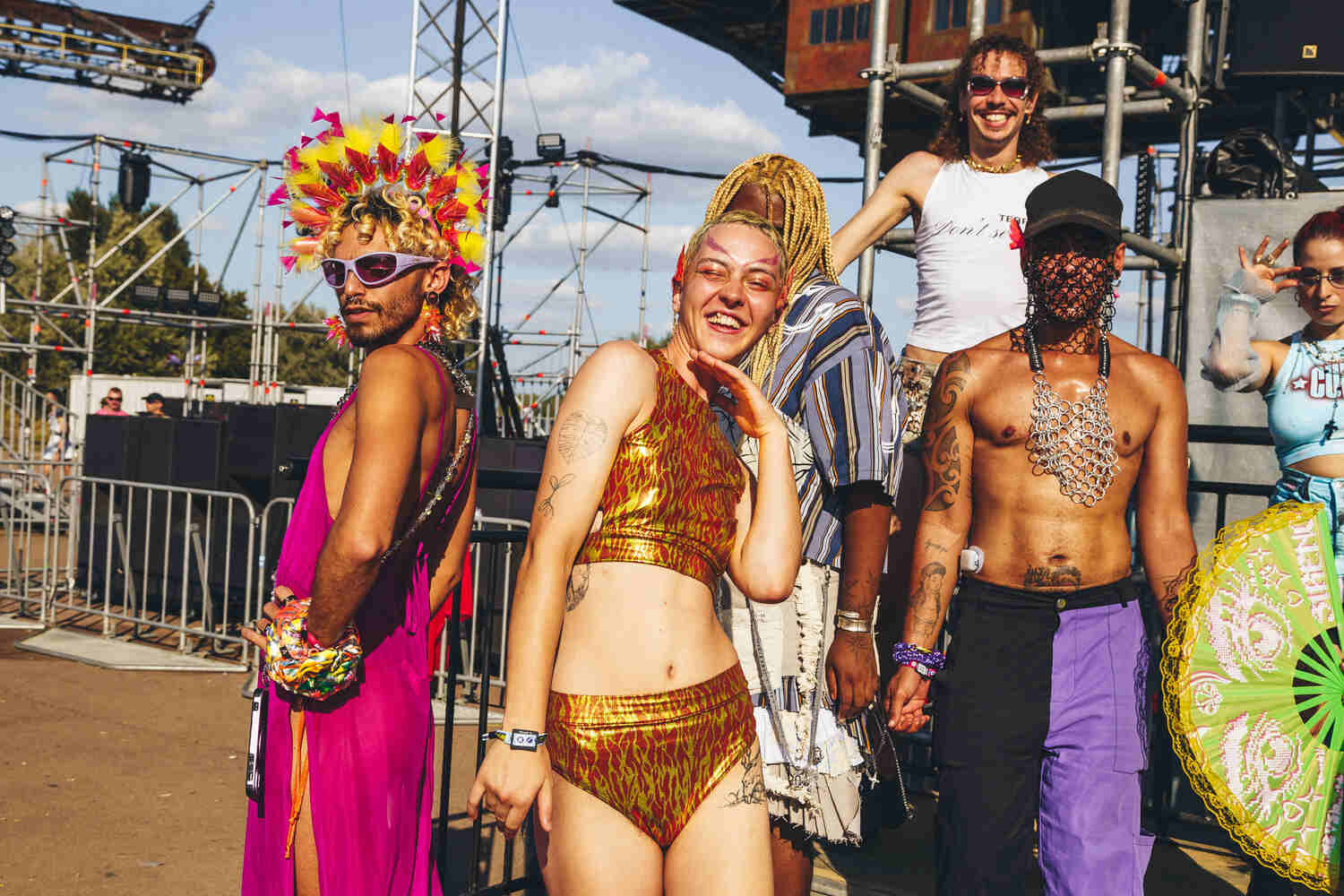
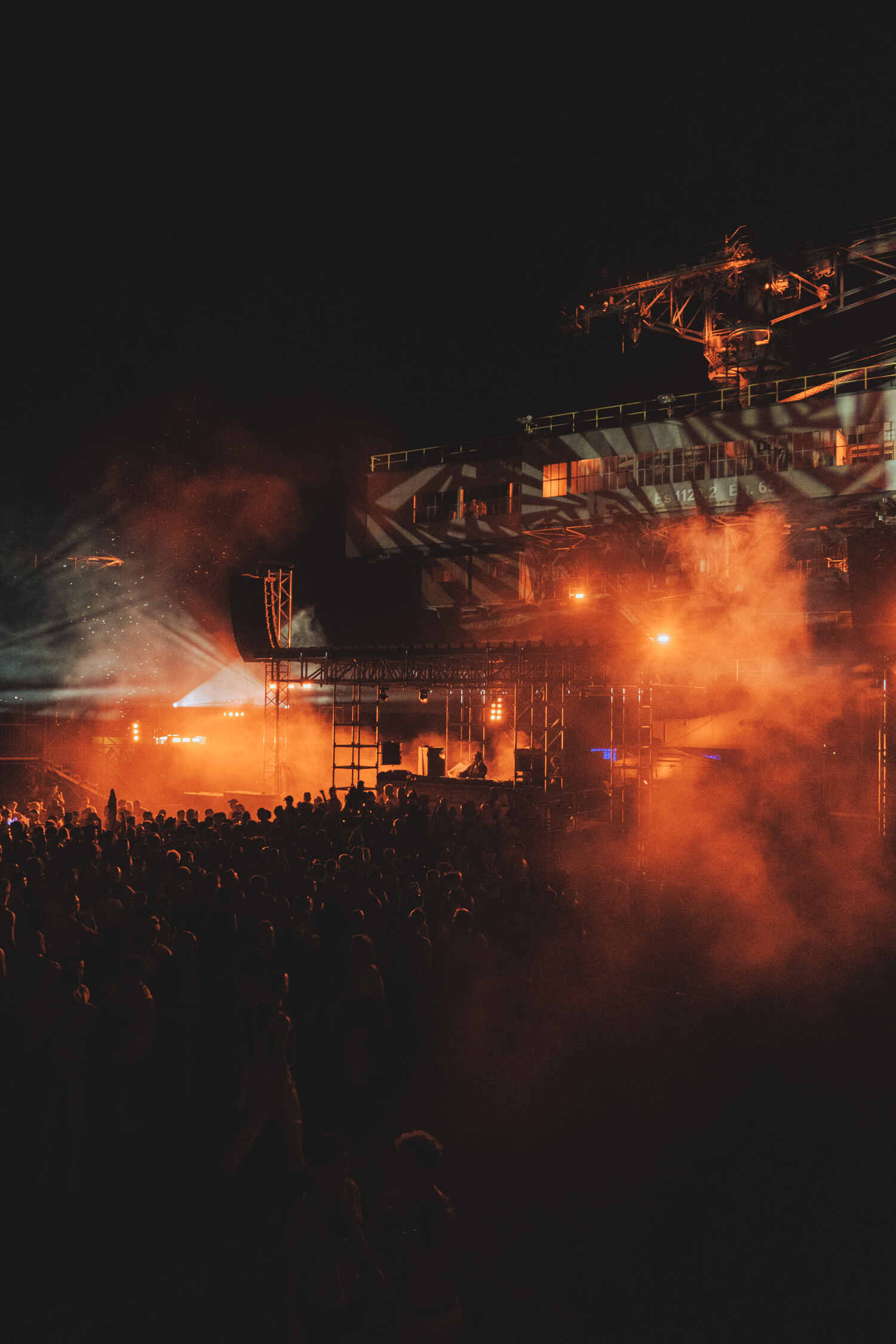
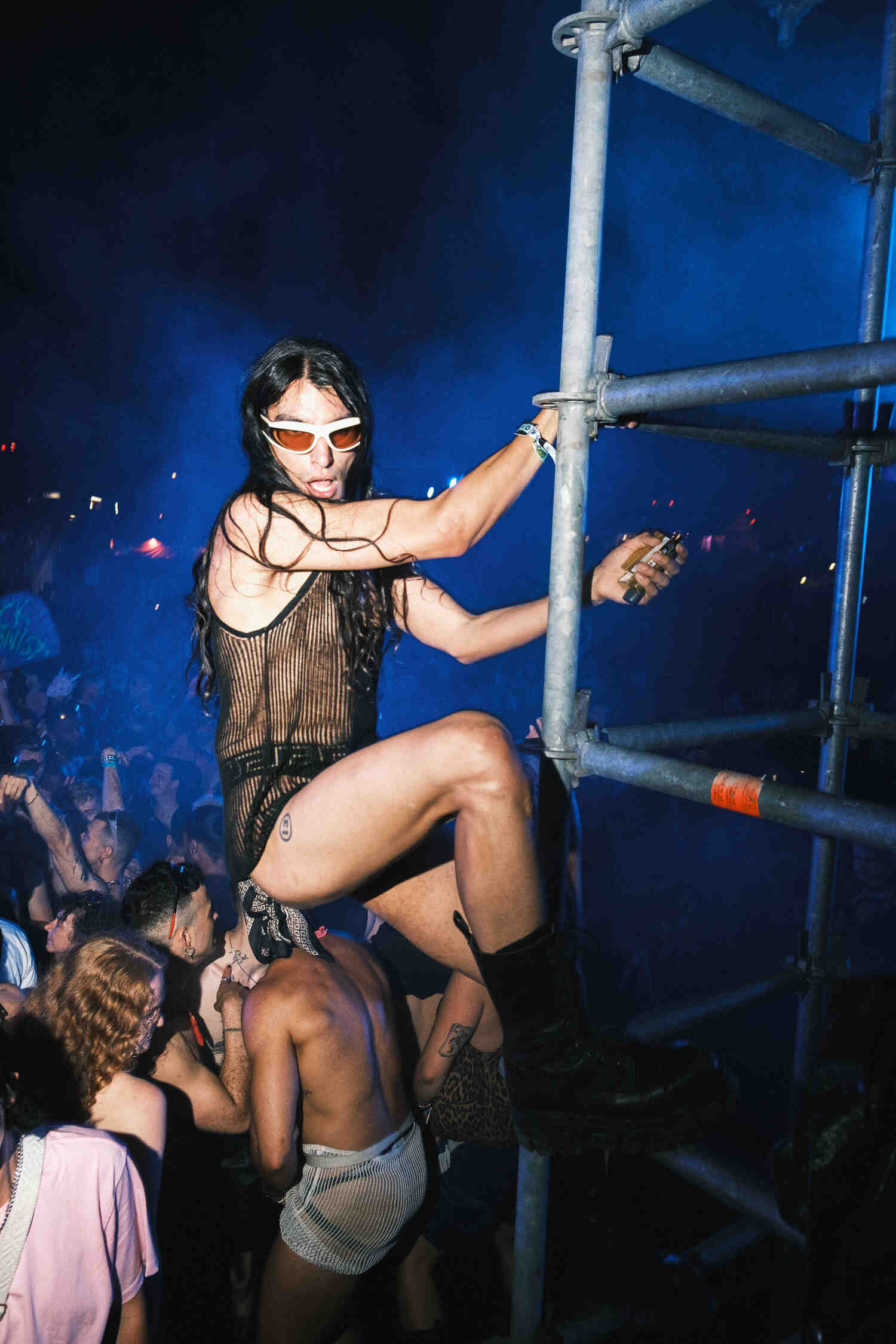
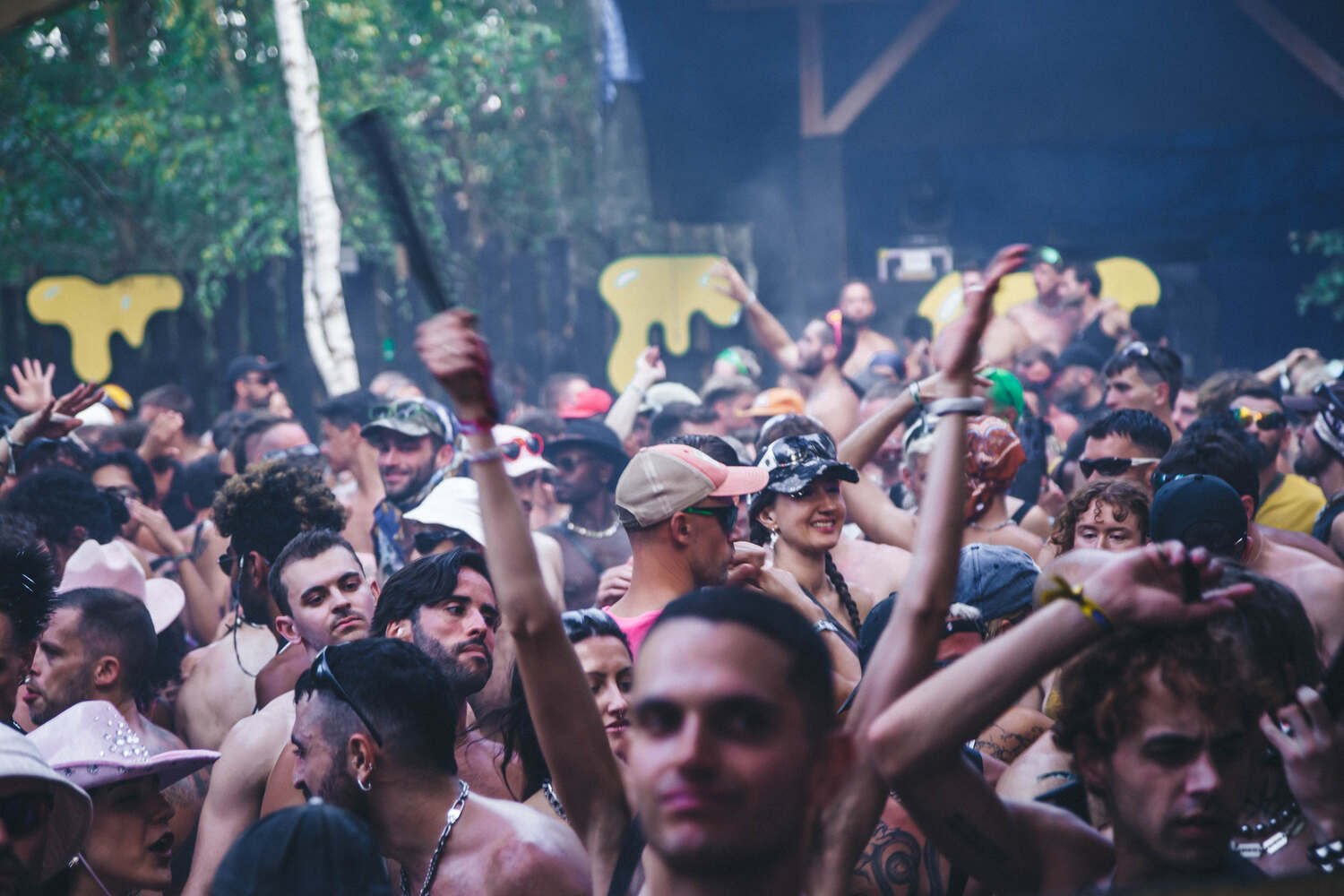
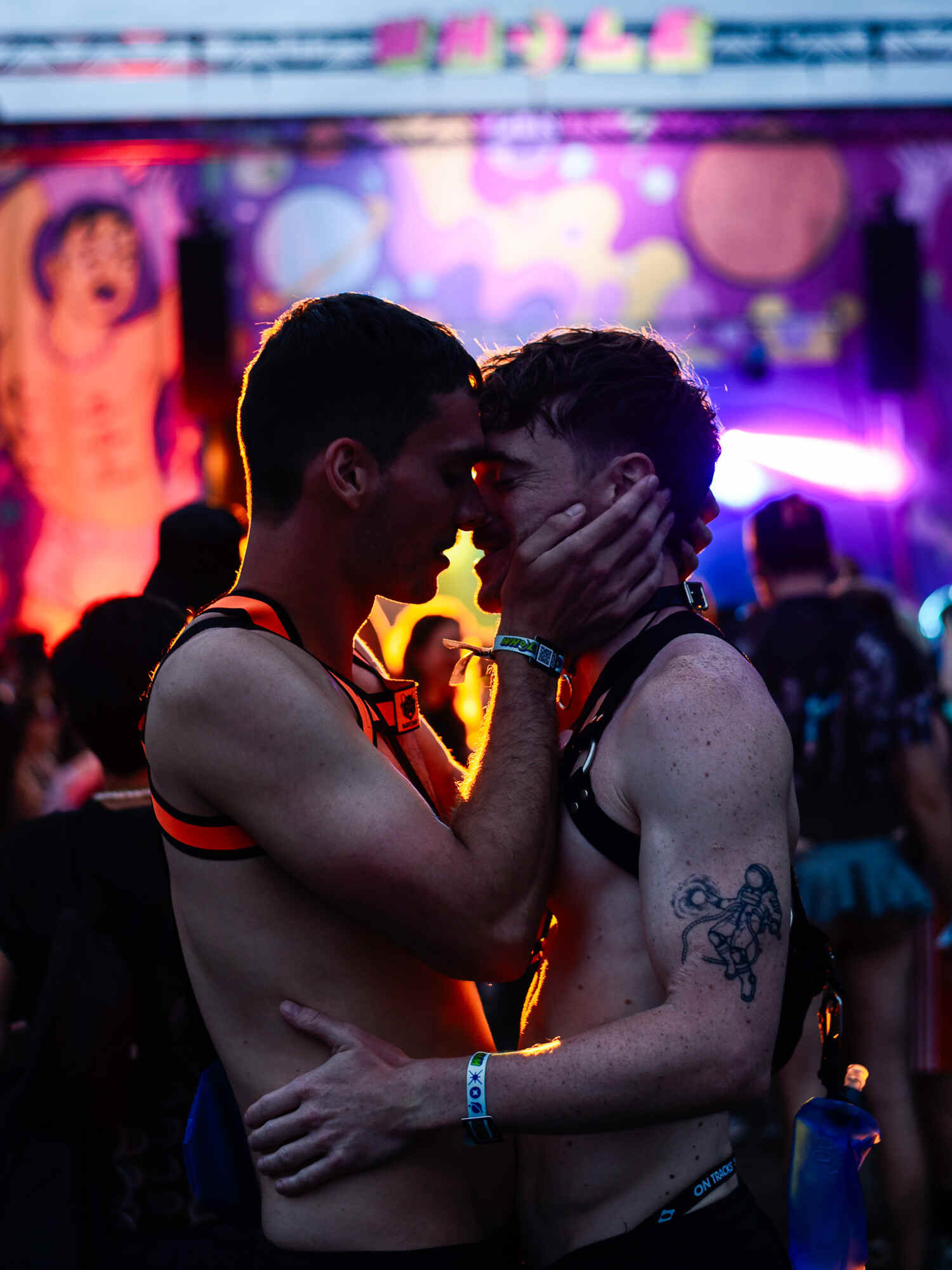
Ferropolis, a former industrial mining site, transforms each summer into one of the most distinctive gathering points for queer nightlife culture worldwide. WHOLE operates less like a traditional festival and more like a temporary world, where dancefloors, bodies, and collective joy reshape the environment over the course of three days.
The 2026 edition unfolds under the theme Enter The Whole. The concept frames the festival as a deliberate transition from the outside world into a shared space built on care, participation, and queer freedom. It emphasizes presence over spectacle and connection over escape. Entering WHOLE is described as an act of arriving fully, with attention, openness, and responsibility toward one another, at a time when many communities are experiencing fragmentation.
The programme spans multiple stages, including Arena, Beach, Crane, Forest, Ambient, and Performance, each hosting a wide range of artists across electronic music, experimental sounds, and performance practices.
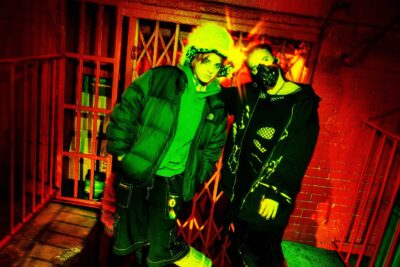
The Performance Stage is positioned as a hybrid space where club culture meets live art, drag, cabaret, and embodied experimentation. Among the first highlights announced are MEEK, Vita Pereira, and Zebra Katz. MEEK represents an emerging indie-pop voice, Vita Pereira presents her solo project following her work in Brazilian funk duo Irmãs de Pau, and Zebra Katz joins with a hybrid live and DJ set, continuing his influence on queer club culture.
Across the wider programme, the line-up includes a broad selection of artists such as Octo Octa, Miss Kittin, SHERELLE, HAAi, Freddy K, Tama Sumo, Gerd Janson, and many others, reflecting a wide spectrum of established and emerging voices within global club culture.
WHOLE Festival 2026 also continues its collaboration with international queer collectives, including PERVERT, Herrensauna, Gegen, MARICAS, Cocktail d’Amore, and others. These collectives are presented as a vital force shaping the festival’s spirit, connecting queer nightlife scenes across different cities and regions.
Alongside music programming, WHOLE expands its talks and workshop programme, curated around themes such as queer care, intimacy, collective organizing, embodiment, and pleasure. The talks explore the role of dancefloors in contemporary politics and culture, as well as broader questions around queer life and sexuality.
Accessibility and community remain central to the festival’s framework. WHOLE continues initiatives supporting refugees, Black and POC communities, trans and gender-expansive people, and others affected by structural marginalization. The programme also includes volunteer opportunities as part of its collective structure.
With the full programme now revealed, WHOLE Festival 2026 continues to position itself as a temporary world built through music, performance, and community. It invites participants to enter fully, engage collectively, and contribute to a shared experience shaped across three days in Ferropolis.