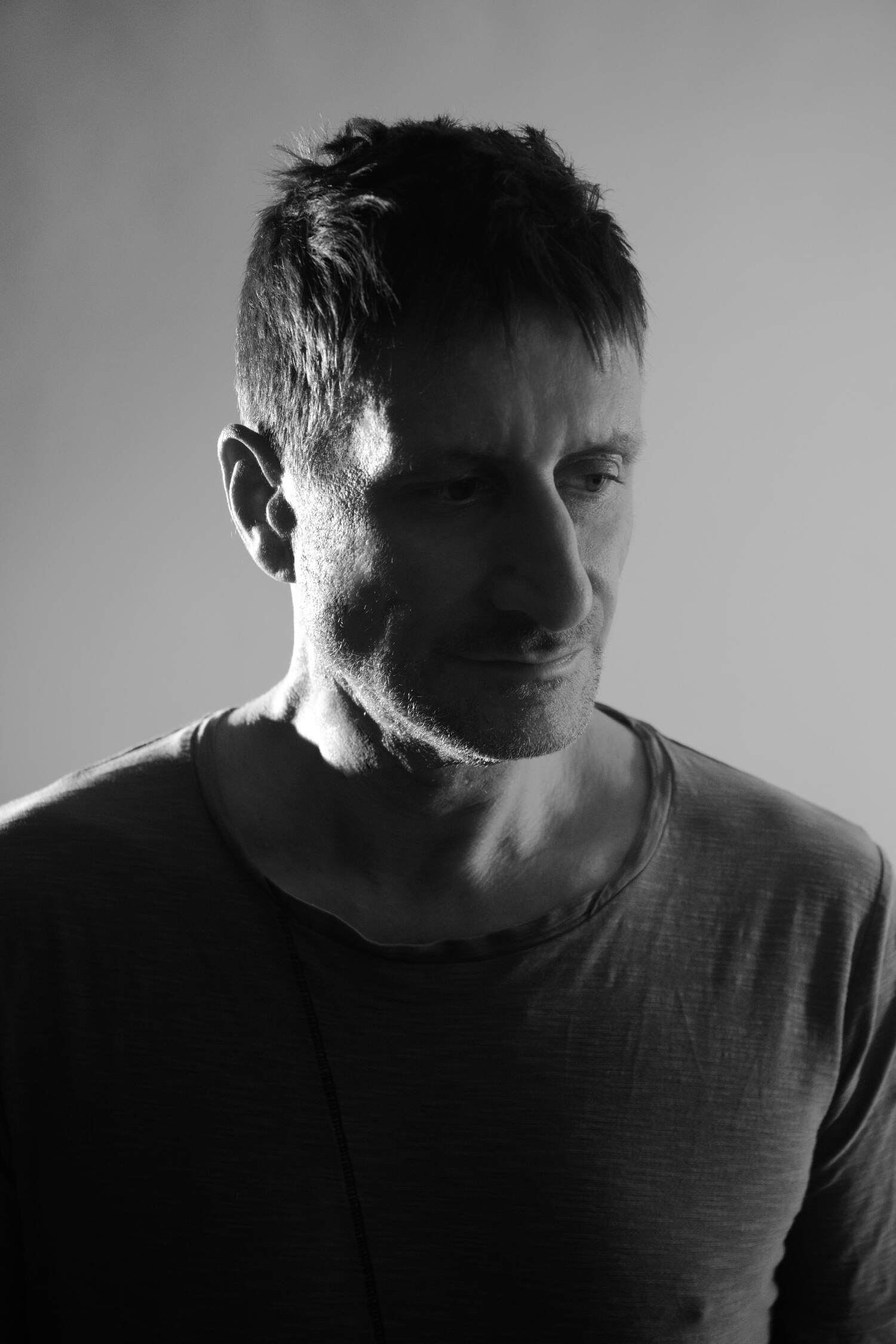
After more than three decades at the forefront of techno, Marco Bailey returns with Impatient Heart, his latest album, released via his own label Materia on October 16, 2026.
Balancing driving grooves and hypnotic rhythms with cinematic textures and moments of vulnerability, the album reflects an artist who continues to evolve without losing sight of his underground roots. Created over two years between touring and studio sessions, Impatient Heart captures where Bailey stands today, both as a producer and as a person.
In our interview, Marco Bailey discusses the ideas that shaped the album, from his approach to sound design to the balance between studio experimentation and dancefloor energy, reflecting on how his perspective has evolved over more than three decades in techno.
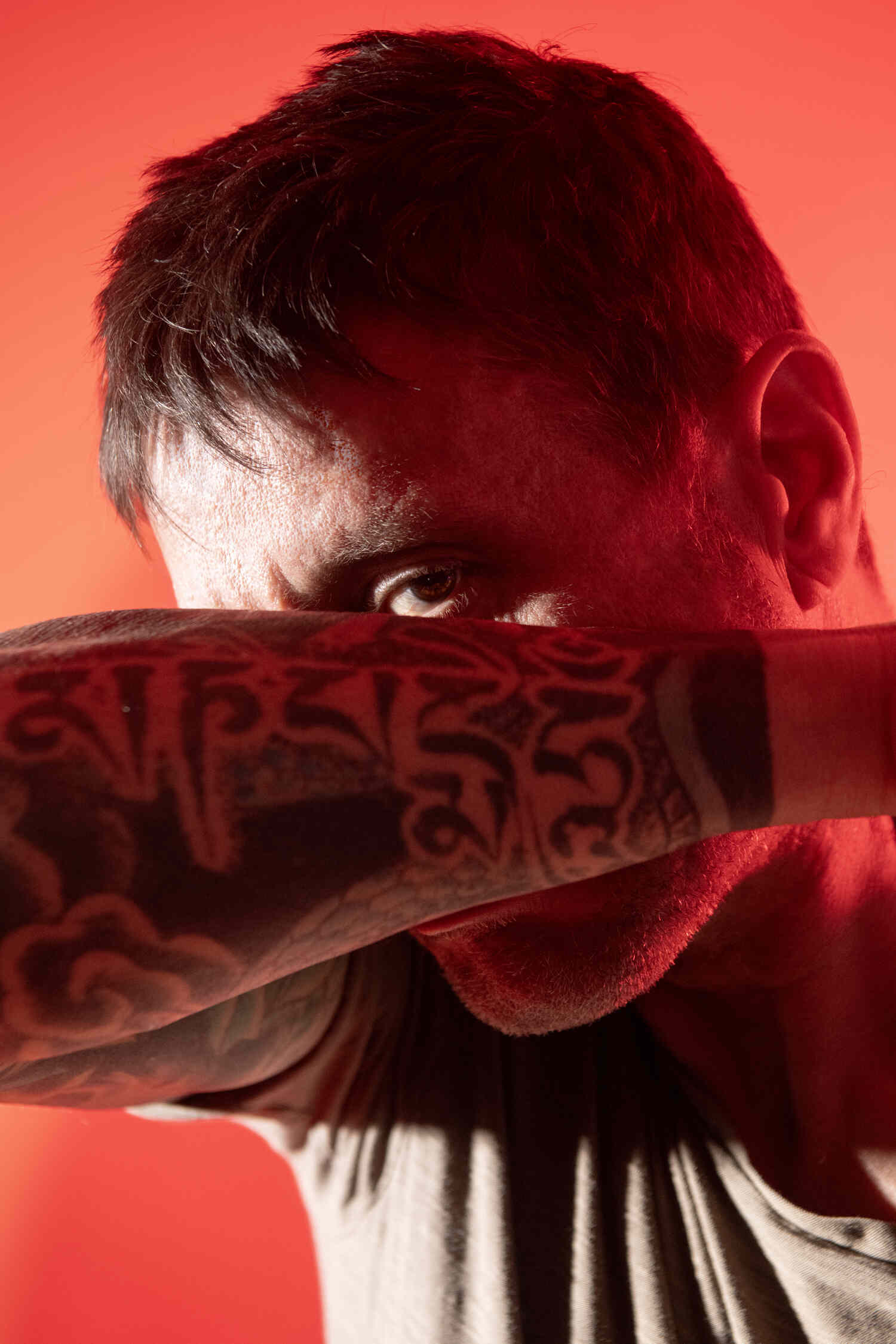
Marco, Impatient Heart is your upcoming new album. After more than three decades in techno, what are you still impatient for, and how did that feeling shape this album?
There couldn’t be a better title for this album because Impatient Heart fits my personality perfectly. I’m a very impatient person in general — in the studio, in life, even in traffic. I probably get a fine almost every week because of it! Terrible, I know, but unfortunately that’s me.
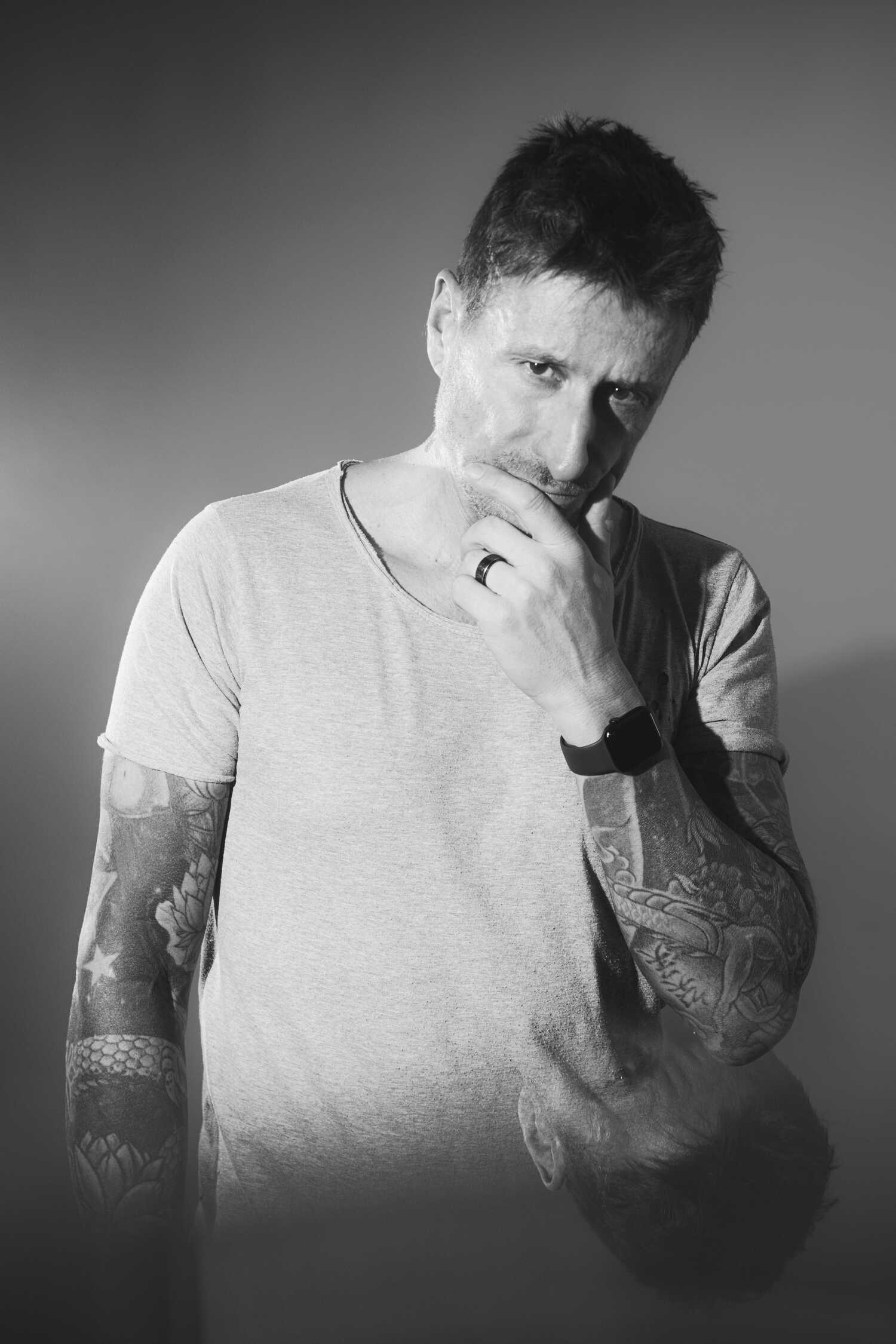
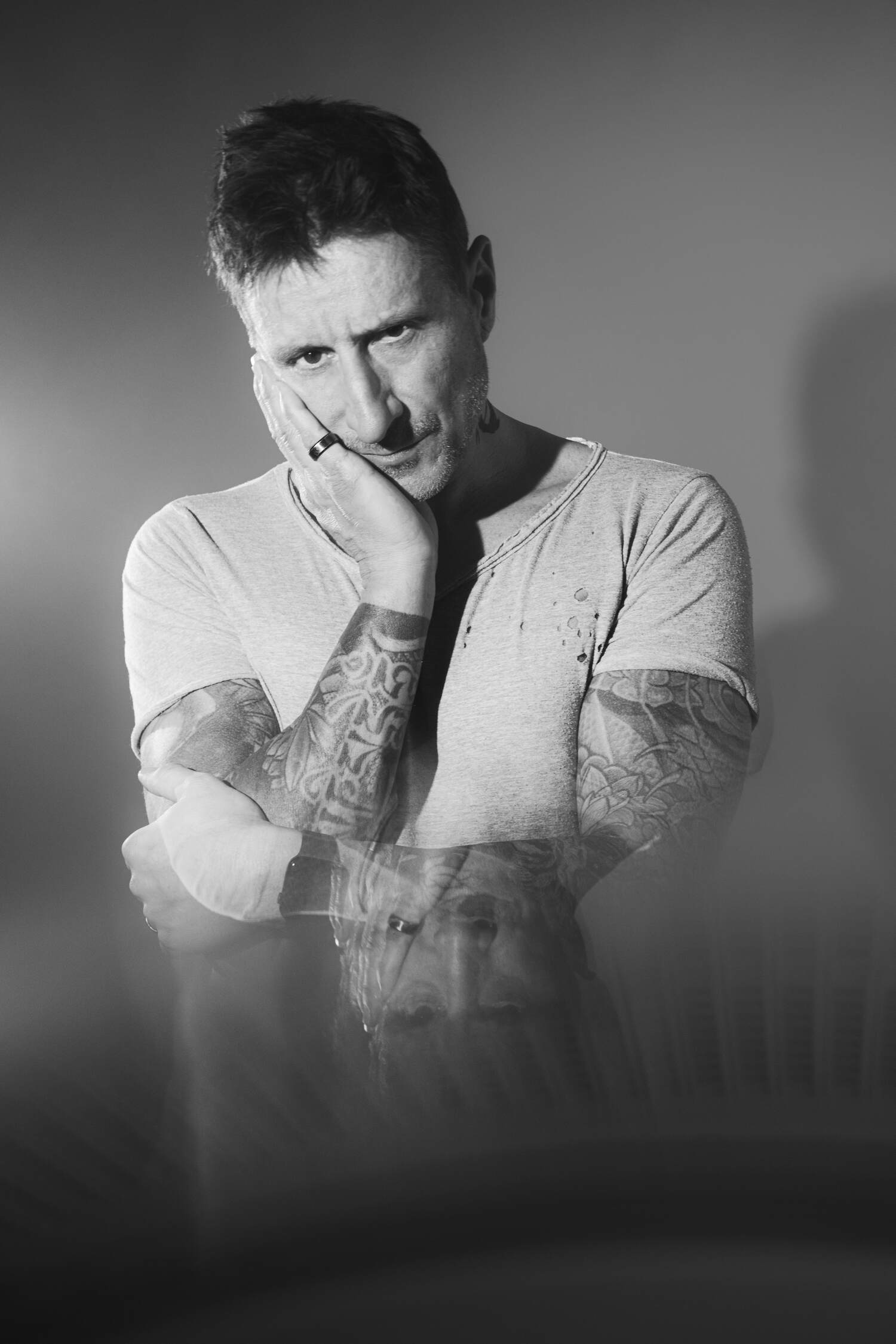
But more importantly, that impatience is also this constant drive inside me. After all these years, I still have this hunger to create music, to play it out and to make people dance and feel something on the dance floor. That feeling hasn’t disappeared at all. If anything, it’s still pushing me forward, and I think you can hear that energy throughout the album.
With the “Organic Pulse Theory” video preview, we’re entering the record through both sound and image. What does “organic” mean within your electronic world, and what did you want the visuals to reveal that the music alone leaves open?
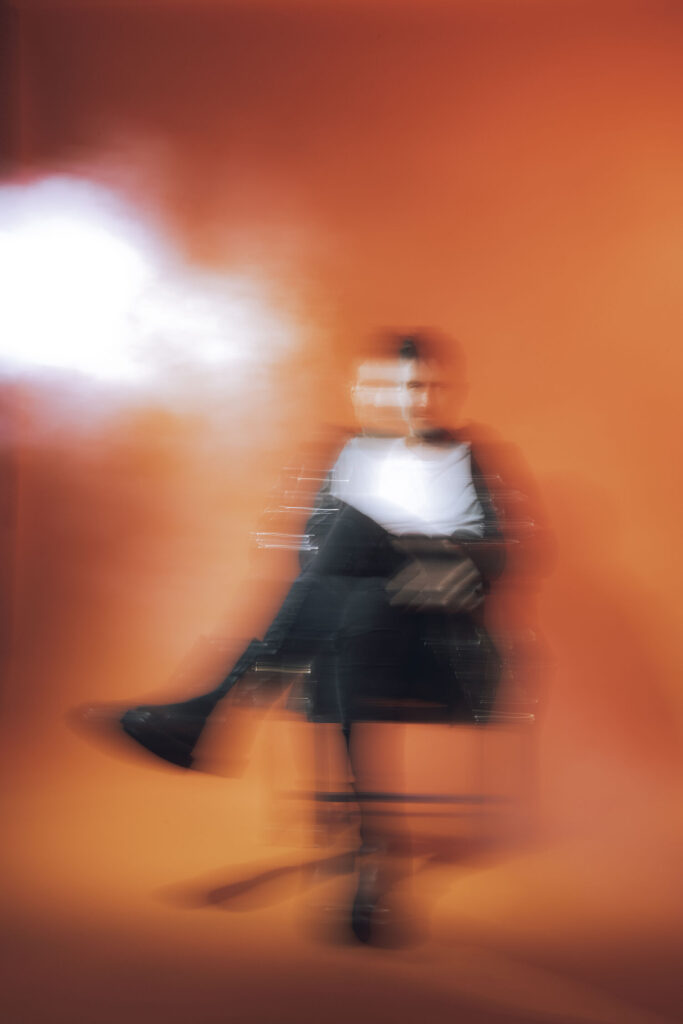
For me, “organic” means that a track, a DJ set or a live set comes together naturally, without compromises and without the pressure of having to fit into a certain context or trend.
Organic Pulse Theory happened exactly like that in the studio. It started with a dub chord and just grew naturally from there. Nothing was forced. It developed into this flow that I really like. I’ve been playing the track throughout the summer and it has worked everywhere, which is always the best test for me.
The visuals follow the same idea. They’re natural, constantly moving forward and connected to nature. I didn’t want something overloaded or cinematic that takes your attention away from the music. The images should support the track and its movement and hopefully make you want to dance — nothing more complicated than that.
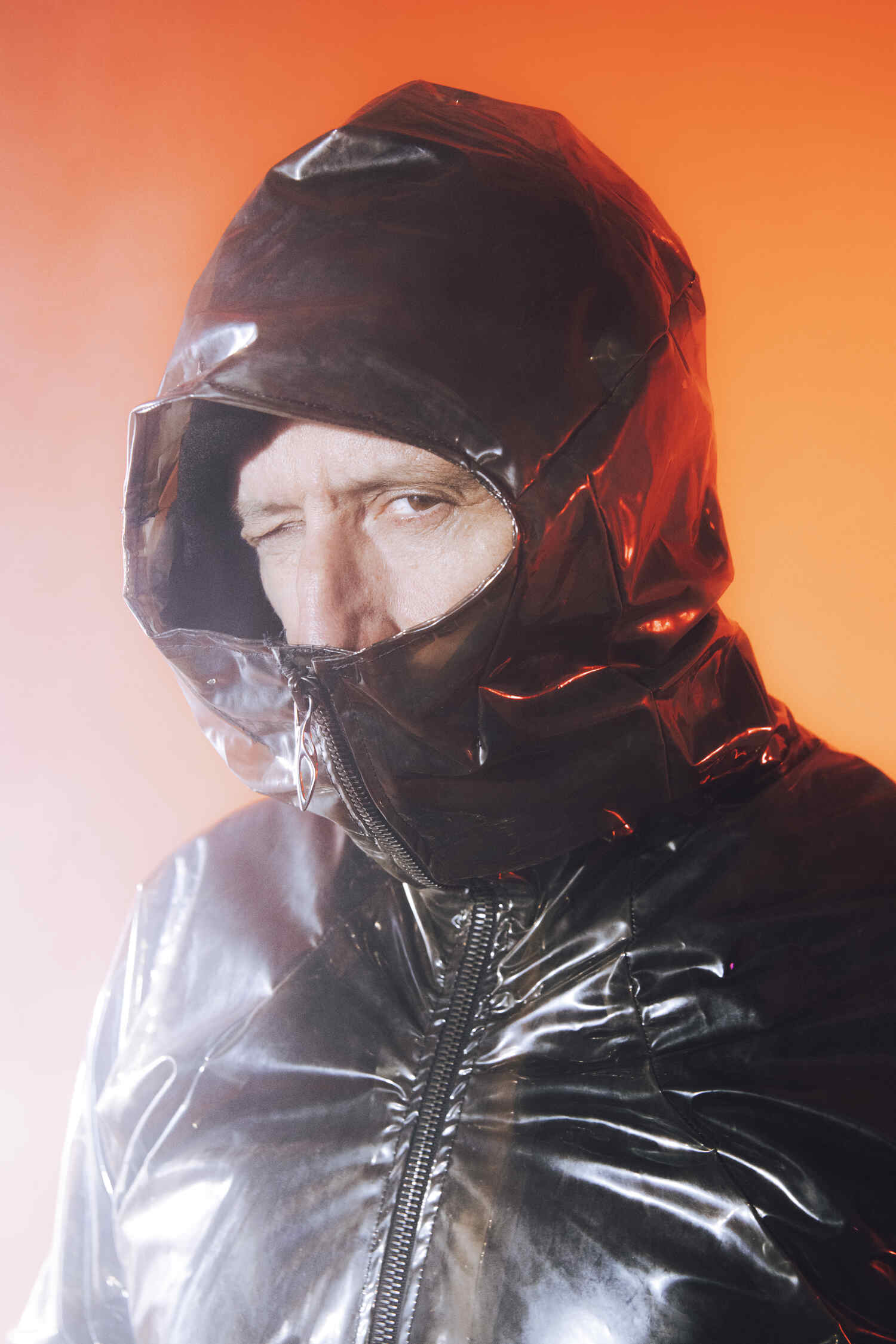
You describe this album as a reflection of who you are as a person. Can you take us into one moment in the studio when something private became part of a track?
I would say around 80% of the album reflects what I do every week on the dance floor. For me, that’s important. If I make a techno album, I want to be able to play most of those tracks in my sets. It should represent who I really am as a DJ and producer, not something created only for the idea of making an album.
But of course, every track contains something personal. Maybe the clearest example is the final track, Impatient Heart. It’s more emotional and reflects another side of me, because I’m quite an emotional person in life as well.
Interestingly, I made the whole track using only one synth plug-in, Omnisphere. Sometimes limitations actually help you go deeper into a feeling instead of constantly looking for another sound.
I’m already thinking about another album that would go much further away from the dance floor — more ambient and electronica. That is also a big part of the music I love, and I’d like to explore that side more in the future.
In our previous conversation, you spoke about dance floors becoming distracted by phones and image. How does presenting “Organic Pulse Theory” through video fit into that, and what kind of attention do you hope it will bring?
For me there is a big difference between visuals supporting music and visuals becoming the main attraction.
The video for Organic Pulse Theory isn’t designed to turn the music into some huge cinema experience where eventually you forget what you’re actually listening to. Everything in the video is deliberately organic — nature, movement, natural images and a sense of moving forward.
I want the visuals to strengthen the feeling of the track, not compete with it. When you watch it and listen to the music, hopefully it gives you that instinct to move and dance. The main core should always remain the music. Sometimes today there is so much happening visually that people almost forget to listen, and I don’t want that.
You wanted Impatient Heart to tell a larger story rather than simply collect club tracks. What makes you work this way?
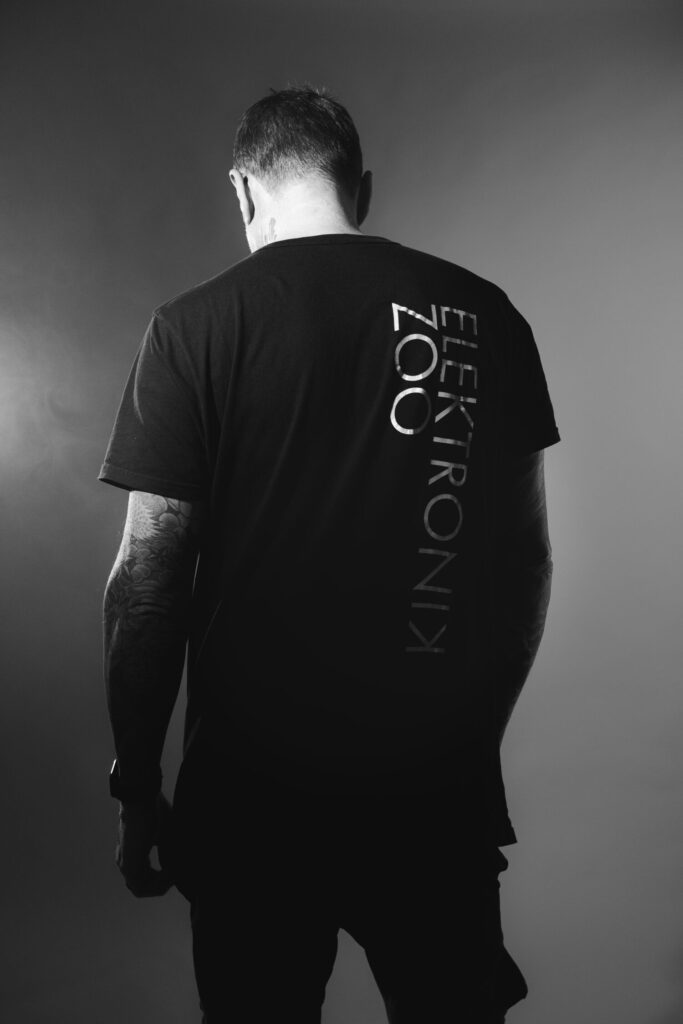
For me, Impatient Heart is really a blueprint of what I do and represent every week. I’m a DJ and producer who is still out there playing constantly, so the main focus of this album was always to create music that I believe in and that I can actually play on the dance floor.
Around 80% of the album is dance-floor focused, but there are three tracks that move into a different space. I love many colours of electronic music — ambient, electronica, house, electro. I’ve released quite a lot of electro over the last 25 years as well.
But you also can’t put 40 or 50 tracks in completely different styles onto one album just to show every side of yourself. An album needs some direction.
So with Impatient Heart, the direction is very clear: this is where I am right now. It represents the music I play, the energy I still feel when I enter a club and, most importantly, that desire to rock a dance floor.
The other colours? They might be for the next album.
Follow Marco Bailey on IG
Follow Materia Music
Photos by KEYI Studio
Keyi x ADE, 23th October 2026 RSVP

Check more music related articles here.